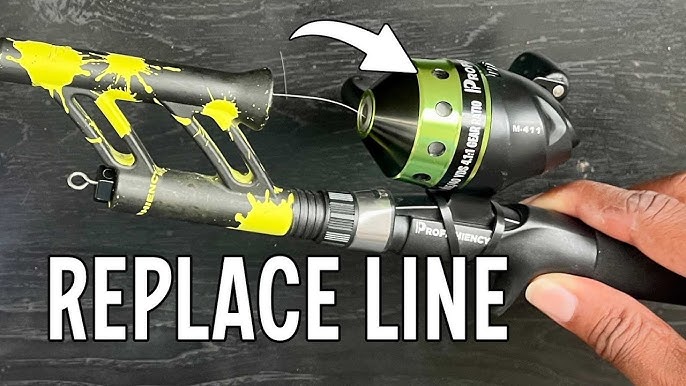
If you love fishing, you know how important it is to have your gear ready and reliable. Putting new line on your fishing pole might seem tricky, but it’s easier than you think.
Getting this right means smoother casts, fewer tangles, and more bites. You’ll discover simple steps to replace your fishing line quickly and confidently. By the end, you’ll feel ready to tackle the water with fresh gear and catch more fish.
Let’s get started!
Choosing The Right Line
Putting new line on a fishing pole is easy when you pick the right line. The right line helps you catch fish better.
Different fishing lines work for different fishing styles. Knowing about types, strength, and materials helps you choose well.
Types Of Fishing Lines
There are three main types of fishing lines: monofilament, fluorocarbon, and braided. Each type has good and bad points.
Monofilament lines are soft and easy to handle. Fluorocarbon lines are hard to see in water. Braided lines are very strong.
- Monofilament: stretchy and affordable
- Fluorocarbon: nearly invisible underwater
- Braided: thin but very strong
Line Strength And Thickness
Line strength is measured in pounds. It tells how much weight the line can hold before breaking.
Thicker lines are stronger but harder to cast far. Thinner lines cast farther but can break easier.
| Line Strength (lbs) | Common Use |
|---|---|
| 2-6 | Small fish and light tackle |
| 6-12 | Medium fish and general fishing |
| 12-20 | Large fish and heavy tackle |
Material Considerations
Fishing line materials affect durability and visibility. Choose materials that suit your fishing needs.
Monofilament floats on water. Fluorocarbon sinks and is less visible. Braided line is strong but easy to see.
- Monofilament: good for beginners and general use
- Fluorocarbon: best for clear water fishing
- Braided: ideal for thick cover and deep water

Credit: www.youtube.com
Gathering Necessary Tools
Putting new line on a fishing pole needs the right tools. Having them ready makes the job easier and faster.
This guide helps you find what you need before starting to put new line on your fishing pole.
Essential Equipment
You need some basic equipment to put new line on your fishing pole. These tools help you attach and secure the line properly.
- New fishing line suitable for your pole
- Scissors or line cutters to trim excess line
- Fishing reel to wind the new line
- Small cloth or rag to clean the reel
- Line spooler or helper tool to keep tension
Optional Accessories
Some extra accessories can make putting new line easier or more efficient. These are not required but useful.
- Rubber bands to hold the line spool steady
- Lubricant for reel maintenance
- Hook remover tool for safety
- Gloves to protect your hands while working
- Line conditioner to reduce tangles and memory
Removing Old Line
Before putting new line on a fishing pole, you need to remove the old line. This process ensures your reel operates smoothly.
Old line can become tangled and weak. Removing it helps prevent line breakage and improves casting.
Unspooling The Line
First, open the bail on the reel. This allows you to freely pull the old line off the reel.
Next, unwind the line. Pull it off until the spool is empty. Dispose of the old line responsibly to protect the environment.
- Open the bail arm
- Unwind the line from the reel
- Dispose of old line properly
Cleaning The Reel
After removing the line, it’s a good time to clean the reel. This helps in maintaining the reel’s performance.
Use a soft cloth to wipe down the reel. Remove any dirt or debris. A clean reel ensures a smoother fishing experience.
- Use a soft cloth for cleaning
- Remove dirt and debris
- Ensure the reel is dry before adding new line
Preparing The Reel
Putting new line on a fishing pole starts with preparing the reel. The reel must be clean and ready to hold the new line.
Proper preparation helps the line stay secure and prevents damage during fishing.
Checking The Spool
First, remove the old line from the spool. Check the spool for dirt or damage.
Clean the spool with a soft cloth. Look for cracks or worn areas that may harm the new line.
- Remove old line completely
- Wipe spool clean with a dry cloth
- Inspect spool for cracks or rough spots
- Replace spool if damaged
Lubricating Moving Parts
Apply light oil to the reel’s moving parts. This helps the reel work smoothly.
Focus on the handle, bail arm, and line roller. Avoid using too much oil to prevent dirt build-up.
- Use reel oil or light machine oil
- Apply a drop to the handle joint
- Lubricate the bail arm hinges
- Oil the line roller carefully
Attaching New Line
Putting new fishing line on your pole is important for a good fishing experience.
Start by attaching the new line carefully to the reel spool. This will help the line wind smoothly.
Securing The Line To The Spool
First, open the bail arm of the reel. Then, tie the new line to the spool with a strong knot.
- Pass the line through the spool hole or around the spool lip
- Tie an Arbor knot or improved clinch knot
- Pull the knot tight to secure it
- Trim the tag end close to the knot
Starting The Spooling Process
Hold the line tight as you turn the reel handle. This helps prevent line twists and loose winding.
| Tip | Reason |
| Keep tension on the line | Prevents tangles and loose loops |
| Turn reel handle slowly | Ensures even line distribution |
| Fill spool 1/8 inch from edge | Allows smooth casting without overflow |

Credit: www.youtube.com
Spooling The Line Correctly
Putting new line on a fishing pole is important for a good fishing experience. Spooling the line correctly helps avoid problems on the water.
Spooling means winding the fishing line tightly and evenly on the reel. Doing this right keeps the line strong and ready to cast.
Maintaining Tension
Keep the fishing line tight as you spool it on the reel. This stops the line from becoming loose or tangled.
You can hold the line with your fingers or use a cloth to keep steady pressure. Make sure the line is snug but not too tight.
- Hold the line firmly between fingers or with a cloth
- Turn the reel slowly and evenly
- Check that the line stays tight throughout the process
Avoiding Twists And Tangles
Line twists cause knots and tangles that can ruin a fishing trip. Avoid twists by paying attention as you spool.
Make sure the line unrolls from the spool in the same direction it goes onto your reel. This keeps the line smooth and neat.
- Check the line spool direction before spooling
- Keep the line straight and avoid letting it loop
- Stop and fix any twists you see immediately
Finishing Up
After putting new line on your fishing pole, you need to finish the process carefully. This ensures the line stays secure and ready for fishing.
Two important steps to complete are cutting the excess line and tying the line to the rod. These help avoid tangles and keep your setup neat.
Cutting Excess Line
Once you have threaded and tied the new line, you should cut off any extra line left. Leaving too much line can cause tangles or catch on weeds.
- Use sharp scissors or line clippers.
- Cut the excess line close to the knot, but leave a small tail.
- Make sure the cut is clean to avoid fraying.
- Check that the knot stays tight after cutting.
Tying The Line To The Rod
Tying the line securely to the rod is key. A loose knot can cause the line to slip or break during use.
| Type of Knot | How to Tie | Why Use It |
|---|---|---|
| Improved Clinch Knot | Thread line through eye, wrap around 5-7 times, pass end through loop, tighten | Strong and reliable for most fishing lines |
| Palomar Knot | Double line, pass through eye, tie loose over loop, tighten | Very strong and easy to tie |
| Loop Knot | Create loop, tie over itself, leave loop free | Allows lure to move freely |

Credit: www.youtube.com
Testing Your Setup
After putting new line on your fishing pole, it is important to test your setup. Testing helps you find any problems early.
Checking your line and reel will make sure everything works well before you fish.
Checking Line Smoothness
Pull the line slowly from the reel to check if it moves smoothly. The line should not catch or feel rough.
If the line feels stuck or rough, it may cause problems when casting or reeling in fish.
- Pull line gently and listen for unusual sounds
- Look for any knots or twists in the line
- Check for any damage or frays on the line
Ensuring Proper Function
Turn the reel handle to see if it spins smoothly. Make sure the drag system works correctly by testing resistance.
Test casting in an open area to confirm the line flows without problems and the reel pulls back easily.
- Reel line in and out slowly to check for snags
- Adjust the drag and feel the tension
- Watch the line release during a test cast
Tips For Line Maintenance
Putting new line on a fishing pole is important for a good fishing experience. Keeping the line in good shape helps it last longer and work better.
Proper care of your fishing line can prevent breakage and improve casting. Simple maintenance steps keep your gear ready for every trip.
Regular Inspection
Check your fishing line often for signs of wear or damage. Look for cuts, frays, or weak spots that can cause breaks.
Replace the line if you find any damage. This keeps your fishing pole working well and avoids losing fish.
- Look for nicks or abrasions on the line
- Feel for thin or weak areas by running your fingers along it
- Inspect knots to ensure they are tight and secure
- Cut off old or damaged line before adding new line
Storage Recommendations
Store your fishing pole and line in a cool, dry place. Avoid areas with strong sunlight or heat that can weaken the line.
Keep the line loose on the reel to stop it from getting tangled or twisted. Use a line cover if possible to protect it from dust.
- Use a rod rack to keep poles off the ground
- Keep reels covered to protect from dirt and moisture
- Avoid storing line in direct sunlight
- Check line condition before each fishing trip
Frequently Asked Questions
How Do I Remove Old Fishing Line Properly?
Cut the old line near the reel. Unwind it slowly by hand. Dispose of it responsibly to avoid environmental harm.
What Type Of Fishing Line Should I Use?
Choose line strength based on your fishing target. Monofilament suits beginners, while braided line offers strength and sensitivity.
How Do I Attach New Line To The Reel?
Thread the new line through the reel’s guides. Tie it securely with an arbor knot. Wind it evenly on the spool.
How Much New Line Should I Spool On My Reel?
Fill the spool up to 1/8 inch from the edge. Avoid overfilling to prevent tangles and casting issues.
Conclusion
Putting new line on a fishing pole is simple with the right steps. Take your time and follow each part carefully. This helps the line stay strong and last longer. Check the line often for wear and replace it when needed.
Good line makes fishing more fun and successful. Practice a few times to feel confident. Soon, you will change your fishing line quickly and easily. Keep your gear ready and enjoy your fishing trips more.