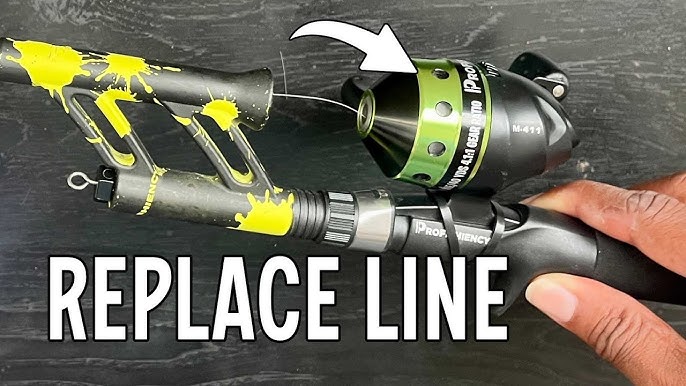
Are you tired of struggling with old, tangled fishing line that just won’t perform? Putting new line on your fishing pole might seem tricky, but it’s easier than you think.
Getting it right means smoother casts, fewer snags, and more fish on your hook. In this guide, you’ll learn simple, step-by-step tips to replace your fishing line quickly and confidently. Keep reading, and you’ll be ready to hit the water with a fresh, strong line that works perfectly every time.

Credit: www.youtube.com
Choosing The Right Fishing Line
Choosing the right fishing line is important for a good fishing experience. It affects how you cast and catch fish.
Different types of lines work better in different situations. Knowing what fits your needs helps you fish better.
Types Of Fishing Line
There are three main types of fishing lines: monofilament, fluorocarbon, and braided. Each has its own strengths and uses.
- Monofilament:Easy to handle and good for beginners.
- Fluorocarbon:Hard to see underwater and strong against abrasion.
- Braided:Very strong and thin, good for heavy cover.
Line Strength And Thickness
Fishing line strength is measured in pounds. It shows how much weight the line can hold before breaking.
| Line Type | Typical Strength (lbs) | Thickness (mm) |
| Monofilament | 4 – 20 | 0.18 – 0.45 |
| Fluorocarbon | 6 – 30 | 0.15 – 0.40 |
| Braided | 10 – 50+ | 0.10 – 0.35 |
Matching Line To Fishing Conditions
Choose your line based on water type, fish species, and fishing method. Clear water needs less visible line.
- Use thin, clear fluorocarbon for clear water and shy fish.
- Use strong braided line for heavy cover and big fish.
- Use monofilament for general fishing and easy handling.

Credit: www.youtube.com
Preparing Your Fishing Pole
Before putting new line on your fishing pole, you need to prepare it. Proper preparation helps the line last longer and work better.
Start by removing the old line and cleaning your reel and guides. Also, check the pole for any damage that may affect your fishing.
Removing Old Line
Take off the old fishing line carefully from the reel. This makes room for the new line and prevents tangles.
Cut the line near the reel and pull it off the spool. If the line is stuck, gently unwind it by hand or use scissors to cut it into smaller pieces.
Cleaning The Reel And Guides
Clean the reel with fresh water to remove dirt and salt. Wipe it dry with a soft cloth to avoid rust.
Check the guides along the pole. Clean them with a damp cloth to remove dirt or old line bits. This helps the new line move smoothly.
- Rinse reel with fresh water
- Dry reel completely
- Wipe guides clean
- Remove any debris inside guides
Inspecting For Damage
Look over your fishing pole for cracks or broken parts. Damage can make fishing unsafe or cause line breaks.
Check the reel seat and handle for loose parts. Make sure all guides are secure and not bent or cracked.
- Check pole for cracks
- Inspect reel seat tightness
- Look for bent or broken guides
- Fix or replace damaged parts before use
Attaching The New Line
Putting a new line on your fishing pole is easy with the right steps. This guide helps you attach the line correctly for smooth fishing.
Follow these instructions carefully to make sure your new line stays strong and works well.
Threading The Line Through Guides
Start by pulling the new line from your spool. Pass the line through each guide on the rod from bottom to top. Make sure the line moves smoothly and does not twist.
Tying The Line To The Reel
Attach the new line to the reel spool using a strong knot. The Arbor knot is simple and holds well. Wrap the line around the spool and tie the knot tightly.
- Wrap the line around the reel spool.
- Tie an overhand knot around the main line.
- Tie a second overhand knot on the tag end.
- Pull both knots tight and trim the excess line.
Securing The Knot
Use this table to check your knot’s strength and security:
| Check Point | What to Look For |
|---|---|
| Tightness | Knots should not slip when pulled hard. |
| Neatness | Knots must be clean and not twisted. |
| Trimming | Trim tag ends close to knots but leave a small tail. |
Spooling The Line Properly
Putting new line on a fishing pole is important for good fishing. Spooling the line properly helps the line last longer. It also makes casting easier and reduces problems while fishing.
Use the right steps to spool the line. This guide explains how to keep the line tight, avoid tangles, and fill the reel the right way.
Maintaining Line Tension
Keep the fishing line tight as you spool it. Loose line can cause tangles and knots later. Hold the line with your fingers or use a cloth to add pressure.
Ask a friend to hold the spool if needed. This helps keep steady tension. Make sure the line winds evenly on the reel.
Avoiding Twists And Tangles
Line twists and tangles make fishing hard. To stop this, let the line come off the spool in the same direction it goes onto the reel. This keeps the line smooth.
Check the line often as you spool. If you see loops or twists, stop and fix them. Use a swivel if needed to reduce twisting.
- Keep the line tight
- Let line come off spool naturally
- Fix twists immediately
- Use a swivel to prevent twists
Filling The Reel Correctly
Fill the reel so the line is near the edge but not overfilled. Too much line can cause tangles and backlash. Too little line lowers casting distance.
Leave about 1/8 inch space from the reel edge. Wind the line evenly across the spool. This helps the line come off smoothly when you cast.
Finishing Touches
After putting new line on your fishing pole, some final steps make sure it works well. These steps help your fishing line last longer and perform better.
Pay attention to trimming, testing, and adjusting to get the best results before fishing.
Trimming Excess Line
Cut off the extra fishing line close to the knot. Leaving too much line can cause tangles or snags.
Use sharp scissors or a line cutter to make a clean cut. Avoid fraying the line ends.
Testing Line Strength
Check the strength of your new line by gently pulling it. Make sure the knot holds firm and the line does not snap.
If the line feels weak or the knot slips, redo the knot or try a stronger line.
Adjusting Drag Settings
Set the drag to control how much line pulls from the reel. Proper drag prevents line breakage when a fish pulls hard.
- Tighten drag for bigger fish or strong currents
- Loosen drag for smaller fish to avoid snapping
- Test drag by pulling line with your hand
Common Mistakes To Avoid
Putting new line on a fishing pole seems simple. Many anglers make errors that reduce fishing success. Avoiding these mistakes saves time and gear.
Learn about three common mistakes and how to avoid them for better fishing line setup.
Overfilling The Reel
Too much line on the reel causes tangles and casting problems. It can also damage the reel’s internal parts. Always leave some space on the spool.
- Fill the spool to about 1/8 inch below the rim
- Check the reel manual for exact line capacity
- Use the right line weight for your reel
- Keep the line tight when filling the spool
Skipping Line Inspection
Not checking the line before adding new line can cause breaks. Old line may have weak spots or damage. Always inspect the line carefully.
| Inspection Tip | What to Look For |
| Visual Check | Look for frays, nicks, and discoloration |
| Tactile Check | Run line through fingers to feel rough spots |
| Test Strength | Pull line firmly to check for weak breaks |
Ignoring Proper Knot Tying
Bad knots cause line slippage and lost fish. Proper knots hold strong and keep line steady. Learning a few simple knots helps a lot.
- Use knots like the improved clinch or Palomar
- Wet the line before tightening knots
- Pull knots tight and trim excess line
- Practice knots until you tie them well

Credit: www.youtube.com
Frequently Asked Questions
How Do I Prepare A Fishing Pole For New Line?
First, remove the old line from the reel. Clean the reel and check for damage. Choose the right line type and weight for your fishing needs.
What Is The Best Knot For Attaching New Line?
The Arbor knot is simple and secure for attaching line to the reel spool. It prevents slipping and is easy to tie.
How Much Fishing Line Should I Spool On?
Fill the reel spool leaving about 1/8 inch of space from the edge. This prevents line from slipping off during casting.
Can I Use Any Fishing Line For My Pole?
Use line compatible with your reel and rod. Match the line strength to your target fish and fishing conditions.
Conclusion
Replacing a fishing line is simple with practice. First, gather your tools. Then, follow each step carefully. Secure the knot tightly for better fishing results. Always check the line for wear. This prevents unexpected breaks while fishing. Practice makes the process easier over time.
A well-maintained pole enhances your fishing experience. Enjoy smoother casting and better catches. Remember, patience is key in fishing. With time, you’ll become more confident. Happy fishing days await you!