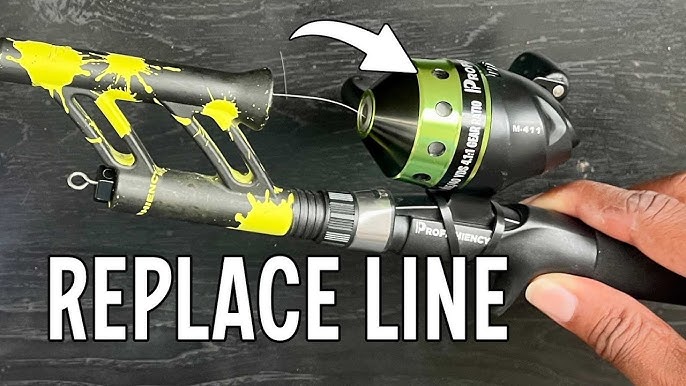
If you love fishing, you know how important it is to have your reel ready to go. Putting new line on a fishing reel might seem tricky at first, but once you get the hang of it, it’s quick and easy.
Imagine casting your line smoothly, without any tangles or breaks—that starts with properly spooling your reel. In this guide, you’ll learn simple steps to put new line on your fishing reel like a pro. By the end, you’ll feel confident and ready to enjoy more successful fishing trips.
Let’s get started!
Choosing The Right Line
Putting new line on a fishing reel starts with picking the right line. The right line helps catch fish better and lasts longer.
Different fishing situations need different lines. Knowing your options helps you choose the best one for your reel and fishing style.
Types Of Fishing Lines
There are three main types of fishing lines: monofilament, fluorocarbon, and braided. Each has its own uses and strengths.
- Monofilament:This line is easy to handle and stretchable. It is good for beginners and general fishing.
- Fluorocarbon:This line is less visible underwater and sinks faster. It works well in clear water.
- Braided:This line is very strong and thin. It does not stretch much and is good for heavy cover fishing.
Line Strength And Thickness
Line strength is measured in pounds and shows how much weight the line can hold. Thickness affects how much line fits on the reel.
Choose a line strong enough for the fish you want to catch. Thicker lines are stronger but take more space on the reel.
- Light fish need 4 to 8-pound test line
- Medium fish need 10 to 15-pound test line
- Heavy fish need 20 pounds or more
Matching Line To Reel
Not all lines fit every reel. Check the reel’s line capacity and pick a line that fits well without overloading.
Using the right line helps the reel work smoothly and avoids problems like tangling or breaking.
- Spinning reels work well with lighter lines and thin braided lines
- Baitcasting reels can handle heavier lines and thicker braided lines
- Check the reel’s label for line weight and length limits
Credit: monsterbass.com
Preparing The Reel
Putting new line on a fishing reel starts with good preparation. A clean and smooth reel works better.
Take time to prepare the reel before adding new line. This helps avoid problems later.
Removing Old Line
Remove the old fishing line from the reel before adding new line. This stops tangles and knots.
Pull the old line off slowly. If it is stuck, cut it in parts to remove easily.
- Unwind the old line completely
- Cut any tight knots with scissors
- Dispose of old line safely
Cleaning The Spool
Clean the spool to remove dirt and salt. This keeps the reel working smoothly.
Use a soft cloth or brush to wipe the spool. Avoid harsh chemicals that can damage it.
- Wipe the spool with a damp cloth
- Remove any sand or grit
- Dry the spool completely before use
Inspecting The Reel
Check the reel for damage before putting new line. Look for worn parts and loose screws.
Fix small problems to prevent bigger issues while fishing.
- Check for cracks or dents
- Make sure the drag system works
- Tighten any loose screws
Attaching The Line To The Spool
Putting a new line on a fishing reel is a simple task. It starts with attaching the line to the spool correctly. This ensures a smooth and successful fishing experience.
Follow these steps to attach the line to the spool. This process will help in reducing tangles and improving your fishing skills.
Securing The Line
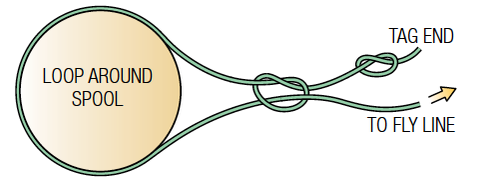
Begin by opening the bail of your fishing reel. Place the line around the spool and ensure it is snug. This keeps the line from slipping during use.
- Open the bail arm
- Wrap the line around the spool
- Ensure the line is tight
Tying The Knot
Use a simple knot to tie the line to the spool. A common knot is the arbor knot. It is easy to tie and holds the line securely.
Make sure the knot is tight against the spool. This prevents the line from slipping.
Checking The Attachment
Once the knot is tied, close the bail arm. Pull on the line gently to test the knot’s strength. This ensures the line is securely attached.
- Close the bail arm
- Gently pull on the line
- Verify the knot is secure

Credit: windrider.com
Spooling The Line
Putting a new line on a fishing reel is an important task. It helps your fishing gear work well. Spooling the line correctly prevents problems while fishing.
This guide explains how to spool the line by keeping tension, using good winding techniques, and avoiding line twists.
Maintaining Tension
Keeping the right tension on the line while spooling is key. Too loose or too tight tension can cause line problems. A steady pull helps the line wind evenly on the reel.
- Hold the line spool firmly between your fingers or use a cloth for grip.
- Keep a slight pull on the line as you feed it onto the reel.
- Ask someone to hold the line spool if you need help maintaining tension.
- Check the line wraps often to make sure they are tight and neat.
Winding Techniques
How you wind the line onto the reel affects casting and line lifespan. Use smooth and even winding motions to avoid tangles and bunching.
- Start by attaching the line to the reel spool with a secure knot.
- Turn the reel handle slowly and evenly to wrap the line.
- Fill the spool until it is about 1/8 inch from the edge.
- Do not overfill the spool to prevent line slipping off during casts.
Avoiding Line Twists
Line twists can cause tangles and weak spots. To avoid twists, pay attention to the spool direction and line type.
| Tip | Description |
|---|---|
| Match Spool Direction | Make sure the new line spools off the supply spool in the same direction as the reel spool. |
| Use Quality Line | Choose line types less prone to twisting, such as braided or fluorocarbon lines. |
| Check Line After Spooling | Run the line through your fingers to detect twists before fishing. |
| Replace Old Line | Old line is more likely to twist and should be replaced regularly. |
Finishing Touches
After putting new line on your fishing reel, some final steps ensure the line works well. These steps help keep the line tight and ready for fishing.
Finishing touches also protect your reel and line from damage. Take your time to do these right for the best fishing experience.
Trimming Excess Line
Trim any extra line from the reel spool to avoid tangles and knots. Use sharp scissors or a line cutter for a clean cut.
- Leave about 1/8 inch of line on the spool after tying the knot.
- Cut the tag end close to the knot but not too tight.
- Check for any loose ends that might catch during casting.
Testing The Line
Test the line’s strength and smoothness by pulling it gently. This helps spot weak points and ensures the line stays secure.
- Pull the line slowly to check for slippage at the knot.
- Rotate the reel handle to feel if the line moves smoothly.
- Look for any twists or tangles along the line.
- Make sure the line feeds evenly off the spool.
Storing The Reel
Store your reel properly to keep the new line in good condition. Avoid places with heat or direct sunlight.
| Storage Tip | Reason |
|---|---|
| Keep reel in a cool, dry place | Prevents line weakening and reel rust |
| Use a reel cover or bag | Protects from dust and physical damage |
| Loosen the drag slightly | Reduces pressure on the line and reel parts |
Common Mistakes To Avoid
Putting new line on a fishing reel seems easy but many make mistakes. These mistakes cause problems while fishing.
Knowing what to avoid helps keep your line strong and your reel working well. Here are some common errors.
Overfilling The Spool
Adding too much line to the spool causes tangles and line breaks. The spool needs space to work properly.
Leave about 1/8 inch of space from the spool edge. Overfilled spools cause the line to slip or tangle.
- Fill the spool evenly without going past the edge
- Check the manufacturer’s line capacity
- Avoid packing the line tightly
Loose Winding
Winding the line loosely causes it to wrap unevenly. This leads to knots and poor casting distance.
Keep the line tight while winding. Use your fingers to guide the line evenly on the spool.
- Keep tension on the line during spooling
- Wind slowly and evenly
- Check the line regularly for loose loops
Ignoring Line Compatibility
Not all fishing lines fit every reel. Using the wrong line causes damage or poor performance.
Match the line type and strength with your reel and fishing style. This helps avoid breaks and tangles.
- Check your reel’s recommended line type
- Use the right line strength for your fish target
- Avoid mixing line brands or types on one spool

Credit: www.youtube.com
Frequently Asked Questions
How Do I Choose The Right Fishing Line For My Reel?
Select a line based on your target fish and fishing conditions. Consider strength, diameter, and material like monofilament or braided line for best performance.
What Tools Are Needed To Put New Line On A Fishing Reel?
You need scissors, a fishing reel, new fishing line, and optionally a pencil or line spooler to help wind the line evenly.
How Can I Avoid Line Twists When Spooling My Reel?
Spool the line under slight tension and avoid overfilling. Let the line off the spool smoothly to prevent twists during winding.
How Much Fishing Line Should I Put On My Reel?
Fill your reel spool to about 1/8 inch below the spool’s lip. This prevents overfilling and reduces casting issues.
Conclusion
Putting new line on a fishing reel is simple and quick. Follow the steps carefully for best results. Take your time to avoid tangles and knots. A well-spooled reel helps you fish better and longer. Practice a few times to get comfortable with the process.
Soon, you will enjoy smooth casting and reeling. Keep your fishing gear ready for your next trip. Fishing becomes more fun with the right setup. Now, you can easily change your fishing line by yourself.