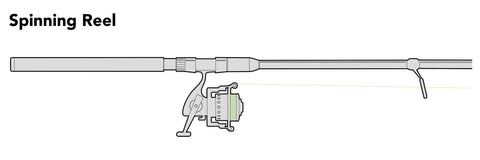
If you love fishing, you know how important it is to have your rod ready to go. Putting new line on your fishing rod might seem tricky at first, but once you learn the simple steps, it becomes quick and easy.
Imagine casting your line smoothly, without any tangles or breaks. That’s exactly what you’ll get when you follow this guide. Whether you’re a beginner or just need a refresher, this article will help you get your fishing rod in perfect shape.
Keep reading, and you’ll be ready to catch more fish in no time!
Choosing The Right Line
Putting new line on a fishing rod starts with choosing the right line. The line affects your casting and catching success.
Selecting the proper line depends on the type of fishing and the fish you want to catch. This guide helps you pick the best line.
Types Of Fishing Lines
There are three main types of fishing lines: monofilament, fluorocarbon, and braided. Each type has unique features for different fishing needs.
- Monofilament:Soft and easy to handle, good for beginners.
- Fluorocarbon:Nearly invisible underwater, great for clear water.
- Braided:Very strong and thin, ideal for heavy cover or deep fishing.
Line Strength And Thickness
Line strength is called “test” and measures how much weight the line can hold. Thicker lines usually have higher test strength.
Choose a line test that matches the size of fish you expect. Thicker lines cast less far but handle bigger fish better.
| Line Test (lbs) | Best For |
|---|---|
| 2-6 | Small fish like panfish or trout |
| 8-12 | Medium fish like bass or walleye |
| 15-30 | Large fish like catfish or pike |
Material Considerations
Fishing line materials affect stretch, visibility, and abrasion resistance. These traits matter for your fishing conditions.
Monofilament stretches more, which can help with fighting fish. Fluorocarbon sinks and is less visible. Braided line has no stretch and high strength.
- Monofilament: Good stretch, floats, affordable.
- Fluorocarbon: Low stretch, sinks, nearly invisible.
- Braided: No stretch, very strong, visible.

Credit: www.youtube.com
Preparing The Rod And Reel
Putting new line on a fishing rod starts with preparing the rod and reel. Proper preparation helps avoid problems later.
Take time to clean and check your equipment before spooling new line. This keeps your fishing gear working well.
Cleaning The Reel
Cleaning the reel removes dirt and old grease. This helps the reel turn smoothly and lasts longer.
- Remove the reel from the rod carefully.
- Wipe off dirt with a soft cloth.
- Use a small brush to clean hard-to-reach parts.
- Apply fresh reel oil to moving parts.
- Reassemble the reel properly.
Inspecting The Rod Guides
Check the rod guides for cracks or rust. Damaged guides can cut the fishing line or cause tangles.
| Guide Condition | Action Needed |
| Clean and smooth | No action needed |
| Light dirt or debris | Clean with cloth or brush |
| Rust or cracks | Replace guide before use |
Spooling The Reel
Spooling the reel means winding new line onto the reel spool. Proper spooling helps prevent line twists and tangles.
- Attach the new fishing line to the spool with a secure knot.
- Hold the line tight to keep tension.
- Start turning the reel handle slowly to wind the line.
- Fill the spool until it is nearly full but not overfilled.
- Cut the line and tie it to the rod’s line holder.
Removing Old Line
Removing old line from a fishing rod is important before adding new line. Old line can get weak and tangled.
Careful removal helps keep your reel in good shape. Follow simple steps to take off the old line safely.
Cutting The Line
Start by cutting the old fishing line near the rod’s reel. Use sharp scissors or line cutters.
Cutting the line makes it easier to unwind from the spool without breaking it into pieces.
Unwinding The Spool
After cutting, gently pull the line from the spool. Keep steady tension so the line unwinds smoothly.
If the line is stuck, try spinning the reel handle slowly while pulling the line to free it.
- Hold the rod firmly
- Pull the line evenly
- Spin the reel if needed
- Avoid sudden jerks
Disposing Of The Old Line
Do not leave old fishing line outside. It can harm wildlife and the environment.
Cut the old line into small pieces. Put it in a trash bag or recycling bin if possible.

Credit: www.youtube.com
Attaching The New Line
Attaching a new fishing line to your rod is a simple task. It helps you cast better and catch more fish. Follow these steps carefully to do it right.
This guide covers tying the line to the spool, securing the knot, and checking for tangles. Each part is important for a smooth fishing experience.
Tying The Line To The Spool
Start by threading the new line through the rod guides. Then wrap the line around the spool. Make sure to leave enough line for tying a knot.
- Pass the line under the spool’s lip
- Wrap the line twice around the spool
- Hold the line tight to avoid slipping
- Prepare to tie a knot to secure the line
Securing The Knot
Use a strong knot like the Arbor knot to hold the line firmly. Wet the line before tightening to protect it from friction damage. Pull the knot tight against the spool.
Follow these knot-tying tips:
- Make a loop around the spool
- Pass the tag end through the loop
- Wrap the tag end around the standing line twice
- Pass the tag end back through the loop
- Wet the knot and pull tight
Checking For Tangles
After tying the knot, check the line for tangles. Tangled line can cause casting problems and break easily. Smooth out any loops or twists before use.
| Problem | Solution |
| Twisted line | Run your fingers along the line and untwist |
| Loops near the spool | Rewind the line tightly onto the spool |
| Knots in the line | Cut and retie if knot is too tight |
Spooling The New Line
Putting new line on a fishing rod requires care and attention. Spooling the line correctly helps avoid tangles and improves casting.
This guide covers key steps to spool your fishing line properly. Follow these tips for better fishing results.
Maintaining Proper Tension
Keep the line tight as you spool it onto the reel. Proper tension prevents loose coils and line twists.
- Use your fingers or a cloth to hold the line firmly.
- Have someone help by holding the spool with slight pressure.
- Adjust tension to keep the line snug but not too tight.
Evenly Distributing The Line
Spread the line evenly across the spool. Uneven line causes knots and casting problems.
Tips for Even Distribution:
- Move the line guide slowly back and forth.
- Keep the line aligned with the spool edges.
- Check frequently for any bunching or gaps.
Filling The Spool Correctly
Fill the spool to the right level. Too much or too little line affects fishing performance.
| Spool Type | Recommended Fill Level |
| Spinning Reel | About 1/8 inch from spool edge |
| Baitcasting Reel | Fill close to the spool lip without overfilling |
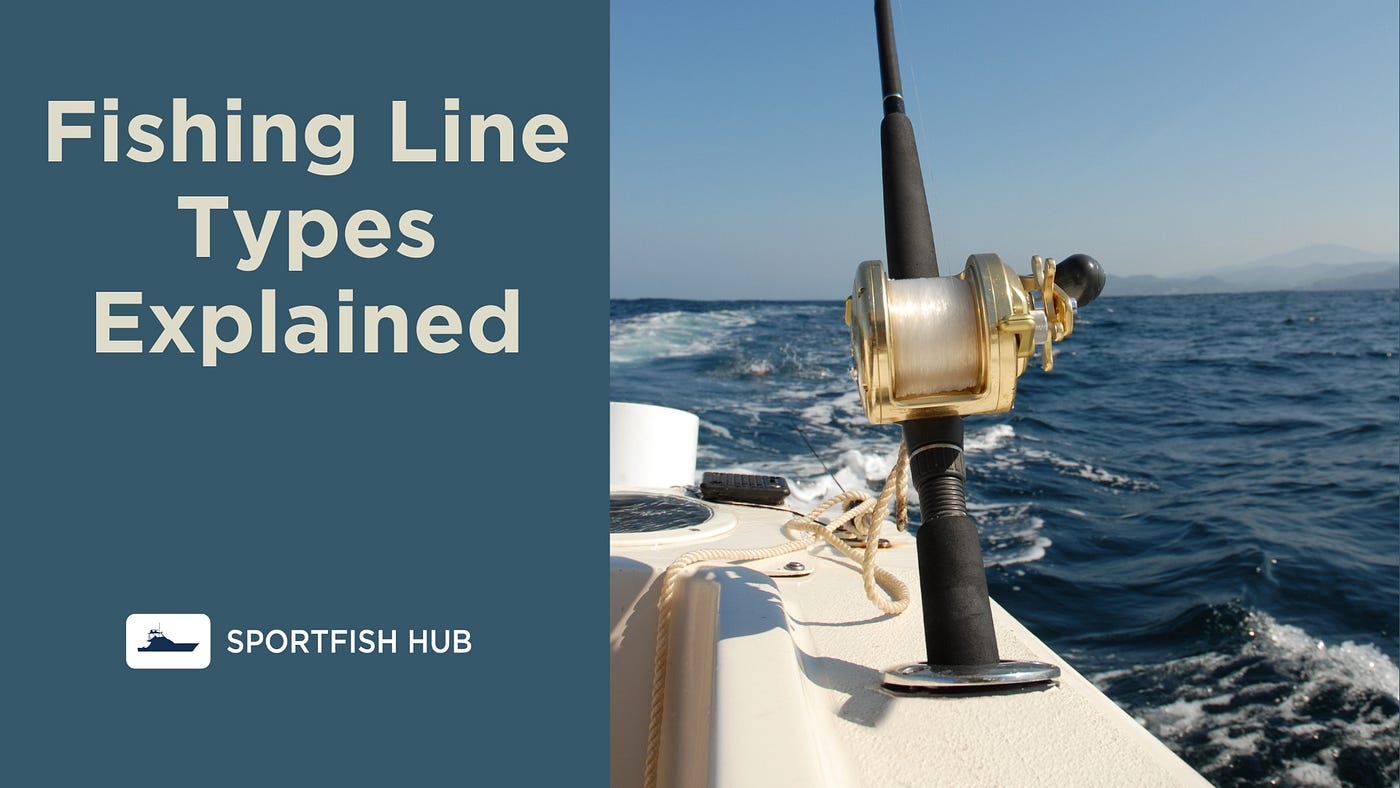
Credit: sportfishinghub.medium.com
Final Checks
After putting new line on your fishing rod, it is important to do final checks. These checks ensure your setup works well and stays safe during fishing.
Checking the line strength, drag settings, and line condition helps avoid problems while fishing.
Testing Line Strength
Test the line strength by pulling the line firmly. This shows if the line is tied well and can handle weight.
If the line slips or breaks easily, re-tie it with a stronger knot or use better quality line.
Adjusting Drag Settings
Set the drag to a level that lets the fish pull line without breaking it. Too tight drag can snap the line.
Turn the drag knob slowly and test by pulling the line with your hand. Find a smooth resistance level.
- Start with light drag for small fish
- Increase drag for bigger fish
- Adjust drag during fishing if needed
Inspecting For Twists Or Damage
Look along the line for any twists, knots, or frays. Twisted line can cause tangles and weak spots.
Replace or fix damaged parts to keep the line strong and smooth. Untwist the line by letting it hang freely.
Frequently Asked Questions
How Do I Choose The Right Fishing Line For My Rod?
Choose a line based on your rod’s weight rating and fishing style. Match line strength to target fish size. Consider line type: monofilament for versatility, fluorocarbon for invisibility, or braided for strength.
What Tools Are Needed To Put New Line On A Fishing Rod?
You need a fishing reel, new line spool, scissors or line cutter, and optionally a line spooler for even winding. Ensure the reel is clean and properly attached to the rod before starting.
How Do I Properly Attach The New Line To The Reel?
Thread the line through the rod guides and spool. Tie a secure arbor knot around the reel spool. Pull tight and trim excess. Ensure the line winds evenly without overlaps or twists.
How Much Line Should I Put On My Reel?
Fill your reel spool to about 1/8 inch below the rim. Too much line causes tangles; too little reduces casting distance. Check your reel manual for specific line capacity recommendations.
Conclusion
Putting new line on a fishing rod is simple and quick. Follow the steps carefully to avoid mistakes. Make sure the line is tight and secure. Check your knots before you start fishing. Changing your line often keeps your fishing gear ready.
Practice a few times to feel confident. Enjoy your time by the water with fresh line. Fishing becomes more fun and successful this way. Keep your rod and line in good shape. This small task makes a big difference.