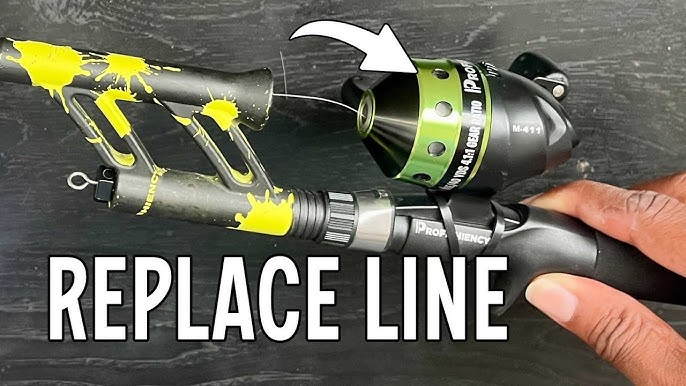
If you love fishing, you know how important it is to have your gear ready and reliable. One key part of that is putting new line on your fishing pole correctly.
It might seem tricky at first, but once you learn the right steps, it becomes simple and quick. In this guide, you’ll discover how to do it like a pro, so your line stays strong and ready for your next big catch.
Keep reading, and you’ll never worry about your fishing line again.

Credit: www.youtube.com
Choosing The Right Fishing Line
Picking the right fishing line is key to putting a new line on your fishing pole. The correct line helps you catch fish easily and keeps your gear in good shape.
This guide covers types of fishing lines, line strength and thickness, and what to consider for different fish.
Types Of Fishing Lines
Fishing lines come in several types. Each type has its own features and uses. Choose the type based on your fishing style and the water you fish in.
- Monofilament:Easy to handle and stretches well.
- Fluorocarbon:Almost invisible underwater and resists abrasion.
- Braided:Very strong and thin, with little stretch.
Line Strength And Thickness
Line strength tells how much weight the line can hold before breaking. Thickness affects casting distance and sensitivity.
| Line Strength (lb) | Line Thickness (mm) | Use |
| 2-6 | 0.10-0.20 | Small fish like trout |
| 8-12 | 0.20-0.30 | Medium fish like bass |
| 15-30 | 0.30-0.50 | Large fish like pike or catfish |
Considerations For Different Fish
Different fish need different lines. Match the line to the fish size and behavior to avoid losing your catch.
- Use light and thin lines for small, cautious fish.
- Stronger lines suit bigger, stronger fish.
- For fish with sharp teeth, use abrasion-resistant lines.
- Check local fishing rules about line types and strengths.

Credit: www.wikihow.com
Preparing Your Fishing Pole
Before putting new line on your fishing pole, prepare it well. This helps the line last longer and work better.
Proper preparation means removing old line, cleaning parts, and checking for any damage.
Removing Old Line
Start by taking off any old fishing line from the reel. This avoids tangles and ensures smooth casting.
- Cut the old line near the reel.
- Unwind the line slowly from the spool.
- Dispose of the old line properly to keep the environment clean.
Cleaning The Reel And Guides
Clean the reel and guides to remove dirt and salt. This keeps your pole working smoothly.
| Part | Cleaning Tip |
| Reel | Use a soft cloth and mild soap |
| Guides | Check for dirt and wipe gently |
| Handle | Wipe with damp cloth to remove grime |
Inspecting For Damage
Look over your fishing pole carefully. Check all parts for cracks or breaks.
- Examine the rod for dents or cracks.
- Check guides for bent or broken rings.
- Test the reel for smooth spinning.
- Replace or repair any damaged parts before adding new line.
Attaching The New Line
Fishing requires proper gear setup for a successful experience. Attaching a new line to your fishing pole is essential. Let’s learn how to do it effectively.
Understanding how to secure and spool the line prevents frustration. Correct methods help avoid twists and tangles.
Securing The Line To The Reel
Start by opening the bail of your fishing reel. This is the wire arm on the spool. It helps in releasing and winding the line easily.
Thread the new line through the rod guides. Secure the line to the reel using an arbor knot. This knot keeps the line attached firmly.
- Open the bail of the reel
- Thread the line through rod guides
- Tie an arbor knot to secure the line
Spooling The Line Properly
Close the bail after securing the line. Start turning the reel handle slowly to spool the line. Keep tension on the line to ensure even distribution.
Make sure the line is tight as it goes on the reel. This prevents loose loops that can cause problems later.
- Close the bail after securing
- Reel slowly to spool the line
- Keep tension on the line
Avoiding Line Twists And Tangles
Line twists can ruin your fishing trip. To avoid them, ensure the spool and reel line come off in the same direction.
If you notice twists, stop and let the line untwist. Occasionally check the line for tangles while spooling.
- Ensure spool and reel line match direction
- Let line untwist if needed
- Check for tangles while spooling
Adjusting Line Tension
Putting new line on a fishing pole needs proper tension. Adjusting tension helps the line stay tight and work well.
Good tension stops tangles and lets the line flow smoothly from the reel.
Setting Drag On The Reel
Drag controls how much force pulls the line from the reel. Set it just right to avoid line breaks.
Turn the drag knob slowly while pulling the line by hand. Stop when the line slips with steady pressure.
- Too tight drag can break the line
- Too loose drag may let fish escape
- Adjust drag based on the fish size
Checking For Smooth Line Flow
Pull the line off the reel to check if it flows easily. It should come out without jerks or snags.
Make sure the line spool spins freely and the guides on the pole are clear of dirt.
- Clean reel and guides for better flow
- Keep line tight but not too stiff
- Replace line if it feels rough or damaged
Testing Your Setup
After putting new line on your fishing pole, it is important to test your setup. This ensures your line is strong and ready for fishing.
Testing helps find any problems before you go fishing. It also improves your casting and catch chances.
Casting Practice
Practice casting in an open area to check your new line. This helps you see how the line moves and feels during a cast.
- Use light casts at first to avoid stress on the line.
- Watch the line for any twists or tangles.
- Try different distances to test line strength and control.
- Listen for any unusual sounds from the reel or line.
Troubleshooting Common Issues
Sometimes problems appear after putting on new line. Check these common issues to fix your setup quickly.
| Issue | Cause | Solution |
| Line tangles | Improper spooling or casting | Re-spool the line evenly and practice smooth casts |
| Line breaking | Weak knots or damaged line | Retie knots and inspect line for cuts |
| Line slipping on spool | Loose line or wrong spool tension | Tighten the line and adjust spool tension |
| Difficulty casting far | Line too heavy or wrong rod action | Try lighter line or adjust casting technique |

Credit: www.youtube.com
Maintaining Your Fishing Line
Keeping your fishing line in good shape helps you catch more fish. A well-maintained line lasts longer and works better.
Learn how to check, replace, and store your line properly to avoid problems on the water.
Regular Line Inspection
Look at your fishing line often for signs of damage. Small cuts or frays can cause it to break easily.
Check the line near the rod guides and the reel. These areas get the most wear.
- Look for nicks, cracks, or discoloration
- Feel for rough spots by running the line through your fingers
- Check for twists or tangles that may weaken the line
Replacing Line When Needed
Change your fishing line if it shows damage or gets old. Old line loses strength and can break easily.
Replace the entire spool to keep your line fresh and strong. This helps you avoid losing fish due to line failure.
- Replace line every season or after heavy use
- Use the right type and weight for your fishing style
- Always spool new line tightly and evenly on the reel
Storage Tips To Extend Line Life
Store your fishing line in a cool, dry place away from sunlight. Heat and UV rays damage the line.
Keep your reels covered or in cases to protect the line from dirt and moisture.
- Avoid storing line near chemicals or oils
- Loosen the drag on your reel to reduce pressure on the line
- Use line conditioner or protectant if available
Frequently Asked Questions
How Do I Remove Old Line From My Fishing Pole?
Cut the old line near the reel. Unwind and discard it carefully. Remove leftover pieces from guides. This ensures smooth new line installation and better casting performance.
What Type Of New Line Suits My Fishing Pole?
Choose line based on fishing style and target fish. Monofilament is versatile, braid offers strength, fluorocarbon is nearly invisible underwater. Check your pole’s specifications for recommended line weight.
How To Properly Spool New Line On A Fishing Reel?
Attach the line securely to the spool. Keep tension while winding. Fill the spool evenly without overfilling. This prevents tangles and line slippage during fishing.
How Often Should I Replace My Fishing Line?
Replace line after several uses or if damaged. Sunlight and water weaken line strength over time. Regular replacement improves casting accuracy and reduces breakage risk.
Conclusion
Putting new line on your fishing pole is simple and important. Follow the steps carefully to avoid mistakes. Use the right tools and quality fishing line for best results. Take your time to tie strong knots and check the line for damage.
A well-prepared fishing pole helps you enjoy fishing more. Practice makes perfect. Soon, changing your fishing line will feel easy and quick. Keep your gear ready and happy fishing!