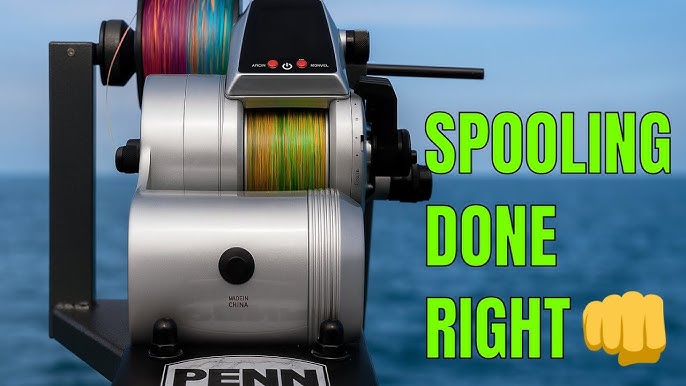
Are you struggling with tangled fishing lines or worn-out reels? Knowing how to put new line on your fishing reel can save you time, frustration, and improve your fishing experience.
Whether you’re a beginner or just need a refresher, this simple skill will help you cast farther and catch more fish. Keep reading, and you’ll learn step-by-step how to get your reel ready quickly and correctly, so you never miss a great catch again.
Choosing The Right Line
Putting a new line on your fishing reel starts with choosing the right type of line. The right line helps you catch fish more easily and avoid problems like tangles or breaks.
This guide covers types of fishing line, line strength and diameter, and how to match the line to your reel.
Types Of Fishing Line
There are several types of fishing line. Each type works better for different fishing styles and conditions.
- Monofilament:Flexible and easy to handle. Good for beginners.
- Fluorocarbon:Less visible underwater and more resistant to abrasion.
- Braid:Very strong and thin, but can be harder to knot.
Line Strength And Diameter
Line strength means how much weight the line can hold before it breaks. Diameter is the thickness of the line.
| Strength (lb test) | Diameter (inches) | Best Use |
| 4-8 | 0.006 – 0.010 | Light freshwater fishing |
| 10-20 | 0.012 – 0.018 | Medium freshwater and light saltwater |
| 30-50 | 0.020 – 0.035 | Heavy freshwater and saltwater fishing |
Matching Line To Reel
Check your reel’s line capacity before buying line. The reel label shows how much line it can hold for each strength.
- Use line strength suitable for the reel’s capacity.
- Thicker lines fill the spool faster but are stronger.
- Thinner lines let you spool more line on the reel.
- Match the line type with your fishing style and reel type.
Preparing The Reel
Before putting new line on your fishing reel, you need to prepare it carefully. This helps the line go on smoothly and last longer.
Preparing the reel includes cleaning, removing old line, and checking all parts. These steps make sure your reel works well.
Cleaning The Spool
Start by cleaning the spool to remove dirt and salt. Dirt can cause the line to wear out faster or tangle.
Use a soft cloth or brush with mild soap and water. Dry the spool completely before adding new line.
- Remove the spool from the reel
- Wipe off dirt and old grease
- Use a soft brush for tight spots
- Rinse with water if needed
- Dry with a clean cloth
Removing Old Line
Next, take off the old fishing line from the spool. Old line can be weak or tangled and can cause problems.
Pull the line slowly and carefully to avoid damaging the spool or reel. Dispose of the old line properly.
- Find the loose end of the line
- Pull the line off gently
- Check for any knots or tangles
- Cut away stubborn parts if needed
- Throw away the old line safely
Inspecting Reel Components
After cleaning and removing the old line, check the reel parts. Look for damage or wear that could affect performance.
Check the spool, drag system, and handle. Fix or replace any parts that look broken or rusty.
- Check spool for cracks or dents
- Test drag for smooth resistance
- Make sure the handle turns easily
- Look for rust or corrosion
- Clean or replace damaged parts
Attaching The New Line
Putting new line on your fishing reel is key for a good fishing trip. Attaching the new line correctly keeps it from slipping or tangling. This guide shows how to do it right.
Follow the steps below to secure the line, tie the proper knot, and make sure the knot stays tight during use.
Securing The Line To The Spool
First, start by threading the new line through the reel’s guides. Then, wrap the line around the spool to hold it in place. You need a strong hold before tying any knots.
- Pull the line tight against the spool
- Hold the line firmly with one hand
- Leave enough slack for tying the knot
- Check the line is flat and not twisted
Using The Arbor Knot
The arbor knot is the best choice to attach the line to the spool. It is simple and strong, reducing the chance of slipping. Follow these steps to tie it:
- Wrap the line around the spool once
- Tie an overhand knot with the tag end
- Make a second overhand knot on the tag end
- Pull both knots tight against the spool
- Trim any extra line close to the knot
Ensuring A Tight Knot
Keeping the knot tight is important for fishing success. Here is a quick checklist to ensure knot security:
| Action | Reason |
|---|---|
| Wet the line before tightening | Reduces friction and line damage |
| Pull knots slowly and firmly | Prevents slipping or loosening |
| Test knot by pulling hard | Checks strength before use |
| Trim tag end close | Avoids snagging and tangling |

Credit: windrider.com
Spooling The Line
Putting new line on a fishing reel needs care and patience. It helps the line to spool correctly. This keeps your fishing smooth and easy.
Many anglers face problems like line tangles and twists. These problems often come from poor spooling. Here are tips to spool your line properly.
Maintaining Tension
Keeping tension on the line while spooling stops loose loops. Loose line can cause tangles and knots later. Use your fingers or a cloth to hold the line tight.
- Ask a friend to hold the spool tight
- Wrap the line around your fingers for resistance
- Keep the line tight but do not stretch it
- Check tension often during spooling
Winding Evenly
Wind the line evenly across the spool width. This prevents bunching or thin spots. Move the line guide back and forth as you reel in.
| Common Problem | Cause | Fix |
|---|---|---|
| Line Bunching | Winding in one spot | Move line guide evenly |
| Thin Spots | Uneven tension | Maintain steady tension |
| Line Overfill | Too much line | Stop before spool is full |
Avoiding Line Twist
Line twist makes casting and reeling hard. To avoid it, let the line flow off the filler spool properly. Do not let the line loop or tangle before it reaches the reel.
- Use swivel connectors to reduce twist
- Keep the filler spool aligned with your reel
- Check line for twists during spooling
- Re-spool if you see loops or kinks
Final Checks
After putting new line on your fishing reel, it is important to do final checks. These checks help ensure your line works well and lasts long.
Take time to trim the excess line, test how the line moves, and adjust the drag settings properly.
Trimming Excess Line
Cut off any extra fishing line from the spool. Too much line can cause tangles and reduce casting distance.
Leave a small amount of line to avoid slipping, but keep it neat to avoid problems.
- Use sharp scissors or line clippers
- Cut close to the spool but leave about 1/8 inch
- Check the line end for frays and trim if needed
Testing Line Movement
Pull the line slowly from the reel to check its movement. The line should come out smoothly without sticking.
If the line feels rough or uneven, rewind it or check for knots and tangles.
- Pull line gently to test smoothness
- Look for any snags or catches
- Rewind line if it does not move well
Adjusting Drag Settings
Set the drag to control how much resistance the fish feels when pulling line. Proper drag prevents line breakage.
Turn the drag knob to tighten or loosen it. Test by pulling the line by hand to feel the resistance.
- Start with a medium drag setting
- Adjust drag to match your fishing line strength
- Test drag by pulling line gently and firmly

Credit: www.youtube.com
Common Mistakes To Avoid
Putting new line on a fishing reel seems simple but many make mistakes. These errors can cause line problems during fishing.
Knowing what to avoid helps your fishing line last longer and work better on the reel.
Overfilling The Spool
One common mistake is putting too much line on the spool. Overfilling causes tangles and line breakage.
Leave a small gap between the line and spool edge. This space prevents line from slipping off.
- Fill the spool to about 1/8 inch below the edge
- Do not pack the line too tight
- Check line level regularly while filling
Ignoring Line Twist
Line twist causes loops and knots that reduce casting distance. It also weakens the line.
Use methods to reduce twist, such as letting the line spin off the reel properly. Avoid reeling against the line tension.
- Use swivel connectors to prevent twist
- Keep line tension steady when filling
- Check for twists by letting line hang freely
Using Damaged Line
Old or damaged line breaks easily. It can cause you to lose fish or your gear.
Always inspect the line before putting it on the reel. Replace any line with nicks, cracks, or discoloration.
- Check the line for cuts or frays
- Do not use line exposed to sunlight for long
- Store line in a cool, dry place

Credit: www.youtube.com
Frequently Asked Questions
How Do I Choose The Right Fishing Line?
Choosing the right fishing line depends on your target fish and fishing environment. For freshwater, monofilament is popular due to its versatility. For saltwater, braided lines are durable and abrasion-resistant. Consider the line’s strength, visibility, and stretch to ensure a successful fishing experience.
What Tools Do I Need For Spooling?
For spooling a fishing reel, you’ll need a fishing line spool, scissors, and a pencil or similar object. A reel stand can help keep the spool steady. Some anglers also use line conditioners to reduce memory and tangling. These tools ensure a smooth and efficient spooling process.
How Can I Prevent Line Twisting?
To prevent line twisting, ensure the line feeds off the spool in the same direction it winds onto the reel. Keep tension on the line while spooling. Using a swivel can reduce twisting during fishing. Regularly check your line for twists and correct them immediately.
How Tight Should I Spool My Reel?
When spooling your reel, apply consistent tension to avoid loose coils or tangles. The line should be snug but not overly tight. Over-tightening can cause line memory or damage. If you’re unsure, consult your reel’s manual or seek advice from experienced anglers.
Conclusion
Putting new line on a fishing reel is simple and quick. Follow the steps carefully for best results. Use the right type of line for your reel and fishing style. Keep the line tight and avoid twists while winding. Check your work before you start fishing.
This helps prevent problems on the water. Enjoy your fishing with confidence and smooth casting. Practice a few times to get comfortable with the process. You’ll find it easier each time you change the line. Happy fishing!