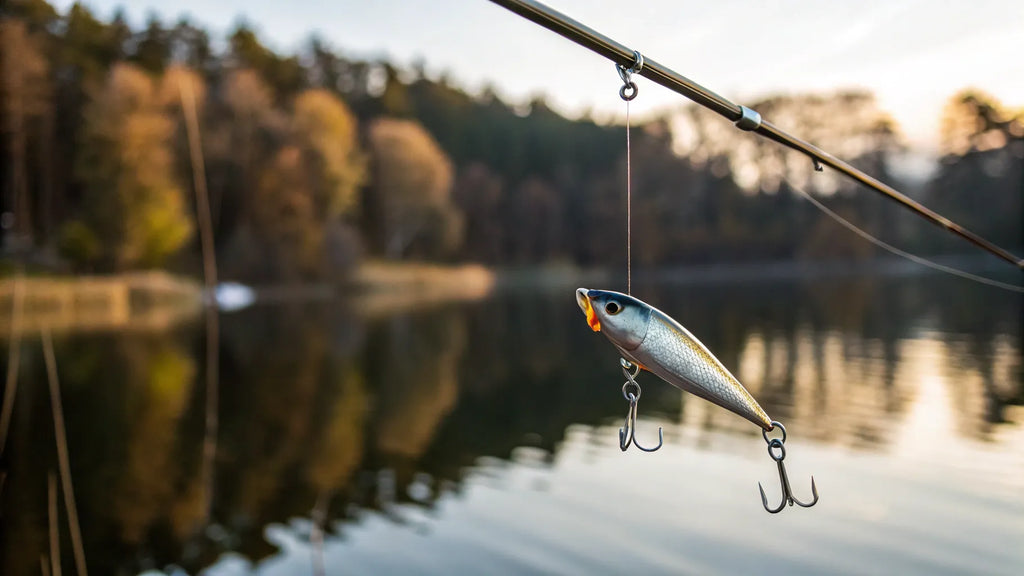
If you’ve ever struggled with fishing gear, you know that putting on a fishing lure can feel tricky at first. But once you get it right, it makes all the difference between a wasted day and a great catch.
In this guide, you’ll discover simple steps to attach your lure quickly and securely. By the end, you’ll be ready to fish like a pro and enjoy more success on the water. Keep reading to learn exactly how to put on a fishing lure with ease.

Credit: www.youtube.com
Choosing The Right Lure
Fishing lures come in many shapes and sizes. Picking the right one helps catch more fish.
Knowing how to match the lure to the fish and water makes fishing easier and more fun.
Types Of Fishing Lures
There are several common types of fishing lures. Each type works best for different fishing styles.
- Spinnerbaits spin to create flash and vibration.
- Crankbaits dive underwater and mimic small fish.
- Soft plastics look and move like worms or small prey.
- Jigs have a weighted head and attract fish near the bottom.
- Spoons reflect light and flutter when pulled through water.
Matching Lure To Fish Species
Different fish like different types of lures. Knowing this helps you catch the right fish.
For example, bass often go for crankbaits and jigs. Trout may prefer smaller spoons or flies.
- Bass: spinnerbaits, crankbaits, jigs
- Trout: spoons, small crankbaits, flies
- Pike: large spoons, big spinnerbaits
- Walleye: jigs, soft plastics
Considering Water Conditions
Water clarity and depth change which lure works best. Bright colors help in murky water.
In clear water, natural colors and slow movements attract fish more effectively.
- Clear water: natural colors, slow lures
- Murky water: bright colors, lures with vibration
- Deep water: lures that dive deep or sink fast
- Shallow water: floating or slow sinking lures

Credit: www.lurenet.com
Preparing Your Fishing Gear
Before you put on a fishing lure, get your gear ready. Proper preparation helps you fish better.
Check your tools and equipment so nothing is missing or broken. This saves time at the fishing spot.
Selecting The Proper Rod And Reel
Choose a rod and reel that fits the fish you want to catch. A light rod works for small fish.
Heavier rods are better for big fish and strong lures. Match the reel to your rod for balance.
- Use spinning rods for light lures and line
- Baitcasting rods suit heavier lures and lines
- Make sure the reel seat fits the rod
Checking Your Fishing Line
Look over your fishing line for any damage or weak spots. A strong line keeps your lure secure.
Replace old or frayed line. Use the right line strength for your lure and fishing style.
- Clear monofilament line is good for beginners
- Fluorocarbon line is less visible underwater
- Braid line offers high strength and low stretch
Gathering Necessary Tools
Collect tools that make putting on a lure easier. These tools help you work safely and fast.
Keep pliers, scissors, and extra hooks nearby. Organize them in a tackle box or pouch.
- Pliers to open and close split rings
- Scissors or line cutters to trim fishing line
- Extra hooks for replacements
- A small towel to clean your hands
Attaching The Lure
Attaching a fishing lure properly is important for a good fishing experience. A well-attached lure stays secure and works as it should.
This guide explains how to tie strong knots and secure your lure safely to avoid losing fish or gear.
Tying Strong Fishing Knots
Strong knots keep your lure attached and prevent line breaks. Choose knots that hold well and are easy to tie.
Popular knots like the Palomar knot and improved clinch knot work great for most lures.
- Palomar knot: simple and very strong
- Improved clinch knot: good for thin lines
- Loop knot: allows lure to move freely
Ensuring Secure Lure Attachment
Check the lure and line before casting. Make sure the knot is tight and the lure hangs straight.
Test the knot by pulling gently to see if it slips. Replace damaged lines or hooks for safety.
- Trim excess line after tying knots
- Attach lure to the line’s end securely
- Inspect hooks and rings for rust or damage
Avoiding Common Mistakes
Many anglers lose fish due to loose knots or wrong lure attachment. Avoid these errors to fish better.
Do not tie knots too close to the lure eye. Also, avoid using damaged lines or hooks.
- Do not skip moistening the line before tightening knots
- Do not tie knots too tight or too loose
- Do not use frayed or old fishing lines
- Do not attach lure to weak or small hooks
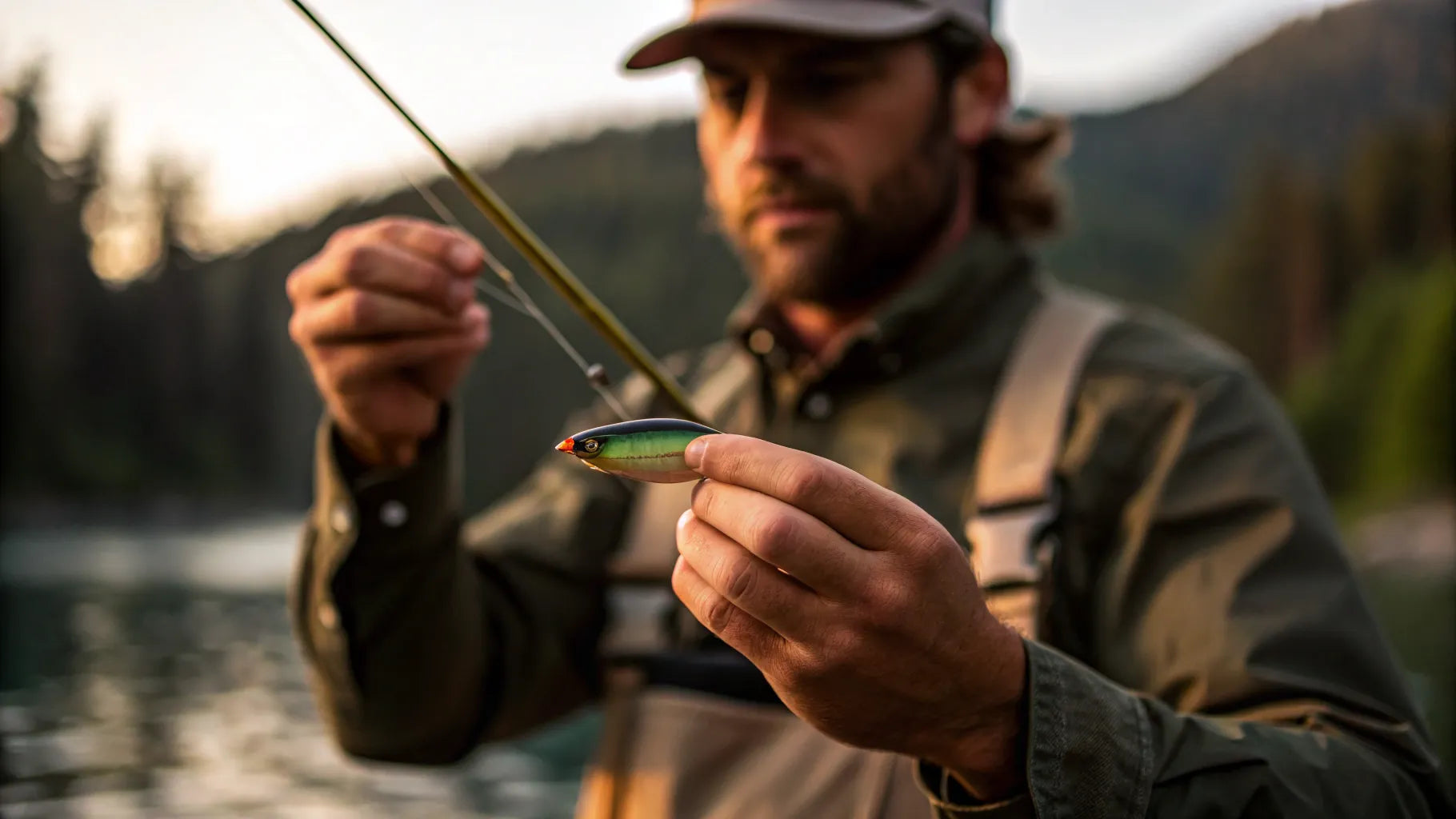
Credit: www.battlbox.com
Casting Techniques For Accuracy
Putting on a fishing lure is just the start. Casting with good aim helps you catch fish easier. You need to learn ways to cast your lure where fish are.
Accurate casting saves time and makes fishing more fun. Let’s look at simple tips to improve your casting accuracy.
Basic Casting Methods
There are easy ways to cast your lure. The most common is the overhead cast. It uses a smooth motion to send the lure forward. Sidearm casting works well when space is tight. It lets you cast low and avoid branches.
Try flipping and pitching for close targets. These moves help place the lure gently near cover or fish.
- Overhead cast for long, straight shots
- Sidearm cast for low, quick casts
- Flip and pitch for close, quiet drops
Improving Casting Distance
Good distance helps reach fish far from shore. Use a smooth, steady motion to build speed. Let the rod tip follow the lure’s path. Avoid jerky moves that slow the lure down.
Check your line for tangles. A clean line casts farther. Use lighter lures for easier long casts. Practice helps you find the best force to use.
- Smooth rod motion increases speed
- Keep the rod tip moving with the lure
- Use light lures for longer casts
- Clear line tangles before casting
Handling Different Casting Environments
Cast differently based on your surroundings. In open water, you can use full force for longer casts. Near trees or bushes, use gentle casts to avoid snagging.
Wind changes your cast path. Aim slightly against the wind to stay on target. Water currents also affect lure placement. Watch how the water moves and adjust your aim.
- Use full force in open water
- Cast gently near trees and bushes
- Aim against the wind
- Adjust for water currents
Maintaining Your Lure
Taking good care of your fishing lure helps it last longer. Proper maintenance keeps it working well in the water.
Simple steps like cleaning, storing, and checking your lure can save you money and improve your fishing trips.
Cleaning After Use
Always clean your lure after fishing. Salt, dirt, and fish slime can damage it over time.
Use fresh water and a soft cloth to remove any debris. Dry the lure fully before storing it.
- Rinse lure in fresh water
- Wipe with a soft cloth
- Let it dry completely
Storing Lures Properly
Keep your lures in a dry, cool place. Avoid direct sunlight to stop colors from fading.
Use tackle boxes with compartments to keep lures separate. This stops hooks from tangling and paint from chipping.
- Store in a tackle box with compartments
- Avoid damp or hot areas
- Keep away from sunlight
Inspecting For Damage
Check your lure before each use. Look for cracks, rust, or bent hooks that may affect performance.
Replace or fix damaged parts to avoid losing fish or hurting yourself.
- Look for cracks or chips
- Check hooks for rust or bends
- Repair or replace damaged parts
Frequently Asked Questions
How Do You Attach A Fishing Lure?
To attach a fishing lure, first thread your line through the lure’s eyelet. Then, tie a secure knot, such as the improved clinch knot. Ensure the knot is tight to prevent slipping. Trim any excess line for a neat finish.
This method ensures your lure stays attached effectively.
What Type Of Knot Is Best For Lures?
The improved clinch knot is popular for attaching lures. It is strong and reliable, ensuring your lure stays secure. This knot is easy to tie and works well with most fishing lines. Always test the knot’s strength before casting to prevent losing your lure.
How Do You Choose The Right Lure?
Choose a lure based on the fish species and water conditions. Match the lure’s color to the water clarity. Brighter colors work in murky waters, while natural colors suit clear water. Also, consider the lure’s size and action to mimic the prey of your target fish.
Can Beginners Easily Put On A Lure?
Yes, beginners can easily put on a lure with practice. Start by familiarizing yourself with basic knot-tying techniques. Follow step-by-step guides or watch tutorials for visual assistance. With patience and practice, you’ll quickly master attaching lures, enhancing your fishing experience.
Conclusion
Putting on a fishing lure is easier than it seems. Follow the steps carefully and take your time. Choose the right lure and secure it well to your line. This helps you fish better and catch more fish. Practice a few times to feel comfortable with the process.
Soon, it will become a quick and simple task. Enjoy your fishing trips with confidence and patience. Remember, small details make a big difference in fishing success. Keep trying, and good luck out on the water!