If you want to catch more fish, knowing how to properly put a hook on your fishing line is one of the most important skills you can learn. It might seem simple, but a poorly tied hook can mean losing your catch or missing a bite altogether.
You’ll discover easy step-by-step instructions that anyone can follow. By the end, you’ll feel confident setting up your line quickly and securely every time. Ready to improve your fishing game? Let’s dive in and get that hook tied perfectly.
Choosing The Right Hook
Picking the correct hook is important for a successful fishing trip. The right hook helps catch fish and keeps the bait secure.
This guide explains how to choose hooks by type, size, and material. Each factor affects your fishing experience.
Types Of Fishing Hooks
Fishing hooks come in many styles. Each type suits different fish and bait.
- J-Hooks:Classic shape, good for most fishing.
- Circle Hooks:Designed to hook fish in the corner of the mouth.
- Treble Hooks:Three hooks joined; used for lures and bigger fish.
- Siwash Hooks:Long shank hooks, often used for attaching to lures.
Selecting Hook Size
| Hook Size | Use For |
| Small (size 10-16) | Small fish and light bait |
| Medium (size 4-8) | Average fish and common bait |
| Large (size 1-3/0) | Big fish and heavy bait |
| Extra Large (size 4/0 and up) | Very large fish and big baits |
Choose the hook size to match the fish you want and the bait you use. Smaller hooks suit small fish. Larger hooks work for bigger fish.
Material Considerations
Hooks are made from different metals and coatings. Material affects strength and resistance to rust.
- Steel Hooks:Strong but can rust if not coated.
- Stainless Steel:Rust-resistant and durable.
- Carbon Steel:Very sharp and strong, may rust over time.
- Coated Hooks:Have layers to resist corrosion and reduce shine.
Preparing Your Fishing Line
Preparing your fishing line is important before putting on a hook. It helps you avoid problems while fishing.
Good preparation makes your line stronger and ready for catching fish safely.
Trimming The Line
Trim the fishing line to remove old or frayed ends. Use sharp scissors or a line cutter for a clean cut.
A straight, clean end helps you tie the hook securely without slipping or weakening the line.
Checking For Damage
Look closely at your fishing line for any cracks, nicks, or worn spots. Damaged lines can break easily.
Replace or cut out damaged sections to keep your line strong and reliable during fishing.
Selecting Line Type
Choose the right type of fishing line for your hook and fishing style. Different lines work best for different fish.
- Monofilament is stretchy and easy to handle
- Fluorocarbon is invisible underwater and strong
- Braid is very strong and thin for heavy fish
Common Knots For Hooks
Fishing hooks need to be tied securely to the line. Using the right knot keeps your hook strong and holds the fish well. Some knots are easier to tie and others offer more strength.
Here are three common knots used for attaching hooks to fishing lines. Each knot has its own way to tie and use.
Improved Clinch Knot
The Improved Clinch Knot is popular for its reliability. It works well with most fishing lines and hooks. This knot is simple and strong, perfect for beginners.
- Thread the line through the hook eye.
- Wrap the line around itself 5 to 7 times.
- Pass the end back through the small loop near the eye.
- Then pass the end through the big loop just created.
- Wet the knot and pull tight.
Palomar Knot
The Palomar Knot is known for its strength. It keeps the hook from slipping and works well with braided lines. This knot is easy to tie and very secure.
| Step | Action |
|---|---|
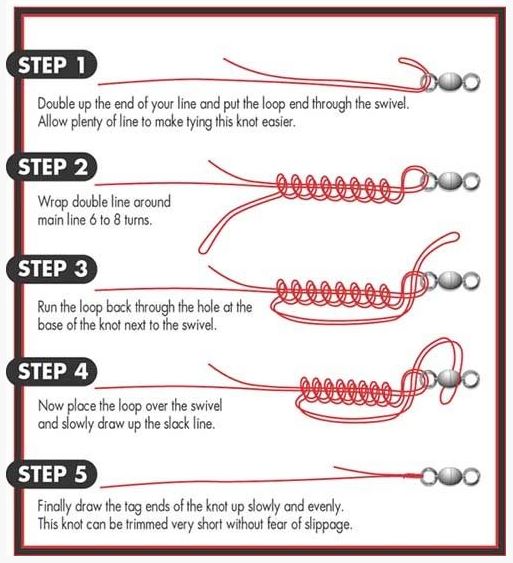
| 1 | Double the line and pass it through the hook eye. |
| 2 | Tie a loose overhand knot with the doubled line. |
| 3 | Pass the hook through the loop of the overhand knot. |
| 4 | Pull on both the standing line and tag end to tighten the knot. |
Snell Knot
The Snell Knot is ideal for attaching hooks in line with the fishing line. It gives a strong pull and keeps the hook straight. This knot is best for bait fishing.
- Pass the line through the hook eye from the front.
- Wrap the line tightly around the shank of the hook 5 to 7 times.
- Keep the coils neat and close together.
- Pull the tag end to tighten the wraps around the shank.
- Trim any extra line after tightening.
Credit: www.beadinggem.com
Step-by-step Hook Attachment
Attaching a hook to a fishing line is simple. Doing it right keeps your catch secure.
Follow these steps to tie a strong knot and prepare your line for fishing.
Threading The Line Through The Hook Eye
Start by passing the fishing line through the small hole at the hook’s top. This hole is called the eye.
Pull enough line through to have about six inches free for tying the knot.
Tying The Knot Securely
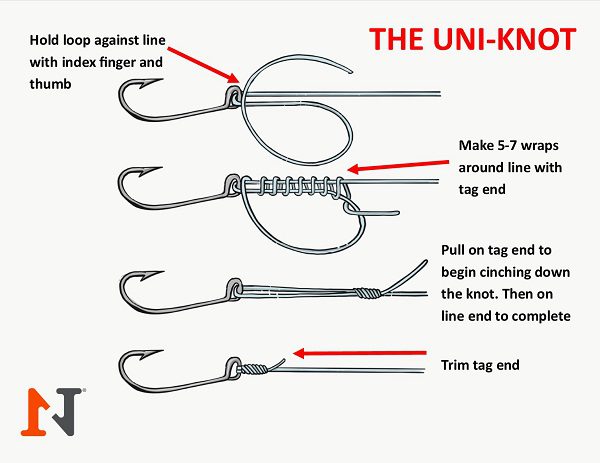
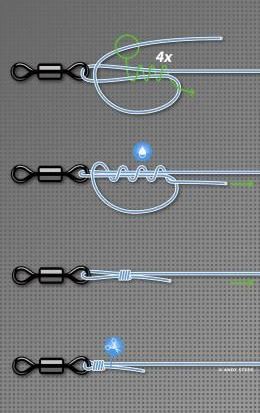
Make a simple loop with the free end of the line. Wrap this end around the main line five times.
Pass the free end back through the loop near the hook eye. Pull tight to form a firm knot.
- Thread line through hook eye
- Create a loop with the free end
- Wrap free end around main line five times
- Pass free end through the loop
- Tighten knot firmly
Testing Knot Strength
Pull the hook and line in opposite directions to test the knot. It should not slip or loosen.
If the knot moves, retie it. A strong knot keeps the hook secure while fishing.
Tips For Beginners
Putting a hook on a fishing line is a simple skill that helps you catch fish. Beginners should learn the basics to make sure the hook stays secure.
This guide shares easy tips to tie knots well, use tools, and keep your gear ready for fishing.
Practicing Knot Tying
Practice tying knots often to get better. Use soft rope or string before trying on your fishing line. This helps you feel confident and avoid mistakes.
- Start with simple knots like the improved clinch knot.
- Wet the line before tightening the knot to prevent damage.
- Pull the knot tight and trim excess line close to the knot.
- Practice tying knots quickly to save time while fishing.
Using Knot Tying Tools
Knot tying tools help beginners tie secure knots more easily. They hold the line steady and guide the hook through tight spots.
| Tool | Purpose | Benefit |
|---|---|---|
| Knot Tying Tool | Holds line while tying | Makes knot tying easier |
| Hook Threader | Helps pass line through hook eye | Saves time and frustration |
| Line Nippers | Trims excess line | Creates clean knots |
Maintaining Equipment
Keep your fishing gear in good shape to avoid problems on the water. Check your hooks and lines before every trip.
- Rinse hooks and lines with fresh water after use.
- Store hooks in a dry container to prevent rust.
- Replace old or damaged fishing lines regularly.
- Keep knot tying tools clean and dry.

Credit: www.reddit.com
Common Mistakes To Avoid
Putting a hook on a fishing line seems easy. Many beginners make simple mistakes that cause trouble.
These mistakes can cause lost fish or broken lines. Learn what to avoid for better fishing.
Loose Knots
Loose knots can slip and make you lose your hook or fish. Tight knots hold better and last longer.
Always pull the knot tight and wet it before final tightening. This stops friction and strengthens the knot.
- Check the knot by tugging firmly
- Do not leave gaps in the knot
- Practice tying knots to gain confidence
Wrong Hook Size
Using a hook that is too big or too small hurts your catch rate. The hook size must fit the fish you want.
Small hooks work for small fish but can bend on big fish. Big hooks may scare small fish away.
- Match hook size to bait size
- Check local fish species for hook advice
- Use medium hooks for mixed fishing
Weak Line Connections
Weak connections cause your line to break at the hook. This happens from poor knots or damaged line ends.
Trim damaged line before tying. Use strong knots and test your line before casting.
- Cut frayed line tips cleanly
- Use reliable knots like Improved Clinch or Palomar
- Test the knot by pulling hard before fishing
Credit: www.beadinggem.com
Frequently Asked Questions
How Do I Tie A Fishing Hook To The Line?
To tie a fishing hook, thread the line through the hook eye. Use a knot like the improved clinch knot. Tighten securely to prevent slipping. Trim excess line for a neat finish. This ensures your hook stays firmly attached during fishing.
What Is The Best Knot For Fishing Hooks?
The improved clinch knot is the best choice for hooks. It is strong, easy to tie, and reliable. This knot keeps the hook secure under tension. It works well with most fishing lines and hook sizes, making it popular among anglers.
Can I Use Any Fishing Line For Hooks?
Yes, but choose a line suitable for your fishing style. Monofilament lines are flexible and user-friendly. Fluorocarbon lines are less visible underwater. Braided lines offer high strength but need proper knots. Match line strength to your target fish for best results.
How Tight Should The Hook Knot Be?
The knot should be tight enough to prevent slipping. Pull firmly on the line to secure the knot. Avoid overtightening, which may weaken the line. Proper knot tension ensures reliable hook attachment and improves fishing success.
Conclusion
Mastering how to put a hook on a fishing line is essential. It can make your fishing trips more successful. Follow these steps carefully for the best results. Practice makes perfect. So, don’t get discouraged if it seems tricky at first.
Each time you fish, your skills will improve. Remember, safety is important. Handle hooks with care to avoid injury. Enjoy the process and the peace fishing brings. Happy fishing adventures await you with your new skills.