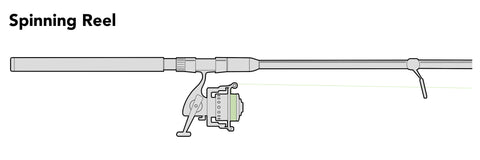
Are you ready to get your fishing rod ready for the next big catch? Knowing how to put string on a fishing rod is a skill every angler needs.
It might seem tricky at first, but with the right steps, you’ll have your line set up quickly and correctly. This guide will walk you through the process in simple, clear terms, so you can spend less time preparing and more time fishing.
Keep reading, and you’ll master this essential skill in no time.
Choosing The Right Fishing Line
Choosing the right fishing line is important for a good fishing experience. The line affects how well you can cast and catch fish.
There are many types of fishing lines. You should also think about the strength and thickness of the line. Different fish need different lines.
Types Of Fishing Line
There are three main types of fishing line. Each type has special uses and features.
- Monofilament:This line is flexible and easy to handle. It stretches well and is good for beginners.
- Fluorocarbon:This line is less visible underwater. It sinks fast and is good for clear water.
- Braid:This line is very strong and thin. It has little stretch and is good for heavy cover fishing.
Line Strength And Thickness
The strength of a fishing line is called its “pound test.” It tells how much weight the line can hold before breaking. The thickness affects casting distance and sensitivity.
| Line Type | Strength Range (pounds) | Thickness |
| Monofilament | 4 – 30 | Thicker |
| Fluorocarbon | 6 – 40 | Medium |
| Braid | 10 – 80 | Thinner |
Selecting Line For Different Fish
Different fish need different line strengths and types. Use the right line to catch fish easily and avoid line breaks.
- Small fish like trout or panfish: Use 4-8 pound monofilament or fluorocarbon.
- Medium fish like bass or walleye: Use 8-15 pound fluorocarbon or braid.
- Large fish like pike or catfish: Use 20-50 pound braid or heavy fluorocarbon.
Preparing Your Fishing Rod
Before putting string on your fishing rod, it is important to prepare the rod properly. Good preparation helps the string last longer and makes fishing easier.
Preparing includes cleaning, checking for damage, and setting up the reel. Each step ensures your rod works well.
Cleaning The Rod And Guides
Start by cleaning your rod and guides. Dirt and salt can build up and cause problems.
Use a soft cloth and warm water to wipe the rod and guides gently. Avoid harsh chemicals that can damage the rod.
- Wipe the rod from handle to tip
- Clean inside each guide carefully
- Dry the rod completely before use
Checking For Damage
Look over your rod for cracks, bends, or loose parts. Damage can cause the rod to break during fishing.
Check the guides for cracks or missing rings. Make sure the handle is secure and the rod is straight.
- Inspect the rod blank for cracks
- Check each guide for damage
- Test the handle for tightness
- Ensure the rod is not bent
Setting Up The Reel
Attach the reel to the rod securely. The reel holds the string and helps cast and retrieve it.
Make sure the reel seat is tight. Check the reel spool and prepare it for the string.
- Slide the reel foot into the seat
- Tighten the reel seat firmly
- Check the spool for smooth rotation
- Remove old string from the spool
Attaching The Line To The Reel
Attaching a line to your fishing reel is essential for a successful fishing trip. Follow these steps to ensure your line is secure and ready for use.
With the right technique, you can avoid common issues like tangles and twists. Let’s dive into the process.
Spooling The Line
Spooling the line correctly prevents tangles and ensures smooth casting. Start by threading the line through the rod guides.
- Open the bail arm of the reel.
- Tie the line to the spool with a knot.
- Close the bail arm and start winding the line onto the spool.
Securing The Line To The Reel
Securing the line is crucial to prevent it from slipping. Make sure the knot is tight and the line is evenly distributed on the spool.
Use an arbor knot to secure the line. An arbor knot is simple and effective for this task.
Avoiding Twists And Tangles
Twists and tangles can ruin your fishing experience. Use these tips to keep your line straight and tangle-free.
| Tip | Details |
| Keep the line tight | Maintain tension while spooling. |
| Check for twists | Look for loops and adjust as needed. |
| Use a line conditioner | Apply to reduce friction and tangles. |

Credit: www.reddit.com
Threading The Line Through Guides
Putting string on a fishing rod starts with threading the line through the guides. These are small rings along the rod.
Threading the line correctly helps it flow smoothly during casting and reeling.
Starting From The Tip
Begin threading the line at the tip of the fishing rod. This is the small guide at the very end.
Push the line through each guide one by one, moving from the tip toward the rod handle.
Ensuring Smooth Line Flow
Make sure the line passes straight through each guide without twisting. Twists can cause tangles and knots.
Keep the line tight but not too tight as you thread it through the guides. This keeps the line neat.
- Check each guide for damage or rough edges
- Keep the line straight through all guides
- Pull the line gently to avoid slack
Common Mistakes To Avoid
Do not start threading from the reel end. It causes line tangles and poor casting.
Avoid forcing the line through small or damaged guides. This can break the line or rod.
- Starting from the reel end instead of the tip
- Allowing the line to twist during threading
- Ignoring damaged or bent guides
- Pulling the line too hard through guides
Tying The Line To The Hook Or Lure
Tying the fishing line to the hook or lure is an important skill for any angler. A strong knot keeps your catch secure and prevents the line from slipping.
Different knots work best for different fishing situations. Learning a few good knots helps you fish with confidence and success.
Popular Fishing Knots
Some knots are very common and easy to learn. They hold well and are used by many anglers worldwide.
- Improved Clinch Knot
- Palomar Knot
- Loop Knot
- Uni Knot
- Snell Knot
Step-by-step Knot Tying
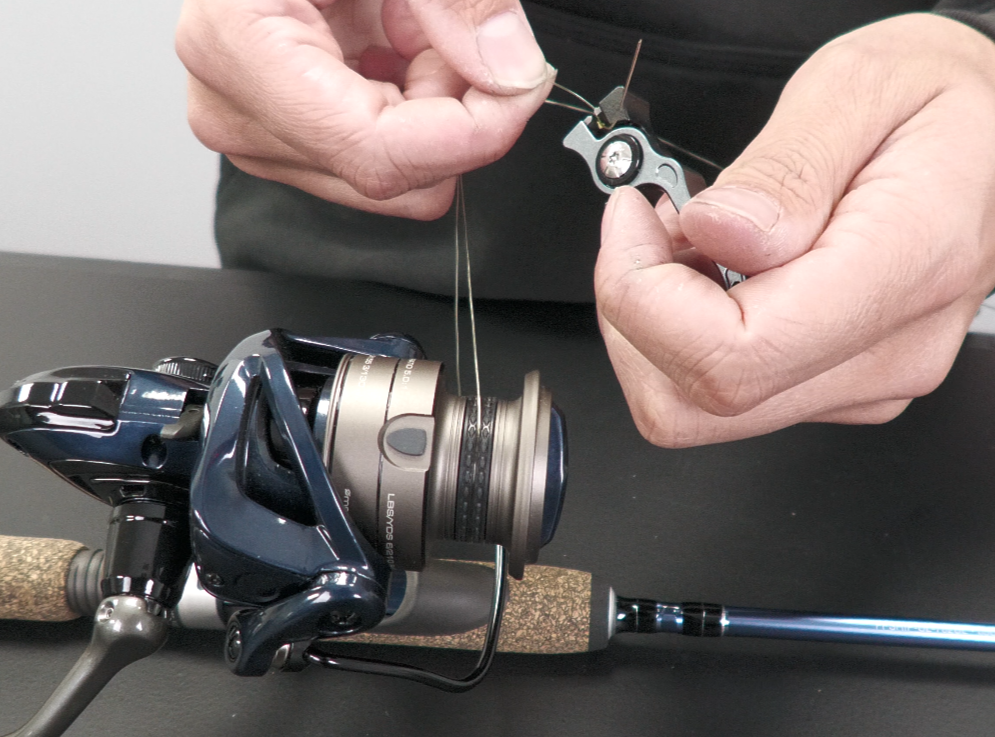
Start by threading the line through the hook eye. Leave enough length to work with.
Follow the steps carefully. Wrap the line and pull tight to create a secure knot.
- Thread the line through the hook eye.
- Wrap the tag end around the standing line.
- Make 5-7 wraps depending on the knot.
- Pass the tag end back through the loop.
- Moisten the knot with water or saliva.
- Pull the knot tight and trim the excess line.
Testing Knot Strength
Test the knot by pulling on the line hard. It should not slip or come undone.
Check knots regularly during fishing trips to avoid losing fish or tackle.
- Pull the line slowly and firmly.
- Watch for any slippage or loosening.
- Retie if the knot feels weak or loose.
- Use quality fishing line for best knot strength.
Credit: www.fishusa.com
Adjusting Line Tension And Length
Proper tension and length of the fishing line affect casting and fishing success. Adjusting these helps avoid tangles and improves control.
Follow these steps to set the right tension and trim the line correctly for a smooth fishing experience.
Setting Proper Tension
Start by pulling the line tight enough to remove slack but not too tight to restrict reel movement. Good tension lets the line flow smoothly.
- Hold the rod firmly in one hand.
- Use the other hand to pull the line gently.
- Adjust the reel drag to add or reduce tension.
- Test by casting lightly to check line flow.
Trimming Excess Line
Cutting off extra line prevents tangles and keeps the setup clean. Leave some line for knot tying but avoid too much slack.
| Action | Tip |
| Measure line length | Use rod length as guide |
| Cut line | Leave 2-3 inches beyond the knot |
| Use sharp scissors | Cut cleanly for better knots |
Final Line Inspection
Check the line for tightness and smoothness before fishing. Look for twists, slack, or weak spots that may cause breaks.
Inspect the line by:
- Running your fingers along the line to feel for uneven tension.
- Looking for any discoloration or damage.
- Ensuring the line sits properly on the reel without slack.
- Making a few test casts to confirm smooth release.
Maintenance Tips For Fishing Line
Keeping your fishing line in good shape helps you catch fish more easily. Proper care stops the line from breaking or wearing out fast.
These tips will help you take care of your fishing line and make it last longer on your rod.
Replacing Old Line
Old fishing line loses strength and can snap when you catch a fish. Change the line if it looks worn or has knots.
Remove the old line carefully and wind new line evenly on the reel. This keeps your fishing smooth and safe.
- Check line for cracks or discoloration
- Replace line at least once a year
- Use the right line strength for your fishing style
Storing Your Rod And Line
Store your fishing rod and line in a dry, cool place. Avoid direct sunlight to stop the line from weakening.
Keep the rod off the ground and avoid bending the line tightly. Proper storage saves your gear from damage.
- Use rod holders or racks for storage
- Keep line loose on the reel during storage
- Cover your rod with a protective case
Preventing Line Damage
Damage to your fishing line can come from sharp objects and rough handling. Be gentle when casting and reeling.
Check the line often during use. Replace or fix any damaged parts quickly to avoid losing fish.
- Avoid dragging line over rocks or sharp edges
- Keep your hands clean and free of dirt
- Use line conditioner to reduce friction

Credit: mossyoakgamekeeper.com
Frequently Asked Questions
How Do You Tie Fishing Line To A Rod?
To tie fishing line, thread it through the guides starting from the tip. Use a secure knot like the improved clinch knot to attach the line to the reel. Tighten the knot firmly to prevent slipping and trim excess line.
What Type Of Fishing Line Is Best For Rods?
Monofilament is versatile and easy for beginners. Fluorocarbon is nearly invisible underwater, ideal for clear water. Braided line offers strength and sensitivity. Choose based on fishing conditions and rod type for optimal performance.
How Much Fishing Line Should I Put On My Rod?
Fill the reel spool with line until it is about 1/8 inch below the spool’s rim. This prevents overfilling, which can cause tangles or casting issues. The exact length depends on your fishing needs and reel capacity.
How Do I Replace Old Fishing Line On My Rod?
Remove the old line by unwinding it from the reel. Inspect the rod and reel for damage. Thread new line through the guides, secure it to the reel with a knot, and wind it evenly onto the spool.
Conclusion
Putting string on a fishing rod is simple with the right steps. Follow the guide carefully and take your time. Check the line for any twists or tangles before use. A well-strung rod helps you fish better and enjoy more.
Practice a few times to feel confident and quick. Remember, patience makes a big difference in fishing success. Keep your gear ready and have fun out on the water.