Are you tired of your fishing line twisting and tangling every time you cast? Adding a swivel to your fishing line can solve that problem quickly and easily.
In this guide, you’ll learn exactly how to put a swivel on your fishing line the right way. With simple steps and clear tips, you’ll improve your fishing experience and spend less time fixing knots and more time catching fish.
Keep reading to discover the easy technique that every angler should know.

Credit: mysterytacklebox.com
Choosing The Right Swivel
Using a swivel on your fishing line helps prevent twists and tangles. Picking the right swivel is important for a smooth fishing experience.
Different swivels work better for different fishing styles and fish sizes. Learn about swivel types and sizes to choose the best one.
Types Of Swivels
Swivels come in various types. Each type has a different shape and use. Choose based on your fishing needs.
- Barrel Swivels:Common and simple, they rotate to stop line twists.
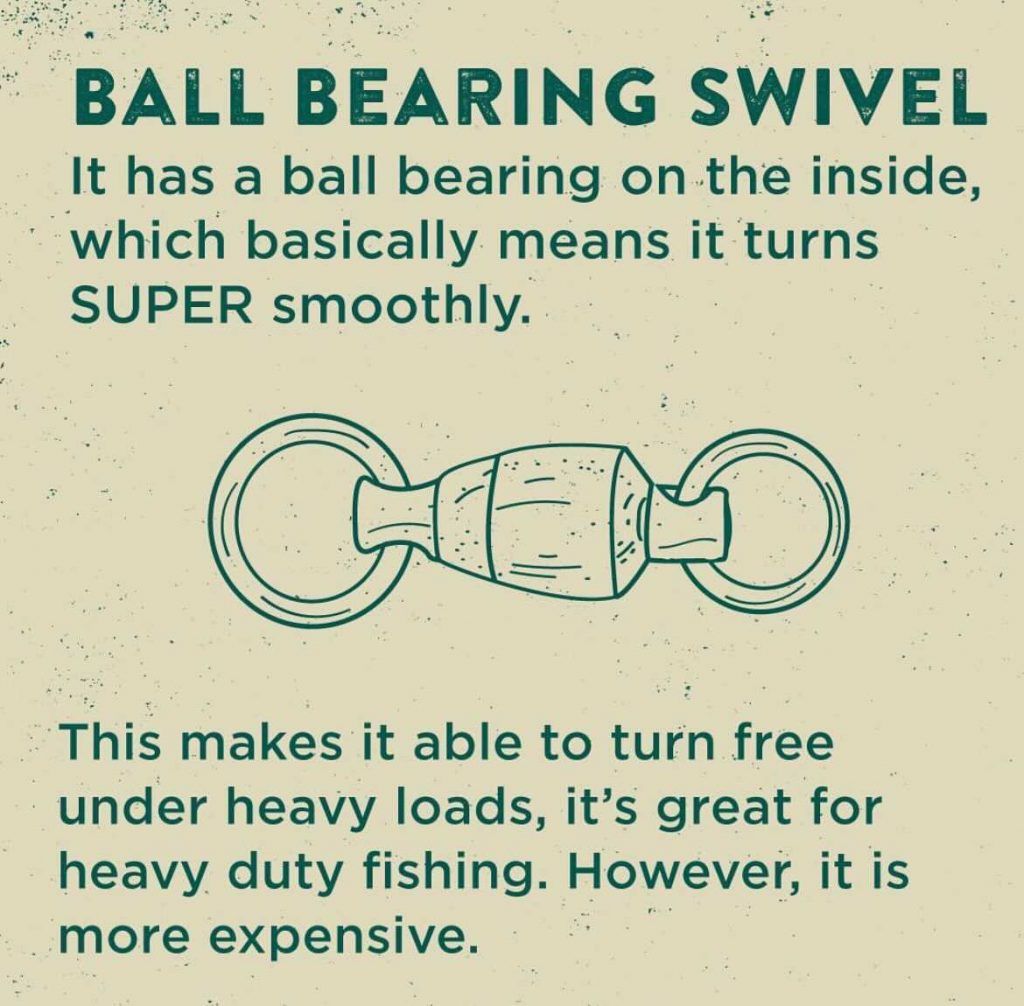
- Ball Bearing Swivels:Have ball bearings inside for smooth rotation and strength.
- Three-Way Swivels:Have three rings for attaching multiple lines or baits.
- Snap Swivels:Include a snap for quick lure changes.
Selecting Swivel Size
Swivel size depends on the fish you want to catch and the line strength. A small swivel suits light lines and small fish.
Use larger swivels for heavy lines and big fish. Too big a swivel can scare fish or add extra weight.
| Swivel Size | Line Strength (lbs) | Best For |
|---|---|---|
| Small (Size 10-14) | 2-6 | Panfish, trout |
| Medium (Size 6-8) | 8-15 | Bass, walleye |
| Large (Size 1-4) | 20-50 | Catfish, pike, saltwater fishing |
Preparing The Fishing Line
Preparing your fishing line is important before putting on a swivel. It helps ensure the swivel works well and lasts longer. This guide covers how to cut the line and check its condition.
Taking time to prepare the fishing line can make your fishing experience smoother. Good preparation prevents line breakage and keeps the swivel secure.
Cutting The Line
Cut the fishing line cleanly to avoid frayed ends. Use sharp scissors or a line cutter for a precise cut. A neat end helps the swivel attach firmly.
- Use sharp scissors or fishing line cutters
- Cut the line straight across, not at an angle
- Remove any damaged or frayed part before cutting
- Cut a length that fits your swivel and rig setup
Checking Line Condition
Check the fishing line for wear and tear before adding the swivel. Look for cracks, abrasions, or weak spots. Replace the line if it shows damage.
| Line Issue | What to Do |
|---|---|
| Fraying or fuzziness | Cut off damaged section or replace line |
| Discoloration | Inspect closely for weakness, replace if needed |
| Stiff or brittle areas | Discard line; it may break easily |
| Knots or tangles | Remove or cut out knots before use |
Basic Knot Techniques
Knowing how to tie knots is important for fishing. It keeps your hook and bait secure. Swivels help prevent line twists.
Using a swivel can make fishing easier. Learn these knots to attach swivels to your fishing line.
Improved Clinch Knot
The Improved Clinch Knot is strong and easy to tie. It is great for securing a swivel to your line.
First, pass the line through the swivel eye. Twist the line around itself five times.
- Thread the line back through the first loop near the swivel
- Bring it through the big loop you just made
- Wet the knot and pull it tight
Palomar Knot
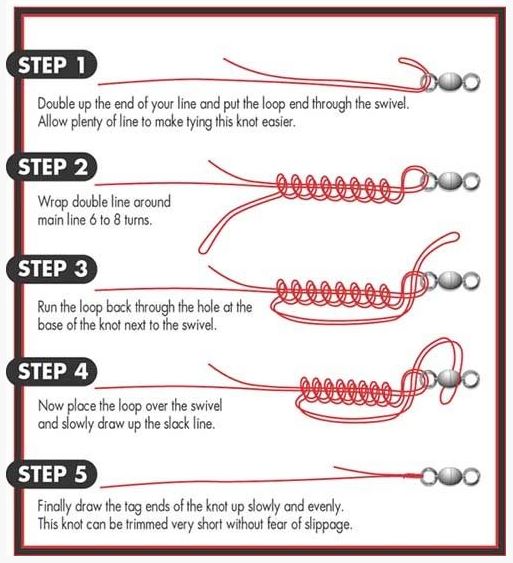
The Palomar Knot is simple and reliable. It works well with swivels and other terminal tackle.
To start, double about six inches of line and pass it through the swivel eye. Tie a loose overhand knot.
- Pass the swivel through the loop formed by the knot
- Moisten the line and pull both ends to tighten
- Trim the excess line
Step-by-step Swivel Attachment
Attaching a swivel to your fishing line helps prevent twists and tangles. This guide shows how to do it properly. Follow simple steps for a secure connection.
Use the right knot and trim the line neatly for best results. Each step is easy to follow and improves your fishing experience.
Threading The Swivel
Start by threading the end of your fishing line through the eye of the swivel. Pull enough line through to work with comfortably. Make sure the line is straight and free of knots before you continue.
Tying The Knot Securely
Use a strong knot to attach the swivel to the line. The improved clinch knot is a popular choice for this task. It holds well and is simple to tie.
- Pass the tag end of the line through the swivel eye twice.
- Wrap the tag end around the standing line five times.
- Thread the tag end through the small loop near the swivel eye.
- Pull the tag end gently to tighten the coils.
- Slide the coils down toward the swivel and pull tight.
- Moisten the knot with water or saliva before tightening fully.
Trimming Excess Line
Trim the extra tag end close to the knot. Leave about 2 to 3 millimeters to avoid slippage. Use sharp scissors or nail clippers for a clean cut.
| Tool | Purpose |
|---|---|
| Sharp scissors | Cut tag end neatly |
| Nail clippers | Trim small excess line |
| Moistener (water/saliva) | Help knot tighten smoothly |
Testing The Connection
After attaching a swivel to your fishing line, it is important to test the connection. This ensures the knot is secure and will hold under pressure.
Testing helps avoid losing fish or gear because of weak knots. Use simple methods to check if the swivel is firmly attached.
Pulling For Strength
Pull the line and swivel connection hard but steady. This shows if the knot can handle tension during fishing.
- Hold the swivel in one hand.
- Use the other hand to pull the line away from the swivel.
- Pull until you feel strong resistance or the knot slips.
- If the knot holds, it is strong enough for fishing.
- If it slips or breaks, retie the knot securely.
Inspecting For Slippage
Look closely at the knot and line near the swivel. Check for any signs of slippage or loosening.
| Signs to Check | What They Mean |
| Line sliding through the knot | Swivel may come loose during use |
| Frayed or damaged line near knot | Weak spot that can break under pressure |
| Uneven knot tightening | Knot may fail, retie carefully |
| No movement or damage | Connection is strong and secure |
Credit: www.beadinggem.com
Tips For Durable Ties
Tying a swivel to your fishing line correctly makes your setup stronger. Durable ties help prevent line breakage and lost fish.
Using simple techniques can improve your knot strength and keep your gear working well on every trip.
Moistening The Line
Moistening the fishing line before tightening the knot reduces friction and heat. This helps protect the line and makes the knot hold better.
- Use clean water or saliva to wet the line.
- Moisten the line right before pulling it tight.
- Avoid using oil or other substances that can weaken the line.
- Keep the line wet while tying to stop it from fraying.
Avoiding Over-tightening
Pulling the knot too hard can damage the fishing line. Over-tightening may cause the line to weaken or break.
| Common Problems | How to Avoid |
| Line damage from too much force | Tighten slowly and gently |
| Knot slips or loosens | Moisten line before tightening |
| Line frays at knot | Handle line carefully during tying |

Credit: mysterytacklebox.com
Frequently Asked Questions
How Do You Attach A Swivel To Fishing Line?
To attach a swivel, thread the line through the swivel eye. Tie a secure knot like the improved clinch knot. Trim excess line. This prevents line twisting and tangling during fishing.
Why Use A Swivel On Fishing Line?
A swivel reduces line twist caused by lure or bait movement. It enhances casting and retrieval. It also prevents tangles, improving overall fishing efficiency.
What Knot Is Best For Tying Swivels?
The improved clinch knot is best for tying swivels. It’s strong, easy to tie, and reliable. This knot ensures your swivel stays securely attached to the line.
Can Swivels Improve Fishing Line Durability?
Yes, swivels reduce line twist and stress, extending line life. They prevent weak spots caused by constant twisting, enhancing durability and performance.
Conclusion
Putting a swivel on your fishing line helps reduce twists and tangles. It makes your fishing experience smoother and more enjoyable. Just follow the simple steps carefully. Practice a few times to get comfortable. With patience, you will attach swivels quickly and correctly.
Keep your line strong and ready for any catch. Remember, good setup leads to better fishing results. Try it next time you go fishing. You will notice the difference right away.