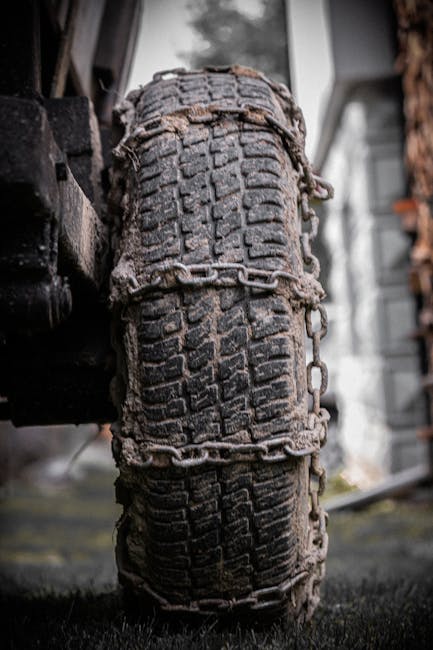
When winter roads get icy and slippery, having tire chains can be a real lifesaver. But if you’ve never put them on before, the process might seem tricky or even intimidating.
Don’t worry—you’re about to learn a simple, step-by-step method that anyone can follow. By the end of this guide, you’ll feel confident and ready to tackle snowy roads safely. Keep reading, and you’ll discover how easy it is to protect your car and stay in control when the weather turns tough.

Credit: www.familyhandyman.com
Choosing The Right Tire Chains
Using tire chains improves your car’s grip on snowy and icy roads. Picking the correct chains is important for safety and performance.
In this guide, we explain how to select the right tire chains based on type, tire size, and legal rules.
Types Of Tire Chains
Tire chains come in different styles. Each type has its benefits and suits certain conditions.
- Link Chains:Made of metal links, they offer strong traction and durability.
- Diamond Chains:Form a diamond pattern for smooth rides and good grip on ice.
- Cable Chains:Use steel cables instead of links, are lighter and easier to install.
- Polymer Chains:Made from plastic materials, these are quieter and cause less tire wear.
Matching Chains To Tire Size
It is important to find chains that fit your tire size exactly. Wrong size chains can damage your tires or car.
| Tire Size | Chain Size Needed | Notes |
|---|---|---|
| 195/65R15 | Medium | Common for small to mid-size cars |
| 225/70R16 | Large | Fits many SUVs and trucks |
| 265/75R17 | Extra Large | Used for heavy trucks and off-road vehicles |
Legal Requirements And Restrictions
Some areas have laws about tire chains. These rules protect road surfaces and ensure safety.
- Check local laws before using chains on public roads.
- Some places require chains only during certain months or weather conditions.
- Chains may be banned on highways or in urban areas.
- Use chains only on tires allowed by your vehicle’s manufacturer.
Credit: www.familyhandyman.com
Preparing Your Car
Putting tire chains on your car needs good preparation. It helps to do the job safely and correctly. Before starting, you must get your car ready.
Preparing your car includes finding a safe place, gathering tools, and checking the tires. Each step is important to avoid accidents and damage.
Finding A Safe Spot To Install
Choose a flat and stable area to install tire chains. Avoid hills or busy roads. A safe spot gives you space to work and keeps you away from traffic.
Turn on your hazard lights to alert other drivers. Make sure the car is in park and the parking brake is on. This stops the car from moving while you install chains.
Gathering Necessary Tools
Collect all tools before you start. Having everything ready saves time and trouble. You will need tools to help fit the chains and secure them tightly.
- Tire chains
- Gloves to protect your hands
- Flashlight if it is dark
- Chain tensioners or tighteners
- Car jack (optional, for some vehicles)
- Owner’s manual for reference
Checking Tire Condition
| Tire Aspect | What to Check | Why It Matters |
|---|---|---|
| Tread Depth | At least 4/32 inch deep | Good grip on snowy or icy roads |
| Tire Pressure | Check with a gauge | Proper inflation helps chains fit well |
| Damage | No cuts or bulges | Unsafe tires may fail under chain pressure |
| Size | Match tire and chain size | Wrong size chains can cause damage |
Installing Tire Chains
Tire chains help your car get better grip on snow and ice. Putting them on right keeps you safe on slippery roads.
Follow these steps to install tire chains quickly and correctly. Make sure to practice before winter driving.
Laying Out The Chains
Find a flat and safe place to stop your car. Lay the chains flat on the ground without tangles.
Check the chains for any damage. Make sure they are fully untangled and ready to use.
Positioning Chains On Tires
Drive the car slowly onto the chains. The tire should be centered over the chains and resting on them.
Stop when the chains are under the tire’s bottom edge. This helps wrap the chains around the tire evenly.
Securing Chains Properly
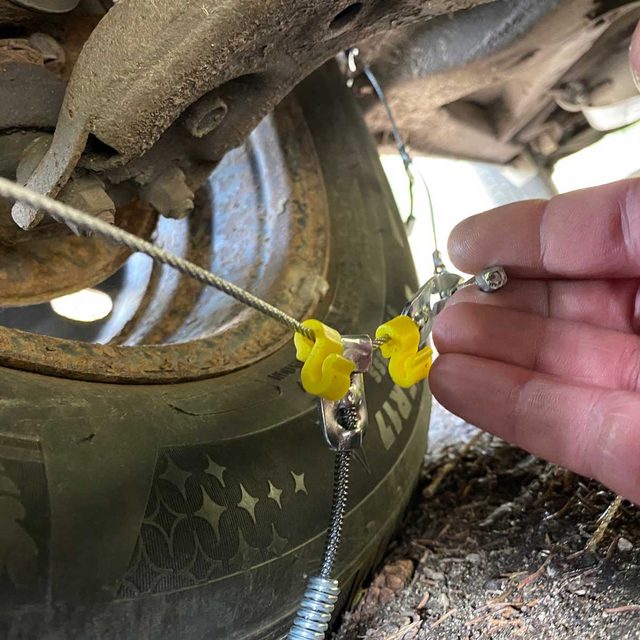
Pull the chains up and around the tire. Connect the hooks or fasteners on the inside and outside of the tire.
Make sure all hooks are fastened tightly. Loose chains can damage your car or fall off.
- Connect inside hooks first
- Then connect outside hooks
- Check all fasteners are locked
Adjusting For Tight Fit
Drive the car forward a few feet. Stop and check the chains again for tightness.
Use tensioners or adjusters to remove slack. Tight chains work best and avoid slipping.
- Move car slightly to settle chains
- Tighten chains with tensioners
- Check for any loose links

Credit: www.youtube.com
Testing And Driving With Chains
After putting tire chains on your car, it is important to test them. Testing helps make sure the chains fit well and work safely. Driving with chains needs care and attention to avoid damage.
This guide explains how to check your chains, drive safely, and when to remove them for the best results.
Performing A Safety Check
Check the chains before driving to make sure they are tight and secure. Loose chains can cause damage to your car or fall off on the road.
Look for any broken links or parts that might cause problems. Make sure the chains cover the tire evenly without slipping.
- Tighten chains after driving a short distance.
- Look under the car for loose ends or damage.
- Ensure chains do not touch brakes or suspension parts.
- Check tire pressure and chain fit regularly.
Driving Tips With Chains
Drive slowly when using tire chains. High speeds can damage the chains and car tires. Keep your speed under 30 mph (50 km/h).
Avoid sudden stops and sharp turns. Be gentle with the gas and brakes to keep control on snow or ice-covered roads.
- Drive smoothly and avoid quick acceleration.
- Keep a longer distance between vehicles.
- Listen for unusual sounds that may show chain problems.
- Do not use chains on dry pavement to prevent damage.
When To Remove Chains
Remove tire chains when you reach clear, dry roads. Chains can damage the road and your tires if used on dry pavement.
Also, take them off if the weather improves and you no longer need extra traction. Driving without chains on dry roads is safer and quieter.
- Remove chains on dry, clear roads.
- Do not drive with chains on highways or fast roads.
- Store chains in a dry place after use.
- Check chains for damage before next use.
Maintaining And Storing Tire Chains
Tire chains help improve car traction on snow and ice. Keeping them clean and stored properly extends their life. This guide covers how to maintain and store your tire chains after use.
Following these steps prevents rust and damage. It also makes sure your chains are ready for the next winter drive.
Cleaning After Use
After driving with tire chains, remove them carefully. Dirt, salt, and moisture can cause rust and wear. Clean the chains well to keep them in good condition.
- Rinse chains with water to remove mud and salt.
- Use a brush to scrub off stuck debris.
- Dry chains thoroughly with a cloth or air dry in a warm place.
- Do not leave chains wet or dirty before storing.
Inspecting For Damage
Check your chains for broken links, bent parts, or rust spots. Inspect the hooks and fasteners for wear. Fix or replace damaged sections to avoid failure on the road.
| Part | What to Check | Action |
| Links | Cracks, breaks, rust | Repair or replace |
| Hooks | Loose or bent | Adjust or replace |
| Fasteners | Wear or missing parts | Replace as needed |
Proper Storage Techniques
Store tire chains in a dry and cool place. Avoid places with high humidity. Keep chains in a sealed container or bag to protect from dust and moisture.
Tips for storing tire chains:
- Make sure chains are completely dry before storing.
- Use a plastic bag or container to keep them clean.
- Label the storage container for easy finding next season.
- Keep chains away from direct sunlight and heat sources.
Frequently Asked Questions
How Do I Choose The Right Tire Chains For My Car?
Select chains that fit your tire size exactly. Check your car manual for recommended chain types. Consider chain material and ease of installation. Proper fit ensures safety and better traction on snow or ice.
When Is The Best Time To Install Tire Chains?
Install tire chains before driving on snowy or icy roads. Avoid waiting until conditions worsen. Installing chains early prevents tire damage and improves vehicle control in slippery conditions.
Can I Drive Fast With Tire Chains On?
No, driving speed should be under 30 mph with chains. Slower speeds prevent chain damage and improve safety. Always follow manufacturer speed recommendations to avoid accidents.
How Do I Remove Tire Chains Safely?
Park on a flat surface and turn off the engine. Release chain tension carefully and remove chains one side at a time. Store chains properly to avoid rust and damage.
Conclusion
Tire chains help your car drive safely on snow and ice. Putting them on is easier than it seems. Practice a few times before you need them. Check the chains fit tightly and don’t touch the brakes or body. Drive slowly and carefully once chains are on.
Remember to remove chains when roads clear. Stay safe and prepared during winter driving. Simple steps make a big difference in harsh weather. Keep these tips in mind for smooth, secure rides.