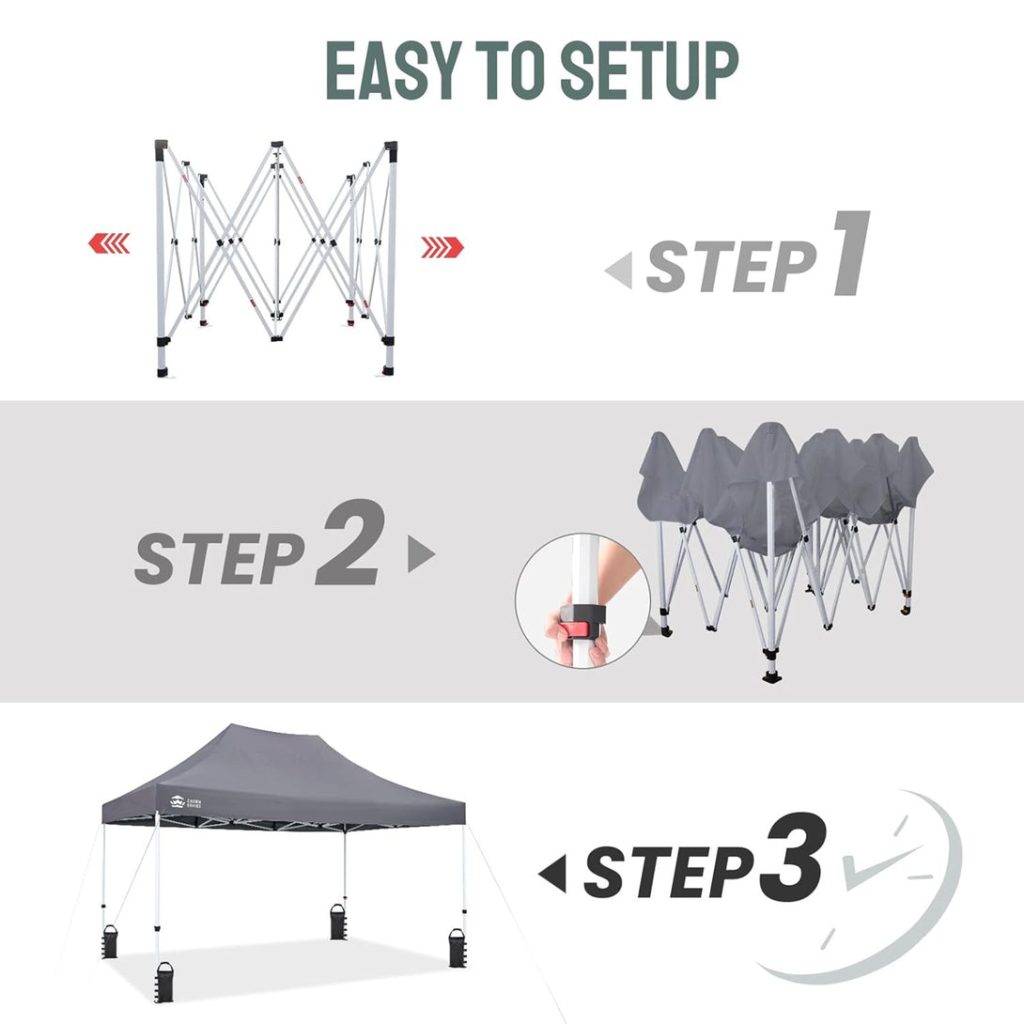
Setting up a canopy tent might seem tricky at first, but with the right steps, you can have it ready in no time. Imagine enjoying shade and shelter at your next outdoor event without stress or hassle.
This guide will show you exactly how to put up your canopy tent quickly and safely, so you can focus on having fun. Keep reading, and you’ll feel confident handling your tent like a pro.

Credit: www.ergodyne.com
Choosing The Right Canopy Tent
Picking the right canopy tent makes your outdoor event easier. A good tent protects you from sun and rain.
Think about the place, weather, and how many people will use the tent before buying one.
Types Of Canopy Tents
There are many canopy tent styles. Each works well for different needs and spaces.
- Pop-up tents:Easy to set up and move. Good for quick events.
- Frame tents:Strong with no center poles. Great for big spaces.
- Marquee tents:Stylish and large. Used for weddings and parties.
- Inflatable tents:Light and fast to set up. Use air to stay up.
Selecting The Proper Size
Choose a tent size based on how many people will use it. Leave space for chairs and tables.
Too small tents feel crowded. Too big tents can be hard to move and set up.
- Small tents: Fit 2 to 4 people. Good for shade or small stops.
- Medium tents: Fit 6 to 10 people. Work for family picnics or small parties.
- Large tents: Fit 10+ people. Use for big events or group gatherings.
Materials And Durability
Strong materials keep your tent safe in wind and rain. Look for good fabric and frame parts.
Check if the fabric is waterproof and blocks the sun well. Metal frames last longer than plastic ones.
- Fabric:Polyester and vinyl are common. Vinyl is tougher and waterproof.
- Frames:Steel frames are strong. Aluminum frames are light and rust-proof.
- Joints:Look for solid welds or strong connectors. Avoid weak plastic parts.
Credit: www.vevor.com
Preparing For Setup
Setting up a canopy tent starts with good preparation. This helps the process go smoothly and safely.
Before you begin, check the area, gather your tools, and inspect the tent parts carefully.
Checking The Site
Pick a flat and clear area to put your canopy tent. Avoid places with sharp objects or uneven ground.
Make sure the spot is free from overhead wires and low branches. This keeps the tent safe and stable.
- Look for a level surface
- Clear away rocks, sticks, and debris
- Check for overhead hazards
- Consider wind direction and shade
Gathering Necessary Tools
Collect all tools needed to set up the canopy tent. Having tools ready saves time and effort.
Common tools include a mallet, stakes, ropes, and a measuring tape. Check your tent instructions for specifics.
- Mallet or hammer for stakes
- Tent stakes and ropes
- Measuring tape to mark space
- Gloves to protect your hands
Inspecting Tent Components
Look over all the tent parts before starting. Make sure nothing is missing or damaged.
Check the frame, canopy fabric, and connectors. Fix or replace broken pieces to avoid problems later.
- Check the frame for cracks or bends
- Inspect fabric for tears or holes
- Test zippers and Velcro closures
- Ensure all connectors and pins are present
Setting Up The Frame
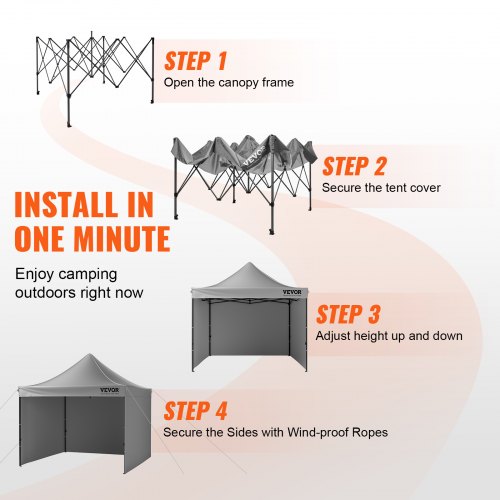
Setting up a canopy tent starts with the frame. The frame gives the tent its shape and stability. Let’s see how you can do it easily.
Follow these steps to ensure your canopy tent frame is secure and ready for use.
Unfolding The Frame
First, take the frame out of the bag. Place it on the ground. Make sure there is enough space around you.
Then, gently pull apart the corners. This will start to unfold the frame. Be careful not to force it.
- Check for any entangled parts
- Ensure all parts are free to move
- Have someone help if the frame is big
Locking The Joints
After unfolding, lock the joints. The joints hold the frame in place. This step is crucial for stability.
Push up the center of the frame. You should hear a click. This sound means the joints are locked.
- Ensure all joints are secure
- Double-check each corner
- Ask someone to hold the frame steady
Adjusting Height
Once the frame is stable, adjust the height. Most frames have adjustable legs. Find the height that suits your needs.
Lift each leg to the desired height. Lock them into place. Make sure all legs are even.
- Adjust all legs equally
- Ensure the frame is level
- Check the locks on each leg
Attaching The Canopy Cover
Putting up a canopy tent starts with attaching the canopy cover. This step helps protect you from sun and rain. It also gives the tent its shape.
Follow these tips to attach your canopy cover correctly. Proper attachment keeps the cover tight and secure.
Aligning The Canopy
First, spread the canopy cover over the tent frame. Make sure the cover is right side up. The edges should line up with the frame poles.
Check the corners and sides to ensure the cover fits evenly. Adjust the cover to avoid wrinkles or folds.
Securing The Corners
Attach the canopy cover at each corner of the frame. Use the straps, hooks, or Velcro tabs on the cover. These hold the cover in place.
Tie or clip the corners tightly to prevent the cover from slipping. Secure corners help keep the canopy stable in wind.
- Find the loops or straps on each corner of the cover
- Connect them to the frame’s corner hooks or poles
- Pull tight and fasten securely
Tightening The Fabric
After securing the corners, pull the fabric tight along the sides. This removes slack and makes the canopy smooth.
Use any extra straps or ties to tighten the fabric further. A tight canopy is less likely to flap in the wind or collect water.
- Pull the fabric gently but firmly along each side
- Fasten any side straps or Velcro tabs
- Check for loose spots and adjust as needed
Anchoring And Stabilizing
Setting up a canopy tent is easy with the right anchoring and stabilizing methods. This keeps the tent safe and secure during use.
Proper anchoring helps the tent resist wind and prevents it from moving or tipping over.
Using Stakes And Weights
Stakes and weights hold the canopy tent firmly to the ground. Stakes are best for soft surfaces like grass or dirt.
- Push stakes into the ground at an angle for better grip.
- Use heavy-duty stakes for strong winds.
- Place weights on legs if you are on concrete or hard surfaces.
- Sandbags or water weights work well for extra stability.
Securing With Ropes
Tie ropes from the tent frame to fixed points for extra support. This adds tension and prevents movement.
| Rope Type | Best Use | Tip |
| Nylon | Outdoor, strong hold | Check for frays before use |
| Polypropylene | Water-resistant, budget-friendly | Replace if exposed to sun long |
| Polyester | UV resistant, durable | Store in dry place |
Ensuring Wind Resistance
Wind can move or damage your canopy tent. Use these tips to keep it safe in wind.
- Always anchor the tent using stakes or weights.
- Secure the tent with ropes tied to strong points.
- Angle the tent so wind hits the side, not the front.
- Check weather conditions before setting up.
- Lower the tent sides if wind picks up.

Credit: www.garvee.com
Tips For Quick Setup
Setting up a canopy tent quickly saves time and effort. With the right approach, you can have it ready in minutes.
Follow simple tips to speed up the process and avoid common problems.
Working With A Team
Setting up a canopy tent is easier with help. A team can share the work and finish faster.
Each person should have a clear role to avoid confusion and speed up the setup.
- Assign one person to hold the frame steady
- Have another person unfold and spread the canopy fabric
- One or two people can lift and secure the legs
- Communicate clearly during each step
Organizing The Process
Prepare your space and materials before starting the setup. This helps keep things smooth and quick.
Lay out all parts in one place and check for missing pieces before you begin.
- Find a flat, open area free of obstacles
- Unpack the tent and lay out the frame and canopy
- Keep stakes, ropes, and tools nearby
- Review the setup instructions with your team
Common Mistakes To Avoid
Some mistakes slow down your setup or cause damage. Avoid these to save time and keep your tent safe.
- Do not try to set up alone if the tent is large
- Avoid rushing and skipping important steps
- Do not forget to secure the legs firmly to the ground
- Check that the canopy fabric is not inside out
- Do not leave loose parts that can blow away
Maintenance And Storage
Taking care of your canopy tent helps it last longer and stay strong. Proper maintenance and storage keep the fabric and frame safe from damage.
Follow simple steps to clean, fold, and store your canopy tent after use. This prevents mold, tears, and rust.
Cleaning The Tent
Clean the tent soon after use to avoid stains and dirt buildup. Use mild soap and water for best results.
- Remove loose dirt with a soft brush or cloth.
- Mix mild soap with warm water.
- Gently scrub the tent fabric using a sponge or soft brush.
- Rinse thoroughly with clean water to remove soap.
- Let the tent dry completely before folding.
Proper Folding Techniques
Folding your canopy tent correctly prevents wrinkles and damage to the fabric and frame.
| Folding Step | Description |
|---|---|
| Dry Tent | Make sure the tent is fully dry before folding to prevent mold. |
| Collapse Frame | Carefully fold the frame inward without forcing any parts. |
| Fold Fabric | Fold the fabric neatly along the creases or seams. |
| Roll or Fold | Roll or fold the tent tightly but gently to save space. |
| Secure | Use straps or ties to keep the tent compact. |
Storage Recommendations
Store your canopy tent in a dry and cool place. Avoid places with direct sunlight or high humidity.
- Keep the tent in its carry bag for protection.
- Store off the ground to avoid moisture.
- Check the tent regularly for signs of damage.
- Air out the tent before long-term storage.
- Do not store with heavy items on top.
Frequently Asked Questions
How Do You Start Setting Up A Canopy Tent?
Begin by choosing a flat, clear area. Unfold the tent frame and lift it slightly. Attach the canopy top securely before extending the legs.
What Tools Are Needed To Put Up A Canopy Tent?
Most canopy tents require no special tools. However, a mallet for stakes and a level to check stability can help during setup.
How Do You Secure A Canopy Tent In Windy Conditions?
Use heavy-duty stakes and guy ropes to anchor the tent. Adding weights to the legs improves stability and prevents movement.
How Long Does It Take To Put Up A Canopy Tent?
Setup time varies but usually takes 10 to 20 minutes for two people. Practice and clear instructions can speed up the process.
Conclusion
Setting up a canopy tent can be simple and quick. Follow the steps carefully and stay safe. Check all parts before starting the setup. Work with a friend to make it easier. Secure the tent well to avoid any accidents.
Enjoy your covered space for outdoor fun or events. Practice makes perfect—try setting it up a few times. Now, you are ready for your next outdoor adventure.