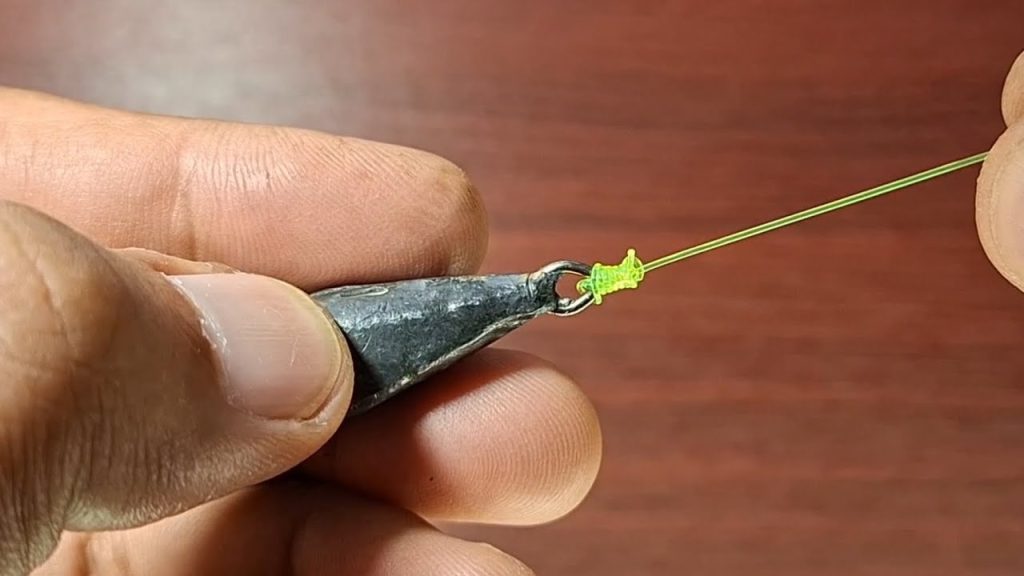
Are you tired of your fishing line not sinking the way you want or your bait not staying in the right spot? Knowing how to put weights and hooks on a fishing line can change the way you fish—and catch more.
It’s a simple skill that makes a big difference. You’ll learn step-by-step how to attach weights and hooks correctly so your fishing setup works perfectly every time. Keep reading, and you’ll soon be fishing smarter, not harder.

Credit: mysterytacklebox.com
Choosing The Right Weights And Hooks
Choosing the right weights and hooks is important for fishing success. The right gear helps the bait sink and stay in place. It also helps catch the fish safely and effectively.
Different fishing conditions and fish types need different weights and hooks. Learning about them helps you prepare better for your fishing trip.
Types Of Fishing Weights
Fishing weights come in many shapes and sizes. Each type works best in certain water and fishing styles.
- Split Shot: Small, easy to add to the line. Good for light fishing.
- Egg Sinkers: Shaped like an egg, they slide on the line. Useful for bottom fishing.
- Bullet Weights: Pointed shape, used for fishing in rivers with current.
- Bank Sinkers: Flat and heavy, they hold well in strong currents.
- Bell Sinkers: Round with a hole, good for deep water fishing.
Selecting Hooks For Different Fish
Hooks come in various sizes and styles. Different fish need different hooks to catch them safely.
| Fish Type | Hook Size | Hook Style |
| Trout | 10 to 14 | Streamlined, light wire |
| Bass | 2 to 4 | Wide gap, strong wire |
| Catfish | 1/0 to 4/0 | Circle hook, heavy duty |
| Panfish | 8 to 12 | Small, sharp point |
| Salmon | 6 to 8 | Strong, barbed hook |
Matching Weights And Hooks To Fishing Conditions
Match your weights and hooks to where and how you fish. This improves your chance to catch fish.
- For calm water, use lighter weights and small hooks.
- In strong currents, choose heavier weights and strong hooks.
- Use larger hooks for bigger fish and smaller hooks for small fish.
- Adjust weights to keep bait at the right depth.
- Check local fishing rules about hook types and sizes.
Preparing Your Fishing Line
Preparing your fishing line is the first step to a good fishing experience. It helps you attach weights and hooks securely. This process makes your line strong and ready for fishing.
In this guide, learn how to check your line strength, cut it to the right length, and mark where to attach weights and hooks.
Checking Line Strength
Check the strength of your fishing line before adding weights or hooks. The line must hold the weight of the fish and tackle. Look for any signs of wear, like frays or cuts.
- Pull a small section of the line to test its strength.
- Inspect the line for any damage or weak spots.
- Replace the line if it shows signs of wear.
- Choose a line strength suitable for the fish you want to catch.
Cutting The Line To Length
Cut the fishing line to the right length before attaching weights or hooks. The length depends on the type of fishing and water depth. Use sharp scissors or a line cutter for a clean cut.
| Fishing Type | Recommended Line Length |
| Freshwater | 10 to 20 feet |
| Saltwater | 20 to 40 feet |
| Fly Fishing | 25 to 30 feet |
Marking Attachment Points
Mark the spots on the line where you will attach weights and hooks. This helps keep the setup neat and balanced. Use a marker or small pieces of tape for marking.
Use these tips to mark your line:
- Mark the point for the weight first, usually a few feet from the hook.
- Mark where the hook will go near the end of the line.
- Ensure marks are clear but do not weaken the line.
Attaching Weights To The Line
Adding weights to your fishing line helps the bait sink to the right depth. It also improves casting distance and control.
There are different types of weights to use. Each type attaches to the line in a special way.
Using Slip Sinkers
Slip sinkers slide freely on the fishing line. They let fish take the bait without feeling much weight.
To use a slip sinker, thread the line through the sinker hole. Then tie a swivel or hook below it to stop the sinker.
- Slide the sinker onto the line
- Add a bead to protect the knot
- Tie a swivel or hook below the sinker
Securing Split Shot Weights
Split shot weights clip directly onto the fishing line. They are small and easy to move.
Pinch the split shot gently with pliers to close it around the line. Make sure it is tight but does not damage the line.
- Choose the right size split shot for your line
- Place it a few inches above the hook
- Pinch it closed securely with pliers
Placing Weights For Balance
Correct weight placement keeps the bait balanced and natural in the water. It helps attract more fish.
Place weights close enough to the hook to sink the bait. Avoid placing them too far away to keep good control.
- Start with weights 6 to 12 inches above the hook
- Adjust weight size to control sinking speed
- Test by casting and watching bait movement

Credit: greatdaysoutdoors.com
Tying Hooks To The Line
Fishing requires attaching hooks securely to the line. This process is crucial for successful angling. Let’s explore how to tie hooks effectively.
Using the right knot ensures your hook stays firm. Learn these methods to improve your fishing skills.
Basic Fishing Knots
Knots are essential for securing hooks. Different knots serve various purposes. Each type has unique strengths.
- Improved Clinch Knot
- Palomar Knot
- Loop Knot
Ensuring Hook Stability
Stability is key for effective fishing. A stable hook catches fish more reliably. Here’s how to maintain it.
- Choose the right size hook for your fish target.
- Check the hook for any damage before use.
- Ensure the knot is tight and secure.
Adjusting Hook Position
Positioning affects how your bait moves underwater. Adjusting the hook position can attract more fish.
| Fish Type | Recommended Hook Position |
| Bass | Mid-depth |
| Trout | Near the surface |
| Catfish | Bottom |
Testing Your Setup
Testing your fishing line setup ensures it works well before fishing. It helps avoid problems and saves time on the water.
Check the balance and function of weights and hooks carefully. This lets you cast smoothly and catch fish better.
Checking Weight Distribution
Start by looking at how the weights are placed on your line. They should balance the hook and bait evenly. Uneven weight can cause poor casting and wrong sink speed.
- Hold the line and see if weights pull more on one side
- Make sure the hook hangs straight down without tilting
- Adjust or move weights closer or farther from the hook
- Use small weights for fine tuning
Simulating Casting
Next, practice casting your line in an open area. This shows how the weights and hook behave in motion. Watch for smooth release and landing.
| What to Observe | Good Result | Problem Sign |
| Line flight | Straight and far | Wobbles or falls short |
| Hook position | Trailing behind smoothly | Tangles or swings wildly |
| Weight drop | Slow and steady | Drops too fast or stalls |
Adjusting For Optimal Performance
Use your observations to change the setup. Small tweaks can improve casting distance and hook control.
Try these adjustments:
- Move weights slightly up or down the line
- Swap heavier or lighter weights
- Change hook size or style if it swings too much
- Test again after each change
Tips For Safe And Efficient Rigging
Putting weights and hooks on a fishing line needs care and skill. Doing it right helps catch fish better and keeps you safe.
Follow simple tips to make your rig strong and avoid accidents while fishing.
Handling Hooks Carefully
Hooks are sharp and can hurt your fingers easily. Always hold them by the eye or shank, not the point or barb.
Use pliers to attach hooks to the line. Keep hooks covered when not in use to stop injuries.
- Wear gloves if possible
- Keep hooks away from children
- Check hooks for rust or damage before use
Maintaining Line Condition
Fishing lines can weaken if not cared for. Check the line often for cuts, knots, or frays before adding weights or hooks.
Replace the line if it looks old or damaged. Use the right knot to attach weights and hooks firmly to avoid losing fish.
- Keep the line clean and dry
- Store the line away from sunlight
- Use strong knots like improved clinch knot
Storing Tackle Properly
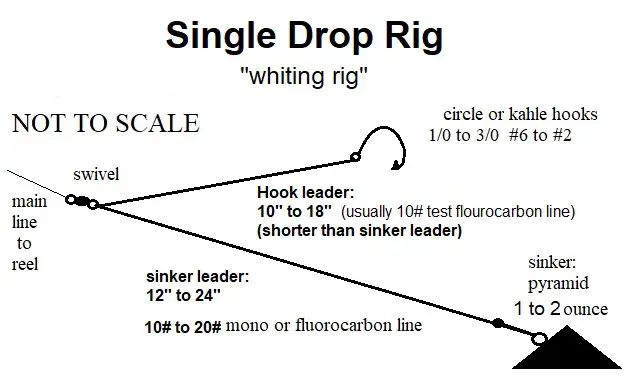
Organize your weights, hooks, and lines in a tackle box. This stops tangles and protects your gear.
Separate sharp hooks from other items. Check your tackle after each trip and clean it to keep it ready for use.
- Use small containers for hooks and weights
- Keep tackle dry to prevent rust
- Label compartments to find gear quickly
Credit: greatdaysoutdoors.com
Frequently Asked Questions
How Do You Attach Weights To A Fishing Line?
To attach weights, slide a sinker onto the line above the hook. Secure it with a stopper or knot to keep it in place. This setup improves casting distance and controls bait depth effectively.
What Is The Best Way To Tie A Fishing Hook?
Use the improved clinch knot to tie hooks. Thread the line through the eye, wrap around five times, then pass through the loop and tighten. It’s strong, reliable, and easy to learn for all anglers.
Why Use Weights And Hooks Together On A Fishing Line?
Weights help sink the bait to the right depth, while hooks catch fish. Combining them ensures your bait reaches target zones and stays visible, increasing your chances of a successful catch.
How Many Weights Should I Use On A Fishing Line?
Use one or two weights depending on water depth and current. Too many weights can scare fish or tangle your line. Adjust weight amount based on your fishing environment for best results.
Conclusion
Adding weights and hooks to your fishing line is simple with the right steps. Use the right size weights for the water depth and fish type. Secure hooks tightly to avoid losing fish. Practice tying knots to keep your setup strong.
Remember, small changes can improve your fishing experience a lot. Try different methods until you find what works best. Fishing gets easier and more fun with patience and practice. Keep learning and enjoy every moment by the water.