
Is your air conditioner making loud, distracting noises inside your home? That constant buzzing or rattling can quickly turn your cool comfort into a source of frustration.
You deserve a quiet, peaceful space where you can relax without the background noise of a noisy AC unit. You’ll discover simple and effective ways to quiet your noisy air conditioner inside. By following these easy steps, you can enjoy cool air without the annoying sounds.
Keep reading to find out how to bring back the calm and comfort you want in your home.

Credit: thefurnaceoutlet.com
Common Causes Of Ac Noise
Loose parts and screwscan cause rattling sounds in your air conditioner. Check and tighten all screws regularly to stop the noise.
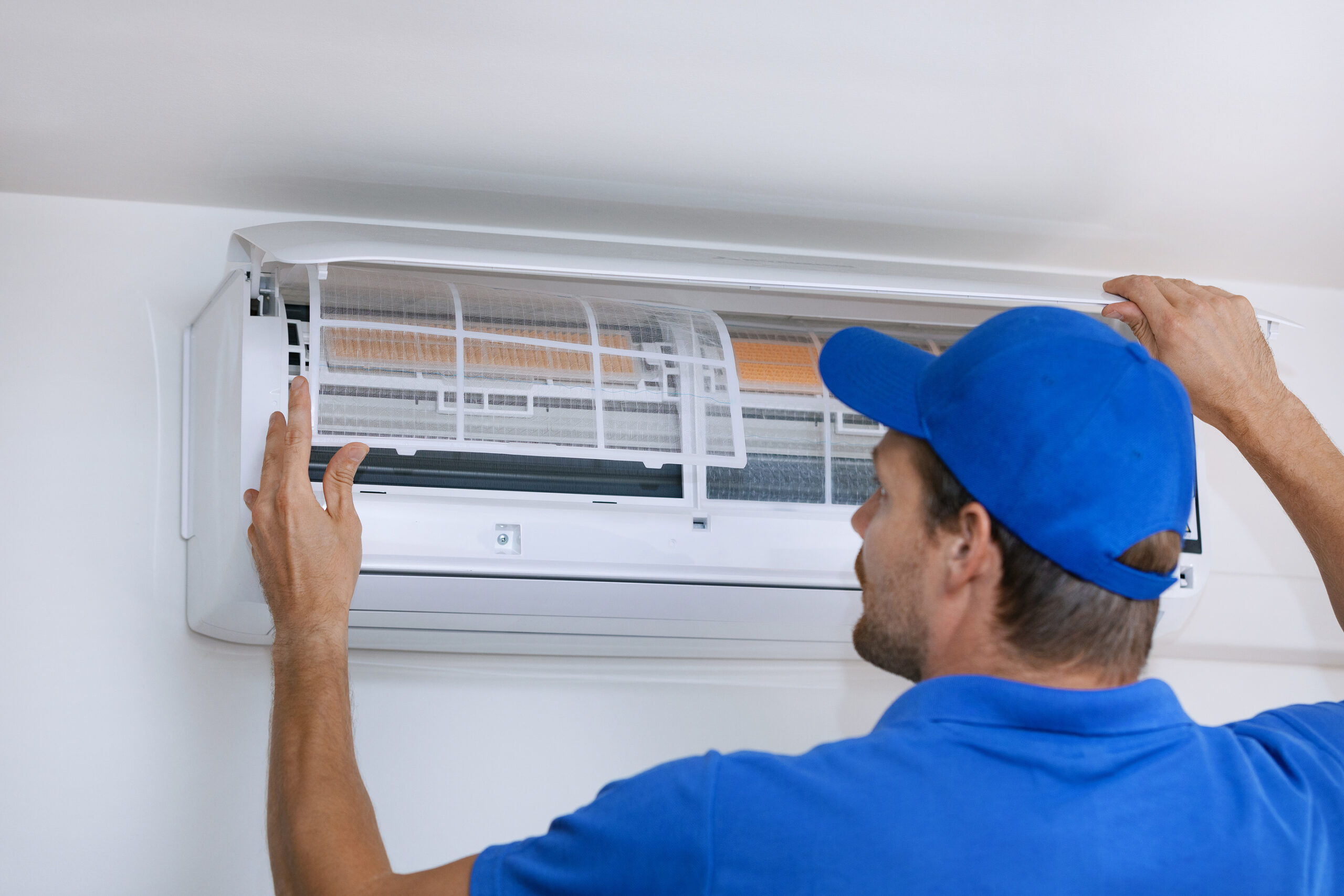
Dirty or clogged filtersblock airflow and make the AC work harder, causing unusual sounds. Clean or replace filters monthly for smooth operation.
Worn out bearingsinside the motor or fan can create grinding or squealing noises. Lubricate or replace bearings to fix this issue.
Refrigerant leaksoften cause hissing or bubbling sounds. These leaks reduce cooling efficiency and need professional repair.
Unbalanced fan bladesmake a wobbling or banging noise. Inspect blades for damage and clean them to keep balance and quiet operation.
Simple Fixes To Reduce Noise
Loose parts can cause loud rattling noises inside your air conditioner. Tighten screws and bolts using a screwdriver or wrench. Check panels and mounting brackets for any movement. This simple fix can stop many common noises.
Dirty or clogged filters reduce airflow and cause the AC to work harder. Clean reusable filters with water and let them dry completely. Replace disposable filters every 1 to 3 months for best results. Clean filters help the unit run quietly and efficiently.
Moving parts like fans and motors need lubrication to reduce friction noise. Use a few drops of light machine oil on the motor shaft and fan bearings. Avoid over-oiling, which can attract dust and dirt. Proper lubrication keeps parts running smoothly and quietly.
Securing the AC unit prevents vibration and rattling sounds. Place rubber pads or foam under the unit to absorb vibrations. Make sure the unit is level and firmly attached to its base or wall. A stable air conditioner means less noise and better comfort.
Advanced Solutions For Persistent Noise
Worn bearingscause loud sounds in air conditioners. Replacing them stops the noise and helps the unit run smoothly. Bearings support the fan motor, so damage makes a grinding sound.
Refrigerant leakslead to hissing or bubbling noises. Fixing leaks keeps the system quiet and efficient. Leaks also harm cooling power.
- Vibration padsreduce shaking noise from the AC unit.
- Place pads under the compressor or fan to absorb sound.
- Pads help stop noise spreading to walls or floors.
| Upgrade Option | Benefit |
|---|---|
| Quieter Models | Use newer, quieter air conditioners to reduce noise. |
| Energy Efficiency | New models often save energy and lower bills. |
Credit: www.tarrantcountyelectric.com
Preventive Maintenance Tips
Keeping your air conditioner quiet starts with a regular cleaning schedule. Dirt and dust block airflow and make the unit noisy. Clean or change filters every month during use. Wipe down the coils and fan blades to stop buildup. This helps parts work smoothly and quietly.
Seasonal inspectionscatch small problems early. Check for loose screws, worn belts, or damaged parts before summer or winter. Tighten or replace anything that could cause rattling or buzzing sounds. This keeps the unit running quietly and saves money on big repairs.
Professional servicingonce a year is important. Experts clean deep inside the unit and check refrigerant levels. They spot issues that are hard to find. This service helps keep the air conditioner silent and efficient.
Proper installation practicesreduce noise from the start. The unit should sit on a flat, stable surface. Use vibration pads to stop shaking sounds. Make sure all connections are tight and sealed well. Good installation means less noise and longer life for your air conditioner.
When To Call A Professional
Serious issueswith an air conditioner often cause loud noises. Strange sounds like grinding, banging, or squealing may mean parts are broken or loose. These noises usually need expert care to avoid more damage.
Safety is very important. Fixing electrical or mechanical parts without knowledge can cause injury. Professionals have tools and training to work safely and fix problems properly.
Experts can find hidden problems fast. They save time and money by preventing big repairs later. A quick professional check keeps the air conditioner running quietly and well for a long time.

Credit: thecoolingco.com
Frequently Asked Questions
Why Is My Air Conditioner Making Loud Noises Inside?
Loud noises often result from loose parts, debris, or worn-out components. Regular maintenance can prevent these issues. Check fan blades, motor mounts, and refrigerant levels to identify the noise source.
How Can I Reduce Rattling Sounds From My Ac Unit?
Tighten loose screws and bolts in the AC housing. Clean debris around the fan blades. Replace worn-out parts promptly to minimize rattling noises effectively.
What Causes Buzzing Sounds In Indoor Air Conditioners?
Buzzing usually indicates electrical issues or a failing capacitor. Inspect electrical connections and contact a professional if the buzzing persists to avoid damage.
Can Dirty Filters Increase Ac Noise Levels?
Yes, clogged filters restrict airflow, causing the AC to work harder and produce more noise. Replace or clean filters regularly for quieter operation.
Conclusion
A noisy air conditioner can disturb your peace at home. Simple fixes like cleaning, tightening parts, or checking the fan help a lot. Regular care keeps your AC running quietly and smoothly. Small actions prevent big problems later on. Take time to listen and act on unusual sounds.
Quiet comfort is possible with some effort and attention. Keep your space cool and calm every day.