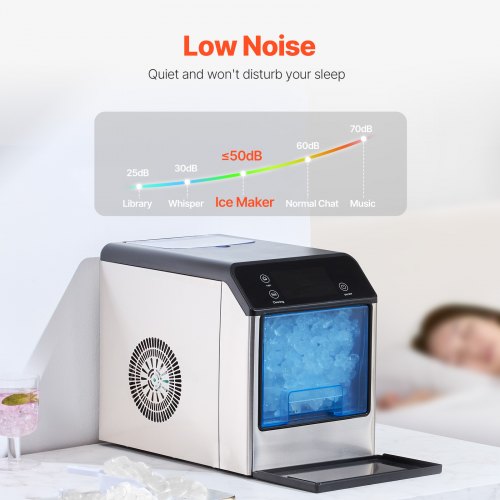
Is your ice maker making loud, annoying noises that disrupt your peace? You’re not alone.
A noisy ice maker can be frustrating, especially when you need a quiet kitchen or living space. But don’t worry—this problem is usually easy to fix. You’ll discover simple, effective steps to quiet your noisy ice maker quickly. Keep reading, and you’ll soon enjoy the soothing sound of silence instead of that constant clatter.
Common Ice Maker Noises
Ice makers often produce various sounds during their operation. These noises can signal normal function or hint at issues that need attention. Understanding common ice maker noises helps identify problems early and keep your appliance running smoothly.
Grinding And Clicking Sounds
Grinding or clicking noises often come from the ice maker’s motor or gears. These sounds may occur as the machine cycles through ice production. Small debris caught in the mechanism can cause grinding. A worn gear or motor part can produce clicking. Regular cleaning and inspection reduce these noises.
Humming And Buzzing
Humming or buzzing usually comes from the compressor or water valve. This is normal when the ice maker fills or cools. Loud or continuous humming may mean a failing compressor. A buzzing water valve can indicate water flow issues. Checking water pressure and valve function helps control these sounds.
Water Dripping And Splashing
Water dripping and splashing sounds happen during ice tray filling. It occurs when water flows into the tray and settles. Loud splashes suggest water pressure is too high or misdirected. Dripping noises may also point to a loose or damaged water line. Adjusting water flow and securing lines can reduce these sounds.
Quick Checks Before Fixing
Check the ice maker’s alignment and ensure it sits level. Listen for loose parts or water flow issues before starting repairs. Simple fixes often stop the noise quickly.
Before fixing a noisy ice maker, consider some quick checks. These simple steps could resolve the issue without much effort. They ensure that everything is in the right place and functioning properly.Inspecting The Ice Maker Placement
Ensure your ice maker sits on a level surface. An uneven surface can cause noise. Adjust the legs or move the appliance to a stable spot. Confirm there’s enough space around the ice maker. It needs room for air circulation. Crowded surroundings might amplify sound.Checking Water Supply Lines
Examine the water supply lines for kinks or bends. These can restrict water flow and create noise. Straighten any twisted lines. Ensure connections are tight and secure. Loose connections may lead to leaks or noise. Check for any signs of wear or damage. Replace faulty lines if necessary.Examining Ice Bin And Tray
Remove the ice bin and inspect it. Sometimes, ice can pile unevenly, causing noise. Even out the ice or remove excess if needed. Check the ice tray for proper alignment. Misalignment may lead to clattering sounds. Ensure the tray fits snugly in its place.Easy Fixes For Noise Reduction
Easy fixes can reduce the noise from your ice maker quickly. Many common sounds come from simple issues. Small adjustments often stop the annoying noise. These fixes do not need special tools or skills. Try these easy steps to make your ice maker quieter.
Leveling The Ice Maker
A tilted ice maker can cause loud noises during operation. Check if your appliance sits evenly on the floor or shelf. Use a level tool or place a small ball on top to test. Adjust the legs or base to make it flat. Proper leveling reduces vibrations and rattling sounds.
Cleaning The Ice Maker Components
Dirt and ice buildup create extra noise inside the machine. Remove the ice bin and clean it with warm water. Wipe down the ice maker’s interior and the water inlet area. Clear any ice clumps stuck in the trays or chute. Clean parts allow smoother movement and less noise.
Tightening Loose Parts
Loose screws and components cause rattling and banging sounds. Check around the ice maker for screws or panels that feel loose. Use a screwdriver to tighten all visible fasteners carefully. Make sure the ice tray and motor covers fit snugly. Secured parts stop unnecessary vibrations and noise.
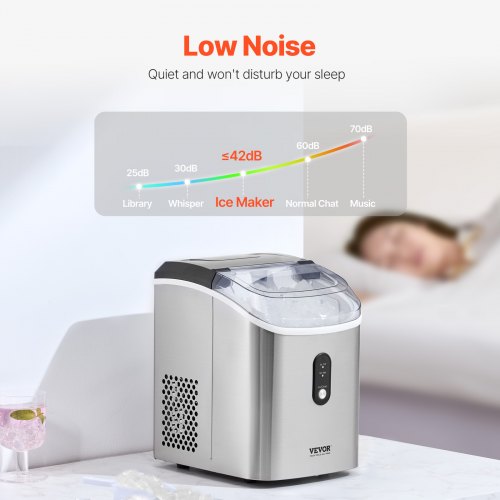
Credit: www.vevor.com
Addressing Water Flow Issues
Water flow problems often cause ice makers to make loud noises. Fixing these issues can reduce noise and improve ice production. Proper water flow ensures smooth operation and less wear on parts.
Clearing Clogged Water Filters
Dirty or clogged water filters block water flow and increase noise. Remove the filter from the ice maker. Rinse it under running water to clear debris. Replace the filter if it looks damaged or too dirty. Clean filters help water flow freely and reduce noise.
Adjusting Water Pressure
Low or high water pressure can cause strange sounds. Check the water pressure with a gauge. The ideal pressure is usually between 20 and 120 psi. Adjust the pressure using a valve near the water line. Correct pressure helps the ice maker work quietly and efficiently.
Fixing Leaky Valves
Leaky valves create hissing or dripping noises. Inspect the valve for cracks or loose fittings. Tighten connections with a wrench if needed. Replace faulty valves to stop leaks. Sealing leaks stops unwanted noise and saves water.
When To Call A Professional
Knowing when to call a professional is key to fixing a noisy ice maker. Some problems need expert help to avoid damage. It saves time and ensures safety. Watch for signs that go beyond simple fixes.
Persistent Noises After Fixes
Noise that stays after cleaning or tightening parts is a warning. It means the issue is deeper. Professionals can find hidden problems fast. They use special tools to diagnose and fix the cause.
Electrical And Motor Problems
Electrical issues or motor troubles cause loud, strange sounds. These parts are complex and risky to handle alone. A technician knows how to check wiring and motors safely. They prevent further damage or hazards.
Replacing Faulty Parts
Some parts wear out and need replacement to stop noise. Ice makers have delicate components that need skill to replace. Professionals have the right parts and know how to fit them. This keeps the machine working well for longer.

Credit: www.amazon.com
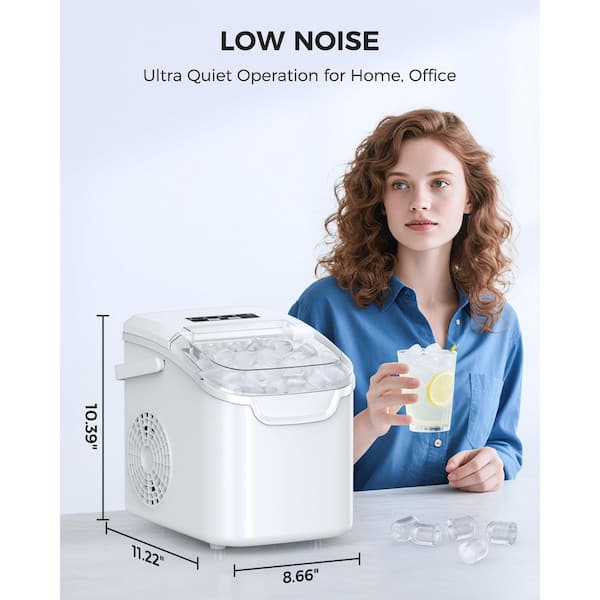
Credit: www.homedepot.com
Frequently Asked Questions
Why Is My Ice Maker Making Loud Noises?
Loud noises often indicate a loose or worn motor or fan. Check for debris or ice blockage. Tighten any loose parts to reduce noise.
How Can I Reduce Ice Maker Vibration Sounds?
Place the ice maker on a level surface. Use rubber pads or mats to absorb vibrations. Ensure all parts are securely fastened.
What Causes Clicking Sounds In Ice Makers?
Clicking usually comes from the ice ejector or water valve. Inspect these components for damage or blockages. Cleaning or replacing parts can stop the noise.
When Should I Call A Professional For Ice Maker Noise?
If noises persist after cleaning and tightening, call a technician. Persistent sounds may indicate motor or compressor issues needing expert repair.
Conclusion
A noisy ice maker can disrupt your kitchen peace. Simple steps like cleaning and checking parts help quiet it down. Regular care stops noise from coming back. Small fixes save time and money. Enjoy quieter ice making without stress. Keep these tips handy for easy maintenance.
Peaceful kitchens make life better.