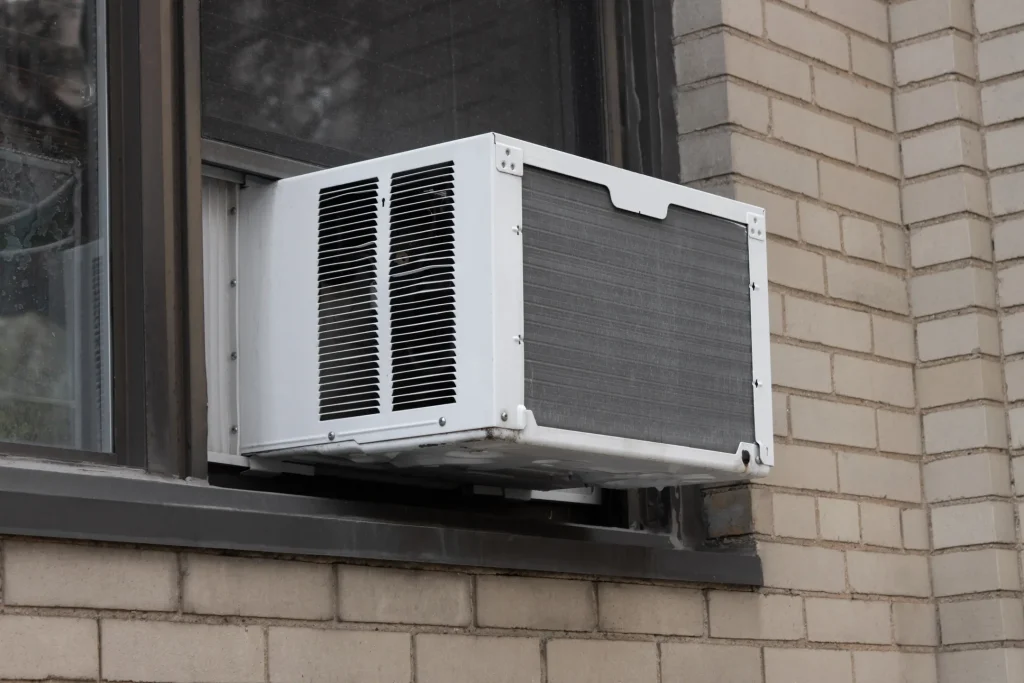
Is your window air conditioner making more noise than cooling? That constant buzzing or rattling can quickly turn your peaceful room into a frustrating zone.
You deserve a cool, quiet space where you can relax without the distraction of loud, annoying sounds. You’ll discover simple and effective ways to quiet your noisy window air conditioner. By the time you finish reading, you’ll know exactly what to do to enjoy a calmer, cooler home.
Keep reading—you’re just a few steps away from peace and quiet.

Credit: www.furnaceprices.ca
Common Causes Of Noisy Ac Units
Loose or worn partsin the air conditioner can cause rattling sounds. Screws or bolts may become loose over time. Tightening them often stops the noise. Worn parts can also create vibrations. These need replacement to reduce sound.
Dirty or clogged filtersblock airflow. This makes the unit work harder and louder. Cleaning or changing filters regularly keeps noise low. It also helps the AC cool better.
Fan blade issueshappen if blades get bent or dirty. Bent blades hit the unit frame, causing noise. Dirt on blades makes the fan unbalanced. Cleaning and straightening blades can fix this problem.
Compressor noiseis often a deep humming or buzzing. It can mean the compressor is struggling. This may need professional repair. Keeping the compressor clean helps prevent noise.
Credit: www.homeserve.com
Basic Tools Needed For Repairs
Screwdrivers and wrenchesare essential tools for most repairs. They help remove panels and tighten parts. A flat-head and a Phillips screwdriver cover common screws. Adjustable wrenches fit many bolts and nuts.
Lubricants and cleanerskeep the air conditioner parts moving smoothly. Use a light oil or silicone spray on fan motors and bearings. Cleaners help remove dust and grime that cause noise.
Keep some replacement partsready. Fan blades, belts, and screws wear out over time. Having spares saves time and money during repairs. Check your air conditioner’s manual for exact parts needed.
Step-by-step Noise Reduction Tips
Loose screws and bolts can cause rattling sounds. Tighten them using a screwdriver. Check all around the air conditioner for any loose parts. This simple step reduces most noises.
Dirty filters block airflow and make the unit work hard. Clean filters with water and mild soap. Replace them if very old or damaged. Clean filters help the air conditioner run quietly and efficiently.
Moving parts like motors and fans need lubrication. Apply a few drops of light oil to reduce friction. Avoid over-oiling to prevent mess. Lubrication keeps parts running smoothly and quietly.
Fan blades may hit something or get out of balance. Check for bends or dirt on blades. Clean blades gently and adjust if they wobble. Properly aligned blades cut down noise and improve airflow.
Advanced Fixes For Persistent Noise
Replacing worn-out fans can stop many noises. Fans with broken blades or loose parts cause rattling. Use a screwdriver to remove the fan cover. Check the fan blades carefully. If blades are cracked or bent, replace the fan. New fans spin quietly and keep air moving well.
Compressor vibrations make a loud humming or buzzing sound. Tighten all compressor bolts to reduce shaking. Place rubber pads under the compressor to absorb vibrations. These pads act like cushions and stop noise from spreading. A steady compressor means quieter air conditioning.
Noise dampening materials block sound from escaping. Foam or rubber strips fit around gaps and edges. These materials stop air and sound leaks. Attach soundproof mats inside the air conditioner case. This reduces loud vibrations and humming noises.
Maintenance Tips To Prevent Noise
Keeping your air conditioner quiet needs a regular cleaning schedule. Dust and dirt can build up and cause noise. Clean the filter every month. Wipe down the fan blades and coils to stop rattling sounds. A clean unit runs smoothly and quietly.
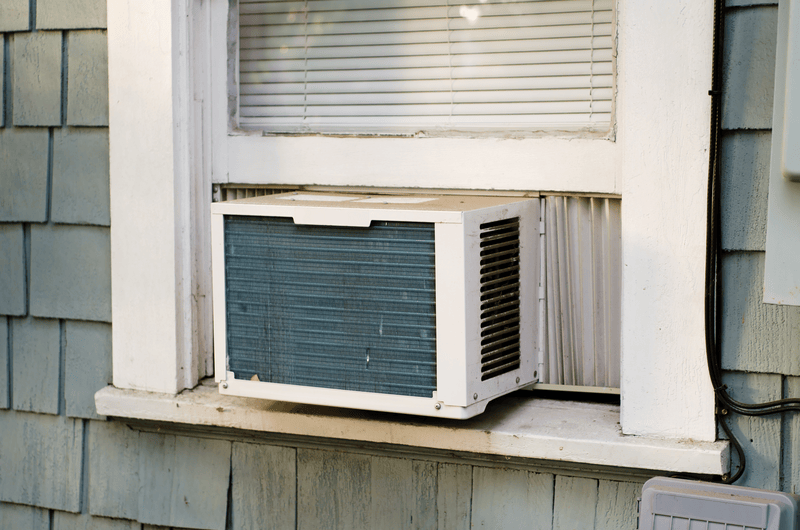
Proper installation is key to preventing noise. Make sure the unit is leveland firmly mounted. Loose parts can vibrate and make loud sounds. Use rubber padsor foam strips to reduce vibration. Check screws and bolts often for tightness.
Seasonal checkups help catch problems early. Inspect the unit before summer and winter. Look for loose parts, worn belts, or damaged fan blades. Fixing small issues stops loud noises and keeps your unit working well.

Credit: www.reddit.com
Frequently Asked Questions
How Do I Reduce Window Ac Noise?
To reduce window AC noise, start by ensuring the unit is securely installed. Loose parts can vibrate and create noise. Regularly clean the filters and coils to prevent debris buildup. Check for any loose screws or panels and tighten them.
Consider using rubber padding to dampen vibrations.
Why Is My Window Ac Making Loud Noises?
A window AC may make loud noises due to loose parts, debris, or worn-out components. Check for loose screws or panels. Clean the filters and coils regularly to prevent debris buildup. If the noise persists, inspect the fan motor and compressor for wear and tear.
Can Insulation Help Reduce Ac Noise?
Yes, insulation can help reduce AC noise. Use foam insulation strips around the AC unit’s edges to seal gaps. This prevents vibrations and reduces noise transmission. Make sure the unit is properly installed, and consider using rubber padding between the AC and window frame for additional noise dampening.
Is It Normal For Window Acs To Be Noisy?
Some noise is normal for window ACs due to their mechanical nature. However, excessive noise indicates issues like loose parts or debris. Regular maintenance, such as cleaning filters and checking for loose screws, can help minimize noise. If the noise is unusual, inspect the unit for worn-out components.
Conclusion
A noisy window air conditioner can disturb your peace. Simple steps can help reduce or stop the noise. Check the unit often and clean any dirt or debris. Tighten loose parts to prevent rattling sounds. Use foam or rubber pads to absorb vibrations.
Regular care keeps your air conditioner quiet and efficient. Enjoy a cool, peaceful room without distracting noise. Small fixes make a big difference in comfort and quietness. Keep these tips handy for a calm summer indoors.