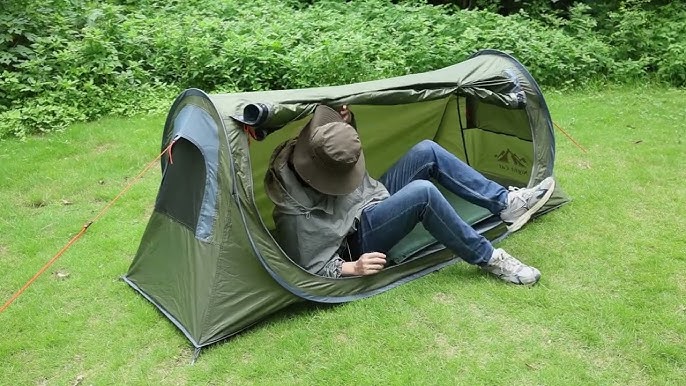
Imagine waking up in your tent to the sound of rain tapping softly on the fabric. It can be cozy—or it can turn your adventure into a soggy mess.
If you want to keep your gear dry and your mood bright, knowing how to rainproof a tent is a must. In this guide, you’ll discover simple, effective steps that protect your shelter from unexpected downpours. By the end, you’ll be ready to face wet weather with confidence and enjoy your outdoor trips no matter what the sky brings.
Keep reading, and never let rain ruin your camping plans again.
Choose The Right Tent
Choosing the right tent is key to staying dry during rain. Not all tents protect you well from wet weather.
Look for features that help keep water out and keep you comfortable inside your tent.
Look For Waterproof Ratings
Waterproof ratings show how well a tent keeps water out. They are measured in millimeters (mm).
- A rating of 1,500 mm means light rain protection.
- Ratings between 2,000 mm and 3,000 mm handle moderate rain.
- 3,000 mm or higher means strong rain resistance.
Select A Tent With A Rainfly
A rainfly is a waterproof cover that goes over your tent. It adds an extra layer of protection from rain.
| Rainfly Type | Protection Level | Ventilation |
| Full Rainfly | Covers whole tent, best for heavy rain | Good air flow, reduces condensation |
| Partial Rainfly | Covers top only, light rain protection | Better airflow, less water protection |
| No Rainfly | No extra water protection | More airflow, high risk in rain |
Consider Tent Material
Tent fabric affects waterproofing and durability. Look for materials designed for wet conditions.
- Nylon with waterproof coating is lightweight and water-resistant.
- Polyester resists water and sun damage well.
- Cotton canvas is breathable but heavy and slow to dry.
Prepare Your Campsite
Setting up your tent on the right spot helps keep it dry during rain. Preparing your campsite well lowers the risk of water damage.
Choosing the best area for your tent is important. This guide explains how to pick the right ground and clear the area.
Pick Elevated Ground
Set your tent on higher ground to avoid water pooling. Elevation helps rainwater flow away from your tent.
Look for gentle slopes or small hills. These spots keep your tent dry by stopping water from collecting under it.
Avoid Low-lying Areas
Do not place your tent in valleys or dips. These areas collect rainwater and cause flooding around your tent.
Even if it looks flat, low spots can fill with water fast. Stay clear of places with poor drainage or soggy ground.
Clear Debris And Rocks
Remove sticks, rocks, and leaves before setting up your tent. Debris can damage your tent floor and block water flow.
A clean campsite helps rainwater run off smoothly. It also makes your tent more comfortable and safer to sleep in.
- Pick up sharp rocks that can poke through the tent floor
- Clear away sticks that can tear the fabric
- Remove leaves that hold moisture and cause mold
Set Up Tent Properly
Setting up your tent correctly is crucial for staying dry during rain. A well-pitched tent can protect you from getting wet inside.
Follow these steps to ensure your tent is rainproof and ready for any weather conditions.
Pitch Tent Tightly
A tightly pitched tent keeps water out. Make sure the tent fabric is stretched evenly without any loose areas.
Tighten all the straps and make sure the tent stakes are securely in the ground. This helps keep the tent stable in windy conditions.
- Check that all tent poles are in place
- Ensure corners are taut and secure
- Reinforce with extra stakes if necessary
Use All Guy Lines
Guy lines help stabilize your tent and prevent water from pooling on the fabric. Always use all the guy lines that come with your tent.
Anchor the lines to nearby trees or rocks. Ensure they are taut to provide additional support against wind and rain.
- Tie guy lines at a 45-degree angle
- Use strong knots for better hold
- Check tension regularly
Ensure Rainfly Coverage
The rainfly is your tent’s first line of defense against rain. Make sure it covers the entire tent, including the doors and windows.
Adjust the rainfly so there are no gaps where water can seep through. Use the rainfly’s straps or clips to secure it tightly.
- Overlap seams for better protection
- Check for holes or tears
- Use rainfly vents to reduce condensation

Credit: gearjunkie.com
Apply Extra Waterproofing
Keeping your tent dry is important for a good camping trip. Rain can seep through seams and fabric. Adding extra waterproofing helps protect your tent from leaks.
Applying waterproofing treatments strengthens your tent’s resistance. It helps keep the inside dry and comfortable during wet weather.
Use Seam Sealant
Seams are the most common places where water leaks into a tent. Seam sealant blocks these tiny holes and gaps. It creates a waterproof layer over the stitches.
Apply seam sealant carefully along all seams. Let it dry completely before using the tent. This stops water from slipping through the needle holes.
- Clean seams before applying sealant
- Use a brush or applicator for even coverage
- Allow 24 hours to dry fully
Spray Waterproofing Products
Waterproof spray adds a protective layer on your tent fabric. It makes the material repel water instead of soaking it up. Sprays are easy to apply and dry fast.
Spray your tent evenly from about six inches away. Cover all areas, including the roof and walls. Repeat the process yearly for best results.
- Choose a spray made for tent fabrics
- Spray in a well-ventilated area
- Let the tent dry before packing it away
Treat Tent Floor
The floor is prone to wear and water damage. Applying extra waterproofing here stops ground moisture from seeping in. It protects your gear and keeps you dry.
Use a thicker waterproofing product on the floor. Spread it evenly and let it cure well. Check for any tears or holes and fix them before treating.
- Patch any damage before waterproofing
- Apply waterproofing in thin layers
- Let each layer dry before adding the next
Protect Tent Perimeter
Keeping the area around your tent dry is important in rain. Water can enter through the edges and soak inside. Protecting the perimeter helps keep your tent dry and comfortable.
Focus on barriers and managing water flow around your tent. Small steps can stop water from pooling near or under your tent walls.
Create A Ground Tarp Barrier
Place a tarp under your tent to stop moisture from the ground. The tarp acts as a shield against water that seeps up from wet soil.
Make sure the tarp is slightly smaller than your tent floor. This prevents rainwater from collecting on the tarp edges and flowing inside your tent.
Avoid Overlapping Tarp Edges
Do not let tarp edges overlap near the tent walls. Overlapping edges can collect water and cause it to pool under the tent.
Lay tarps flat and smooth on the ground. Keep tarp edges inside the tent’s footprint to prevent water from running underneath.
Manage Water Runoff
Direct water away from your tent by shaping the ground or adding small trenches. Water should flow around the tent, not towards it.
- Clear leaves and debris from around the tent
- Dig shallow ditches to guide water away
- Use rocks or logs to block water paths near tent edges
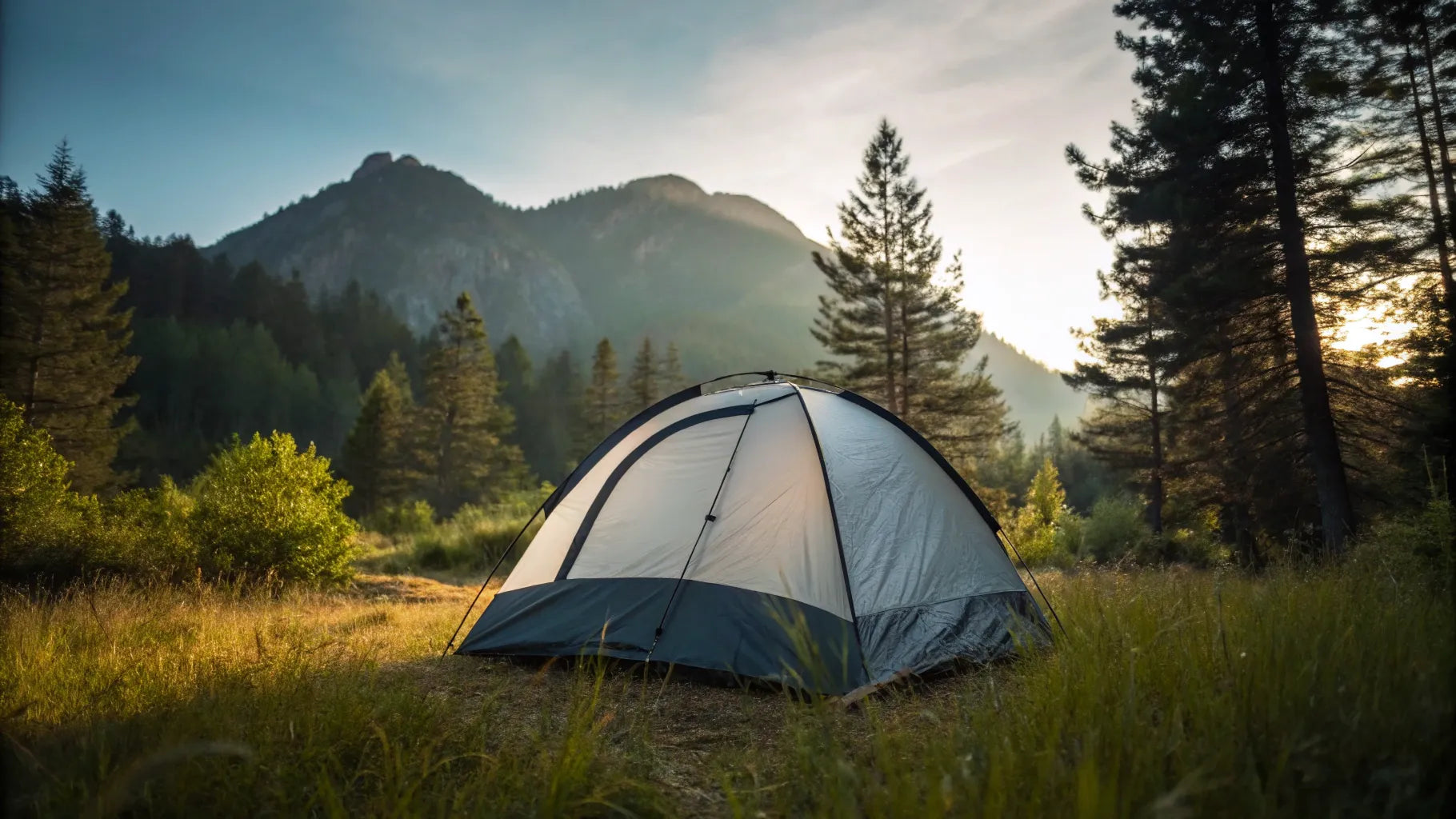
Credit: www.battlbox.com
Manage Inside Moisture
Keeping moisture under control inside your tent is key to staying dry and comfortable. Moisture comes from breathing, sweat, and wet items. Managing it can reduce condensation and dampness.
Use these simple methods to keep the inside air dry and your gear safe from water damage.
Ventilate To Reduce Condensation
Condensation builds up when warm air meets cold surfaces. Ventilation moves moist air out and fresh air in. Open vents or windows to let air flow freely. Even a small opening helps.
- Keep vent flaps open, even in rain
- Use mesh windows for airflow
- Avoid blocking vents with gear
- Position the tent to catch breezes
Store Wet Gear Outside
Wet clothes and boots release moisture inside the tent. Store wet gear in a vestibule or under a rain fly. This keeps inside air drier and your sleeping area cozy.
| Gear Type | Recommended Storage |
| Wet Shoes | Outside tent vestibule |
| Rain Jackets | Hang on tent poles or outside hooks |
| Wet Towels | Outside, away from sleeping area |
| Backpacks | Covered outside spot |
Use Absorbent Materials
Absorbent materials soak up moisture inside your tent. Use towels or special camping absorbers. Change or dry them often to keep the tent dry.
Try these absorbent items:
- Microfiber towels
- Silica gel packs
- Moisture-absorbing camping pads
- Charcoal bags to reduce humidity
Handle Heavy Rain Situations
Heavy rain can cause problems for tents during camping trips. It is important to prepare your tent to stay dry and safe. Taking simple steps can help you handle heavy rain with ease.
Below are key actions to rainproof your tent and keep water out even in strong storms.
Reinforce Tent Stakes
Strong winds and wet soil can loosen tent stakes. Reinforcing them will keep your tent stable during heavy rain. Use extra stakes and secure them deeply into the ground.
- Insert stakes at a 45-degree angle away from the tent
- Use longer or stronger stakes for better hold
- Double stakes in critical points like corners and guy lines
- Check stakes regularly and tighten if needed
Create Additional Drainage
Water can pool around your tent and cause leaks. Creating drainage channels helps move water away from your camping area. Dig small trenches around your tent to guide water flow.
| Drainage Tip | Benefit |
|---|---|
| Dig shallow trenches | Redirects water away from tent base |
| Clear debris from water paths | Prevents blockages and pooling |
| Use rocks or sticks to support trench edges | Keeps trenches open during heavy flow |
| Check trenches often during rain | Ensures water drains properly |
Monitor Weather Updates
Stay aware of weather conditions to prepare ahead. Use weather apps or radios to get updates. Knowing when rain will start helps you act fast.
- Check forecasts before and during camping
- Set alerts for heavy rain warnings
- Adjust tent setup if stronger storms are expected
- Have a backup plan to move to shelter if needed

Credit: www.utanking.com
Frequently Asked Questions
How Can I Make My Tent Waterproof?
Use a waterproof spray or seam sealer on your tent fabric. Ensure all seams are well sealed. Also, use a rainfly to cover the tent fully for extra protection. Proper setup and maintenance help keep water out during rain.
What Materials Help Rainproof A Tent Effectively?
Polyurethane and silicone coatings are common waterproof materials. They create a water-resistant barrier on the tent fabric. Additionally, waterproof rainflies and ground tarps prevent water from seeping in through the floor and roof.
How Should I Pitch A Tent To Prevent Rain Leaks?
Choose a flat, elevated spot for pitching your tent. Angle the rainfly to allow water runoff. Tighten all guy lines and stakes to avoid sagging. Proper tension prevents water pooling and leaks during heavy rain.
Can I Rainproof A Tent Without A Rainfly?
Yes, but it’s less effective. Apply a waterproof spray and seal all seams tightly. Use a ground tarp to protect the floor. However, a rainfly is recommended for complete rain protection in heavy storms.
Conclusion
Rainproofing a tent keeps you dry and comfortable outdoors. Use good materials and check your tent’s seams carefully. Set up the rainfly tightly to block water well. Clear the ground to avoid puddles under the tent. Small steps make a big difference in wet weather.
Stay prepared, and enjoy camping even when it rains. Your tent will protect you through storms and showers. Simple care helps your gear last longer too. Wet weather doesn’t have to stop your adventure.