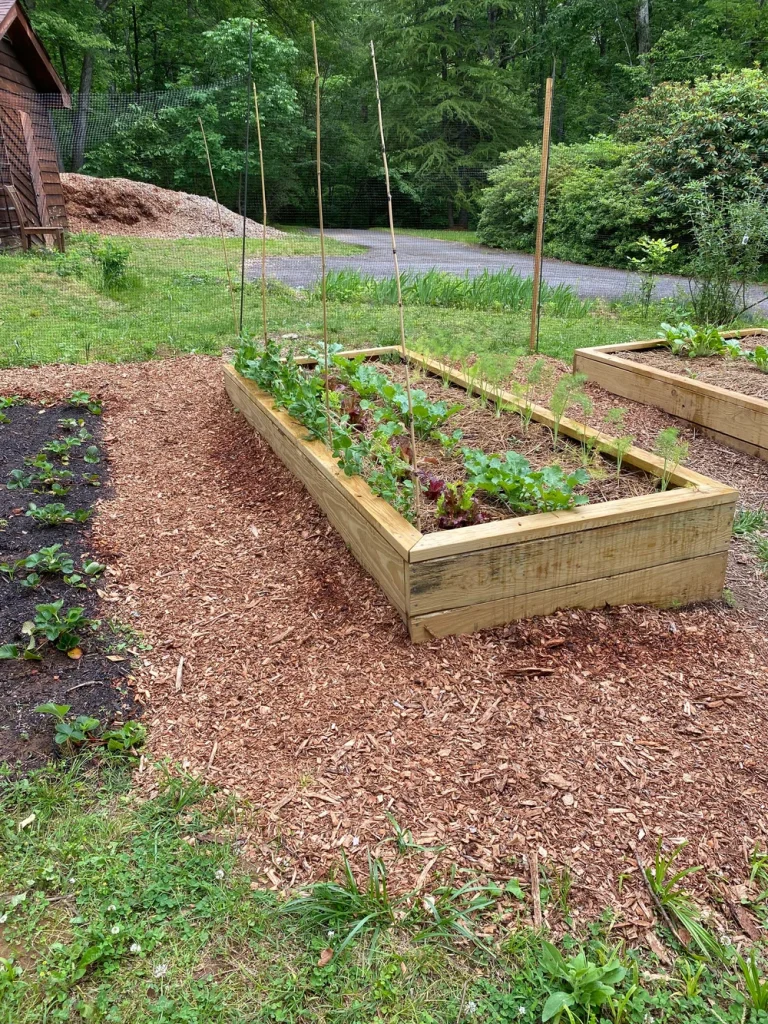
Are you ready to transform your garden into a thriving, easy-to-manage space? Raising garden beds can be the game-changer you’ve been looking for.
Not only do they improve soil quality and drainage, but they also make planting and harvesting simpler and more enjoyable. Imagine having a garden that’s neat, organized, and bursting with healthy plants—all within your reach. Keep reading, and you’ll discover step-by-step how to build your own raised garden beds, no matter your experience level.
Your dream garden is closer than you think!
Credit: www.gardenary.com
Benefits Of Raised Garden Beds
Raised garden beds offer many advantages for gardeners. They create a controlled environment for plants to grow.
These beds can improve soil quality, drainage, pest control, and accessibility. This helps plants thrive better than in regular ground soil.
Improved Soil Quality
Raised beds let you add rich, loose soil and compost. This improves nutrients and soil texture for plants.
You can avoid poor native soil and control the soil mix. This reduces soil compaction and increases root growth.
Better Drainage And Aeration
Raised beds lift the soil above ground level. This helps water drain quickly and stops waterlogging.
- Prevents root rot by avoiding excess moisture
- Improves air flow to plant roots
- Allows soil to warm faster in spring
- Makes soil easier to work with
Pest And Weed Control
Raised beds create a barrier against some pests and weeds. This reduces damage to plants and saves time weeding.
| Benefit | Details |
|---|---|
| Fewer Weeds | Soil is new and less likely to have weed seeds |
| Less Soil Pests | Bed height deters some crawling insects and animals |
| Easier Pest Control | Barriers and covers work better on raised beds |
Enhanced Accessibility
Raised beds are easier to reach for all gardeners. They reduce bending and kneeling, which helps people with mobility issues.
You can build raised beds at different heights. This allows comfortable gardening for children, adults, and seniors.

Credit: www.yahoo.com
Choosing The Right Location
Picking the right spot for your garden beds is key. It helps your plants grow strong and healthy.
Consider sunlight, soil, and water access when choosing the place.
Sunlight Requirements
Most vegetables need at least six hours of direct sunlight daily. Some plants can grow in less light, but more sun usually means better growth.
- Check for shade from trees or buildings.
- Observe the sun path during different times of the day.
- Choose a spot with full sun for sun-loving plants.
Soil Conditions
Good soil helps roots get the nutrients and water they need. The soil should drain well but hold some moisture.
| Soil Feature | Ideal Condition |
| Texture | Loamy and crumbly |
| pH Level | 6.0 to 7.0 (neutral) |
| Drainage | Good but not too fast |
| Organic Matter | Rich and well composted |
Proximity To Water Source
Watering is easier when beds are near a water source. This saves time and effort.
- Place beds close to a hose or faucet.
- Check that water can reach all parts of the garden.
- Consider installing drip irrigation for efficiency.
Selecting Materials For Beds
Choosing the right material for your garden beds is important. It affects durability, cost, and the look of your garden.
Consider materials that suit your climate and your budget. Here are some options to explore.
Wood Options
Wood is a popular choice for garden beds. It’s easy to work with and looks natural.
- Cedar: Resists rot and insects.
- Pine: Affordable but may need treatment.
- Redwood: Durable and attractive.
Metal And Stone Alternatives
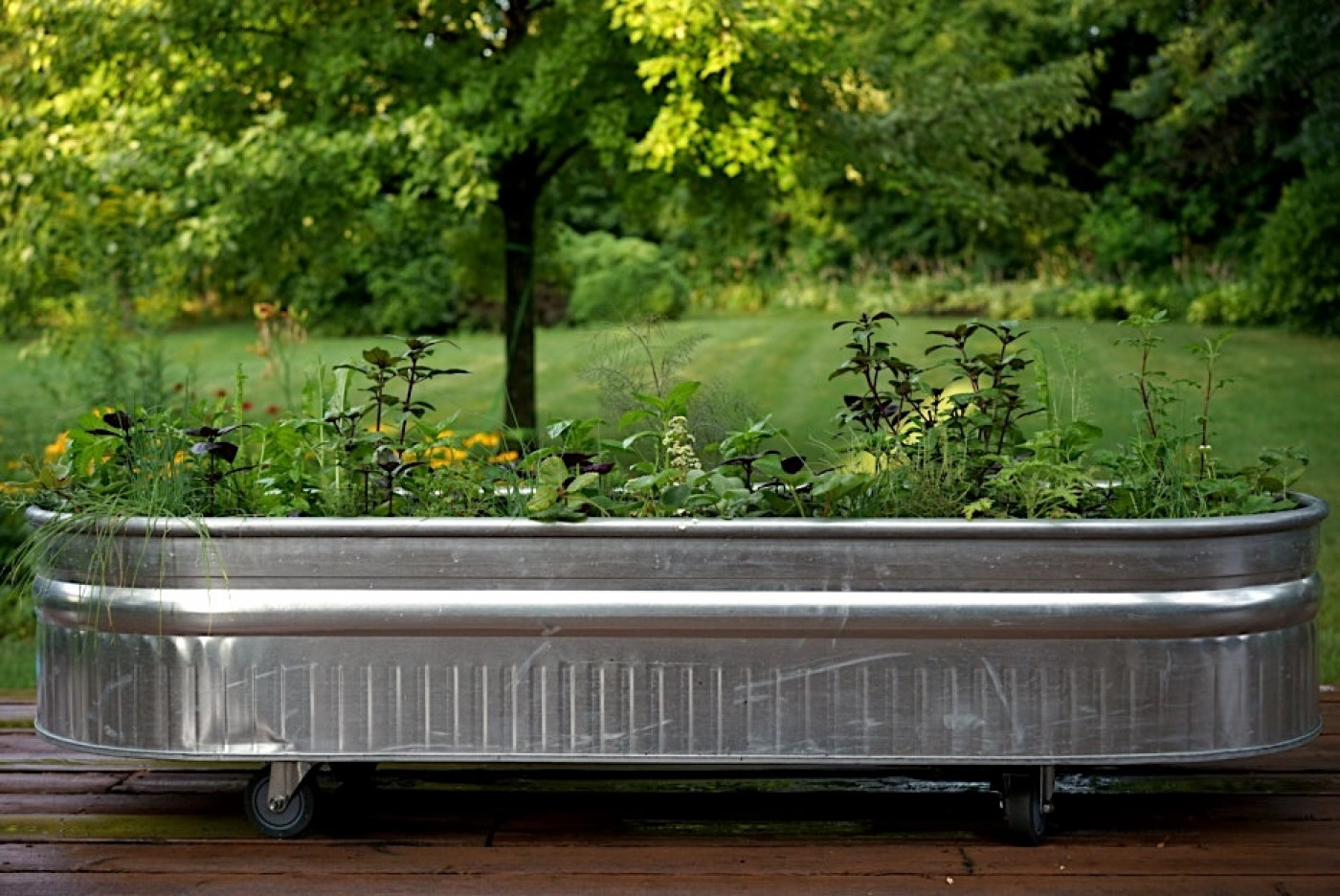
Metal and stone offer durability and a modern look. These materials last a long time.
| Material | Benefits |
| Galvanized Steel | Rust-resistant |
| Stone | Natural and strong |
| Aluminum | Lightweight and rust-free |
Recycled Materials
Using recycled materials is eco-friendly. It reduces waste and can be cost-effective.

Credit: www.sproutboxgarden.com
Building Your Raised Bed
Building a raised garden bed helps you grow plants better. It keeps soil warm and drains well. This guide covers how to build the frame step by step.
You will learn how to measure and mark your area, assemble the frame, and secure the structure for long-lasting use.
Measuring And Marking
First, choose a flat spot with good sunlight. Use a tape measure to decide the bed size. Common sizes are 4 feet by 8 feet. Mark corners with stakes or spray paint.
- Measure length and width carefully
- Mark corners clearly
- Check for level ground
- Plan space for walking paths
Assembling The Frame
Use wood boards like cedar or pine to build the frame. Cut the boards to match your measurements. Connect corners with screws or brackets for strength.
| Material | Recommended Length | Notes |
| Cedar Boards | 8 feet | Durable and rot-resistant |
| Pine Boards | 8 feet | Less expensive but less durable |
| Galvanized Screws | 3 inches | Resist rust |
| Corner Brackets | Optional | Add extra support |
Securing The Structure
Once the frame is assembled, secure it to the ground. This prevents movement and keeps the bed stable. Drive stakes into the corners and attach them to the frame.
- Place the frame on the marked area
- Use a level to check the frame
- Drive wooden or metal stakes at each corner
- Attach stakes to frame with screws or nails
- Check stability by gently pushing the frame
Filling The Bed
Filling a raised garden bed correctly helps plants grow strong. Good soil mix gives roots air, water, and nutrients.
Use layers and add organic matter to keep soil healthy. Amend soil to improve its texture and fertility.
Layering Soil And Compost
Start by placing coarse materials like straw or small branches at the bottom. This helps with drainage.
Next, add a thick layer of compost mixed with garden soil. This layer holds nutrients and moisture.
- Bottom: coarse materials for airflow
- Middle: mix of compost and soil
- Top: fine soil for planting
Adding Organic Matter
Organic matter improves soil structure and water retention. It feeds beneficial microbes and worms.
Use materials like compost, leaf mold, or aged manure. Spread evenly in the soil mix.
- Compost adds nutrients and microbes
- Leaf mold improves soil texture
- Aged manure boosts fertility
Soil Amendments For Growth
Add soil amendments to fix problems like poor drainage or low fertility. These help plants grow better.
Common amendments include peat moss for moisture, sand for drainage, and lime to adjust pH.
- Peat moss holds water in sandy soil
- Sand improves drainage in clay soil
- Lime balances acidic soil pH
Planting Tips For Success
Raising garden beds can help you grow healthy plants easily. Knowing how to plant correctly makes a big difference.
This guide covers choosing plants, spacing, and watering to help your garden thrive.
Choosing The Right Plants
Select plants that suit your climate and soil. Some plants grow better in raised beds than others.
- Pick plants that get the right sunlight for your garden.
- Choose plants with similar water needs.
- Consider the space your plants will need when full grown.
- Use disease-resistant varieties when possible.
Spacing And Depth
Plant seeds or seedlings at the right depth and distance to help roots grow well.
| Plant Type | Recommended Depth | Spacing Between Plants |
| Carrots | 1/4 inch | 2 inches |
| Tomatoes | 1 inch | 18-24 inches |
| Lettuce | 1/8 inch | 6-12 inches |
| Beans | 1 inch | 3-4 inches |
Watering Guidelines
Water your garden beds regularly but avoid overwatering. Plants need moist soil, not soggy soil.
- Water early in the morning to reduce evaporation.
- Check soil moisture with your finger before watering.
- Use drip irrigation or a soaker hose for even watering.
- Adjust watering based on weather and plant type.
Maintaining Your Raised Beds
Raised garden beds need regular care to stay healthy. Good maintenance helps plants grow strong and produce well.
Simple tasks like watering, feeding, and checking for pests keep your garden thriving all year.
Regular Watering And Feeding
Plants in raised beds dry out faster than those in the ground. Water your beds often, especially in hot weather.
Use a balanced fertilizer to give plants the nutrients they need. Feed them every few weeks during the growing season.
- Check soil moisture daily
- Water early in the morning or late afternoon
- Apply organic or slow-release fertilizers
- Avoid overfeeding to prevent plant damage
Weed And Pest Management
Keep weeds out to reduce competition for water and nutrients. Pull weeds by hand or use mulch to block them.
Watch for pests like insects or small animals. Remove pests early to protect your plants without chemicals.
- Remove weeds regularly
- Use mulch to keep soil moist and block weeds
- Inspect plants for signs of pests each week
- Try natural pest controls like neem oil or insecticidal soap
Seasonal Care
Prepare your raised beds for each season. Clean up old plants and add compost to refresh the soil.
Protect plants from extreme cold or heat. Use covers or shade cloth to help during harsh weather.
- Remove dead plants after harvest
- Add compost or organic matter in fall
- Cover beds with mulch in winter
- Use shade cloth to protect from strong sun in summer
Frequently Asked Questions
What Materials Are Best For Building Raised Garden Beds?
Wood, stone, brick, and recycled plastic are popular materials. Cedar and redwood resist rot and last longer. Choose materials that fit your budget, style, and garden size for durability and aesthetics.
How Deep Should Raised Garden Beds Be?
A depth of 12 to 18 inches is ideal. This allows roots to grow well and ensures proper drainage. For root vegetables, deeper beds of 18 to 24 inches work best.
Can I Build Raised Beds On Any Soil Type?
Yes, raised beds improve poor soil conditions. They provide better drainage and aeration. Fill beds with quality soil mix for optimal plant growth regardless of original soil type.
How Often Should I Water Raised Garden Beds?
Water raised beds regularly, about 2-3 times a week. Frequency depends on weather, plant type, and soil moisture. Use drip irrigation or soaker hoses for efficient watering.
Conclusion
Raising garden beds helps plants grow strong and healthy. It improves soil drainage and keeps weeds away. You can choose materials that fit your style and budget. Building beds allows better control of soil quality. It also makes gardening easier on your back.
Start small and expand as you learn. Enjoy watching your garden thrive with raised beds. Simple steps lead to great results in your garden. Happy gardening!