If you’re growing plants in a tent, you know how important the right humidity is. Too low, and your plants may struggle to grow strong and healthy.
But how do you raise humidity effectively without causing other problems? This guide will show you simple, practical ways to boost humidity in your grow tent. By the end, you’ll have the tools and knowledge to create the perfect environment for your plants to thrive.
Keep reading to discover how easy it can be to improve your grow tent’s humidity—and watch your plants flourish like never before.
Importance Of Humidity In Grow Tents
Humidity controls the amount of moisture in the air inside a grow tent. It affects how plants absorb water and nutrients. Keeping the right humidity helps plants stay healthy and grow strong.
If humidity is too low or too high, plants can suffer. Too dry air makes leaves dry and brittle. Too wet air can cause mold and root problems. Growers must manage humidity to get the best results.
Effects On Plant Growth
Humidity affects how plants breathe and take in water. It changes the rate of transpiration, which is how plants lose water through leaves. The right humidity helps plants keep water balance and grow faster.
- High humidity reduces water loss, helping plants stay hydrated.
- Low humidity can stress plants and slow growth.
- Too much humidity may cause fungal diseases and mold.
- Proper humidity supports strong root development.
Ideal Humidity Levels For Different Plants
Different plants need different humidity levels to grow well. Seedlings usually like higher humidity. Mature plants often prefer lower humidity to avoid mold and pests.
| Plant Type | Ideal Humidity Range |
| Seedlings | 65% – 70% |
| Vegetative Stage | 50% – 70% |
| Flowering Stage | 40% – 50% |
| Succulents | 30% – 40% |
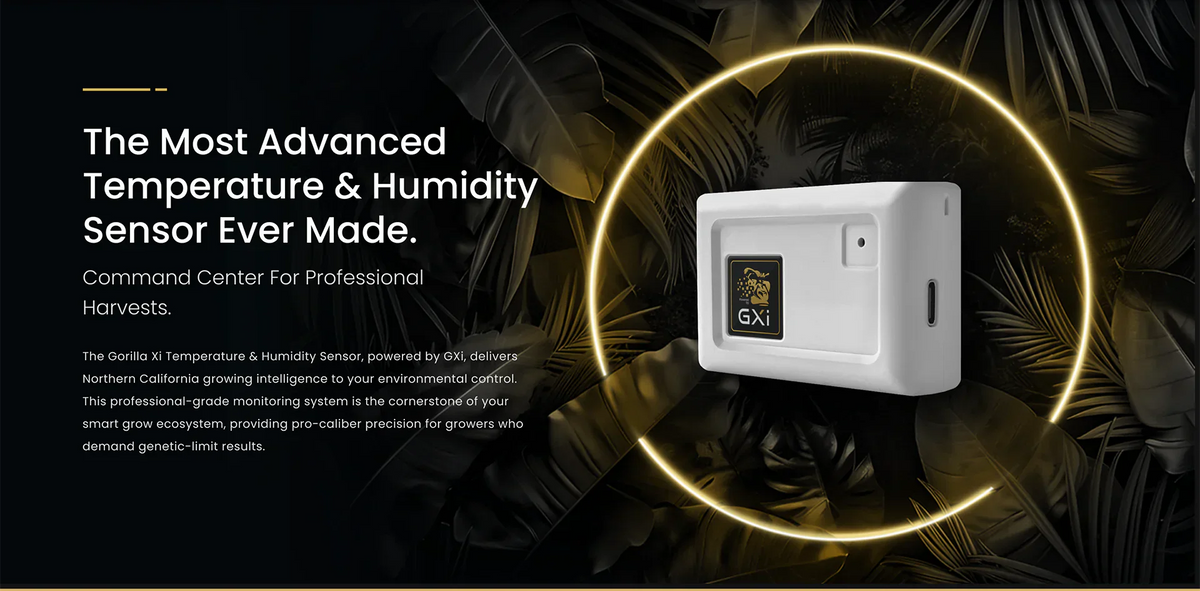
Credit: www.gorillagrowtent.com
Simple Ways To Increase Humidity
Maintaining the right humidity in a grow tent helps plants grow healthy. Low humidity can dry out leaves and slow growth.
Here are easy ways to raise humidity inside your grow tent. These methods keep moisture levels stable for your plants.
Using A Humidifier
A humidifier adds moisture to the air quickly and efficiently. It is a reliable way to keep humidity steady in your grow tent.
Choose a humidifier that fits the size of your tent. Place it where air can circulate well around your plants.
Water Trays And Pebble Trays
Water trays and pebble trays increase humidity by evaporation. They are simple and need no power to work.
- Fill a shallow tray with water.
- Place pebbles or stones inside the tray.
- Set the tray under or near your plants.
- The water evaporates and raises humidity around plants.
- Refill the tray when water levels get low.
Misting Plants Regularly
Misting plants sprays fine water droplets on leaves. This adds moisture to the air and helps raise humidity.
| Tips for Misting | Details |
| Use clean water | Prevents leaf spots and mold |
| Mist in the morning | Leaves dry by evening |
| Do not over-mist | Too much water can cause fungus |
| Use a spray bottle | Creates fine droplets for better coverage |
Optimizing Ventilation And Airflow
Proper ventilation and airflow help keep humidity levels steady inside a grow tent. Good airflow prevents dry spots and helps plants breathe.
Adjusting ventilation can raise humidity without harming plant health. It balances fresh air and moisture for best growth.
Balancing Air Exchange
Air exchange moves fresh air in and stale air out. Too much exchange lowers humidity by bringing dry air inside.
Lowering fan speed or adjusting vent openings helps keep more moisture inside. This raises humidity gently.
- Use variable speed fans to control airflow
- Close vents partially to reduce dry air entry
- Monitor humidity to find the right balance
Reducing Excess Dry Air
Dry air lowers humidity quickly inside the tent. Blocking or filtering dry air helps keep moisture levels high.
Adding humidifiers or water trays near vents adds moisture to incoming air. This reduces dryness without stopping airflow.
- Place water trays to evaporate moisture
- Use humidifiers designed for small spaces
- Seal any leaks that bring in dry outside air
Choosing The Right Soil And Containers
Raising humidity in a grow tent depends a lot on soil and container choices. These elements help keep moisture in the air for your plants.
Picking the right soil and containers can make your grow tent environment better. This guide covers soil moisture retention and container types that help humidity.
Soil Moisture Retention
Soil that holds moisture well raises humidity inside a grow tent. Look for soil with good water retention and aeration.
- Use soil with organic matter like peat moss or coco coir
- Add vermiculite or perlite to improve water holding
- Avoid dry, sandy soils that lose moisture fast
- Keep soil slightly damp, not soaked, for best humidity
Container Types That Help Humidity
Containers influence how much moisture stays near your plants. Some container types help keep humidity higher inside the tent.
| Container Type | Humidity Effect | Notes |
|---|---|---|
| Plastic Pots | Retains moisture well | Good for keeping soil moist longer |
| Ceramic Pots | Moderate moisture retention | Porous, allows some evaporation |
| Fabric Pots | Low moisture retention | Dries faster, lowers humidity |
| Self-Watering Containers | High humidity support | Keeps water available for longer time |
Monitoring And Maintaining Humidity Levels
Keeping the right humidity in your grow tent is key for healthy plants. Too much or too little moisture can hurt growth.
Using tools and adjusting your setup helps keep humidity steady. This guide covers how to do both.
Using Hygrometers
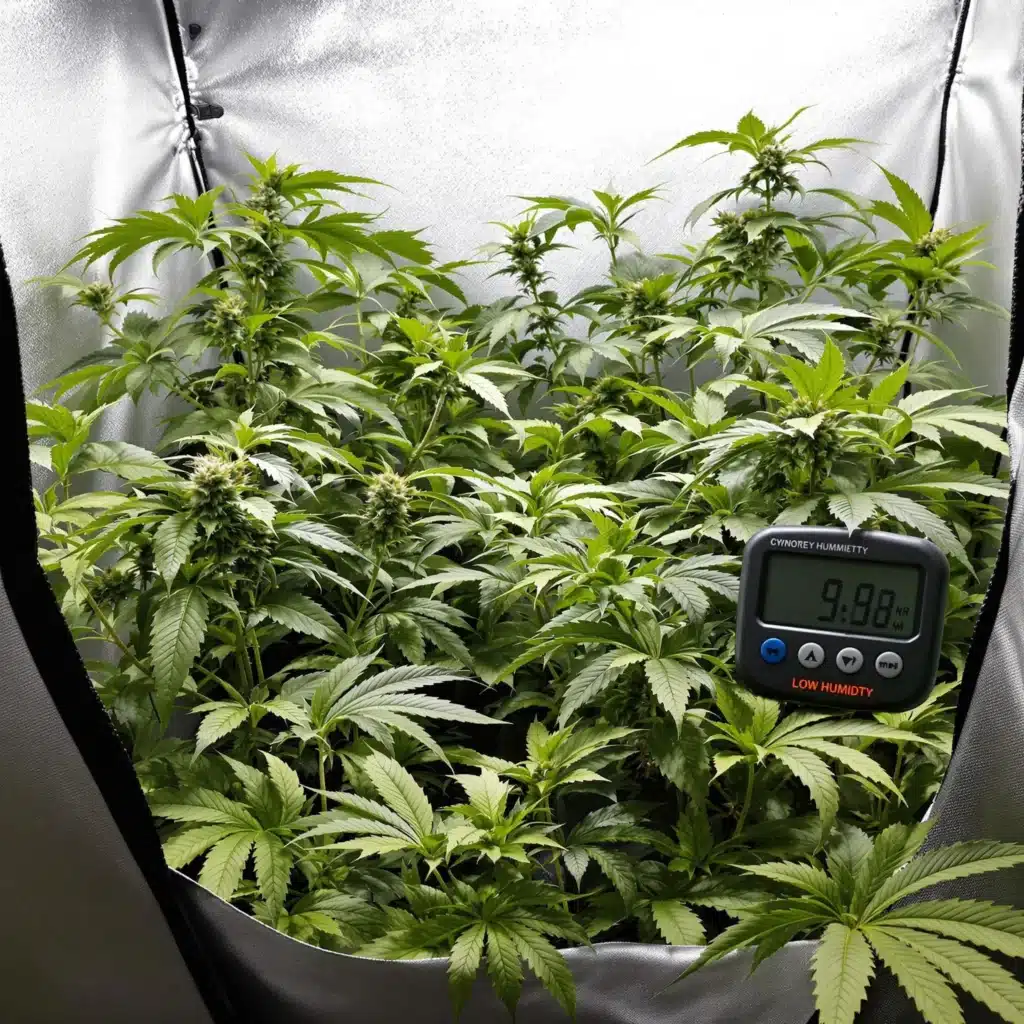
A hygrometer measures humidity inside your grow tent. It shows the moisture level in the air.
Place the hygrometer at plant level for accurate readings. Check it daily to track changes.
- Use digital or analog hygrometers.
- Calibrate your device for precise results.
- Keep it away from vents and water sources.
- Record humidity readings to notice trends.
Adjusting Techniques Based On Readings
Change your methods depending on what the hygrometer shows. Raise or lower humidity as needed.
| Humidity Level | Action |
| Below 40% | Add water trays or mist plants daily |
| 40% – 60% | Maintain current setup |
| Above 60% | Use a dehumidifier or increase ventilation |
Regular checks and adjustments keep plants happy. Use fans, humidifiers, or water trays to control moisture.
Credit: blimburnseeds.com
Common Mistakes To Avoid
Raising humidity in a grow tent is important for healthy plants. Many growers make mistakes that harm plant growth.
Knowing what to avoid helps keep the right humidity and prevents problems in your tent.
Overwatering Risks
Too much water in your grow tent can cause high humidity levels. This can hurt plant roots and stop growth.
Overwatering also leads to poor air circulation and weak plants. It can cause root rot and other diseases.
- Water plants only when soil is dry on top
- Use a moisture meter to check soil water levels
- Keep a proper watering schedule to avoid excess moisture
- Ensure pots have good drainage to prevent water buildup
Ignoring Mold And Mildew
High humidity creates a perfect place for mold and mildew to grow. These fungi damage plants and reduce yields.
Ignoring early signs of mold allows it to spread fast. This can ruin your entire grow tent environment.
- Check plants and walls for white or gray fuzzy spots
- Use fans to improve air flow and reduce dampness
- Control humidity with a hygrometer and dehumidifier if needed
- Remove infected leaves quickly to stop spread

Credit: www.spider-farmer.com
Frequently Asked Questions
How Can I Increase Humidity In My Grow Tent?
Use a humidifier or place water trays inside the tent. Misting plants and sealing leaks also help retain moisture. These methods raise humidity effectively for healthy plant growth.
What Is The Ideal Humidity Level For A Grow Tent?
Maintain humidity between 50% to 70%, depending on plant type and growth stage. Seedlings prefer higher humidity, while mature plants need lower levels for optimal growth.
Can Ventilation Affect Humidity In A Grow Tent?
Yes, poor ventilation lowers humidity by removing moist air. Adjust fans and vents to balance airflow without drying the environment, keeping humidity stable.
Does Temperature Influence Grow Tent Humidity?
Yes, warmer air holds more moisture, increasing humidity. Maintain consistent temperature to prevent sudden humidity drops and ensure a stable growing environment.
Conclusion
Raising humidity in a grow tent is crucial for plant health. Simple methods can help achieve the right balance. Use a humidifier or place water trays inside. Consider misting plants for an extra boost. Ensure proper ventilation to maintain consistent levels.
Monitor humidity with a reliable hygrometer. Adjust strategies based on plant needs. Consistency is key for optimal growth. Keep experimenting to find what works best. Happy growing!