Are you struggling to keep the right humidity levels in your grow tent? If your plants aren’t thriving, low humidity might be the hidden culprit.
Raising humidity can boost growth, improve plant health, and maximize your yield. In this guide, you’ll discover simple, effective ways to increase humidity that anyone can do. Whether you’re a beginner or an experienced grower, these tips will help you create the perfect environment your plants need to flourish.
Keep reading to unlock the secrets to healthier, happier plants!
Why Humidity Matters
Humidity is the amount of water vapor in the air inside your grow tent. It affects how plants use water and nutrients.
Keeping the right humidity helps plants grow healthy and strong. It also stops problems like mold and pests.
Effects On Plant Growth
Humidity controls how plants take in water through their leaves. Too low humidity can dry plants out.
High humidity can make plants sweat less and keep them fresh. It also helps seeds sprout and roots grow well.
- Low humidity causes leaf damage and slow growth
- High humidity helps plants absorb nutrients better
- Proper humidity reduces stress and disease risks
Common Humidity Levels In Grow Tents
Different plants need different humidity levels inside a grow tent. Most plants do best between 40% and 70% humidity.
Seedlings and young plants like higher humidity. Mature plants prefer lower humidity to avoid mold.
| Plant Stage | Ideal Humidity Range |
|---|---|
| Seedlings | 65% – 70% |
| Vegetative | 50% – 70% |
| Flowering | 40% – 50% |
Credit: blimburnseeds.com
Measuring Humidity
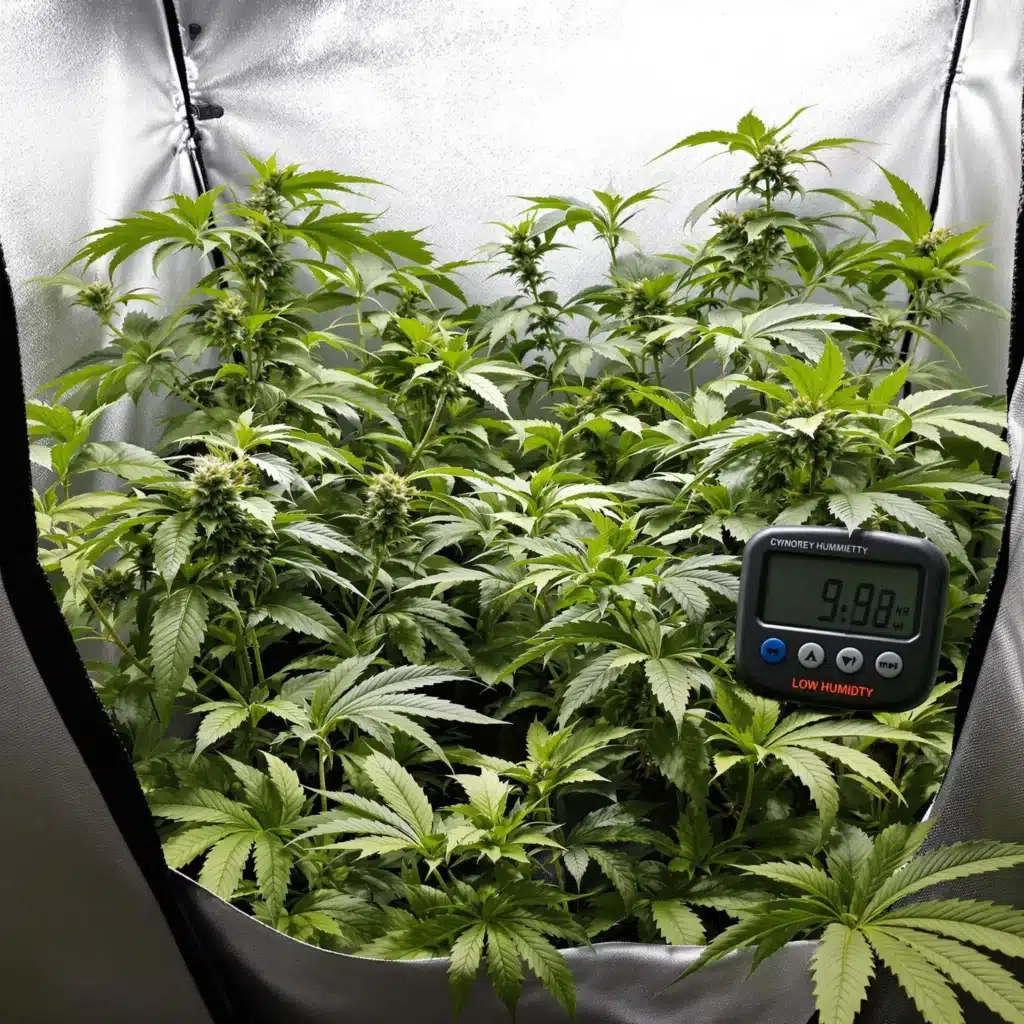
Humidity is crucial for plant growth in a grow tent. Measuring humidity helps you maintain the right levels for your plants.
Using tools like hygrometers can help you keep track of humidity. This ensures a healthy environment for your plants.
Using Hygrometers
Hygrometers measure the amount of moisture in the air. Place them inside your grow tent to monitor humidity levels.
Choose digital hygrometers for accurate readings. Check them daily to ensure your plants have the right humidity.
- Place hygrometers at plant height for accurate readings
- Use multiple hygrometers for larger grow tents
- Calibrate hygrometers regularly for best results
Ideal Humidity Ranges For Different Plants
Different plants need different humidity levels. Knowing these ranges helps you care for your plants properly.
Young plants usually need higher humidity. Mature plants often prefer lower levels.
| Plant Type | Ideal Humidity Range |
| Seedlings | 65-70% |
| Vegetative Stage | 40-60% |
| Flowering Stage | 40-50% |
Simple Ways To Increase Humidity
Growing plants in a tent needs the right humidity. Too low humidity can stress plants and slow growth. You can raise humidity with easy tricks.
Use these simple ideas to keep your grow tent moist and healthy for your plants.
Water Trays And Pebble Trays
Place a shallow tray filled with water inside the grow tent. As water evaporates, it adds moisture to the air. Pebble trays work well too.
Put pebbles in a tray and add water just below their top. The water will evaporate slowly, raising humidity around your plants.
- Use a wide tray for more evaporation
- Keep water level below pebbles to avoid drowning roots
- Refill water regularly to keep humidity steady
Misting Plants Regularly
Spray water on your plants’ leaves with a spray bottle. Misting adds moisture to the air and can help increase humidity quickly.
Do this once or twice a day, especially in dry conditions. Avoid overwatering the soil while misting.
- Use clean, room temperature water
- Mist early in the day to let leaves dry
- Avoid misting at night to prevent mold
Using A Humidifier
A humidifier is a device that adds moisture directly to the air. It keeps humidity levels steady inside your grow tent.
Choose a small humidifier that fits your tent size. Set it to the desired humidity level and let it run as needed.
- Use a digital humidifier for easy control
- Clean the humidifier regularly to avoid bacteria
- Place the humidifier away from plants to avoid over-wetting
Optimizing Grow Tent Setup
Raising humidity in a grow tent helps plants grow better. You need to control the environment carefully. Two key steps are sealing the tent and adjusting ventilation.
Proper setup keeps the air moist and stable. This guide shows how to improve your grow tent’s humidity for healthy plants.
Sealing The Tent Properly
Seal all openings to stop dry air from entering. Check zippers, corners, and vents for gaps. Use weather stripping or tape to close leaks.
- Inspect all seams and edges carefully
- Use high-quality tape or weather strips
- Close unused ports tightly
- Repair any tears in the tent fabric
- Ensure the tent door zips fully without gaps
Adjusting Ventilation Settings
Ventilation controls airflow and humidity levels. Adjust fans and vents to keep air moving but not too dry.
| Ventilation Setting | Effect on Humidity |
| Low Fan Speed | Retains moisture, raises humidity |
| High Fan Speed | Dries air, lowers humidity |
| Partially Closed Vents | Limits dry outside air |
| Fully Open Vents | Increases airflow, reduces humidity |
Natural Methods To Boost Humidity
Keeping the right humidity level in your grow tent is important. It helps your plants stay healthy and grow well. There are simple natural ways to raise humidity without using machines.
This guide explains two easy methods you can try today. Both use natural materials and require little effort.
Grouping Plants Together
Placing plants close to each other raises humidity naturally. Plants release moisture from their leaves. When grouped, this moisture builds up around them.
- Arrange pots close but not touching
- Use plants that like similar humidity levels
- Place plants on a tray with water to add moisture
- Check airflow to avoid mold or mildew
Using Damp Cloths Or Sponges
Damp cloths or sponges release water slowly into the air. This raises humidity without needing a humidifier.
| Material | How to Use |
| Damp Cloth | Place near plants but not wet enough to drip |
| Sponge | Keep wet and put in a shallow dish inside the tent |
| Towel | Hang loosely so it can dry slowly |

Credit: www.spider-farmer.com
Monitoring And Maintaining Humidity
Keeping the right humidity in your grow tent helps plants grow strong. You need to watch the humidity level daily.
Too low or too high humidity can harm your plants. Use tools and checks to keep humidity steady.
Regular Checks And Adjustments
Check humidity with a reliable hygrometer inside the tent. Take readings at different times of the day.
Adjust humidity by adding water trays, misting plants, or using humidifiers. Remove water or use fans if too high.
- Check humidity twice a day
- Add water trays for more moisture
- Use fans to lower humidity
- Mist plants lightly when needed
- Keep vents partially open for airflow
Avoiding Mold And Mildew
Mold and mildew grow fast in high humidity and poor airflow. Keep air moving to stop them.
Clean the tent and remove dead leaves often. Watch for signs of mold and act quickly if found.
- Keep humidity below 70%
- Use fans to improve airflow
- Remove dead or dying leaves
- Clean grow tent regularly
- Spot treat mold with safe solutions
Advanced Tips For Humidity Control
Keeping the right humidity level is important in a grow tent. Too low or too high humidity can harm plants. Advanced tips help you control humidity better.
Using technology and combining temperature control can improve your grow tent environment. This makes plants healthier and grows better.
Automated Humidity Controllers
Automated humidity controllers keep your grow tent humidity steady. They turn devices on or off to keep humidity at the right level.
These controllers connect to humidifiers or dehumidifiers. They measure humidity and adjust devices without your help.
- Set your desired humidity level on the controller
- The controller turns humidifier on if air is dry
- It turns dehumidifier on if air is too wet
- Maintains steady humidity for plant health
Integrating With Temperature Management
Humidity and temperature affect each other in a grow tent. Controlling both together gives better results.
Use devices that monitor temperature and humidity at the same time. Adjust heaters, fans, and humidifiers based on these readings.
- Warm air holds more moisture than cold air
- Raising temperature can lower relative humidity
- Cooling the tent can increase humidity naturally
- Balance both to avoid plant stress

Credit: www.reddit.com
Frequently Asked Questions
How Can I Increase Humidity In My Grow Tent Quickly?
Use a humidifier or place open water trays inside the tent. Misting plants regularly also helps boost humidity fast and effectively.
What Plants Benefit Most From Higher Grow Tent Humidity?
Tropical plants like orchids, ferns, and seedlings thrive in higher humidity. These plants need moist air for optimal growth and health.
Can I Use Household Items To Raise Humidity In Grow Tents?
Yes, placing wet sponges or damp towels inside the tent increases moisture. These simple methods add humidity without extra cost or equipment.
How Does Humidity Affect Plant Growth In Grow Tents?
Proper humidity levels improve nutrient absorption and prevent stress. Maintaining ideal moisture ensures healthier leaves and faster growth rates.
Conclusion
Raising humidity in your grow tent helps plants grow healthy and strong. Use simple tools like humidifiers or water trays to add moisture. Keep an eye on humidity levels to avoid problems. Ventilation also plays a key role in balance.
Small changes can make a big difference for your plants. Stay patient and adjust as needed to find the best environment. Your plants will thank you with better growth and yields.