Are you struggling to keep the right humidity level in your grow tent? Too low humidity can stunt your plants’ growth and affect their health.
But don’t worry—raising humidity doesn’t have to be complicated or expensive. You’ll discover simple and effective ways to boost moisture in your grow space. By the end, you’ll know exactly how to create the perfect environment for your plants to thrive.
Keep reading and take control of your grow tent’s humidity today!
Why Humidity Matters
Humidity is the amount of moisture in the air inside your grow tent. It affects how plants absorb water and nutrients.
Keeping the right humidity helps plants grow strong and healthy. It also prevents problems like mold and pests.
Impact On Plant Growth
Humidity influences how plants breathe and drink. Plants take in water through tiny holes called stomata.
Low humidity can dry out plants and slow growth. High humidity can cause mold and root rot.
- Good humidity improves photosynthesis
- Proper moisture supports nutrient uptake
- Balanced humidity reduces stress on plants
Ideal Humidity Levels For Different Plants
Different plants need different humidity levels. Knowing these levels helps you keep plants healthy.
| Plant Type | Ideal Humidity |
|---|---|
| Seedlings | 65% – 70% |
| Leafy Greens | 50% – 70% |
| Flowering Plants | 40% – 60% |
| Succulents | 30% – 40% |
Adjust humidity based on the stage of growth. Seedlings need more moisture than mature plants.
Common Causes Of Low Humidity
Maintaining the right humidity level in a grow tent is important for healthy plants. Low humidity can slow growth and cause stress. Understanding what causes low humidity helps you fix the problem quickly.
This guide explains common causes of low humidity in grow tents. It focuses on ventilation issues and environmental factors that reduce moisture in the air.
Ventilation Issues
Ventilation keeps air fresh but can lower humidity if not controlled. Too much airflow dries out the tent quickly. Fans and vents that run nonstop pull moisture away from plants.
Check ventilation settings to keep humidity balanced. Use adjustable fans and vents to control how much air moves in and out. This helps keep humidity at the right level.
- High fan speed dries the air fast
- Open vents let moist air escape
- Poor control causes humidity swings
Environmental Factors
Outside weather affects humidity inside the grow tent. Dry air, heat, and low outdoor humidity lower moisture inside. Cold air holds less moisture, which can also reduce humidity.
Room conditions where the tent is placed matter too. Air conditioners and heaters remove moisture. Position your grow tent in a place with stable temperature and moderate humidity.
- Dry climate reduces tent humidity
- Heaters and AC remove moisture
- Temperature changes affect moisture levels
Using Humidifiers In Grow Tents
Growing plants in a tent needs careful control of humidity. Humidifiers help raise moisture levels in the air. This keeps plants healthy and growing well.
Using a humidifier inside a grow tent is an easy way to add moisture. It helps keep the right environment for your plants to thrive.
Types Of Humidifiers
There are several humidifiers you can use in your grow tent. Each one works differently to add moisture to the air.
- Ultrasonic Humidifiers:Use vibrations to create a fine mist. They are quiet and energy efficient.
- Evaporative Humidifiers:Use a fan to blow air through a wet wick. They add moisture slowly and naturally.
- Steam Humidifiers:Heat water to create steam. They raise humidity fast but use more electricity.
- Impeller Humidifiers:Use a rotating disk to throw water into the air. They produce cool mist.
Placement Tips
Where you place your humidifier in the grow tent affects how well it works. Good placement spreads moisture evenly.
Keep the humidifier away from direct contact with plants. This prevents water from dripping on leaves and causing mold.
- Place the humidifier near the tent’s air intake or fan to spread moisture.
- Elevate the humidifier to avoid water pooling on the floor.
- Check that the mist reaches all parts of the grow tent.
- Keep it away from heat sources to avoid quick evaporation.
Natural Ways To Boost Humidity
Keeping the right humidity in your grow tent helps plants grow strong and healthy.
There are natural ways to raise humidity without using machines.
Water Trays And Pebble Trays
Water trays and pebble trays work by adding water near your plants. The water evaporates and raises the humidity.
- Fill a shallow tray with water
- Place pebbles in the tray to hold the water
- Put the tray under or near your plants
- Water evaporates slowly, increasing moisture in the air
Wet Towels And Sponges
Wet towels and sponges release moisture as they dry, which adds humidity to the grow tent air.
| Item | How to Use |
| Wet Towel | Hang inside tent or lay on a rack |
| Wet Sponge | Place in a bowl near plants |
| Care | Keep damp but not dripping |
Adjusting Ventilation And Airflow
Keeping the right humidity in a grow tent helps plants grow well. Airflow and ventilation affect humidity levels a lot. Adjusting them can raise humidity without extra tools.
Use simple changes to balance air exchange and reduce too much air movement. These changes keep moisture in the tent and protect plants.
Balancing Air Exchange
Air exchange brings fresh air and removes heat. Too much exchange lowers humidity fast. Adjust vents and fans to keep some fresh air but keep moisture inside.
- Close or partially close intake vents to reduce dry air entering.
- Lower exhaust fan speed to keep more humidity in the tent.
- Use a timer for fans to run only when needed.
- Check for leaks in the tent that let air escape.
Reducing Excessive Air Movement
Strong air movement dries plants and lowers humidity. You want gentle airflow to avoid mold and keep humidity steady.
| Cause | Effect | Solution |
| High fan speed | Dries plants and air | Reduce fan speed or use smaller fan |
| Strong oscillating fans | Too much air movement | Use lower speed or less powerful fans |
| Fans pointed directly at plants | Increased moisture loss | Redirect fans away from plants |
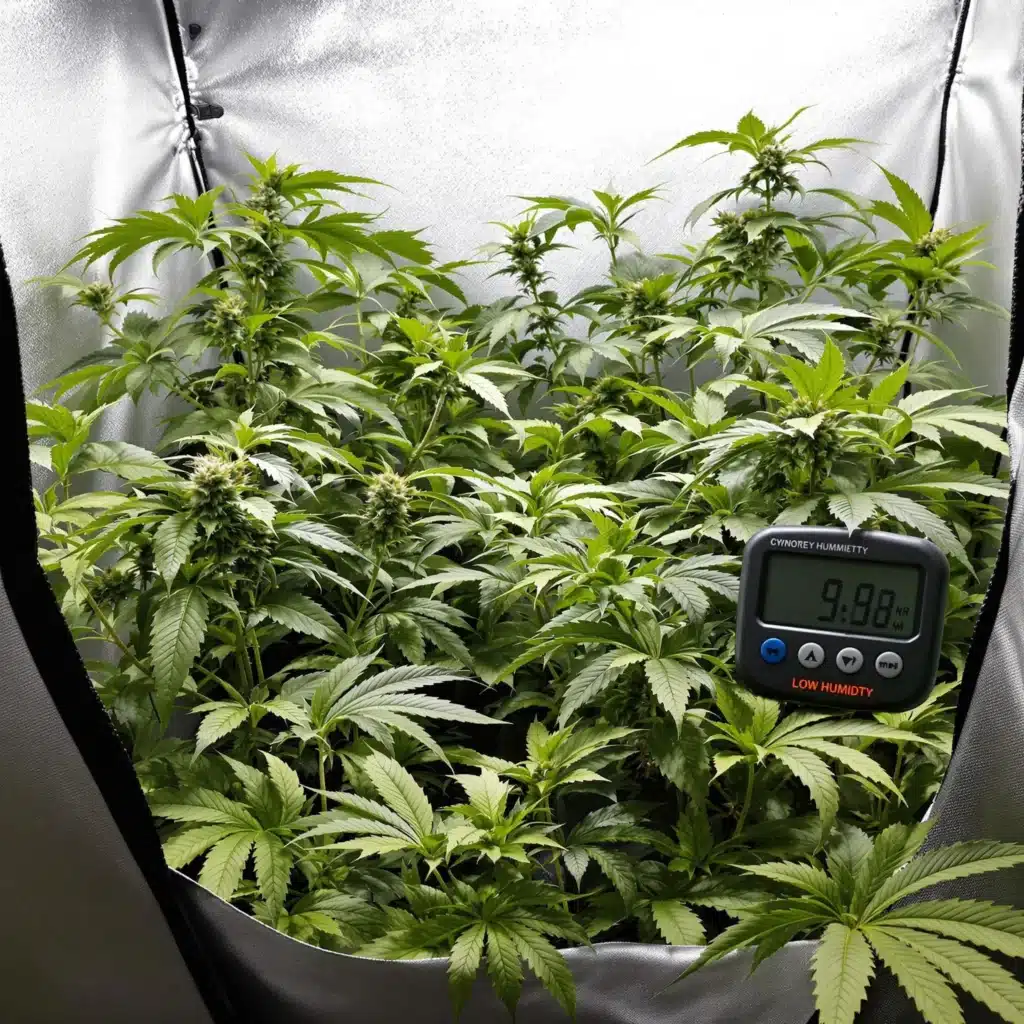
| Open vents with high airflow | Humidity loss | Partially close vents |
Credit: blimburnseeds.com
Monitoring Humidity Levels
Keeping the right humidity in your grow tent is very important. Too low or too high humidity can harm your plants.
To raise humidity, you must first know the current level. Monitoring helps you keep control and make changes when needed.
Using Hygrometers
A hygrometer measures the humidity inside your grow tent. It tells you how much moisture is in the air.
Place the hygrometer at plant level for accurate readings. Check it often to see if you need to adjust humidity.
- Choose a digital or analog hygrometer
- Keep it away from water to avoid damage
- Reset or calibrate it regularly for accuracy
Automating Humidity Control
You can automate humidity control to keep steady levels. This saves time and avoids big swings in moisture.
Use devices like humidifiers or dehumidifiers with built-in sensors. They turn on or off based on humidity readings.
- Set your desired humidity range on the device
- Connect it to a timer or smart controller
- Regularly clean and maintain the equipment
Preventing Mold And Mildew
Growing plants in a grow tent requires careful humidity control. Too much moisture causes mold and mildew growth. These fungi harm plants and reduce yields.
Learning the signs of over-humidification and maintaining good air circulation helps keep your grow tent healthy. This guide covers these key points.
Signs Of Over-humidification
Over-humidification creates an environment where mold and mildew thrive. Watch for these signs in your grow tent.
- Water droplets on leaves and walls
- A musty or damp smell inside the tent
- White or gray powdery spots on plants
- Slow or stunted plant growth
- Leaves turning yellow or brown
Maintaining Air Circulation
Good air circulation stops humidity from settling and prevents mold growth. Use fans and ventilation to keep air moving.
| Tool | Purpose | Tip |
| Oscillating Fan | Keeps air flowing around plants | Place at plant level |
| Exhaust Fan | Removes moist air from tent | Run continuously |
| Intake Vent | Brings fresh air inside | Keep vents open |
| Dehumidifier | Reduces excess moisture | Use if humidity stays high |

Credit: www.spider-farmer.com

Credit: www.reddit.com
Frequently Asked Questions
How Can I Increase Humidity In My Grow Tent Naturally?
You can raise humidity by placing water trays or wet sponges inside. Adding live plants also helps release moisture. These simple methods boost humidity without extra equipment.
What Devices Help Raise Humidity In Grow Tents?
Humidifiers are the most effective tools to increase humidity. They add consistent moisture and are easy to control. Misting systems and ultrasonic humidifiers also work well for grow tents.
How Often Should I Mist My Grow Tent Plants?
Misting once or twice daily is usually enough. It temporarily raises humidity and benefits plant leaves. Avoid over-misting to prevent mold or mildew growth.
Can Ventilation Affect Humidity Levels In Grow Tents?
Yes, strong ventilation lowers humidity by removing moist air. Adjust fan speed or timing to maintain optimal humidity. Balance airflow to avoid stagnant air and mold issues.
Conclusion
Raising humidity in your grow tent helps plants grow healthy. Use simple methods like misting or placing water trays inside. A humidifier can keep moisture steady and easy to control. Check humidity often with a reliable meter. Adjust air flow to avoid too much dryness.
Small changes make a big difference for plant health. Keep trying different ways until you find what works best. Growing plants in the right humidity feels rewarding. Your garden will thank you with better growth and yield.