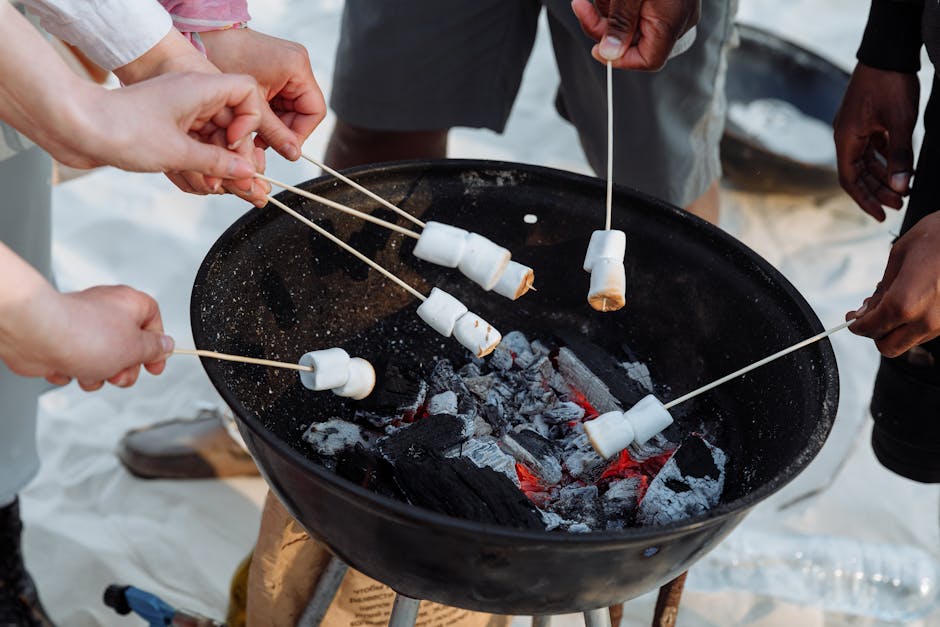
Want to get the perfect sear or cook your food faster on your charcoal grill? Knowing how to raise the temperature just right can make all the difference.
If you’ve ever struggled with low heat or uneven cooking, this guide is for you. You’ll learn simple, effective ways to boost your grill’s heat and take control of your cooking. Keep reading, and soon you’ll be grilling like a pro with hotter, more consistent flames every time.

Credit: www.siuhaau.com
Choosing The Right Charcoal
Raising temperature on a charcoal grill starts with choosing the right charcoal. The type of charcoal affects heat and cooking time.
Knowing the differences in charcoal helps you control the fire and get better results on the grill.
Lump Charcoal Vs Briquettes
Lump charcoal is made by burning wood in low oxygen. It lights quickly and burns very hot. Briquettes are made from compressed sawdust and other materials. They burn evenly and last longer.
- Lump charcoal gives higher heat and less ash.
- Briquettes provide steady heat for a longer time.
- Lump charcoal can vary in size and burn time.
- Briquettes have a consistent size and shape.
- Lump charcoal is natural with no fillers.
- Briquettes may contain additives to help light the fire.
Quality And Size Of Charcoal
Quality and size of charcoal pieces affect how well the grill heats up. Larger pieces burn slower but keep heat longer. Small pieces light fast but burn out quickly.
| Charcoal Size | Burn Time | Heat Control |
| Small pieces | Short | Hard to control, quick heat |
| Medium pieces | Medium | Better control, steady heat |
| Large pieces | Long | Easy control, slow heat |

Credit: www.amazon.com
Preparing The Grill For Higher Heat
Raising the temperature on a charcoal grill needs some preparation. You must get your grill ready to hold more heat safely and effectively.
Proper preparation helps you cook food faster and gives a better flavor. Let’s look at two key steps to prepare your grill.
Cleaning The Grill Grate
A clean grill grate helps heat spread evenly. It also stops old food bits from burning and making bad smoke.
Use a wire brush to scrub the grate before lighting the charcoal. Remove all stuck bits and ash for the best heat flow.
- Heat the grill slightly to loosen grime
- Brush the grate with a stiff wire brush
- Wipe the grate with a damp cloth
- Check for rust or damage and fix if needed
Arranging Charcoal For Maximum Heat
How you place the charcoal controls the grill’s temperature. More charcoal and tighter piles make higher heat.
Use a pile or mound shape to focus heat in one area. This creates a hot zone for searing food quickly.
- Light a large amount of charcoal for more heat
- Push the charcoal close together for better heat concentration
- Use a chimney starter to get charcoal evenly hot
- Keep vents open to allow more oxygen flow
Controlling Airflow
Managing airflow is key to raising the temperature on a charcoal grill. Proper control of air allows you to achieve the right heat level for cooking.
Using vents and dampers effectively will help you maintain the perfect grilling conditions. Let’s explore how to do this with ease.
Using Vents To Regulate Oxygen
Vents allow oxygen to reach the charcoal. More oxygen makes the fire burn hotter. Adjust the vents to control the temperature.
- Open vents wide for high heat
- Close vents partially for medium heat
- Close vents almost fully for low heat
Adjusting Dampers For Temperature
Dampers control the flow of air out of the grill. Adjusting them affects how hot the grill gets. Use them wisely to achieve the desired heat.
By opening or closing dampers, you can fine-tune the grill’s temperature. This helps in cooking your food evenly.
- Open dampers to increase heat
- Close dampers to decrease heat
- Check frequently to maintain steady temperature
Adding More Charcoal During Cooking
Raising the temperature on a charcoal grill is easy by adding more charcoal. This helps keep the heat steady for cooking.
Knowing when and how to add charcoal safely will improve your grilling experience and food taste.
When To Add Charcoal
Add charcoal when the grill temperature drops below your desired level. This keeps food cooking evenly.
Look for these signs to add charcoal:
- Flames become low or weak
- Charcoal ash covers the coals
- Cooking takes longer than usual
How To Safely Add Charcoal
Use tools like tongs or a chimney starter to handle hot charcoal. Avoid adding lighter fluid to hot coals.
Follow these steps to add charcoal safely:
- Wear heat-resistant gloves
- Open the grill lid before adding coals
- Place new charcoal on the edges, not directly on food
- Wait a few minutes for the new coals to heat up
- Close the lid to keep the heat in
Using A Chimney Starter
A chimney starter helps raise the temperature on a charcoal grill quickly. It uses a simple design to light charcoal evenly and fast. This method avoids the use of lighter fluid, making it cleaner and safer.
By using a chimney starter, you can get your grill hot in less time. It also helps create a steady heat for better cooking results.
Benefits Of A Chimney Starter
Using a chimney starter offers many advantages for grilling with charcoal. It makes lighting coals easier and more efficient.
- Lights charcoal evenly without chemicals
- Reduces smoke and unpleasant odors
- Heats coals faster for quick grilling
- Allows better control of cooking temperature
- Easy to use and clean after grilling
How To Use It Effectively
Follow these steps to use a chimney starter correctly. This will help you raise temperature fast and safely.
- Fill the chimney starter with charcoal up to the top.
- Place a fire starter or crumpled newspaper under the chimney.
- Light the fire starter or paper from several points.
- Wait about 10 to 15 minutes until coals are covered with gray ash.
- Pour hot coals evenly onto the grill’s charcoal grate.
- Spread coals for direct or indirect heat as needed.
| Action | Purpose |
| Fill chimney with charcoal | Prepare coals for lighting |
| Light fire starter under chimney | Ignite charcoal quickly |
| Wait for ash to form | Ensure coals are hot and ready |
| Pour coals into grill | Begin cooking with high heat |
Managing Grill Lid And Position
Raising the temperature on a charcoal grill depends a lot on how you handle the grill lid and where you place your food. Small changes can make a big difference in cooking heat.
This guide will help you use the grill lid and food position to increase temperature effectively.
Keeping The Lid Closed
Keeping the grill lid closed traps heat and smoke inside. This creates a hotter environment for your food. Opening the lid lets heat escape and lowers the temperature.
- Keep the lid closed as much as possible.
- Only open the lid to check food or add more charcoal.
- Use the lid’s vents to control airflow and temperature.
- Close vents to lower oxygen and temperature.
- Open vents to increase oxygen and temperature.
Positioning Food For Direct Heat
Where you place the food on the grill affects how much heat it gets. Placing food directly over hot charcoal gives the highest heat and faster cooking.
| Food Position | Heat Level | Use |
| Directly over charcoal | High | Quick searing and grilling |
| Next to charcoal (indirect) | Medium | Slow cooking and smoking |
| Far from charcoal | Low | Warming or gentle cooking |
Monitoring Grill Temperature
Keeping track of your charcoal grill’s temperature is key to cooking food properly. A steady temperature ensures your food cooks evenly and tastes great.
There are two main ways to watch the temperature: using built-in thermometers or external thermometer tools. Both have their uses and benefits.
Using Built-in Thermometers
Most charcoal grills come with built-in thermometers on the lid. These help you check the heat inside without opening the grill.
- Read the gauge often to keep the temperature steady.
- Remember, the built-in thermometer shows the air temperature near the top.
- It may not reflect the heat directly on the cooking surface.
- Adjust charcoal or vents based on the thermometer reading.
External Thermometer Tools
External thermometers offer more precise temperature readings. They measure heat right at the cooking grate or inside the meat.
| Type | Use | Benefit |
| Probe Thermometer | Inserted into meat | Checks internal temperature |
| Grill Surface Thermometer | Placed on grate | Monitors cooking surface heat |
| Wireless Thermometer | Remote monitoring | Watch temperature from distance |
Additional Tips For Consistent Heat
Keeping a steady temperature on your charcoal grill helps cook food evenly. Small changes can make a big difference in heat control.
These tips will help you keep your grill hot and steady for better cooking results.
Using Fire Starters
Fire starters help light charcoal quickly and evenly. They reduce the time charcoal takes to reach a good cooking temperature.
Use natural fire starters like wood shavings or wax cubes. Avoid lighter fluid, as it can add unwanted taste.
- Place fire starters under charcoal piles
- Light them carefully with a match or lighter
- Let charcoal burn until covered with gray ash
- Add more charcoal if needed to keep heat steady
Avoiding Moisture In Charcoal
Wet charcoal does not burn well and lowers grill temperature. Store charcoal in a dry place to keep it ready for use.
Check charcoal before use. If it feels damp, dry it in the sun or a warm area before lighting.
- Use airtight containers for storage
- Keep charcoal off the ground and cover it
- Do not use charcoal exposed to rain or snow
- Dry damp charcoal before grilling to improve heat
.jpg)
Credit: www.bbqspitrotisseries.com.au
Frequently Asked Questions
How Can I Increase Temperature On A Charcoal Grill?
To raise your charcoal grill temperature, add more hot coals evenly. Open the vents fully to improve airflow. Avoid overcrowding the grill lid to allow heat circulation.
What Role Do Grill Vents Play In Temperature Control?
Grill vents regulate oxygen flow, which fuels the charcoal. Opening vents increases airflow and temperature. Closing them reduces oxygen, lowering heat for better control.
Can Adding Lighter Fluid Raise Charcoal Grill Heat Quickly?
Yes, lighter fluid can ignite coals faster but use it cautiously. Excess fluid causes flare-ups and off-flavors. Use natural methods like more coals and vent adjustments for safety.
How Does Charcoal Arrangement Affect Grill Temperature?
Arranging charcoal in a tight pile creates higher heat zones. Spreading coals evenly lowers temperature for slow cooking. Adjust coal placement to control direct and indirect heat.
Conclusion
Raising the temperature on a charcoal grill takes practice and patience. Control the airflow by adjusting the vents. Add more charcoal gradually to increase heat. Keep the grill lid closed to trap the heat inside. Use a grill thermometer to monitor the temperature.
Small changes can make a big difference in cooking. Enjoy the process and learn from each grilling session. With time, controlling your grill’s heat will become easier. Happy grilling and tasty meals await!