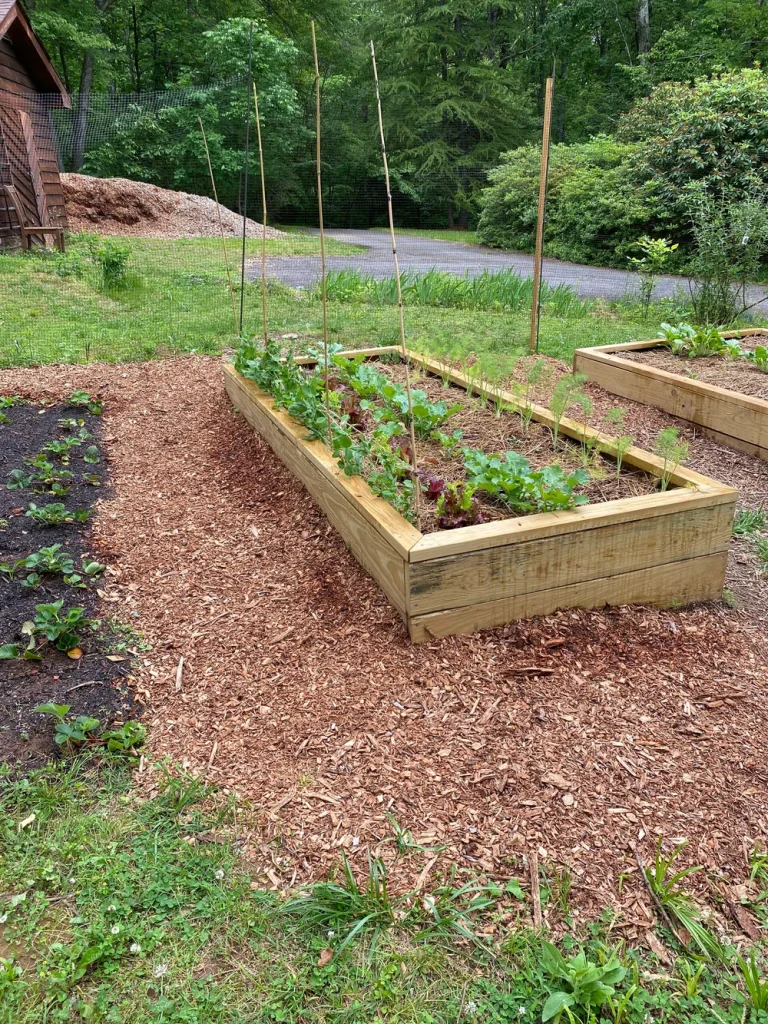
Are you ready to transform your gardening experience? Building a raised garden bed is one of the easiest and most effective ways to grow healthy plants, even if you have limited space or poor soil.
Imagine having a neat, organized garden that boosts your harvest and saves your back from bending too much. In this guide, you’ll discover simple steps to create your own raised bed, plus tips that will make your plants thrive. Keep reading to unlock the secrets of raised garden beds and watch your garden flourish like never before!

Credit: www.sproutboxgarden.com
Benefits Of Raised Garden Beds
Raised garden beds are popular for growing plants and vegetables. They offer many advantages over regular garden plots.
This guide explains the main benefits of using raised garden beds in your garden space.
Improved Soil Drainage
Raised beds allow water to drain better than flat ground gardens. This helps prevent waterlogging and root rot.
Good drainage keeps plant roots healthy and encourages faster growth.
Enhanced Soil Quality
You can fill raised beds with high-quality soil and compost. This lets you control the nutrients your plants get.
Better soil means stronger plants and higher crop yields.
Better Pest Control
Raised beds create a barrier against some ground pests like slugs and snails. They also make it easier to spot pests early.
This helps protect your plants and reduces damage from insects and animals.
Ease Of Access And Maintenance
Raised beds stand higher than the ground, so you do not need to bend down much. This reduces strain on your back and knees.
They also keep garden paths clear and make weeding, watering, and harvesting easier.

Credit: www.sproutboxgarden.com
Choosing The Right Location
Picking the best spot for your raised garden bed helps plants grow strong. Location affects sunlight, wind, and water access.
Consider these factors to make sure your garden thrives and stays healthy throughout the season.
Sunlight Requirements
Most vegetables need at least six hours of sunlight each day. Too little sun can slow growth and reduce yields.
- Choose a spot with full sun exposure
- Avoid areas shaded by trees or buildings
- Observe the sun path during the day
- Check for seasonal changes in sunlight
Avoiding Shade And Wind
Shade blocks sunlight, and strong wind can damage plants. Find a place with good air flow but some wind protection.
| Factor | Effect on Garden |
|---|---|
| Shade | Reduces sunlight, slows plant growth |
| Strong Wind | Can break stems, dry out soil quickly |
| Light Breeze | Helps with air circulation and pollination |
Proximity To Water Source
Watering is easier if your garden is near a water source. This saves time and keeps plants healthy.
Keep these tips in mind:
- Place the bed close to an outdoor faucet or rain barrel
- Use hoses or watering cans that reach the bed easily
- Check water availability during dry seasons
Selecting Materials For Raised Beds
Raised garden beds make gardening easier and more accessible. Choosing the right material is important for durability and looks.
Different materials have unique benefits. Learn about wood, metal, composites, and recycled options to find what suits your garden best.
Wood Options And Treatments
Wood is a popular choice for raised beds. It is natural and easy to work with. Common woods include cedar, pine, and redwood.
Treated wood lasts longer. Avoid harmful chemicals. Look for eco-friendly treatments that are safe for plants and soil.
- Cedar: naturally rot-resistant
- Pine: affordable but less durable
- Redwood: durable and attractive
Metal And Composite Choices
Metal beds are strong and long-lasting. They resist pests and rot. Common metals include galvanized steel and aluminum.
Composite materials mix wood fibers and plastic. They look like wood but need less maintenance. They are also weather-resistant.
- Galvanized steel: rust-resistant
- Aluminum: lightweight and durable
- Composite: low maintenance and wood-like
Recycled And Alternative Materials
Recycled materials are eco-friendly and cost-effective. Options include old bricks, pallets, and tires. They give gardens a unique look.
Alternative materials like straw bales can be used. They are temporary but enrich the soil as they decompose.
- Bricks: sturdy and reusable
- Pallets: easy to find and recycle
- Tires: creative and sustainable
Designing Your Raised Bed
Designing a raised garden bed helps you grow plants easily. It also makes your garden neat and organized.
Think about size, shape, depth, and paths to make your raised bed work well.
Size And Shape Considerations
Choose a size that fits your space and needs. Keep beds narrow so you can reach the middle easily.
- Common widths are 3 to 4 feet wide.
- Length can be any size, but 6 to 8 feet works well.
- Shapes like rectangles or squares are easy to build.
- Round or raised circle beds add style but may need more space.
Depth For Different Plants
Plant roots need different soil depths. Match bed depth to the plants you want to grow.
| Plant Type | Recommended Depth |
| Leafy greens | 6-8 inches |
| Root vegetables | 12-18 inches |
| Tomatoes and peppers | 12-24 inches |
| Small shrubs or flowers | 18-24 inches |
Incorporating Pathways
Paths let you walk between beds without stepping on plants. Plan them wide enough for tools.
Consider these tips for pathways:
- Make paths at least 18 inches wide.
- Use mulch, gravel, or stepping stones for easy walking.
- Keep paths clear of weeds and debris.
- Plan paths to allow access from all sides of the bed.
Preparing The Site
Preparing the site is important for a successful raised garden bed. It helps plants grow well and stay healthy.
Start by choosing the right spot and making sure the ground is ready. This guide covers clearing, leveling, installing weed barriers, and testing the soil.
Clearing And Leveling Ground
Clear the area of grass, rocks, and debris. A clean surface helps your garden bed sit firmly.
- Remove grass and weeds by hand or with a shovel.
- Take out stones and old roots.
- Use a rake to smooth the soil.
- Check the ground is flat and level using a board and a level tool.
- Add or remove soil to fix any uneven spots.
Weed Barrier Installation
Weed barriers stop unwanted plants from growing in your garden bed. They save time and keep your plants safe.
- Choose a durable, breathable weed barrier fabric.
- Cut the fabric to cover the entire bed area.
- Lay the fabric flat on the cleared ground.
- Secure the edges with garden staples or pins.
- Cut small holes in the fabric where you will plant.
Soil Testing And Amendments
Testing soil helps you know its health and what it needs. Amendments improve soil quality for better plant growth.
| Soil Test Element | What It Shows | Common Amendment |
|---|---|---|
| pH Level | Acidity or alkalinity of soil | Lime to raise pH, sulfur to lower pH |
| Nitrogen (N) | Plant growth nutrient | Compost, manure |
| Phosphorus (P) | Root and flower development | Bone meal, rock phosphate |
| Potassium (K) | Disease resistance and fruit quality | Wood ash, greensand |
Building The Raised Bed
Building a raised garden bed helps you grow plants in a controlled space. It keeps soil neat and improves drainage.
This guide explains how to build a sturdy raised bed that lasts long and supports healthy plants.
Assembly Steps
Start by choosing the right wood or material for your bed. Cut the pieces to the size you want.
Next, join the pieces together to form a box shape. Make sure the corners fit tightly.
- Lay out the wood pieces on a flat surface.
- Use screws or nails to connect the corners.
- Check that all sides are square and even.
Securing The Structure
Secure the bed to keep it stable and prevent it from moving. This is important for safety and durability.
Drive stakes into the ground at each corner and attach them to the bed frame. This holds the bed in place.
- Use wooden or metal stakes.
- Hammer stakes deep enough to stay firm.
- Fasten the stakes tightly to the frame.
Adding Support Features
Add supports to help the bed hold soil and plants better. Supports also stop the sides from bowing out.
Install corner braces or center supports inside the bed. These keep the frame strong and balanced.
- Attach metal or wooden braces at each corner.
- Place a support beam across the middle if the bed is wide.
- Check that all supports are secure before adding soil.
Filling The Bed With Soil
Filling a raised garden bed with the right soil is key for healthy plants. Good soil helps roots grow strong and holds moisture well.
Using the best soil mix and layering it correctly will make your garden thrive. Let’s look at how to fill your bed properly.
Choosing The Right Soil Mix
Pick soil that drains well but keeps some moisture. A mix of topsoil, compost, and organic matter works best.
Avoid heavy clay or sandy soil alone because they can harm plant roots or dry out quickly.
- Use 40% topsoil for structure
- Add 40% compost for nutrients
- Include 20% organic matter like peat moss
Layering Techniques
Start by adding coarse materials at the bottom to help drainage. Then add finer soil layers on top.
This layering stops water from pooling and gives roots space to grow.
- Bottom: small branches or straw
- Middle: mixed soil and compost
- Top: fine soil for planting
Adding Compost And Fertilizers
Compost adds nutrients and helps soil stay healthy. Mix it well into the soil before planting.
Use natural fertilizers like bone meal or blood meal to boost plant growth safely.
- Mix compost evenly through the soil
- Add slow-release organic fertilizer
- Avoid chemical fertilizers that can harm soil life

Credit: www.vegogarden.com
Planting Strategies
Raised garden beds need smart planting plans for better growth. Good strategies help plants grow healthy and strong.
This guide covers how to pick plants, rotate crops, and plant companions for the best results in your raised bed.
Selecting Suitable Plants
Choose plants that fit your local climate and soil type. Pick crops that grow well in raised beds.
- Use vegetables that need good drainage like carrots and lettuce.
- Pick herbs such as basil and parsley for easy care.
- Include flowers like marigolds to attract helpful insects.
- Consider plant size to avoid crowding in the bed.
Crop Rotation Tips
Move plants to different spots each season to keep soil healthy. Crop rotation stops pests and disease buildup.
| Crop Type | Next Season Plant |
| Leafy greens | Root vegetables |
| Root vegetables | Legumes |
| Legumes | Fruiting plants |
| Fruiting plants | Leafy greens |
Companion Planting
Plant certain crops near each other to help growth and reduce pests. Some plants protect or feed others.
- Tomatoes grow well with basil and onions.
- Carrots and onions keep pests away from each other.
- Corn, beans, and squash form a helpful trio.
- Marigolds repel many harmful insects near vegetables.
Watering And Maintenance
Taking care of a raised garden bed means giving it the right amount of water. Regular maintenance keeps plants healthy and growing strong.
Good watering and upkeep help prevent problems like dry soil or overgrowth. This guide covers simple ways to keep your garden thriving.
Irrigation Methods
Watering your raised bed can be done in different ways. Choose a method that saves water and reaches all plants evenly.
- Drip irrigation delivers water directly to the roots.
- Soaker hoses release moisture slowly into the soil.
- Hand watering allows control over how much water each plant gets.
- Sprinklers cover larger areas but can waste water if overused.
Mulching Benefits
Mulching adds a layer of material on top of the soil. It helps keep moisture in and stops weeds from growing.
| Mulch Type | Benefit |
| Wood chips | Keeps soil cool and moist |
| Straw | Breaks down to add nutrients |
| Leaves | Protects soil from erosion |
| Grass clippings | Adds nitrogen to soil |
Regular Weeding And Pruning
Weeds take nutrients and water from your plants. Pruning helps plants grow better by removing dead parts.
- Pull weeds by hand to avoid damaging roots.
- Prune plants after flowering to promote new growth.
- Remove dead or yellow leaves regularly.
- Check plants weekly for pests and diseases.
Troubleshooting Common Issues
Raised garden beds are great for growing plants. Sometimes, they have problems. Knowing how to fix them helps your garden thrive.
This guide covers common issues in garden beds. It helps solve problems with pests, soil, and structure.
Pest And Disease Management
Pests and diseases harm plants in garden beds. Regular checks prevent damage and keep plants healthy.
- Inspect plants weekly for signs of pests.
- Use natural pest repellents like neem oil.
- Remove infected leaves to stop disease spread.
Soil Nutrient Deficiencies
Plants need nutrients to grow well. Lack of nutrients can cause yellow leaves or poor growth.
| Deficiency | Symptom | Solution |
| Nitrogen | Yellow leaves | Add compost or manure |
| Phosphorus | Poor root growth | Use bone meal |
| Potassium | Weak stems | Apply wood ash |
Structural Repairs
Weather and time can damage garden beds. Fixing structures ensures plant safety and bed durability.
- Loose nails or screws
- Rotting wood
- Cracks in the bed frame
Repair or replace damaged parts promptly to maintain stability.
Extending The Growing Season
Raising a garden bed helps you grow plants longer each year. You can protect plants from cold and frost. This lets you enjoy fresh vegetables and flowers beyond normal seasons.
Some simple tools and methods can keep your garden warm. These include covers, special frames, and starting seeds indoors. Each method helps plants grow in cooler weather.
Using Row Covers And Cold Frames
Row covers are light fabrics that protect plants from frost and wind. Cold frames are small, transparent boxes that trap heat around plants. Both keep your raised bed warm during cold days.
- Place row covers over plants in late fall or early spring.
- Build or buy cold frames to fit your raised bed size.
- Ventilate cold frames on warm days to avoid overheating.
- Check soil moisture regularly under covers and frames.
Seasonal Planting Adjustments
Changing what you plant each season helps extend harvest time. Some crops grow better in cool weather, while others need warmth. Plan your garden to match these needs.
| Season | Good Crops |
| Early Spring | Lettuce, Peas, Spinach |
| Summer | Tomatoes, Peppers, Beans |
| Fall | Carrots, Broccoli, Kale |
| Winter | Garlic, Onions, Mustard Greens |
Indoor Seed Starting
Start seeds indoors to get a head start on the growing season. Use containers with good drainage and place them near sunny windows or grow lights. Transplant seedlings to your raised bed when strong.
- Choose seed trays or small pots for easy care.
- Keep soil moist but not soggy.
- Use a heating mat to speed germination in cool homes.
- Harden off seedlings before moving outside by exposing them gradually to outdoor conditions.
Frequently Asked Questions
What Materials Are Best For Raised Garden Beds?
Wood, stone, brick, and metal are popular materials for raised beds. Cedar and redwood resist decay well. Choose materials that suit your budget, style, and durability needs for a long-lasting garden bed.
How Deep Should A Raised Garden Bed Be?
A depth of 12 to 18 inches is ideal for most plants. This depth allows proper root growth and soil drainage. Deeper beds benefit root vegetables and larger plants, promoting healthy growth and better yield.
Can Raised Garden Beds Improve Soil Quality?
Yes, raised beds allow you to control soil quality easily. You can add compost, organic matter, and nutrients for optimal plant health. This results in better drainage, aeration, and fewer weeds.
How Often Should You Water Raised Garden Beds?
Water raised beds thoroughly about 2 to 3 times a week. Frequency depends on weather, soil type, and plant needs. Raised beds drain quickly, so consistent moisture is key for healthy plants.
Conclusion
Raised garden beds help grow plants better in small spaces. They improve soil quality and make gardening easier. You can control water and keep weeds away. Building one does not need many tools or skills. Start small and enjoy fresh vegetables and flowers soon.
Gardening this way brings joy and fresh air. Try it and watch your garden grow strong and healthy.