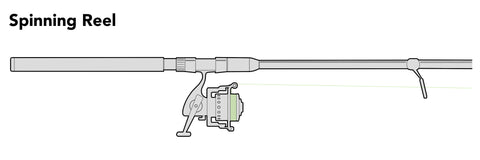
Have you ever been out fishing only to have your line snap or tangle at the worst moment? It’s frustrating, right?
Knowing how to re line a fishing pole yourself can save you time, money, and keep your fishing trips smooth. Whether you’re a beginner or just need a quick refresher, this guide will walk you through simple, step-by-step instructions. By the end, you’ll feel confident fixing your line like a pro, so you never miss a catch again.
Ready to get your fishing pole back in top shape? Let’s dive in.

Credit: www.reddit.com
Choosing The Right Fishing Line
Choosing the right fishing line is key to enjoy fishing and catch more fish. The line affects how you cast and how strong your setup is.
There are many types of fishing lines. You also need to think about line strength and your fishing style.
Types Of Fishing Lines
Fishing lines come in three main types: monofilament, fluorocarbon, and braided lines. Each type has its own features.
- Monofilament:Soft and easy to handle. It floats on water and is good for beginners.
- Fluorocarbon:Almost invisible in water. It sinks and is good for clear water fishing.
- Braided:Very strong and thin. It has no stretch and works well for heavy cover fishing.
Line Strength And Diameter
Line strength is measured in pounds (lb) and shows how much weight the line can hold. Diameter affects how the line moves through water and guides.
| Line Type | Strength Range (lb) | Diameter Range (inches) |
| Monofilament | 2 – 30 | 0.006 – 0.035 |
| Fluorocarbon | 4 – 40 | 0.008 – 0.040 |
| Braided | 10 – 80 | 0.005 – 0.030 |
Best Line For Your Fishing Style
Pick your fishing line based on the type of fish, water conditions, and how you fish. This helps you catch fish easier and avoid line breaks.
- If you fish in clear water, fluorocarbon is a good choice because it is less visible.
- For heavy cover or strong fish, braided line works best due to its strength and low stretch.
- Monofilament suits beginners and general fishing because it is easy to use and cast.
- Match line strength to the fish size. Use lighter lines for small fish and heavier lines for big fish.

Credit: www.reddit.com
Preparing Your Fishing Pole
Re lining your fishing pole is key to a good fishing day. Proper preparation helps avoid problems later. Follow simple steps to get your pole ready.
Start by removing old line and checking your gear. Clean your rod and reel for smooth fishing. This guide covers all these parts.
Removing Old Line
Remove the old fishing line carefully. Cut the line near the reel and pull it off the spool. This prevents tangles and damage.
- Cut the line close to the reel.
- Pull the line off slowly to avoid snapping.
- Dispose of old line properly to protect wildlife.
- Check the spool for any leftover bits of line.
Inspecting The Rod And Reel
Look over the rod and reel for damage. Check for cracks, rust, or worn parts. Fix or replace parts before adding new line.
| Part | What to Check | Action |
| Rod guides | Cracks or bends | Replace if damaged |
| Reel seat | Secure fit | Tighten if loose |
| Reel spool | Rust or dirt | Clean or replace |
| Handle | Wear or damage | Repair or replace |
Cleaning And Maintenance Tips
Clean your fishing pole to keep it working well. Use mild soap and water. Dry all parts before reassembly.
- Wash rod and reel with warm, soapy water
- Dry completely with a soft cloth
- Apply reel oil to moving parts
- Check line guides for dirt or salt buildup
- Store pole in a cool, dry place
Spooling The New Line
Spooling new line on your fishing pole is important for smooth casting. It helps avoid tangles and line breaks.
This guide covers how to attach the line to the reel, keep tension, and fill the spool the right way.
Attaching The Line To The Reel
Start by threading the new line through the rod guides toward the reel. Tie the line to the reel spool with a strong knot, like the arbor knot.
Maintaining Proper Tension
Keep the line tight while winding it onto the spool. Proper tension prevents loose loops that cause tangles.
- Hold the line between your fingers to keep it tight.
- Ask a friend to turn the reel handle slowly.
- Keep steady pressure on the line as it wraps.
- Stop if the line starts to bunch up or loops form.
Filling The Spool Correctly
Fill the spool to the right level to avoid line slippage or overfill. Do not fill the spool too full or too empty.
| Spool Size | Line Capacity | Recommended Fill Level |
|---|---|---|
| Small | 100 yards | 90 yards (90%) |
| Medium | 150 yards | 135 yards (90%) |
| Large | 200 yards | 180 yards (90%) |
Securing And Trimming The Line
After re-lining your fishing pole, securing and trimming the line is important. This step keeps the line strong and neat.
Properly finishing the line helps avoid tangles and line damage during fishing.
Tying The Line End
Tie a secure knot at the end of the fishing line. This prevents the line from slipping off the reel.
The most common knot is the improved clinch knot. Make sure it is tight and neat.
- Thread the line through the hook eye or lure.
- Wrap the line around itself 5 to 7 times.
- Pass the end through the small loop near the eye.
- Pull the knot tight and trim the loose end.
Cutting Excess Line
Use sharp scissors or clippers to cut the extra fishing line. Leave a small tail after the knot.
A clean cut reduces the chance of the line catching on objects or unraveling.
- Cut the line about 1/8 inch from the knot.
- Avoid cutting too close to prevent knot failure.
- Keep your cutters sharp for a clean cut.
Checking For Line Twists
Line twists cause tangles and weaken the line. Check for twists before fishing.
Hold the rod and let the line hang freely. Look for coils or loops.
- If you find twists, unwind the line carefully.
- Use a swivel to prevent future twists.
- Re-spool the line if twists are severe.
Testing Your Setup
After re-lining your fishing pole, it is important to test your setup. This helps make sure everything works well. Testing lets you catch problems early and fix them.
Try out different actions to see how your fishing pole feels. You want smooth casting and good control over the line.
Casting Techniques
Practice casting to check your new line. Start with short casts to get a feel for the pole. Aim for smooth, even movements without jerking.
Try casting at different distances. This shows if the line flows well and if the pole handles the weight properly.
- Use a steady wrist motion for control
- Keep your arm relaxed to avoid fatigue
- Watch the line for any tangles or snags
Adjusting Drag Settings
The drag controls how much resistance the fish feels when pulling the line. Set it right to avoid losing fish or breaking the line.
Turn the drag knob slowly and test by pulling the line with your hand. It should be tight but still let the line slip under pressure.
- Too loose drag lets fish pull too much line
- Too tight drag risks breaking the line
- Adjust drag based on the fish size you expect
Troubleshooting Common Issues
If your casting feels rough or the line gets stuck, check for common problems. Fixing these ensures a smooth fishing experience.
Look for knots, twists, or damage in the line. Check if the reel moves freely and the guides are clean.
- Untangle knots by gently pulling the line
- Replace damaged line sections to avoid breaks
- Clean reel and guides to reduce friction
- Make sure the reel spool is tight and spins smoothly

Credit: fishingbooker.com
Frequently Asked Questions
How Do I Know When To Re Line My Fishing Pole?
You should re line your fishing pole when the line looks worn, frayed, or weakened. Regular use causes damage, reducing casting distance and strength. Also, if you experience frequent line breaks or tangles, it’s time to replace the line to maintain fishing efficiency.
What Materials Are Best For Fishing Pole Re Lining?
Monofilament, fluorocarbon, and braided lines are popular choices for re lining. Monofilament is versatile and affordable. Fluorocarbon offers low visibility and abrasion resistance. Braided lines provide high strength and sensitivity. Choose based on fishing type, water conditions, and target species.
How Often Should I Re Line My Fishing Pole?
Re line your fishing pole every 6 to 12 months with regular use. Heavy or saltwater fishing may require more frequent replacement. Inspect your line before each trip to ensure it is in good condition and replace it promptly if damaged.
Can I Re Line A Fishing Pole Myself Easily?
Yes, re lining a fishing pole is simple and can be done at home. You need new fishing line, scissors, and time. Follow step-by-step guides or videos to spool the line correctly, avoiding twists and tangles for the best fishing experience.
Conclusion
Re-lining a fishing pole can seem tricky. But it gets easier with practice. Follow the steps, and you’ll succeed. Start by gathering all needed tools. Next, remove the old line gently. Then, attach the new line securely. Ensure the line sits properly on the reel.
Test the reel’s drag to check smoothness. Regular practice helps improve your skills. Soon, you’ll do this with confidence. Enjoy more successful fishing trips. Remember, practice makes perfect. Happy fishing!