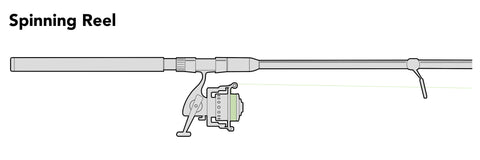
If you love fishing, you know how important it is to have your gear in top shape. Over time, your fishing line can wear out, tangle, or lose its strength.
Re-lining your fishing rod might sound tricky, but it’s easier than you think—and it can make a huge difference in your catch. In this guide, you’ll learn simple, step-by-step tips to get your rod ready for your next big fishing adventure.
Ready to take control of your fishing experience? Let’s dive in and give your rod the fresh line it deserves.

Credit: www.youtube.com
Tools And Materials Needed
Re lining a fishing rod is an important task for any angler. It keeps your gear ready for a good catch.
You need the right tools and materials to do the job well. This guide covers what you will need.
Selecting The Right Fishing Line
Choosing the correct fishing line depends on the type of fishing you do. Different lines suit different fish and water conditions.
Consider the line strength, material, and thickness. These factors affect casting and durability.
- Monofilament lines are flexible and easy to handle.
- Fluorocarbon lines are less visible in water and sink faster.
- Braid lines are strong and thin but less stretchable.
- Check the pound test to match your fishing needs.
Essential Tools For Re Lining
You need some basic tools to replace your fishing line smoothly. These tools help avoid damage to your rod and reel.
Having the right tools makes the job easier and faster. Here are the main tools you will need.
- New fishing line suitable for your rod and fishing style
- Scissors or line cutters to trim the line cleanly
- Needle nose pliers to tighten knots and remove old line
- Fishing reel to spool the new line properly
- Rod holder or support to keep the rod steady while working
- Tape or a marker to secure the line during re spooling

Credit: www.reddit.com
Preparing The Rod
Re-lining a fishing rod is a simple task that improves your fishing experience. Proper preparation is crucial for a smooth process.
Start by gathering all necessary tools and setting up your workspace. This ensures an efficient and organized procedure.
Removing The Old Line
Before adding new line, the old line must be completely removed. This prevents tangles and ensures smooth casting.
- Cut the old line near the reel.
- Unwind the line from the reel spool.
- Dispose of the old line properly to protect the environment.
Cleaning The Rod Guides
Rod guides need cleaning to ensure smooth line movement. Dirt or salt can damage the line and reduce casting distance.
Use a soft cloth and warm soapy water to clean each guide. Rinse with fresh water and dry thoroughly.
Attaching The New Line
Attaching a new fishing line is a key part of re-lining your rod. This step ensures your line stays secure during fishing.
Follow clear steps to tie the line to the reel and spool it properly. This helps avoid tangles and line breaks.
Tying The Line To The Reel
Start by threading the line through the reel’s guide. Then wrap the line around the spool of the reel.
Use a strong knot to secure the line. The Arbor knot is simple and effective for this task.
- Wrap the line once around the spool.
- Tie an overhand knot around the main line.
- Make a second overhand knot on the tag end.
- Pull both knots tight against the spool.
- Trim the excess tag end close to the knot.
Spooling The Line Properly
Keep the line tight as you wind it onto the reel. Loose line can cause tangles and casting problems.
Hold the line with slight tension between your fingers. Turn the reel slowly and evenly to fill the spool.
- Keep the line tight while spooling.
- Fill the spool to about 1/8 inch from the edge.
- Check for twists or loops as you wind.
- Stop when the spool is full but not overfilled.
- Cut the line and tie it to the rod’s line guide.
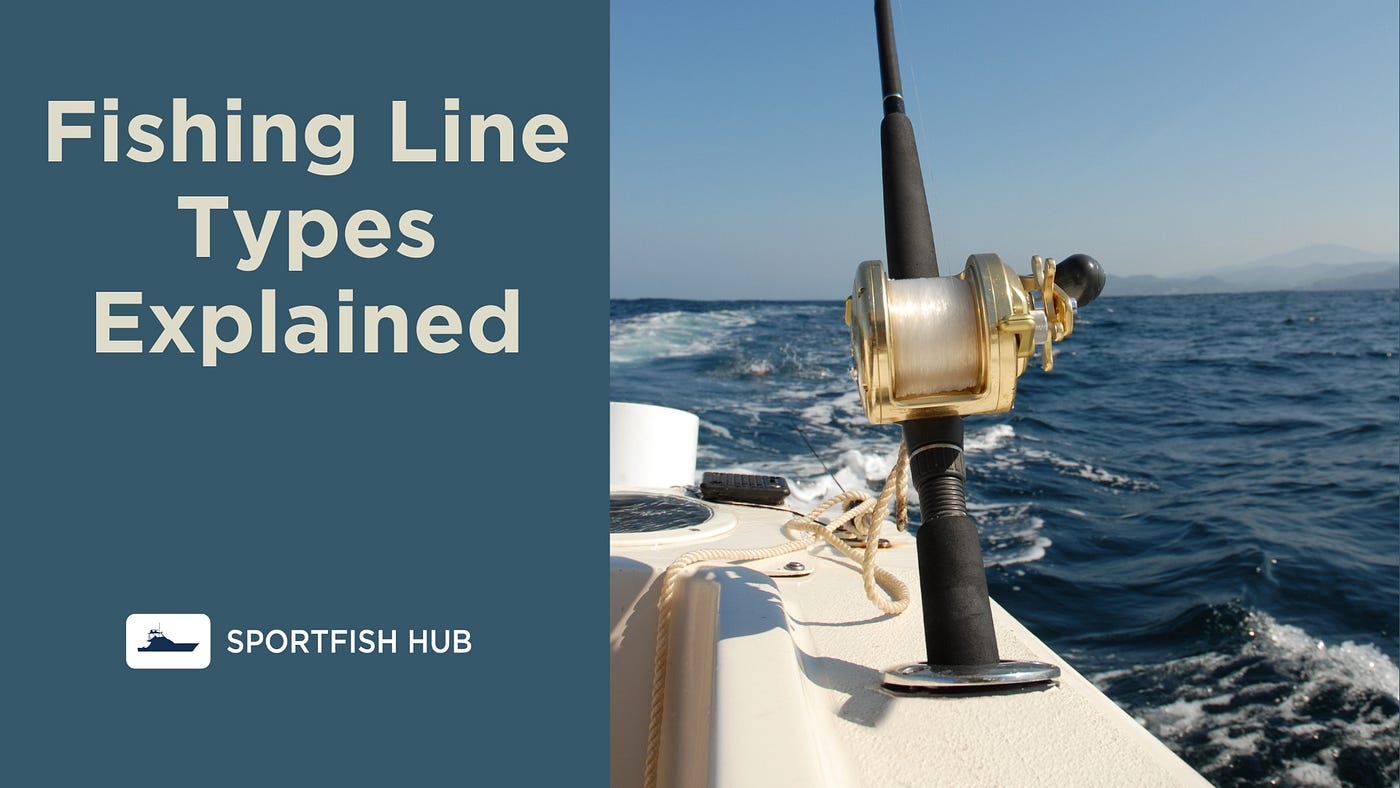
Credit: sportfishinghub.medium.com
Checking Line Tension
Checking line tension is important when re-lining a fishing rod. Proper tension keeps the line strong and ready for fishing.
Too loose or too tight tension can cause problems like line breakage or poor casting. Always check the tension carefully.
Maintaining Consistent Tension
Keep the line tight but not too tight while winding it on the reel. Consistent tension stops the line from overlapping or tangling.
Use your fingers or a tension tool to control the line as you wrap it. This helps the line stay smooth on the spool.
- Hold the line firmly with your fingers
- Wrap slowly and evenly around the spool
- Check the line for slack during winding
- Adjust tension if the line feels loose or tight
Avoiding Line Twists
Line twists can weaken the fishing line and cause tangles. Avoid twists by keeping the line straight as you spool it.
Make sure the reel and rod guides line up correctly. Let the line run freely from the spool to the reel without spinning.
- Use the correct spool direction for your reel
- Keep the line tight and straight during spooling
- Check for twists by letting the line hang freely
- Fix twists by letting the line untwist before reeling
Final Adjustments
After re-lining your fishing rod, it is important to make final adjustments. These steps help ensure the line works well and lasts longer.
Pay close attention to trimming the excess line and testing the casting performance. These actions make your fishing experience better.
Trimming Excess Line
Cut off any extra fishing line beyond the knot. This keeps the rod neat and prevents tangles.
Use sharp scissors or a line cutter. Leave about 1/8 inch of line to avoid slipping.
- Cut close to the knot, but not too tight
- Trim excess line slowly to avoid cutting the knot
- Check the line for any loose ends
Testing The Casting Performance
Test how the rod casts after re-lining. This shows if the line is set up correctly.
Cast in an open area with no obstacles. Feel how the line flows from the reel to the rod tip.
- Check for smooth line release during casting
- Listen for any unusual sounds or snags
- Adjust the drag if the line pulls too easily or is too tight
Tips For Longevity
Re lining a fishing rod is important to keep it working well. Taking care of the rod helps it last longer and stay strong.
These tips will help you keep your fishing rod in good shape for many fishing trips.
Regular Maintenance Practices
Check your fishing rod after each use. Clean the guides and reel seat with fresh water to remove dirt and salt.
Dry the rod fully before storing it. Look for cracks or damage and fix small problems early to avoid bigger issues.
- Rinse the rod with fresh water after fishing
- Wipe it dry with a soft cloth
- Inspect guides for cracks or bends
- Check reel seat for tightness
- Replace damaged line promptly
Storing Your Fishing Rod Correctly
Store your fishing rod in a cool, dry place away from direct sunlight. Avoid leaning it against walls to prevent warping.
Use a rod rack or hang it horizontally. Keep it away from heavy objects that might bend or break the rod.
- Keep the rod in a rod tube or case for protection
- Store horizontally or in a vertical rod rack
- Avoid extreme heat or cold
- Do not place heavy items on the rod
- Loosen the drag on the reel during storage
Frequently Asked Questions
How Often Should I Reline My Fishing Rod?
You should reline your fishing rod every 6 to 12 months. Frequent fishing, harsh conditions, or line damage may require earlier relining. Regular relining maintains line strength and improves casting performance, preventing breaks during fishing.
What Tools Are Needed To Reline A Fishing Rod?
To reline a fishing rod, you need new fishing line, scissors or line cutter, and a rod holder or clamp. Optional tools include a reel spooler and lubricant. These tools ensure a smooth, tangle-free line replacement.
Can I Reline My Fishing Rod At Home?
Yes, relining a fishing rod at home is easy and cost-effective. Follow step-by-step guides or videos. Make sure to remove the old line carefully, spool the new line evenly, and test for smooth casting.
What Type Of Line Should I Use For Relining?
Choose a line type based on fishing style and target species. Monofilament is versatile, fluorocarbon is low visibility, and braided line offers strength. Match line weight with rod specifications for optimal performance.
Conclusion
Re lining a fishing rod can be simple and quick. Follow each step carefully and take your time. Use the right tools and choose good quality line. Check for knots and make sure the line runs smooth. A well-lined rod helps you fish better and enjoy more.
Practice a few times to get comfortable with the process. Soon, re lining will feel like second nature. Keep your fishing gear ready and enjoy your next fishing trip!