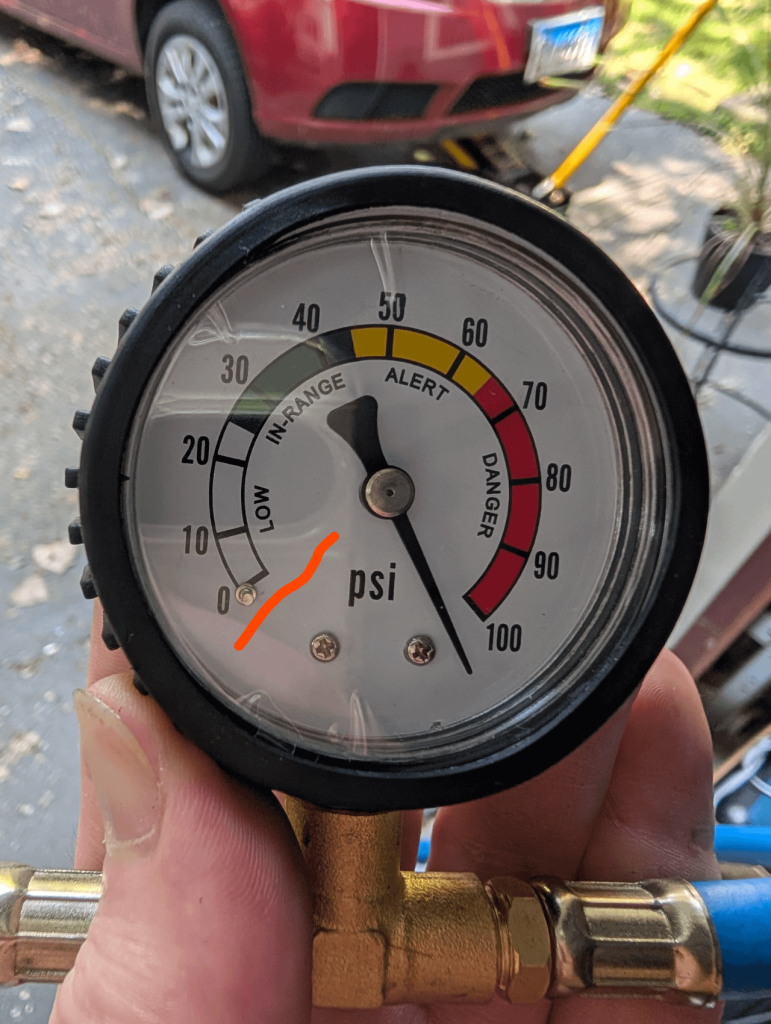
Have you ever wondered what those numbers and needles on your air conditioner’s pressure gauge really mean? Understanding this simple tool can save you time, money, and a lot of frustration.
When you know how to read your AC pressure gauge, you can spot problems early and keep your system running smoothly. You’ll learn exactly what to look for and how to interpret the readings, so you can take control of your air conditioner’s health with confidence.
Keep reading, and you’ll never feel lost staring at that gauge again.

Credit: www.reddit.com
Air Conditioner Pressure Gauge Basics
Air conditioner pressure gauges help measure the pressure inside the system. This is important to check if the AC works well. Using the gauge right keeps the system safe and efficient.
Knowing how to read these gauges can help you find problems early. It also guides you when adding or removing refrigerant.
Types Of Pressure Gauges
There are several types of pressure gauges for air conditioners. Each type shows different pressure levels and works for specific parts of the system.
- Low-Pressure Gauge:Measures the suction side pressure where refrigerant returns to the compressor.
- High-Pressure Gauge:Checks pressure on the discharge side after the compressor.
- Compound Gauge:Shows both vacuum and pressure in one dial. Useful for system evacuation and charging.
- Digital Pressure Gauge:Provides a digital readout for more precise measurements.
Key Components To Know
Understanding the parts of a pressure gauge helps in reading it correctly. Each component has a role in showing accurate pressure values.
| Component | Description |
| Dial | Displays the pressure reading in psi or bar units. |
| Needle | Points to the current pressure level on the dial. |
| Connection Hose | Links the gauge to the AC system for pressure measurement. |
| Valve | Controls the flow of refrigerant when testing or charging. |
| Case | Protects the internal parts from damage. |
Preparing To Read The Gauge
Reading an air conditioner pressure gauge is important for checking system performance. Before you start, take some time to prepare properly.
Preparation ensures your safety and helps you get accurate readings from the gauge.
Safety Precautions
Always follow safety rules before using the pressure gauge. This protects you and your equipment.
- Wear safety goggles to protect your eyes.
- Use gloves to avoid contact with refrigerant.
- Check for leaks before attaching the gauge.
- Work in a well-ventilated area.
- Keep tools away from electrical parts.
- Turn off the air conditioner power before connecting the gauge.
Tools And Equipment Needed
Gather the right tools to read the gauge safely and correctly. Having all equipment ready saves time.
| Tool | Purpose |
| Pressure gauge | Measures system pressure |
| Manifold gauge set | Connects to service ports |
| Protective gloves | Prevents skin contact with refrigerant |
| Safety goggles | Protects eyes from splashes |
| Leak detector | Finds refrigerant leaks |
| Thermometer | Checks temperature for accurate reading |
Step-by-step Reading Process
Reading an air conditioner pressure gauge helps check system health. It shows if the AC runs smoothly or needs service.
This guide explains how to connect the gauge, read high and low pressures, and understand common pressure ranges.
Connecting The Gauge
First, turn off the air conditioner and close the valves. Attach the low side hose to the low pressure port. Connect the high side hose to the high pressure port. Make sure the connections are tight to avoid leaks.
Next, open both valves slowly to let refrigerant flow into the gauge. Keep the gauge steady to get accurate readings.
Interpreting High And Low Side Pressures
The low side pressure shows how much refrigerant is in the evaporator. The high side pressure shows the pressure in the condenser. Both values tell you if the AC works well or if there is a problem.
- Check the low side gauge reading. It should be within the expected range for your AC model.
- Look at the high side gauge. It should be higher than the low side but not too high.
- Compare both readings to the standard pressure chart to find any issues.
- Note any sudden changes or abnormal readings that may indicate leaks or blockages.
Common Pressure Ranges
| Pressure Side | Normal Range (PSI) | Notes |
| Low Side | 25 – 45 | Depends on ambient temperature |
| High Side | 200 – 300 | Varies with AC load and temperature |
Use this table as a quick reference. If pressures fall outside these ranges, the system may need service.
Troubleshooting With Pressure Readings
Reading an air conditioner’s pressure gauge helps find problems. It shows the pressure inside the system.
Pressure readings can tell if the system has leaks, blockages, or wrong refrigerant levels.
Identifying Refrigerant Leaks
Low pressure on the gauge often means refrigerant is leaking. The system loses its cooling power.
Look for a pressure reading below the normal range for your AC model. This is a sign of leaks.
- Low suction pressure indicates lost refrigerant
- Pressure drops quickly after the system turns off
- Ice build-up on pipes can also show leaks
Detecting Blockages Or Restrictions
High pressure on the gauge can mean a blockage in the system. This stops refrigerant flow.
Check if the pressure is higher than normal on the high side of the gauge. This shows a restriction.
- High discharge pressure with low suction pressure
- Unusual noise or vibration near the blocked area
- Warm compressor can be a sign of blockage
Signs Of Overcharging Or Undercharging
Too much or too little refrigerant changes pressure readings. Both cause poor cooling and damage.
Overcharging shows as very high pressure on both sides. Undercharging shows as low pressure.
| Condition | Pressure Reading | Effect |
|---|---|---|
| Overcharging | High pressure on both low and high sides | Compressor stress and poor cooling |
| Undercharging | Low pressure on both low and high sides | Insufficient cooling and possible freeze-up |
Maintaining Accurate Gauge Readings
Reading an air conditioner pressure gauge correctly helps keep your system working well. Accurate readings prevent damage and improve efficiency.
To keep your gauge reliable, you must care for it properly. This includes calibration and careful storage.
Calibrating Your Gauge
Calibration ensures your gauge shows the right pressure. Without it, readings may be wrong, causing system issues.
Check the gauge against a known pressure source regularly. Adjust it if the reading is off. This keeps your gauge accurate.
- Use a calibration device or standard pressure source
- Compare your gauge reading with the standard
- Adjust the gauge needle or dial if needed
- Repeat calibration every few months
- Record calibration dates for maintenance
Proper Storage And Handling
Keep your gauge safe from damage by storing it carefully. Rough handling can cause wrong readings or break the gauge.
Store the gauge in a clean, dry place. Avoid dropping or exposing it to extreme temperatures.
- Use a protective case for storage
- Keep away from dust and moisture
- Do not expose to strong sunlight or heat
- Handle with care to avoid drops or impacts
- Inspect the gauge before each use

Credit: www.reddit.com

Credit: www.ebay.com
Frequently Asked Questions
What Does An Air Conditioner Pressure Gauge Measure?
An air conditioner pressure gauge measures refrigerant pressure inside the system. It helps detect leaks, blockages, or improper refrigerant levels for efficient cooling.
How Do I Read High And Low Side Pressure Gauges?
Low side gauges show suction pressure, while high side gauges display discharge pressure. Correct readings vary based on temperature and system type.
Why Is Pressure Gauge Reading Important For Ac Maintenance?
Pressure readings identify system issues early, preventing damage. Regular checks ensure optimal refrigerant charge and efficient air conditioner performance.
Can I Use A Pressure Gauge Without Hvac Experience?
Basic gauge reading is possible with guidance. However, interpreting readings and servicing AC safely requires professional knowledge and tools.
Conclusion
Reading an air conditioner pressure gauge helps keep your system working well. Check the numbers carefully to spot any problems early. Regular checks save money and prevent big repairs later. Trust your gauge to show if the pressure is too high or low.
Understanding these basics makes AC care easier and safer. Keep your home cool and comfortable all year long. Simple steps, good results.