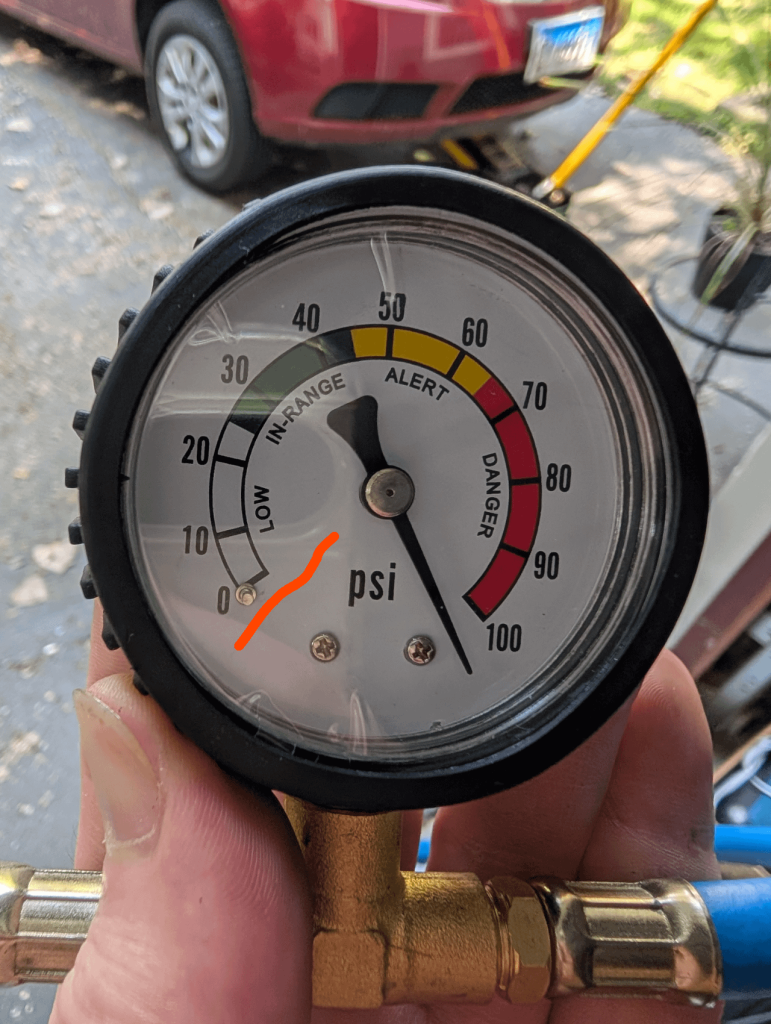
If you own an air conditioner, understanding how to read its pressure gauge can save you time, money, and frustration. You might think it’s complicated, but once you know what those numbers and needles mean, you can spot problems early and keep your AC running smoothly.
This guide will walk you through the basics step-by-step, so you feel confident checking your system yourself. Keep reading to unlock the secret to maintaining your AC like a pro.
Credit: www.youtube.com
Types Of Ac Pressure Gauges
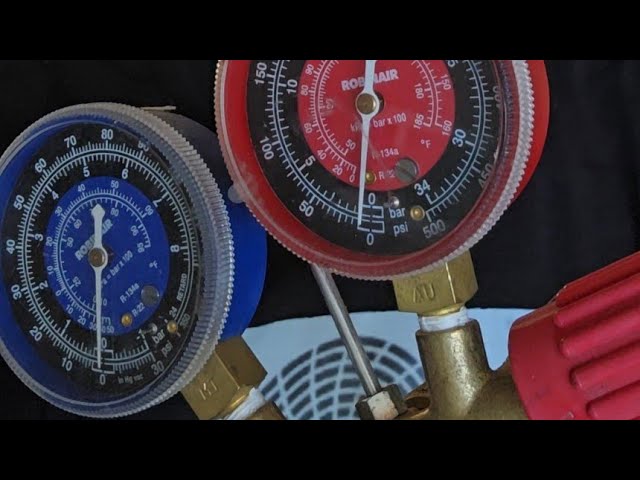
Low-pressure gaugesmeasure the pressure in the cooling side of the AC system. They show pressure in pounds per square inch (PSI) or inches of mercury (inHg). These gauges help check if the refrigerant is low or if there is a leak.
High-pressure gaugesmeasure pressure on the hot side of the AC. They display higher PSI values. These gauges are used to see if the system is working properly or if it is overcharged with refrigerant.
Compound gaugescombine low and vacuum pressure readings. They measure both positive and negative pressures. This makes them useful for checking system pressure and vacuum during repairs or evacuation.

Credit: www.ebay.com
Essential Tools For Reading
Choosing the right gaugeis key for accurate pressure readings. Use a gauge made for air conditioners. Check if it shows both high and low pressure. Look for a gauge with a clear dialand easy-to-read numbers. A durable design helps in tough conditions.
Safety gear protects you from risks during the reading process.
- Safety glasses:Protect your eyes from refrigerant splashes.
- Gloves:Keep your hands safe from cold and chemicals.
- Long sleeves:Prevent skin contact with refrigerants.
Preparing Your Air Conditioner
Turn off the air conditioner before checking the pressure gauge. This stops the unit and keeps you safe. Wait a few minutes to let the system rest.
Find the service ports on your air conditioner. They look like small valves with caps. Usually, there are two ports: low-pressureand high-pressure. The low-pressure port is bigger and often on the larger pipe. The high-pressure port is smaller and on the smaller pipe.
- Remove the caps carefully from the service ports.
- Check that the ports are clean and free from dirt.
- Use gloves for safety when handling these parts.
Connecting The Pressure Gauge
Attach the pressure gauge to the correct port carefully. The low-pressure sideport is usually larger and marked with a blue cap. Connect the gauge hose firmly to avoid leaks. Make sure the air conditioner is off before attaching the gauge. Tighten the connection with your hand only, not with tools. This prevents damage to the valve.
The high-pressure sideport is smaller and often has a red cap. Connect the gauge hose here with the same care. Be cautious as this side can have higher pressure. Secure the hose tightly but gently. Check for any leaks after connection. This ensures accurate readings and safety.
Reading Pressure Levels
The low-side pressuregauge shows pressure in the cooling part of the system. It helps check if the refrigerant level is correct. Low pressure means the system may be low on refrigerant or have a leak. High pressure on this side can mean a blockage or overcharge.
The high-side pressuregauge measures pressure after the refrigerant is compressed. High pressure here is normal but should stay within a safe range. If it gets too high, the system might be dirty or have a problem with the condenser. Low pressure can mean a failing compressor or other issues.
| Pressure Side | Normal Pressure Range (psi) |
|---|---|
| Low-Side | 25 – 45 psi |
| High-Side | 175 – 250 psi |
Common Pressure Issues
Low pressurein an air conditioner often means there is leakageor low refrigerantlevels. This causes the system to cool poorly. A dirty filteror clogged expansion valvecan also lead to low pressure. These issues reduce airflow and performance.
High pressurecan happen due to a blocked condenseror excess refrigerant. It may also occur if the fan is not working. High pressure strains the system and can cause damage.
Pressure fluctuationshappen when the system cycles on and off or due to a faulty pressure switch. They can also result from temperature changesor blockages. These changes may cause the AC to work unevenly.
Maintenance Tips For Accurate Readings
Regular calibrationkeeps the gauge accurate. Over time, gauges can lose precision. Check calibration yearly or as recommended by the manufacturer. Use a known pressure source for testing. Replace or repair if the gauge shows wrong readings.
Cleaning service ports is essential for clear readings. Dirt and debris can block the port. Use a soft brush or compressed air to clean them gently. Avoid harsh chemicals that may damage seals. Clean ports help maintain proper airflow and pressure measurement.
When To Call A Professional
Call a professional if the pressure gaugeshows very high or low readings. Strange noises or leaks near the unit are also signs. If the air conditioner does not cool well, it may have a problem with pressure.
Do not try to fix refrigerant leaksyourself. Handling refrigerants needs special tools and skills. Incorrect repairs can cause damage or be unsafe.
- Pressure readings outside normal ranges
- Visible leaks or frost on pipes
- Unit makes strange noises
- Cooling is weak or stops
- Gauge needle moves erratically
These signs mean it is time for expert help. Professionals have the right equipment to check and fix issues safely.

Credit: www.reddit.com
Frequently Asked Questions
How Do I Read An Air Conditioner Pressure Gauge?
To read the gauge, connect it to the AC system’s service port. Observe the needle position on the PSI or kPa scale. The reading shows system pressure, helping diagnose cooling efficiency or leaks.
What Does Low Pressure On The Ac Gauge Mean?
Low pressure often indicates refrigerant leaks or system undercharge. It may cause poor cooling performance. Timely inspection and recharge are essential to prevent compressor damage.
Can I Use Any Pressure Gauge For My Ac System?
No, use a gauge compatible with your AC refrigerant type. Different systems require specific gauges for accurate pressure readings and safe handling.
When Should I Check My Air Conditioner’s Pressure Gauge?
Check the gauge during maintenance or if cooling drops. Regular checks ensure efficient operation and early detection of issues like leaks or blockages.
Conclusion
Reading an air conditioner pressure gauge helps keep your unit running well. Check the gauge often to spot problems early. Know what the pressure numbers mean for your specific AC model. Use this info to decide if you need professional help.
Simple steps can save money and avoid bigger repairs. Stay attentive to pressure readings for a cool, comfortable home. Understanding your gauge is a smart habit for any AC owner.