Have you ever looked at your car tires and wondered what all those numbers and letters mean? Understanding tire numbers is more important than you might think.
They tell you everything about your tire’s size, performance, and safety. Knowing how to read these numbers can save you money, improve your driving experience, and keep you safe on the road. Stick with me, and I’ll show you exactly how to decode your tire numbers quickly and easily.
By the end, you’ll feel confident choosing the right tires for your car. Ready to unlock the mystery behind those numbers? Let’s dive in!
Tire Number Basics
Car tires have numbers and letters on their sidewalls. These numbers tell you the tire’s size, type, and performance features. Understanding tire numbers helps you choose the right tires for your vehicle.
This guide explains the main parts of tire numbers. You will learn how to read these codes and what they mean for your car.
Tire Width
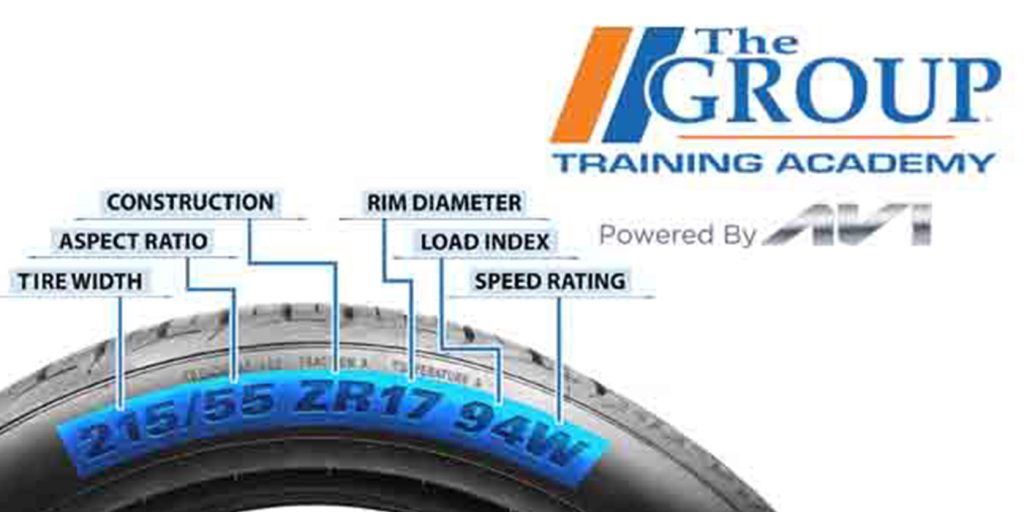
The first number in the tire code shows the tire width in millimeters. It measures the distance from one sidewall to the other. For example, 205 means the tire is 205 millimeters wide.
Aspect Ratio
The aspect ratio is the height of the tire’s sidewall. It is shown as a percentage of the tire width. A 55 means the height is 55% of the tire width. This affects the tire’s ride and handling.
Construction Type
A letter follows the aspect ratio. It shows the tire’s construction. “R” means radial, the most common type. Other letters include “D” for diagonal and “B” for bias-ply tires.
Wheel Diameter
This number shows the wheel size the tire fits. It is measured in inches. For example, 16 means the tire fits a 16-inch wheel. This number must match your car’s wheel size.
The load index is a number that shows how much weight the tire can carry. The speed rating is a letter that shows the maximum speed the tire can handle safely.
| Load Index | Max Load (lbs) | Speed Rating | Max Speed (mph) |
| 91 | 1356 | H | 130 |
| 95 | 1521 | V | 149 |
| 99 | 1709 | W | 168 |
| 104 | 1984 | Y | 186 |

Credit: www.youtube.com
Deciphering Tire Size
Car tire numbers may look confusing at first. They provide important information about the tire’s size and type.
Knowing how to read these numbers helps you pick the right tires for your vehicle. Let’s break down the key parts.
Width And Aspect Ratio
The first number in the tire size shows the width of the tire in millimeters. This is the distance from one sidewall to the other.
The aspect ratio is the second number. It shows the height of the tire’s sidewall as a percentage of the width.
- Width example: 205 means the tire is 205 mm wide.
- Aspect ratio example: 55 means the sidewall height is 55% of the width.
Construction Type
After the width and aspect ratio, you will see a letter. This letter indicates the tire’s construction type.
The most common letter is “R,” which means the tire has radial construction. Radial tires are standard in most cars today.
| Letter | Meaning |
| R | Radial construction |
| D | Diagonal or bias-ply construction |
| B | Belted bias construction |
Wheel Diameter
The last number in the tire size tells the wheel diameter. It shows the size of the wheel the tire fits, measured in inches.
For example, if the number is 16, the tire fits a 16-inch wheel.
Load Index And Speed Rating
Car tire numbers provide important information about tire limits. Two key parts are the load index and speed rating. Knowing these helps you choose the right tire for your vehicle.
Understanding these codes keeps you safe on the road. It also improves tire performance and lifespan.
Understanding Load Index
The load index is a number on the tire sidewall. It shows the maximum weight the tire can carry. Each number matches a weight in pounds or kilograms.
| Load Index | Maximum Load (lbs) | Maximum Load (kg) |
|---|---|---|
| 85 | 1,135 | 515 |
| 90 | 1,323 | 600 |
| 95 | 1,521 | 690 |
| 100 | 1,764 | 800 |
| 105 | 1,921 | 950 |
Always pick tires with a load index that meets or exceeds your vehicle’s needs. Check your car’s manual to find the right load index.
Interpreting Speed Rating
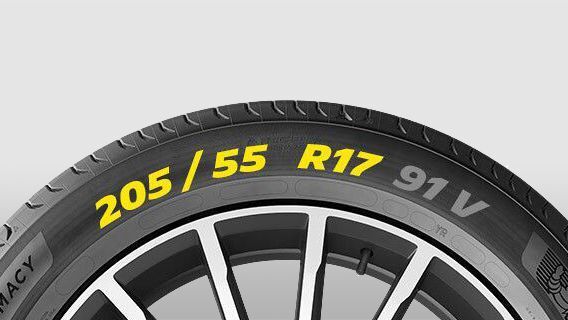
The speed rating is a letter on the tire sidewall. It shows the highest speed the tire can handle safely. This rating matches a speed in miles or kilometers per hour.
- L: Up to 75 mph (120 km/h)
- M: Up to 81 mph (130 km/h)
- Q: Up to 99 mph (160 km/h)
- R: Up to 106 mph (170 km/h)
- S: Up to 112 mph (180 km/h)
- T: Up to 118 mph (190 km/h)
- H: Up to 130 mph (210 km/h)
- V: Up to 149 mph (240 km/h)
- W: Up to 168 mph (270 km/h)
- Y: Up to 186 mph (300 km/h)
Choose a tire speed rating that matches or exceeds your normal driving speed. This ensures safety and better tire durability.
Credit: www.michelin.ca
Dot Code And Manufacturing Date
Car tires have numbers that tell important information. Two key details are the DOT code and manufacturing date.
These numbers help you know if your tire is safe and legal to use on the road.
Significance Of The Dot Code
The DOT code shows that the tire meets safety standards. It is required by law in many countries.
The code starts with “DOT” followed by letters and numbers. These identify the tire factory and size.
- It proves the tire passed safety tests
- Helps identify recalls or defects
- Shows where the tire was made
Reading The Manufacturing Date
The manufacturing date is part of the DOT code. It tells when the tire was made.
This date is shown as four numbers. The first two numbers mean the week, and the last two mean the year.
- Example: “2319” means the 23rd week of 2019
- Older tires can be unsafe even if unused
- Check this date before buying new or used tires
Treadwear, Traction, And Temperature Grades
Car tires have numbers that tell you how they perform. These numbers help you pick the right tire. Three important grades are treadwear, traction, and temperature.
Each grade shows how the tire handles wear, grip, and heat. Understanding these helps you drive safely and get the best value.
Treadwear Rating
The treadwear rating shows how long a tire lasts. A higher number means the tire should last longer. For example, a tire with a rating of 400 may last twice as long as one rated 200.
This rating comes from tests on how fast the tread wears down on a special testing machine. It helps you compare different tires.
Traction Grade
Traction grade tells you how well a tire can stop on wet roads. The grades are AA, A, B, and C. AA means the best grip, and C means the least.
- AA – Best wet stopping ability
- A – Good wet stopping ability
- B – Average wet stopping ability
- C – Lowest wet stopping ability allowed
Temperature Resistance
This grade shows how well a tire handles heat. Heat can damage tires at high speeds. The grades are A, B, and C.
| Grade | Meaning |
| A | Highest heat resistance |
| B | Moderate heat resistance |
| C | Minimum heat resistance allowed |
Choosing The Right Tire
Reading car tire numbers helps you find the right tire for your vehicle. These numbers show size, speed rating, and load capacity.
Choosing the correct tire keeps your car safe and improves driving comfort. It also helps your tires last longer.
Matching Tire Specs To Vehicle Needs
Check the tire size printed on the sidewall. It must fit your car’s wheel and body. Using the wrong size can cause problems.
Look at the load index and speed rating. These numbers show how much weight the tire can carry and the top speed it can handle safely.
- Size example: P215/65R15 means width, aspect ratio, and wheel diameter
- Load index: higher number means more weight capacity
- Speed rating: a letter showing maximum safe speed
Considering Driving Conditions
Your driving area affects the tire type you need. Roads, weather, and terrain all matter for tire choice.
Pick tires made for your usual conditions. This keeps you safe and improves tire performance.
- All-season tires work well in mild climates
- Winter tires improve grip on snow and ice
- Off-road tires handle rough, uneven surfaces
- Performance tires suit fast driving on smooth roads
Tire Maintenance Tips
Car tires need regular care to last longer and keep you safe. Proper maintenance helps your tires perform well.
Check your tires often and keep them at the right air pressure. These habits improve fuel efficiency and prevent accidents.
Regular Inspection And Rotation
Inspect your tires every month for damage or uneven wear. Look for cracks, cuts, or objects stuck in the tread.
- Check tread depth to ensure good grip on the road.
- Rotate tires every 5,000 to 7,000 miles to even out wear.
- Replace tires if tread is too low or damage is severe.
- Clean tires and wheels to remove dirt and debris.
Maintaining Proper Inflation
Keep your tires inflated to the pressure recommended by your car maker. Under or over inflation causes uneven wear and bad handling.
| Inflation Tip | Why It Matters |
| Check pressure monthly | Prevents poor fuel economy and tire damage |
| Use a reliable gauge | Ensures accurate pressure reading |
| Adjust pressure when cold | Gives correct inflation level |
| Follow vehicle’s recommended PSI | Improves safety and tire life |

Credit: www.cjponyparts.com
Frequently Asked Questions
What Do The Numbers On Car Tires Mean?
Car tire numbers indicate size, type, and performance. They show width, aspect ratio, construction, and diameter. This helps you select the right tire for your vehicle and driving needs.
How To Read Tire Size On A Car Tire?
Tire size is written as a series like P215/65R15. The first number is width in millimeters. The second is aspect ratio, the sidewall height as a percentage of width. The last number is wheel diameter in inches.
Why Is Tire Aspect Ratio Important?
Aspect ratio affects ride comfort and handling. A lower ratio means a shorter sidewall for better cornering. A higher ratio offers a smoother ride. Knowing this helps you pick tires that match your driving style.
What Does The Tire Load Index Represent?
The load index shows the maximum weight a tire can support. It’s a numerical code found next to the tire size. Correct load index ensures safety and prevents tire damage under heavy loads.
Conclusion
Reading car tire numbers helps you choose the right tires safely. These numbers tell you tire size, speed limits, and load capacity. Knowing them prevents mistakes and improves your driving. Checking tire numbers is quick and easy. Next time you buy tires, remember what these numbers mean.
This simple skill saves time and money. Stay safe on the road by understanding tire numbers well. Keep your car running smoothly with the right tires. It all starts with reading those numbers right.