Do you ever look at your car tires and wonder what all those numbers and letters mean? Understanding tire sizes is easier than you think, and it can save you money, improve your car’s performance, and keep you safer on the road.
In this guide, you’ll learn exactly how to read your tire sizes step by step. By the time you finish, you’ll know how to pick the right tires with confidence—no more guessing or relying on others. Let’s get started and unlock the secrets behind those tire markings!

Credit: www.counterman.com
Tire Size Basics
Car tires have numbers and letters on their sidewalls. These marks tell you the tire’s size and type.
Knowing how to read these numbers helps you pick the right tire for your car.
What Tire Numbers Mean
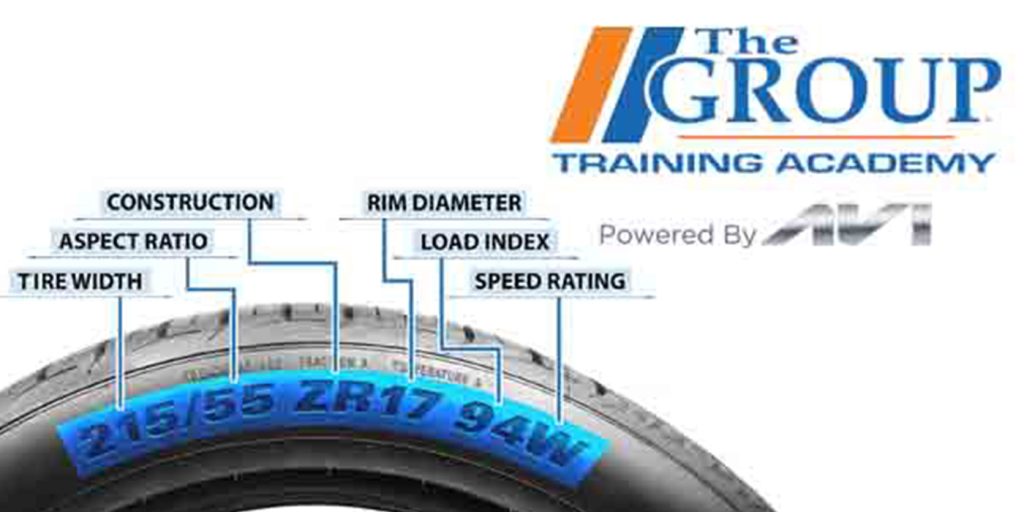
Tire sizes have codes that show width, height, and other features. Each part means something important.
- Width:The first number is the tire width in millimeters.
- Aspect ratio:This shows the height of the sidewall as a percentage of the width.
- Construction:A letter tells the tire’s internal build, usually “R” for radial.
- Diameter:The last number is the wheel diameter in inches.
- Load index:This number indicates how much weight the tire can carry.
- Speed rating:A letter shows the maximum speed the tire can handle safely.
Common Tire Size Formats
Tires come in different size formats. The most common are metric and P-metric sizes.
| Format | Description | Example |
|---|---|---|
| Metric | Shows tire width in millimeters and aspect ratio. | 205/55R16 |
| P-Metric | For passenger vehicles, similar to metric but starts with “P”. | P215/65R15 |
| LT-Metric | Light truck tires, stronger and often have more load capacity. | LT235/75R15 |
| Numeric | Older style showing tire width and sidewall height in inches. | 7.50-16 |

Credit: www.cjponyparts.com
Decoding Tire Width
Tire width is a key number on your car tire. It tells you how wide the tire is from sidewall to sidewall. This measurement helps you know which tires fit your car.
Understanding tire width helps you pick tires that work well with your car’s design and driving needs.
Measuring Tire Width
Tire width is shown in millimeters on the tire sidewall. It is the first number in the size code. For example, in 205/55R16, the width is 205 mm.
- The width is the distance across the tire’s tread.
- It does not include the sidewalls.
- Width affects the contact patch with the road.
- Wider tires often have better grip.
Impact On Performance
| Width (mm) | Effect on Grip | Effect on Fuel | Effect on Handling |
|---|---|---|---|
| 185 | Good for normal roads | Better fuel economy | Stable but less sharp |
| 205 | Improved grip on wet roads | Moderate fuel use | More responsive |
| 225 | Better cornering grip | Lower fuel efficiency | Sharper handling |
Aspect Ratio Explained
The aspect ratio on a car tire shows the sidewall height. It is a percentage of the tire’s width. This number helps you understand the tire’s shape and size.
Knowing the aspect ratio is key to picking tires that fit your car and driving style. It affects how the tire looks and performs on the road.
Understanding Sidewall Height
The sidewall height is the distance from the rim to the tire tread. It is shown as a percentage of the tire’s width in the aspect ratio.
- A higher aspect ratio means a taller sidewall.
- A lower aspect ratio means a shorter sidewall.
- Taller sidewalls give more cushioning on rough roads.
- Shorter sidewalls improve handling and cornering.
Effects On Ride Comfort
| Aspect Ratio | Ride Comfort | Handling |
| High (e.g., 70) | Smoother ride, absorbs bumps well | Less responsive |
| Medium (e.g., 55) | Balanced comfort and control | Good handling |
| Low (e.g., 35) | Stiffer ride, less shock absorption | Sharp handling and cornering |
Wheel Diameter Insights
The wheel diameter is a key number in tire sizes. It tells you the size of the rim that fits the tire.
Knowing the wheel diameter helps you pick the right tire for your car and rim.
Matching Tire To Rim Size
The tire size includes the wheel diameter in inches. This number must match the rim size exactly.
- If the tire diameter is 16 inches, the rim must be 16 inches too.
- A tire with a larger diameter will not fit a smaller rim.
- Using the wrong rim size can cause air leaks or tire damage.
- Always check the tire and rim sizes before buying or mounting tires.
Importance For Vehicle Fit
| Aspect | Why It Matters |
| Tire Diameter | Affects speedometer accuracy and vehicle handling |
| Rim Diameter | Must match tire for safe mounting and performance |
| Vehicle Clearance | Incorrect size can cause rubbing on suspension parts |
| Load and Speed Ratings | Ensure the tire meets vehicle specifications for safety |
Load Index And Speed Rating
Car tire sizes have many numbers and letters. Two important parts are the load index and speed rating. They tell you how much weight the tire can carry and how fast it can safely go.
Understanding these helps you choose the right tires. This keeps your car safe and working well.
What Load Index Indicates
The load index is a number on the tire sidewall. It shows the maximum weight the tire can hold. Each number matches a weight in pounds or kilograms.
Choosing a tire with the right load index is important. If the tire carries less weight than your car needs, it can be dangerous.
| Load Index | Maximum Load (kg) | Maximum Load (lbs) |
|---|---|---|
| 85 | 515 | 1135 |
| 90 | 600 | 1320 |
| 95 | 690 | 1521 |
| 100 | 800 | 1764 |
| 105 | 925 | 2039 |
Decoding Speed Ratings
The speed rating is a letter on the tire sidewall. It shows the maximum speed the tire can handle safely. Each letter matches a speed in miles or kilometers per hour.
Using tires with the correct speed rating keeps you safe. Tires with a lower rating can wear out or fail at high speeds.
| Speed Rating | Max Speed (km/h) | Max Speed (mph) |
|---|---|---|
| L | 120 | 75 |
| M | 130 | 81 |
| N | 140 | 87 |
| P | 150 | 93 |
| Q | 160 | 99 |
| R | 170 | 106 |
| S | 180 | 112 |
| T | 190 | 118 |
| U | 200 | 124 |
| H | 210 | 130 |
| V | 240 | 149 |
| W | 270 | 168 |
| Y | 300 | 186 |
Additional Tire Markings
Tire sidewalls show more than just size. They also have codes about durability, grip, and heat resistance. These markings help you pick the right tire for your car and driving needs.
Understanding these extra codes is important. They tell you how a tire performs and when it was made. This guide explains four key markings you will find on tires.
Treadwear, Traction, And Temperature Codes
These codes come from a rating system set by the U.S. Department of Transportation. They give you an idea of tire quality and safety.
| Code | Meaning | Details |
|---|---|---|
| Treadwear | Wear Rate | Higher number means longer tread life. |
| Traction | Stopping Ability | Grades: AA (best), A, B, C (lowest). |
| Temperature | Heat Resistance | Grades: A (best), B, C (lowest). |
Manufacture Date
The manufacture date shows when the tire was made. It is a four-digit code on the sidewall. The first two digits are the week, and the last two are the year.
- Example: 2319 means the 23rd week of 2019.
- New tires are safer and last longer.
- Check this code before buying used tires.
Safety Symbols
Tires also have safety marks to show they meet rules. One common mark is the DOT symbol. It means the tire passed U.S. safety tests.
Other symbols include:
- M+S– Mud and Snow rating for all-season tires.
- 3PMSF– Three-Peak Mountain Snowflake symbol for severe snow conditions.
- Reinforced– Indicates extra strength for heavy loads.
Choosing The Right Tire Size
Choosing the right tire size helps your car drive safely and smoothly. It also protects your vehicle from damage.
You can find the correct tire size by reading your vehicle’s guide and thinking about your driving needs.
Consulting Vehicle Manuals
Your vehicle manual lists the best tire sizes for your car model. It includes numbers and letters that show tire width, height, and diameter.
| Manual Section | Information Provided |
| Tire Size | Exact tire dimensions recommended |
| Load Index | Maximum weight each tire can carry |
| Speed Rating | Maximum speed tire can handle safely |
Considering Driving Conditions
Driving conditions affect which tire size you should choose. Roads, weather, and speed all matter.
- For rough roads, choose tires with stronger sidewalls.
- In wet or snowy areas, pick tires with better grip and wider tread.
- High-speed driving needs tires with higher speed ratings.
- Off-road driving requires larger tires for better clearance.

Credit: www.youtube.com
Frequently Asked Questions
What Do Tire Size Numbers Mean?
Tire size numbers indicate key specifications of the tire. They include width, aspect ratio, and diameter. Understanding these numbers helps in selecting the right tire for your vehicle. Proper knowledge of tire sizes ensures safety and optimal performance on the road.
How Do I Read Tire Size Codes?
Tire size codes are typically found on the tire’s sidewall. They include a series of numbers and letters. The sequence generally starts with the tire’s width, followed by the aspect ratio, and ends with the diameter. Knowing how to read these codes helps in maintaining your vehicle’s performance.
Why Is Tire Size Important?
Tire size affects your vehicle’s handling, fuel efficiency, and overall safety. The right tire size ensures optimal contact with the road. Incorrect tire sizes can lead to reduced performance and safety risks. Always refer to your vehicle’s manual for recommended tire sizes.
Can I Change My Car’s Tire Size?
Yes, you can change your tire size, but proceed with caution. Choosing the wrong size can affect vehicle performance and safety. It’s best to consult with a tire expert or refer to your vehicle’s manual. Always ensure new tires are compatible with your vehicle’s specifications.
Conclusion
Understanding car tire sizes helps you choose the right tires easily. Each number and letter tells you important information. This knowledge keeps your car safe and improves driving comfort. Always check tire sizes before buying new ones. Correct tire size helps your car run well and saves money.
Keep this guide handy for quick reference anytime. Reading tire sizes is simple with practice and attention. Stay informed, and your car will perform better on every trip.