Have you ever looked at your car tires and wondered what all those numbers and letters mean? Understanding how to read your car tires is easier than you think—and it can save you money, keep you safe, and improve your car’s performance.
Whether you’re checking tire pressure, planning a replacement, or just curious, knowing what’s written on your tires gives you control over your vehicle’s health. Keep reading, and you’ll soon be able to decode your tires like a pro.

Credit: www.bfgoodrichtires.com
Tire Sidewall Basics
The tire sidewall holds important information about your car tires.
Reading the sidewall helps you understand tire size, speed limits, and brand details.
Decoding Tire Size
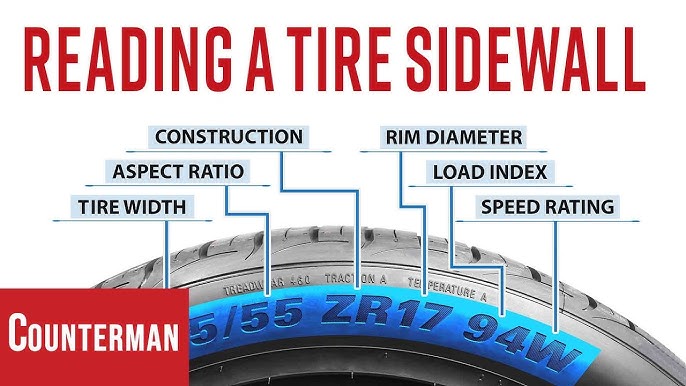
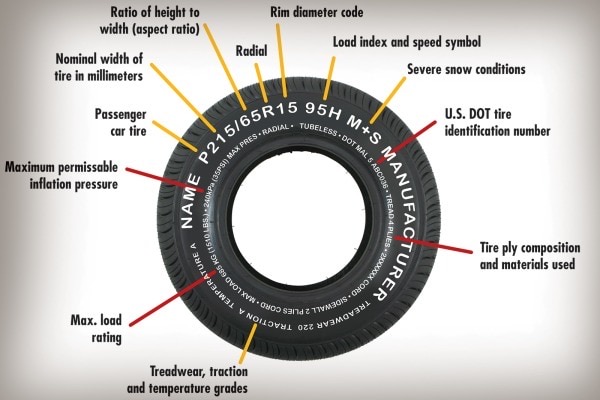
Tire size shows the width, height, and wheel diameter. It looks like this: P215/65R15.
- Pmeans passenger tire.
- 215is the width in millimeters.
- 65is the aspect ratio (height to width percentage).
- Rmeans radial construction.
- 15is the wheel diameter in inches.
Understanding Load Index And Speed Rating
The load index shows the tire’s weight capacity. The speed rating shows the max speed allowed.
| Load Index | Weight Capacity (lbs) |
| 85 | 1,135 |
| 90 | 1,323 |
| 95 | 1,521 |
| 100 | 1,764 |
- Speed Ratingsuse letters like S, T, H, V, and W.
- Sis up to 112 mph.
- His up to 130 mph.
- Vis up to 149 mph.
Identifying Tire Brand And Model
The sidewall shows the tire brand and model name. These help you find the exact tire type.
Look for a large logo or name on the sidewall. The model name is usually near the brand.
This info helps when buying replacements or matching tires.
Credit: whnutt-son.com
Tread Patterns And Their Purpose
Car tires have special patterns on their surface called tread patterns. These patterns help the tires grip the road and keep the car safe.
The tread design affects how well the tire performs in different weather and road conditions. It also shows how the tire wears over time.
Types Of Tread Designs
There are several common tread designs on car tires. Each design works best in certain situations and weather.
- Straight Tread:Has simple straight grooves. Good for dry roads and easy to clean.
- Symmetrical Tread:Pattern looks the same on both sides. Offers smooth ride and long life.
- Asymmetrical Tread:Different patterns on each side. Balances wet grip and cornering control.
- Directional Tread:V-shaped grooves that point in one direction. Helps move water away quickly on wet roads.
How Tread Affects Performance
Tread patterns change how a tire handles on the road. They affect grip, noise, and water resistance.
Good tread keeps the car stable in rain, snow, or dry conditions. It also helps stop the car safely.
- Deep grooves remove water from under the tire to prevent slipping.
- Wide tread blocks improve traction on dry roads.
- Special designs reduce road noise for a quiet ride.
- Sipes (tiny cuts) increase grip on ice and snow.
Reading Tread Wear Indicators
Tires have small bars inside the grooves. These bars show how much the tread has worn down.
When the tread wears to the level of these bars, it means the tire needs to be replaced for safety.
- Tread wear indicators are usually 2/32 inches tall.
- Check if the tread is flush with these bars to know tire condition.
- Uneven wear can mean poor alignment or low tire pressure.
- Regular checks help avoid accidents and improve tire life.
Interpreting Tire Age And Condition
Knowing the age and condition of your car tires is very important. Old or damaged tires can cause accidents.
By checking tire age and condition, you keep your car safe and improve its performance.
Finding The Manufacture Date
Every tire has a code that shows when it was made. This code is on the sidewall.
The code is called the DOT code. The last four digits tell the week and year of manufacture.
- First two digits: week of the year (01 to 52)
- Last two digits: year (for example, 23 means 2023)
Signs Of Tire Aging
Tires get old even if they look fine. Look for cracks on the sidewall or tread.
Faded color or dry rubber shows the tire is aging. Old tires lose grip and can fail.
- Cracks or splits in rubber
- Rubber feels hard or brittle
- Faded or dull color
- Tread wears unevenly
Spotting Damage And Defects
Check your tires for cuts, bulges, or embedded objects. These can cause a blowout.
Also, look for bubbles or lumps on the sidewall. They mean internal damage.
- Sharp cuts or holes
- Bulges or bubbles on sidewall
- Objects stuck in tread
- Uneven or rapid tread wear

Credit: www.cjponyparts.com
Pressure And Inflation Tips
Car tires need the right pressure to work well and stay safe. Proper inflation helps your tires last longer and improves your car’s handling.
Checking and adjusting tire pressure is simple and important. It keeps your ride smooth and helps save fuel.
Recommended Pressure Levels
Each car has a recommended tire pressure. You can find it on a sticker inside the driver’s door or in the car manual.
Most car tires need between 30 and 35 PSI (pounds per square inch). Use the exact number for your vehicle for best results.
- Check the sticker or manual for your car’s pressure
- Use the number for cold tires, before driving
- Adjust pressure to match the recommended PSI
How To Check Tire Pressure
Use a tire pressure gauge to measure your tires’ pressure. These tools are cheap and easy to use.
Check pressure when tires are cold. This means the car has not been driven for at least three hours.
- Remove the valve cap from the tire
- Press the gauge on the valve stem firmly
- Read the pressure on the gauge display
- Add or release air to reach the recommended PSI
- Replace the valve cap after checking
Effects Of Over And Under Inflation
Too much or too little air in your tires can cause problems. Both affect safety, tire life, and fuel use.
Overinflated tires wear out the center tread and give a stiff ride. Underinflated tires wear the edges and can overheat.
- Overinflation: less grip, rougher ride, uneven center wear
- Underinflation: poor fuel economy, tire overheating, edge wear
- Proper pressure: better control, longer tire life, safer driving
Seasonal Tire Information
Choosing the right tires for each season helps you stay safe on the road. Tires perform differently in warm and cold weather. Understanding seasonal tires is important for car care.
Seasonal tires include all-season and winter types. Each type suits different weather and road conditions. This guide explains how to read tire markings and when to switch tires.
All-season Vs. Winter Tires
All-season tires work well in mild weather. They handle dry, wet, and light snow roads. Winter tires are made for cold and snowy conditions. They have special tread patterns and rubber to stay flexible in cold.
- All-Season Tires: Good for year-round use in mild climates.
- Winter Tires: Best for snow, ice, and very cold temperatures.
- Winter tires improve grip and reduce slipping on icy roads.
- All-season tires wear faster if used in heavy snow or ice.
Identifying Seasonal Markings
Tires have markings that show their type and use. Look for symbols and letters on the sidewall. These tell you if a tire is all-season or winter.
| Marking | Meaning | Description |
| M+S | Mud and Snow | Common on all-season tires for light snow use. |
| Three-Peak Mountain Snowflake (3PMSF) | Winter Tire | Meets snow traction standards for severe winter conditions. |
| Snowflake Symbol | Winter Tire | Indicates tire is designed for snowy roads. |
When To Switch Tires
Use winter tires in cold months when temperatures drop below 45°F (7°C). Switch back to all-season or summer tires in warmer months. Changing tires at the right time keeps driving safe and extends tire life.
- Check the weather forecast for your area.
- Install winter tires before the first snow or frost.
- Swap to all-season tires after temperatures rise consistently.
- Store off-season tires properly in a cool, dry place.
Safety And Maintenance Advice
Reading your car tires helps keep you safe on the road. It also extends the life of your tires.
Knowing how to check tires can prevent accidents and costly repairs. Simple checks save time and money.
Regular Inspection Routines
Look at your tires every two weeks. Check for cuts, cracks, or uneven wear. Make sure the tread depth is good.
Use a tread depth gauge or a coin to check the tread. Tires with low tread grip poorly in wet weather.
- Check tire pressure monthly with a gauge
- Look for foreign objects stuck in the tread
- Inspect sidewalls for bulges or cracks
- Rotate tires every 5,000 to 7,000 miles
When To Replace Tires
Replace tires when tread depth is below 2/32 inch. Worn tires reduce traction and increase crash risk.
Also change tires if sidewalls show damage or if tires are over six years old. Old tires can fail suddenly.
- Tread depth below 2/32 inch
- Visible cracks or bulges on sidewalls
- Uneven tread wear despite rotation
- Tires older than six years
Balancing And Alignment Importance
Balanced tires spin evenly. This stops vibrations and uneven tire wear. It makes driving smoother.
Proper alignment keeps tires pointing straight. Misalignment causes uneven wear and poor handling. Check alignment yearly or after hitting bumps.
- Balance tires to prevent shaking
- Align wheels for better control
- Check alignment after impacts or uneven wear
- Keep balance and alignment to extend tire life
Frequently Asked Questions
What Do Tire Numbers Mean?
Tire numbers represent the tire’s size, construction, and performance details. For example, “P215/65R15” indicates a passenger vehicle tire with a width of 215 mm, an aspect ratio of 65, and a radial construction. The “15” denotes the wheel diameter in inches.
Understanding these numbers helps in choosing the right tires for your vehicle.
How To Find Tire’s Manufacturing Date?
The manufacturing date is part of the DOT code on the tire’s sidewall. It’s usually the last four digits. For example, “1219” means the tire was manufactured in the 12th week of 2019. Knowing this helps you check the tire’s age and ensure safety and performance.
What Is Tire Load Index?
The tire load index indicates the maximum weight a tire can support. It’s usually a two or three-digit number on the tire’s sidewall. For instance, “95” means the tire can support 1,521 pounds. Ensure the load index matches your vehicle’s requirements for safety and optimal performance.
Why Is Tire Speed Rating Important?
The tire speed rating indicates the maximum speed a tire can safely maintain. It’s represented by a letter, such as “H” for 130 mph. This rating helps ensure that the tires meet the speed capabilities of your vehicle, which is crucial for maintaining safety and performance.
Conclusion
Reading car tires helps keep you safe on the road. Check the tire size, tread depth, and pressure often. Knowing these details can prevent accidents and improve car performance. Tires wear out with time and use. Replace them when they become too thin or damaged.
Simple checks take only minutes but save money and trouble later. Stay aware and keep your tires in good shape. Safe driving starts with good tires.