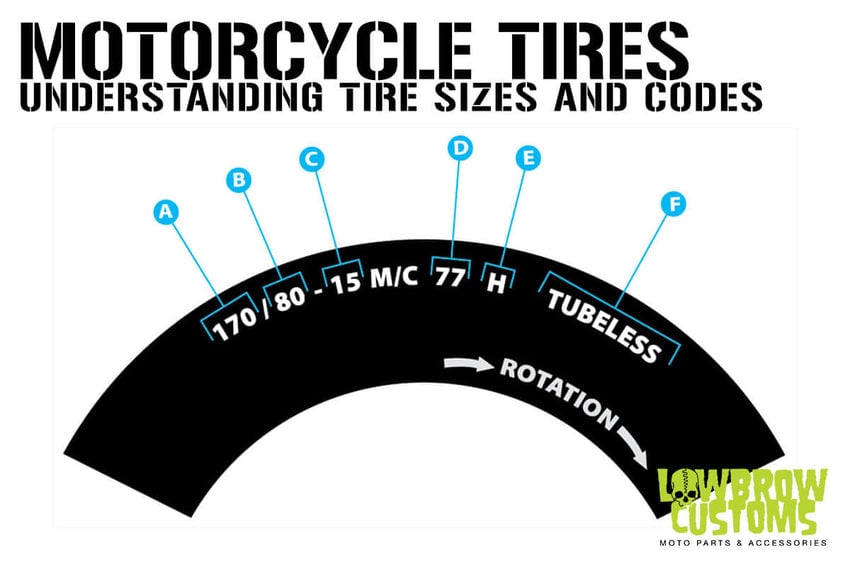
Understanding how to read motorcycle tire sizes is easier than you think—and it’s something every rider should know. Your tires are the only part of your bike touching the road, so choosing the right size is key for safety and performance.
If you’ve ever looked at those numbers and letters on your tire and felt confused, this guide is for you. By the end, you’ll be able to decode tire sizes like a pro, making sure your bike handles just the way you want it to.
Keep reading, and take control of your ride with confidence.
Credit: www.michelin.ca
Decoding Tire Size Numbers
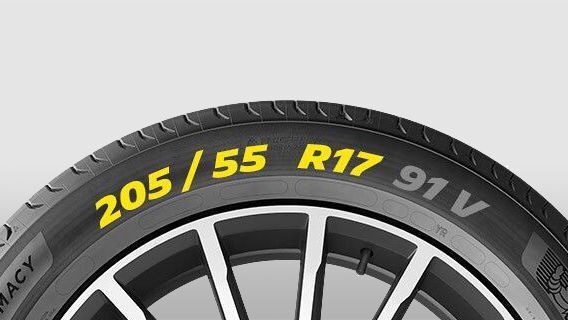
Motorcycle tires have numbers and letters on their sidewalls. These numbers tell you the tire size and other important details. Understanding these helps you pick the right tires for your bike.
Each part of the tire size code shows a different measurement or rating. Knowing what each part means makes it easy to read the tire size.
Width And Aspect Ratio
The first number shows the tire width in millimeters. This is the tire’s section width from sidewall to sidewall.
The aspect ratio comes after the slash. It is the tire’s height as a percentage of its width.
- Width example: 120 means 120 mm wide
- Aspect ratio example: 70 means height is 70% of width
- A lower aspect ratio means a shorter sidewall
Rim Diameter
The rim diameter is the next number in the size code. It shows the wheel size the tire fits on.
This diameter is measured in inches and must match your motorcycle’s wheel size exactly.
- Example: 17 means the tire fits a 17-inch rim
- Using the wrong rim size can cause poor handling
Load And Speed Ratings
The load rating shows how much weight the tire can carry. It is a number linked to a specific weight in pounds or kilograms.
The speed rating is a letter that tells the maximum safe speed for the tire. Both ratings are important for safety and performance.
| Rating Type | Example | Meaning |
|---|---|---|
| Load Index | 62 | Can carry about 584 lbs (265 kg) |
| Speed Rating | H | Safe up to 130 mph (210 km/h) |
Common Tire Size Formats
Motorcycle tires come in different size formats. Knowing how to read these sizes helps you pick the right tire.
This guide explains three common tire size formats: metric, imperial, and alphanumeric.
Metric Sizes
Metric sizes use numbers to show tire width, aspect ratio, and rim diameter. These numbers are in millimeters and inches.
| Example | 120/70 ZR17 |
| Width | 120 mm |
| Aspect Ratio | 70% of width |
| Construction | Z (speed rating), R (radial) |
| Rim Diameter | 17 inches |
Imperial Sizes
Imperial sizes use inches for width and rim diameter. This format is common on older or cruiser motorcycles.
- Width is in inches (e.g., 3.50)
- Rim diameter is also in inches (e.g., 18)
- The aspect ratio is not always shown
- Example: 3.50-18 means 3.5 inch width and 18 inch rim
Alphanumeric Sizes
Alphanumeric sizes combine letters and numbers. The letter shows the tire width range, and the number shows rim diameter.
| Example | D15 |
| Letter | D (width range 130-139 mm) |
| Number | 15 inch rim diameter |
Reading Sidewall Markings
The sidewall of a motorcycle tire holds important information. This information helps you understand the tire’s type, size, and safety details. Reading these markings is key to choosing the right tire.
Each marking on the tire sidewall tells a specific fact. Learn what these symbols and codes mean to stay safe on the road.
Tire Type And Construction
Tire type tells you the tire’s design purpose. Construction means how the tire is built. Both are shown on the sidewall using letters and numbers.
- Type:A letter like “P” means passenger tire. “M” means motorcycle tire.
- Construction:“R” means radial tire. “B” means bias-ply tire.
- Size:Numbers show width, aspect ratio, and rim diameter.
Dot Codes And Manufacturing Info
The DOT code shows the tire meets safety rules. It also gives the factory and week the tire was made. This info helps check tire age and origin.
| Code Part | Meaning |
|---|---|
| DOT | Department of Transportation approval |
| Factory Code | Where the tire was made |
| Size Code | Tire size and type |
| Manufacture Date | Week and year of production |

Credit: www.amazon.com
Choosing The Right Tire Size
Choosing the right motorcycle tire size is important for safe riding. Tires that fit well help your bike perform better.
Understanding tire sizes helps you pick tires that match your motorcycle and riding needs.
Matching Oem Specifications
OEM means Original Equipment Manufacturer. The tire size set by the bike maker fits your motorcycle best.
Using the correct OEM tire size keeps your bike balanced and safe on the road.
- Check the owner’s manual for tire size details
- Look for size info on the tire sidewall
- Use the exact width, aspect ratio, and rim diameter
Considering Riding Style
Your riding style affects the best tire size for you. Different sizes suit different types of riding.
Choose tires that help with your usual speed, road type, and cornering needs.
- Sport riders may prefer wider tires for better grip
- Touring riders often choose tires that last longer
- Off-road riders need tires with larger profiles for rough terrain
Effects On Handling And Safety
Tire size changes can affect your bike’s handling and safety. Wrong sizes may cause poor control.
Proper tire size keeps your motorcycle stable and helps with braking and turning.
- Too wide tires can make steering heavy
- Too narrow tires may reduce road contact
- Incorrect diameter affects speedometer accuracy
- Correct size helps maintain traction and balance
Tips For Tire Maintenance
Keeping your motorcycle tires in good shape is important for safe riding. Regular care helps tires last longer and perform better.
Check your tires often and follow simple steps to keep them ready for the road.
Checking Tire Pressure
Correct tire pressure keeps your ride smooth and safe. Too low or too high pressure causes problems and wears tires fast.
- Check pressure when tires are cold for accurate reading.
- Use a reliable tire pressure gauge for best results.
- Refer to your motorcycle’s manual for the correct pressure.
- Adjust pressure before every long ride or monthly if you ride less.
- Don’t forget to check the spare tire, if you have one.
Inspecting For Wear And Damage
Look closely at your tires for signs of wear or damage. Early detection can prevent accidents and costly repairs.
| Type of Damage | What to Look For | Action Needed |
| Cracks | Small lines on sidewalls or tread | Replace tire if cracks are deep |
| Uneven Wear | Worn spots or bald patches | Check alignment and replace tire if needed |
| Objects | Nails, glass, or sharp items stuck | Remove carefully and repair or replace tire |
| Bulges | Raised areas on tire surface | Replace immediately; tire is unsafe |

Credit: cheaptiresasap.com
Frequently Asked Questions
What Do Motorcycle Tire Size Numbers Mean?
Motorcycle tire sizes show width, aspect ratio, and rim diameter. For example, 120/70ZR17 means 120mm width, 70% aspect ratio, and 17-inch rim.
How To Identify Tire Width On A Motorcycle Tire?
Tire width is the first number in the size code. It is measured in millimeters and indicates the tire’s cross-section width.
What Is The Significance Of The Aspect Ratio?
Aspect ratio is the tire’s height compared to its width. A lower ratio means a wider, sportier tire profile for better handling.
Why Is Rim Diameter Important In Tire Sizing?
Rim diameter ensures the tire fits the wheel correctly. It is the last number and measured in inches.
Conclusion
Reading motorcycle tire sizes is easier than it seems. Each number and letter tells you important details. Knowing these helps you pick the right tire for safety and performance. Check the size before buying or riding. It keeps your bike steady and your ride smooth.
Take a moment to understand the codes on your tires. This small step makes a big difference on the road. Stay safe, ride smart, and enjoy every trip with confidence.