Have you ever wondered if your morning cup of tea could reveal more than just flavor? What if those swirling leaves at the bottom of your cup hold secrets about your future or your inner thoughts?
Learning how to read tea leaves in a cup is a fascinating skill that anyone can master. You’ll discover simple steps to unlock the hidden messages in your tea, turning an everyday ritual into a personal adventure. Ready to find out what your tea leaves say about you?
Keep reading, and your next cup of tea will never be the same.

Credit: paganmuses.com
History Of Tea Leaf Reading
Tea leaf reading is a form of divination that uses the patterns in tea leaves. People have practiced it for centuries to find guidance and insight. The art has deep cultural and historical roots worldwide.
This method is also called tasseography. It involves interpreting shapes and symbols left by tea leaves in a cup. The history of this practice shows how it evolved across different cultures and times.
Origins And Cultural Roots
Tea leaf reading likely began in ancient China. Tea was first used for healing and rituals. Later, the practice spread to the Middle East and Europe. Each culture added its own style and meaning to the art.
- China: Tea drinking started over 2,000 years ago. Early forms of tasseography linked tea to spiritual messages.
- Middle East: The Ottomans developed tea leaf reading as a popular fortune-telling method.
- Europe: It became common in Britain in the 17th century after tea was introduced.
Evolution Through Time
The way people read tea leaves changed over centuries. New symbols and interpretations appeared. Tools and cups also evolved to suit different styles of reading.
| Time Period | Key Changes |
| Ancient China | Tea used in rituals and healing, early symbolic meanings |
| Ottoman Empire | Popularized tasseography, introduced new symbols |
| 17th Century Europe | Tea leaf reading spread with tea culture, formalized techniques |
| Modern Times | Global spread, mix of old and new interpretations |
Credit: mmsl.fandom.com
Choosing The Right Tea
Reading tea leaves needs the right kind of tea. The tea must leave enough leaves to see patterns.
Some teas have small or broken leaves. These teas do not work well for reading.
Best Tea Types For Reading
Loose leaf teas with large leaves are best. They settle at the bottom and form clear shapes.
- Black tea is popular for leaf reading. It has dark, large leaves.
- Green tea works well if it has whole leaves.
- Oolong tea has medium-sized leaves. It is good for beginners.
- White tea has lighter leaves. It gives softer patterns.
Preparing The Perfect Brew
Steep the tea longer than usual. This lets the leaves expand fully in the cup.
Use a small amount of tea leaves. Too many leaves make reading hard.
- Use about one teaspoon of loose leaves per cup
- Steep tea for 4 to 5 minutes
- Do not use tea bags as leaves are too small
- Let the tea cool before drinking
Tools And Setup
Reading tea leaves needs the right tools and a peaceful setting. This helps you focus on the patterns in the cup.
Here are two key parts to prepare before you start the reading process.
Selecting The Ideal Cup
Choose a cup that shows the tea leaves clearly. White or light-colored cups work best. Avoid cups with patterns inside.
- Use a wide cup to see the leaves better.
- Pick a cup made of porcelain or ceramic.
- Make sure the cup has a smooth inner surface.
- Avoid cups with deep textures or designs inside.
Creating A Calm Environment
Find a quiet place to read tea leaves. A calm space helps you notice small details in the patterns.
| Tip | Reason |
| Turn off phones | Reduces interruptions |
| Dim the lights | Soft lighting helps focus |
| Use a comfortable chair | Stay relaxed during reading |
| Keep the table clean | Less distraction on the surface |
Basic Techniques
Reading tea leaves is an old way to find answers and see the future. It uses shapes left by tea leaves in a cup.
This guide explains simple steps to start reading tea leaves. You only need a cup of loose leaf tea and some patience.
Drinking Rituals
How you drink your tea affects the leaf patterns. Sip slowly and focus on your question or thought.
Drink most of the tea but leave a small amount of liquid in the cup. This lets the leaves move and settle.
- Pick a quiet spot without distractions
- Clear your mind and think about your question
- Drink slowly, leaving some tea in the cup
- Hold the cup gently to avoid disturbing the leaves
Swirling And Inverting The Cup
After drinking, swirl the cup gently to move the leaves. This helps create new patterns on the cup’s sides.
Turn the cup upside down on a saucer. Let it sit for a minute so the leaves can dry and set in place.
- Hold the cup by the handle
- Swirl the tea leaves clockwise or counterclockwise
- Invert the cup slowly over a saucer
- Wait about one minute before lifting the cup
Interpreting Symbols
Reading tea leaves is an old way to find hidden messages. The shapes left in the cup tell stories.
Each symbol has a meaning. Understanding these helps you learn what the leaves want to say.
Common Shapes And Their Meanings
Tea leaves form many shapes. Each shape has its own meaning. Look closely to see what appears.
- Circle:Wholeness and success are near.
- Star:Good luck and hope coming your way.
- Heart:Love or friendship will grow.
- Tree:Growth, health, and stability ahead.
- Snake:Beware of hidden dangers or lies.
Positioning And Context
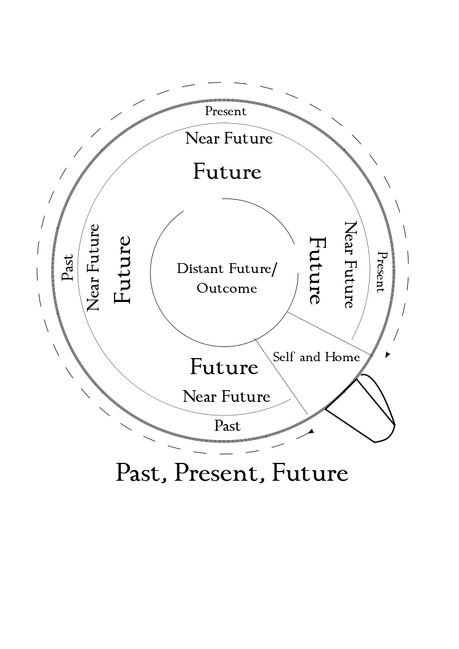
The place of the shapes in the cup changes their meaning. Where the shape lies matters a lot.
| Position in Cup | Meaning |
| Near the handle | Close to you, related to your present or near future |
| Center of the cup | Main focus or strong message |
| Bottom of the cup | Far future or deep hidden issues |
| Edge of the cup | Warnings or things to watch out for |
Practice Tips
Reading tea leaves takes time and patience. You need to practice often to get better.
Use your own tea leaves and cups to become familiar with patterns and shapes.
Journaling Your Readings
Write down what you see in the tea leaves after each reading. This helps track your progress.
Note shapes, symbols, and your feelings during the reading. This builds your experience.
- Record the date and time of each reading
- Describe the shapes and their positions in the cup
- Write your interpretation of each symbol
- Note any personal feelings or thoughts
- Review past notes to find patterns
Improving Intuition
Trust your feelings when reading tea leaves. Intuition grows with practice.
Spend quiet time before reading. Clear your mind and focus on the cup.
- Practice meditation or deep breathing to calm your mind
- Look at the tea leaves without rushing
- Notice your first thoughts or feelings about the shapes
- Ask simple questions before reading
- Compare your feelings with the symbols you see
Avoiding Common Mistakes
Reading tea leaves is an ancient art that takes patience and focus. Many beginners make mistakes that lead to wrong conclusions.
Knowing what to avoid helps you get clearer and more accurate readings from your cup.
Misreading Patterns
Not every shape or cluster means something important. Some patterns look alike but have different meanings.
- Do not force a shape to fit a known symbol.
- Look at the whole cup, not just one area.
- Remember that empty spaces can also carry meaning.
- Watch for mirror images or repeated shapes.
- Keep your mind open to simple, clear messages.
Overcomplicating Interpretations
Trying to read too much into every detail creates confusion. The art of tea leaf reading should be simple and natural.
| Common Mistake | Better Approach |
| Assigning complex meanings to tiny shapes | Focus on clear, larger patterns in the cup |
| Using too many symbolism sources at once | Stick to one or two simple symbol guides |
| Overthinking random tea leaf positions | Trust your intuition and basic meanings |
| Ignoring feelings during the reading | Pay attention to your thoughts and emotions |
Expanding Skills
Reading tea leaves is an art that grows with practice and learning. Expanding your skills helps you understand the symbols better.
Exploring new methods and joining groups can improve your tea leaf reading abilities quickly.
Combining With Other Divination Methods
Using tea leaf reading with other divination methods gives more insight. You can compare symbols with tarot cards or runes for clearer answers.
- Use tarot cards to check the meaning of unclear symbols.
- Combine tea leaf reading with astrology to time your readings.
- Try runes to add spiritual depth to your tea leaf interpretations.
- Practice meditation before reading to improve focus and intuition.
Joining Tea Leaf Reading Communities
Joining a community helps you learn from others and share your experiences. It builds confidence and offers support.
| Benefit | How It Helps |
| Feedback | Receive tips on your readings |
| New Ideas | Discover different interpretation styles |
| Practice | Participate in group readings |
| Support | Connect with people who share your interest |

Credit: medium.com
Frequently Asked Questions
What Is Tea Leaf Reading?
Tea leaf reading, also known as tasseography, is a divination practice. It involves interpreting patterns in tea leaves. These patterns form after drinking a cup of tea. This ancient art is used for gaining insights and foresight.
How Do You Prepare Tea For Reading?
To prepare, use loose leaf tea in a light-colored cup. Brew the tea without using a strainer. Drink, leaving a small amount of liquid. Swirl the cup gently, then invert it to drain excess liquid, revealing leaf patterns.
What Do Different Tea Leaf Patterns Mean?
Different patterns can symbolize various aspects of life. For instance, a heart may indicate love or affection. A circle can represent completion or unity. Interpretations can vary based on intuition and experience.
Can Beginners Read Tea Leaves Effectively?
Yes, beginners can read tea leaves with practice. Start by learning common symbols and their meanings. Trust your intuition while interpreting patterns. Over time, skills and confidence will improve, enhancing accuracy.
Conclusion
Reading tea leaves in a cup can be a fun way to learn about the future. Practice often to see patterns clearly. Trust your instincts when you interpret the shapes. Each cup tells a different story to discover. Keep your mind open and enjoy the process.
This simple skill brings calm and curiosity to your day. Try reading with friends to share the experience. Remember, the magic lies in the moment you spend with your tea.