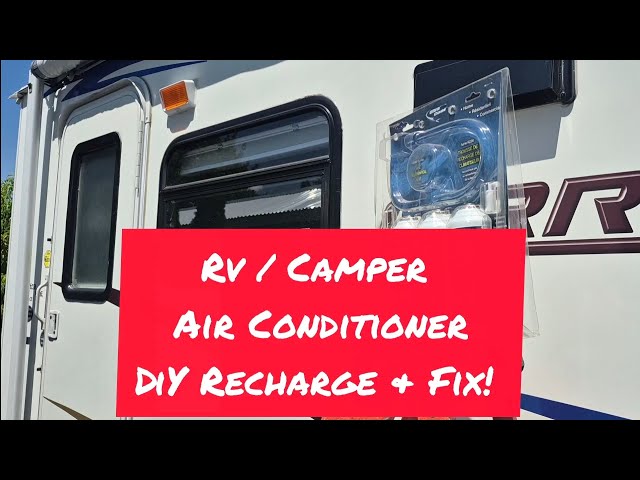
Is your RV air conditioner not cooling like it used to? When the heat hits and your AC struggles to keep your space comfortable, it’s time to take action.
You don’t have to call a costly technician or wait for a repair that could take days. Learning how to recharge your RV air conditioner yourself can save you time, money, and frustration. In this guide, you’ll discover simple, step-by-step instructions to get your AC running cool again.
Keep reading, and you’ll be ready to enjoy refreshing comfort on every trip.
Credit: www.commercial24appliance.repair
Signs Your Rv Ac Needs A Recharge
Reduced cooling efficiencyis a clear sign your RV AC needs a recharge. The air may not feel as cold as before. It takes longer to cool down the space. This means the refrigerant level is low.
Unusual noises like rattling or hissing can also signal trouble. These sounds come from the AC unit struggling to work. It could mean the refrigerant is leaking or the system is under stress.
Ice formation on coilshappens when refrigerant is low. The coils freeze and block airflow. This reduces cooling and can damage the unit. Check for frost or ice build-up on the AC coils.
Essential Tools And Materials
Refrigerant Typesvary based on the RV air conditioner model. Most use R-22 or R-410A refrigerants. Always check the unit’s label before buying. Using the wrong refrigerant can damage the system.
| Refrigerant | Common Use | Notes |
|---|---|---|
| R-22 | Older RV AC models | Phased out, less eco-friendly |
| R-410A | Newer RV AC models | More efficient and eco-friendly |
Pressure Gaugesmeasure the refrigerant level inside the air conditioner. Use gauges designed for your refrigerant type. They help avoid overcharging or undercharging the system.
- Check both high and low pressure
- Read the gauges before and during recharge
- Use a gauge with clear markings
Protective Gearkeeps you safe. Refrigerants can cause frostbite or harm if handled wrong. Always wear gloves and safety goggles. Work in a well-ventilated area to avoid breathing fumes.
Preparing The Rv Air Conditioner
Safetyis key before working on your RV air conditioner. Always disconnect the powerto avoid shocks. Use gloves and eye protection for safety. Avoid working in wet conditions to prevent accidents.
Locate the service portson the air conditioner. These are usually near the compressor or along the refrigerant lines. They allow you to connect gauges and recharge the system.
Turn off the power at the main breaker or unplug the unit. This stops the AC from running while you work. Confirm power is off before touching any parts.

Credit: www.rvacunit.com
Step-by-step Recharge Process
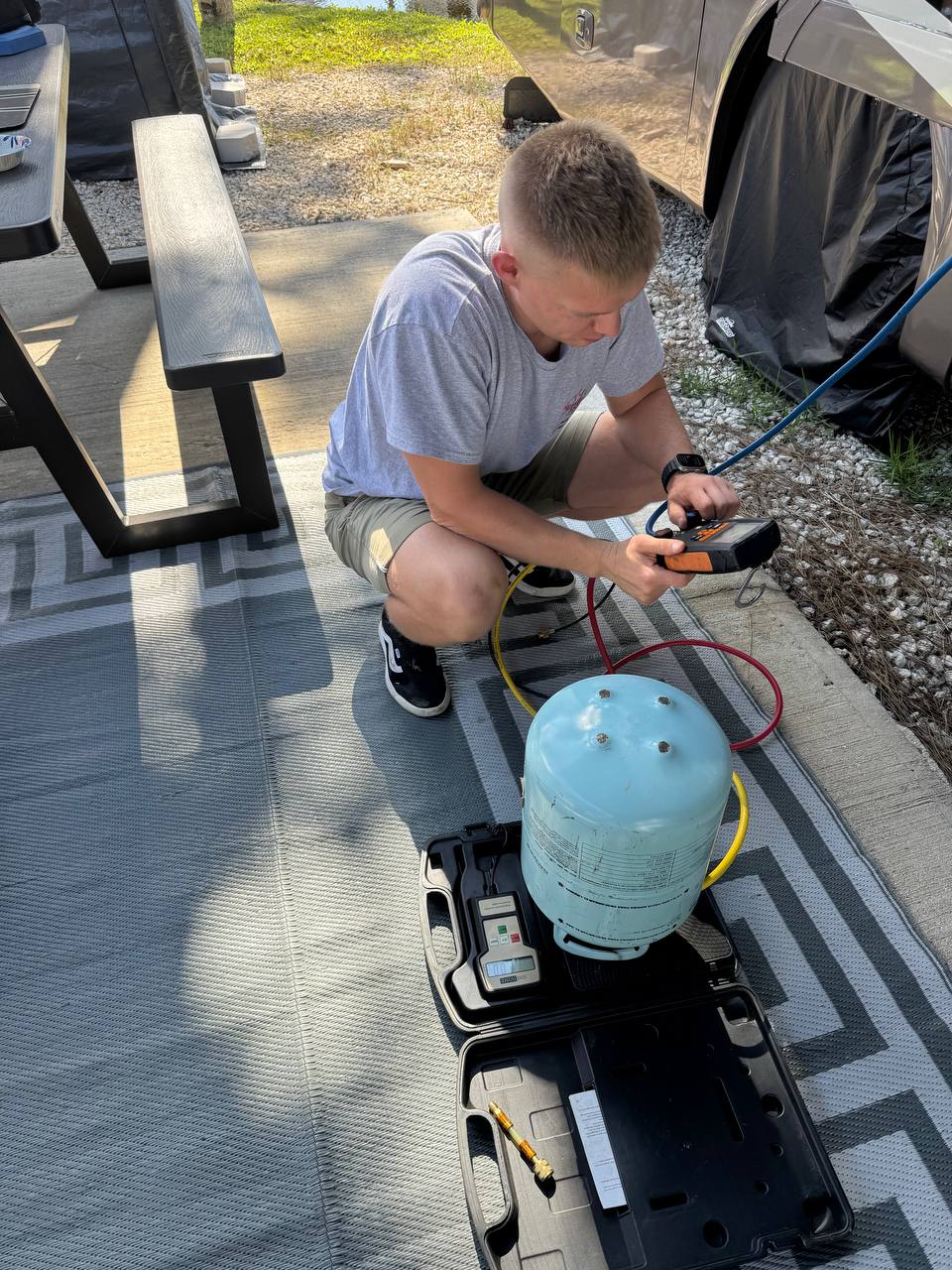
Connect the gauges to the correct ports on your RV air conditioner. Usually, the low-pressure portis larger and the high-pressure portis smaller. Make sure the connections are tight to avoid leaks.
Check the current refrigerant levels by reading the pressure on the gauges. This tells you if the system needs more refrigerant or if there is a leak. The ideal pressure varies, so consult your RV’s manual for exact numbers.
Add refrigerant slowly and carefully. Use the correct type specified for your RV air conditioner. Attach the refrigerant can to the low-pressure side and let it flow in while the AC is running. Stop when the pressure reaches the recommended level.
Common Mistakes To Avoid
Overcharging the systemcan cause damage and reduce cooling. Too much refrigerant makes the AC work harder. This leads to higher energy use and possible leaks.
Using incorrect refrigerantharms the AC unit. It may not cool properly or cause system failure. Always check the type your RV air conditioner needs. Using the wrong one voids warranties and can be unsafe.
Ignoring leakslets refrigerant escape, lowering cooling power. Leaks also harm the environment. Look for oil stains or hissing sounds near pipes. Fix leaks before adding refrigerant to keep the system healthy.

Credit: www.youtube.com
Maintaining Your Rv Ac For Longevity
Regular inspectionshelp spot issues early. Check the unit for dirt, leaks, or damage. Look at the wiring and connections. Fix problems quickly to avoid costly repairs.
Cleaning air filterskeeps air flowing well. Dirty filters block air and reduce cooling. Remove filters and wash with mild soap and water. Let them dry fully before putting them back.
Seasonal storage tipsprotect your AC in off months. Clean the unit thoroughly. Cover it with a breathable cover to keep dust out. Store in a dry place to stop rust and mold.
When To Seek Professional Help
Persistent cooling issuesoften signal deeper problems beyond simple recharging. If the RV air conditioner still struggles to cool after refilling refrigerant, professional help is needed. Technicians have tools to find leaks or damaged parts. Complex repairslike fixing compressors or electrical faults require skill and safety knowledge. These tasks can be risky without proper training.
Warranty considerationsalso matter. Attempting repairs yourself might void the warranty. Professionals ensure repairs follow warranty rules, protecting your investment.
- Persistent cooling means possible leaks or compressor faults
- Complex repairs need trained technicians
- Warranty may be voided by DIY fixes
- Professional service keeps your RV air conditioner safe and reliable
Frequently Asked Questions
How Often Should I Recharge My Rv Air Conditioner?
Recharge your RV air conditioner when cooling efficiency drops or after a leak repair. Typically, check yearly for optimal performance.
Can I Recharge My Rv Ac Myself Safely?
Yes, you can safely recharge your RV AC with proper tools and instructions. Follow manufacturer guidelines and wear protective gear.
What Type Of Refrigerant Is Used In Rv Air Conditioners?
Most RV air conditioners use R-22 or R-410A refrigerants. Check your unit’s label for the correct type before recharging.
How Do I Know If My Rv Ac Needs Recharging?
Signs include warm air, longer cooling times, or hissing sounds. These indicate low refrigerant levels needing a recharge.
Conclusion
Recharging your RV air conditioner keeps it cool and works well. Check the refrigerant level often to avoid problems. Use the right tools and follow safety steps carefully. Small efforts now save bigger fixes later. Stay comfortable on your trips with a cold AC.
Keep learning and maintaining for smooth RV adventures. Your RV deserves the best care for cool rides.