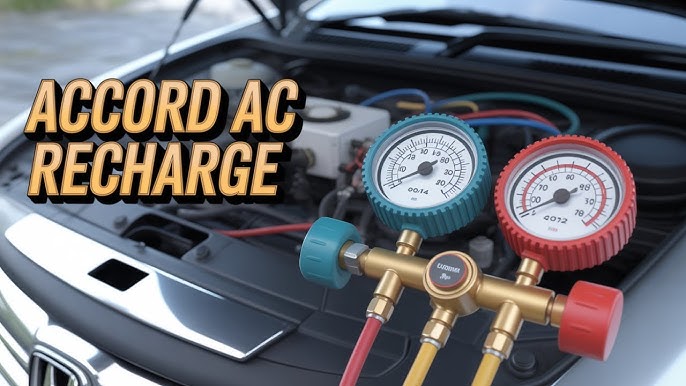
Is your car’s air conditioner blowing warm air instead of cool? You’re not alone, and the good news is that you don’t always need to rush to a mechanic.
Knowing how to recharge the air conditioner in your car can save you time, money, and frustration. Imagine cruising down the road with fresh, cold air on a hot day—sounds great, right? In this guide, you’ll discover simple, step-by-step instructions to get your AC back to its best.
Ready to feel that refreshing cool breeze again? Let’s dive in and make your car’s air conditioner work like new.

Credit: www.amazon.ca
Signs Your Ac Needs Recharging
Your car’s air conditioner cools the cabin during hot days. Over time, the AC may lose its cooling power. This happens when the refrigerant runs low and needs recharging.
Knowing the signs that your AC needs recharging can save you from discomfort. Watch for changes in how your AC performs and sounds.
Reduced Cooling Efficiency
If your AC is on but the air feels warm or not as cold as before, the refrigerant might be low. The cooling system needs enough refrigerant to work well.
You may notice the car takes longer to cool down. This is a common sign that the AC needs more refrigerant to function properly.
Strange Noises Or Smells
Unusual sounds like hissing or clicking can mean the AC system has a leak or low refrigerant. Strange smells, like a musty or chemical odor, may also appear.
These noises and smells are warnings that your AC needs attention. Low refrigerant can cause parts to work harder and produce noise.
Visible Leaks And Frost
Check under the hood or near the AC lines for oily spots or wet patches. These may show refrigerant leaks. Frost or ice on the AC pipes is another sign.
Leaks reduce refrigerant levels and lower cooling. Frost forms when the system does not have enough refrigerant to maintain the right pressure.
Tools And Materials Required
Recharging your car’s air conditioner needs specific tools and materials. Using the right items ensures safety and effectiveness.
Below are the main tools and materials you need before starting the recharge process.
Refrigerant Type And Quantity
Select the correct refrigerant type for your car model. Check your owner’s manual or the label under the hood for this information.
| Refrigerant Type | Common Quantity |
| R-134a | 1 to 2 pounds (450 to 900 grams) |
| R-1234yf | Up to 1 pound (450 grams) |
Pressure Gauge And Hose
A pressure gauge and hose help you monitor the AC system pressure. They connect to the low-pressure service port on your car’s AC.
- Pressure gauge with clear markings
- Durable hose for connecting to the AC port
- Valve or trigger to control refrigerant flow
Protective Gear
Wear protective gear to keep safe from refrigerant and sharp parts in the engine bay.
- Safety goggles to protect your eyes
- Gloves to avoid skin contact with refrigerant
- Long sleeves to protect your arms
Safety Precautions
Recharging your car’s air conditioner needs care. Safety is very important during this job.
Follow simple safety steps to protect yourself and your car. This guide covers key safety rules.
Work In A Well-ventilated Area
Always recharge your car air conditioner outside or in a place with good airflow. This helps to avoid breathing in harmful gases.
Keep windows and doors open to let fresh air in and bad air out.
Avoid Open Flames
Do not use matches, lighters, or any flames near the air conditioner. The refrigerant gas is flammable and can catch fire.
- Turn off the car engine before starting work.
- Keep sparks and flames away from the recharge area.
- Do not smoke while recharging the AC.
Wear Gloves And Eye Protection
Wear safety gloves to protect your hands from cold refrigerant and sharp parts. Use safety goggles to protect your eyes.
| Protection Gear | Purpose |
|---|---|
| Gloves | Protect hands from cold and cuts |
| Safety Goggles | Prevent eye injury from gas or debris |
Locating The Ac Service Port
Knowing where the AC service port is helps you recharge your car’s air conditioner. The service ports let you connect the recharge kit safely.
This guide explains how to find the right ports on your car’s AC system. It also shows you how to access the low-pressure port.
Identifying High And Low Pressure Ports
Your car’s AC system has two main ports: high pressure and low pressure. Each port looks different and has a specific use.
- High-pressure port:Usually smaller and located near the compressor.
- Low-pressure port:Larger and often found on the larger diameter tubing.
- Caps:Both ports have caps that protect them from dirt and debris.
- Labels:Some cars label ports with “H” for high and “L” for low.
Accessing The Low-pressure Port
The low-pressure port is where you connect the recharge hose. It is safer and designed for adding refrigerant.
| Step | Action |
| 1 | Locate the larger diameter tubing in the AC system. |
| 2 | Find the port with a plastic or metal cap marked “L” or “Low.” |
| 3 | Unscrew the cap carefully to avoid damage. |
| 4 | Attach the recharge hose firmly to the port. |
Step-by-step Recharge Process
Recharging your car’s air conditioner helps it cool better. This process adds refrigerant to the AC system. Follow simple steps to do it safely and correctly.
Make sure you have the right tools. These include a refrigerant can, hose with gauge, and safety gloves.
Connecting The Hose And Gauge
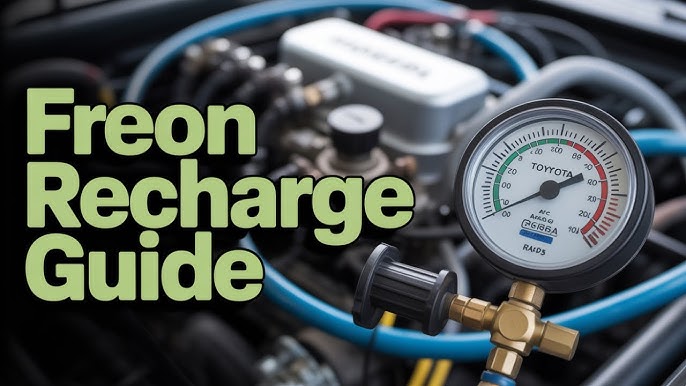
First, locate the low-pressure port on your car’s AC system. It is usually marked with an “L” or blue cap.
Attach the hose and gauge to this port. Make sure the connection is tight to avoid leaks.
- Wear safety gloves to protect your hands
- Check that the hose and gauge are clean
- Push the connector firmly onto the port
Checking System Pressure
Read the pressure on the gauge before adding refrigerant. The pressure tells you if the system needs more refrigerant.
Compare the reading with the car’s manual. It shows the correct pressure range for your AC system.
- Pressure too low means you need to add refrigerant
- Pressure too high means the system may have a problem
- Normal pressure means no recharge is needed
Adding Refrigerant Slowly
Start adding refrigerant by opening the valve on the can. Do it slowly to avoid overcharging.
Keep the can upright and shake it gently while adding. This helps the refrigerant flow smoothly.
- Open valve half turn to start
- Add refrigerant in short bursts
- Stop often to check pressure
Monitoring Pressure Levels
Watch the gauge closely as you add refrigerant. Stop adding when the pressure reaches the recommended level.
Do not overfill the system. Too much refrigerant can damage your AC or cause leaks.
- Keep engine running during recharge
- Turn AC on highest setting
- Stop if pressure goes above limit
- Check cooling performance after recharge
Credit: www.youtube.com
Troubleshooting Common Issues
Recharging your car’s air conditioner can sometimes lead to problems. Knowing how to spot and fix common issues helps keep your AC working well.
This guide covers three main issues: leaking refrigerant, compressor not engaging, and the risks of overcharging. Each section offers tips to troubleshoot and resolve problems.
Leaking Refrigerant
A leak in the refrigerant system lowers cooling power. It also wastes refrigerant and can damage the environment. Look for oily spots or hissing sounds near AC lines and connections.
- Check hoses and fittings for cracks or loose clamps.
- Use a UV dye kit to find small leaks.
- Replace damaged parts before recharging.
- Seal leaks promptly to avoid bigger problems.
Compressor Not Engaging
The compressor pushes refrigerant through the system. If it does not engage, the AC won’t cool. Common causes include electrical faults or low refrigerant levels.
| Cause | Effect | Fix |
| Blown fuse | Compressor does not power on | Replace fuse |
| Faulty relay | Compressor fails to activate | Swap relay |
| Low refrigerant | Pressure too low to start compressor | Recharge refrigerant |
| Wiring issues | Intermittent compressor operation | Inspect and repair wiring |
Overcharging Risks
Adding too much refrigerant causes high pressure in the system. This can damage parts and reduce cooling performance. Avoid overcharging by following guidelines carefully.
- Check the vehicle manual for the correct refrigerant amount.
- Use gauges to monitor pressure during charging.
- Stop adding refrigerant if pressure reaches the recommended limit.
- Overcharging may cause leaks or compressor failure.
Maintenance Tips For Ac Longevity
Keeping your car’s air conditioner in good shape helps it work better and last longer. Regular care reduces breakdowns and saves money on repairs.
Simple maintenance steps can improve the AC’s performance and keep the air fresh inside your car. Follow these tips to avoid common issues.
Regularly Checking Refrigerant Levels
The refrigerant cools the air inside your car. Low levels make the AC weak and can damage the system. Check refrigerant every year or if cooling drops.
- Look for signs of leaks under the car or near AC parts.
- Use a gauge to measure refrigerant pressure if you have the tools.
- Refill refrigerant only with the type your car needs.
- Call a professional to handle leaks and refills safely.
Cleaning Or Replacing Filters
Filters catch dust and pollen. Dirty filters reduce airflow and strain the AC. Clean or replace them every 12,000 miles or once a year.
| Type of Filter | Cleaning Frequency | Replacement Frequency |
| Cabin Air Filter | Every 6 months | Every 12 months |
| Engine Air Filter | Every 12 months | Every 24 months |
Scheduling Professional Inspections
Experts can find hidden problems and keep your AC running well. Get a professional check at least once a year or if you notice weak cooling or strange noises.
- Inspect hoses and connections for leaks.
- Check compressor and belts for wear.
- Test refrigerant pressure and refill if needed.
- Clean condenser and evaporator coils.

Credit: www.youtube.com
Frequently Asked Questions
How Do I Know If My Car Ac Needs Recharging?
If your car AC blows warm air or takes longer to cool, it may need recharging. Other signs include unusual noises from the AC system and visible refrigerant leaks. Regular maintenance can prevent these issues. Check the AC performance before planning a recharge.
What Tools Do I Need To Recharge My Car Ac?
To recharge your car AC, you’ll need a refrigerant refill kit, safety goggles, and gloves. The kit usually includes a pressure gauge to ensure proper filling. Always read the instructions carefully. Using the right tools ensures safety and efficiency during the recharge process.
How Often Should I Recharge My Car Ac?
Typically, you should recharge your car AC every two to three years. However, this depends on usage and system condition. Regular maintenance checks can help identify when a recharge is needed. Always consult your vehicle’s manual for specific recommendations related to your car model.
Can I Recharge My Car Ac Myself?
Yes, you can recharge your car AC yourself with a refrigerant kit. However, ensure you follow the instructions carefully. If you’re not confident, it’s best to seek professional help. DIY recharging can save money but requires precision and care.
Conclusion
Recharging your car’s air conditioner keeps you cool on hot days. Follow the steps carefully for best results. Always check for leaks before adding refrigerant. Use the correct type of refrigerant for your vehicle. Regular maintenance helps your AC last longer and work better.
Stay safe by wearing gloves and goggles during the process. Small effort brings big comfort while driving. Keep your car fresh and cool all year round.