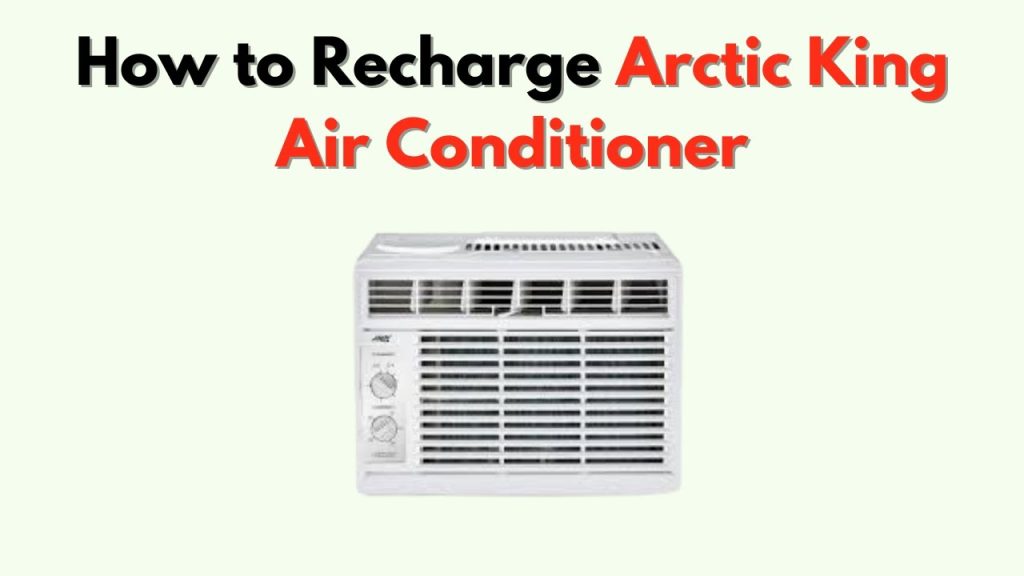
Is your home air conditioner not cooling like it used to? You might need to recharge it to bring back that refreshing chill.
But how do you recharge your home air conditioner safely and effectively? If you’re feeling confused or worried about the process, you’re not alone. This guide will walk you through simple steps to get your AC running smoothly again. Keep reading, and you’ll learn how to save money, avoid costly repairs, and enjoy cool comfort all summer long.
Signs Your Ac Needs Recharging
Reduced cooling efficiencyis a clear sign your AC might need recharging. The air feels warmer than usual. The unit takes longer to cool the room. This means the refrigerant level is low.
Unusual noisesfrom the AC can also signal low refrigerant. Sounds like hissing or bubbling may come from inside the unit. These noises often mean there is a leak.
Frequent cyclinghappens when the AC turns on and off too often. This wastes energy and wears out the system. It usually means the system is struggling to keep the temperature steady.
Tools And Materials Required
Refrigerant typesvary based on your air conditioner’s model. Common ones include R-22and R-410A. Check your unit label to find the correct type. Using the wrong refrigerant can damage your system.
Pressure gaugeshelp measure the refrigerant level inside the AC. They show pressure in PSI (pounds per square inch). Always use gauges made for your refrigerant type. This ensures accurate readings and safe handling.
Safety gearprotects you during recharging. Use glovesand safety glassesto avoid injury. Refrigerants can cause frostbite or eye damage. Also, work in a well-ventilated areato avoid inhaling fumes.
Safety Precautions To Follow
Handling refrigerantsrequires care. These chemicals can be harmful if touched or inhaled. Always wear protective gloves and goggles. Avoid releasing refrigerants into the air. Use tools designed for safe handling and never mix different types. Store refrigerants in a cool, dry place away from children.
Electrical safetyis crucial. Turn off the power before working on the air conditioner. Use insulated tools to prevent shocks. Check wires and plugs for damage. Never touch electrical parts with wet hands or while standing on wet floors.
Proper ventilationhelps keep the area safe. Work in a well-ventilated room or outdoors to avoid breathing in harmful gases. Open windows and doors to let fresh air in. Avoid working in small, closed spaces without airflow.

Credit: www.youtube.com
Step-by-step Recharge Process
Find the service valveon your air conditioner’s outdoor unit. It looks like a small pipe with a cap. Remove the cap carefully to access the valve.
Attach the gauge setto the service valve. The gauge set has two hoses: one blue and one red. Connect the blue hose to the low-pressure valve.
Open the refrigerant can slowly. Connect the can to the red hose. Let the refrigerant flow into the system. Be careful not to overfill.
Watch the gauges closely. The pressure should match the levels on the AC’s label. Stop adding refrigerant once the right pressure is reached. Close the valve and remove the gauge set.
Common Mistakes To Avoid
Avoid adding too much refrigerant, which can harm the system. Never skip safety checks before starting the recharge process. Incorrect tools or poor connections may cause leaks or damage.
Overcharging The System
Too much refrigerant can harm your air conditioner. It causes higher pressure inside the system. This can lead to leaks or compressor damage. Always add the right amount of refrigerant. Follow the manufacturer’s instructions carefully.
Using Incorrect Refrigerant
Using the wrong refrigerant may cause poor cooling. It can also damage the system’s parts. Check the type of refrigerant your AC needs. Use only the specified kind to avoid problems.
Ignoring Leaks
Leaks reduce cooling power and waste refrigerant. They can also harm the environment. Detect leaks early by checking for oil spots or hissing sounds. Repair leaks before recharging to keep your AC working well.
When To Call A Professional
Complex repairs need special tools and skills. These tasks can be risky and cause more damage if done wrong. Professionals know how to fix issues safely and correctly.
Major leaks can waste refrigerant and harm the environment. Small leaks might be fixed at home, but big leaks require expert help. Trained technicians can find and repair leaks quickly.
Warranty concerns mean repairs should follow the rules set by the manufacturer. Doing repairs yourself might void the warranty. Calling a professional keeps your warranty valid and protects your investment.
Maintaining Your Ac After Recharge
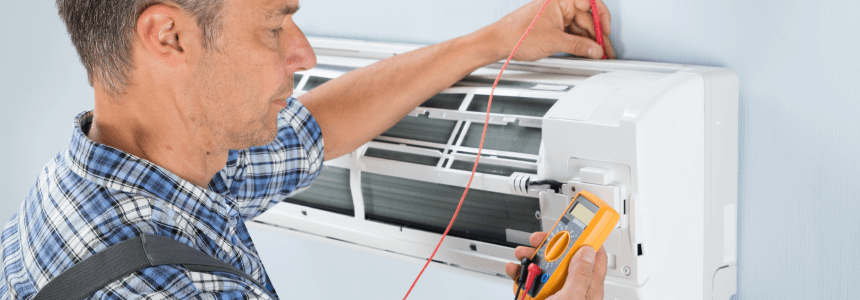
Keep your air conditioner working well by doing some simple tasks regularly. Clean the filterevery month. A clean filter helps air flow freely and keeps the AC cool. Check for leaksin the pipes and connections. Leaks can waste the refrigerant and make the AC less effective. Use soapy water to find bubbles, which show leaks.
Plan professional checkupsonce a year. Experts can find problems you might miss. They will check the refrigerant level, clean coils, and test the system’s parts. These steps help your AC stay cool and last longer. Regular care saves money on big repairs later.
Credit: www.libertyhomeguard.com

Credit: www.youtube.com
Frequently Asked Questions
How Do I Know My Ac Needs Recharging?
If your AC is blowing warm air, it may need recharging. Check for ice buildup on the coils or reduced airflow. Unusual noises can also indicate low refrigerant levels. Regular maintenance helps identify these issues early. Always consult a professional for accurate diagnosis and recharge.
What Tools Are Needed To Recharge An Ac?
To recharge an AC, you’ll need a refrigerant refill kit, gauge, and protective gloves. Ensure you have the correct refrigerant type for your AC model. A thermometer can help monitor temperature changes. Always follow safety guidelines and consider professional help for best results.
Can I Recharge My Home Ac Myself?
You can recharge your AC yourself if you have the right tools and knowledge. Follow the manufacturer’s guidelines and safety precautions. Incorrect handling can cause damage or safety hazards. If unsure, it’s best to hire a professional technician to ensure proper recharging.
How Often Should A Home Ac Be Recharged?
Most home AC units don’t need frequent recharging. Typically, they require a recharge every 2-5 years. The frequency depends on usage and maintenance. Regular checks can help detect leaks or issues early. Consult a professional for advice tailored to your specific unit.
Conclusion
Recharging your home air conditioner helps it run cool and smooth. Regular care saves money and avoids big repairs later. Always check for leaks and use the right refrigerant. Safety comes first—use proper tools and follow steps carefully. If unsure, call a professional to do the job right.
Keep your AC in good shape to enjoy cool air all summer long. Small efforts now prevent big problems tomorrow. Stay comfortable without stress or high bills.