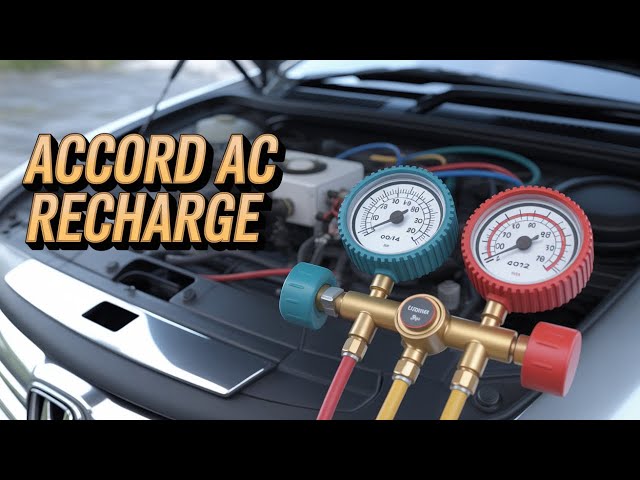
Is your car’s air conditioner blowing warm air instead of cool? You’re not alone.
When your AC starts to lose its chill, it can make every drive uncomfortable and frustrating. The good news is, you don’t always need to rush to a mechanic or spend a fortune. You can learn how to recharge your air conditioner right at home, saving time and money.
In this guide, you’ll discover simple steps to bring back that refreshing coolness to your car’s interior. Ready to beat the heat and enjoy a comfortable ride again? Keep reading to find out how.
Signs Your Ac Needs Recharging
Your car’s air conditioner cools the air inside the cabin. Over time, it may lose refrigerant and stop working well.
Knowing the signs of a low refrigerant can save you from discomfort. It also helps you fix the problem early.
Weak Airflow
If your AC blows air but it feels weak, the refrigerant might be low. Weak airflow means less cool air reaches you.
Blocked filters can also cause weak airflow. Check the filter first before recharging the AC system.
Warm Air From Vents
When your AC blows warm air instead of cold, it often means the refrigerant is too low. The system can’t cool properly.
Other causes can be compressor issues or leaks. But low refrigerant is the most common reason for warm air.
Unusual Noises
Strange sounds from your AC, like hissing or rattling, may signal low refrigerant. The compressor can get damaged.
Noise can also come from loose parts or debris. If you hear noises, have the system checked soon.

Credit: www.youtube.com
Tools And Materials Required
Before recharging your car’s air conditioner, you need some specific tools and materials. These ensure the job is done safely and correctly.
Gather everything you need beforehand to avoid interruptions during the process.
Refrigerant Can
The refrigerant can contains the cooling gas needed to refill your car’s AC system. Make sure to use the correct type that matches your vehicle’s requirements.
- Check the label for the right refrigerant type (usually R134a or R1234yf)
- Buy a can with a built-in valve for easy connection
- Use fresh cans to ensure maximum cooling power
Pressure Gauge
A pressure gauge helps you monitor the air pressure inside the AC system. This tool ensures you do not overfill or underfill the refrigerant.
| Pressure Range | Use |
| Low Pressure (0-50 psi) | Check system vacuum |
| Medium Pressure (50-150 psi) | Normal operating range |
| High Pressure (150+ psi) | Warning: Possible system issue |
Safety Gear
Wear safety gear to protect yourself while handling refrigerants. These chemicals can be harmful if they contact your skin or eyes.
- Safety goggles to protect your eyes
- Gloves to avoid skin contact
- Long sleeves to protect your arms
- A mask if you are sensitive to chemicals
Locate The Low-pressure Port
Recharging your car’s air conditioner starts with finding the low-pressure port. This port is where you connect the recharge kit.
Knowing its location helps you avoid mistakes and keep the AC system safe.
Identifying The Port
The low-pressure port is usually smaller than the high-pressure port. It often has a plastic cap labeled with an “L” or “Low.”
This port is found between the AC compressor and the evaporator. It is part of the larger metal tubing.
- Look for a valve with a plastic or metal cap
- The cap might say “Low” or have a blue color
- The port is on the larger diameter tube
- It is usually closer to the firewall of the car
Accessing The Ac System
Open the car hood to reach the engine area. Use a flashlight if needed to see better.
Remove the cap from the low-pressure port carefully. Keep the cap safe to close the port later.
- Park the car on a flat surface and turn off the engine
- Open the hood and secure it
- Find the low-pressure port and unscrew the cap
- Connect the recharge hose to the port without forcing it

Credit: www.youtube.com
Prepare Your Car For Recharging
Recharging your car’s air conditioner needs careful preparation. Follow simple steps to get your car ready safely and correctly.
Proper preparation helps the AC system work better and protects your car’s engine. Start with these two important actions.
Turn Off The Engine
Before you recharge the AC, make sure to turn off your car’s engine. This step prevents any accidents and keeps you safe while working.
- Park your car on a flat surface
- Turn the ignition key to the off position
- Remove the key from the ignition
- Wait a few minutes to let the engine cool down
Set Ac To Max Cool
To prepare for recharging, set the air conditioner to its coldest setting. This helps clear the system and makes the recharge more effective.
| AC Setting | Purpose |
|---|---|
| Max Cool | Maximizes cooling and airflow |
| Fan Speed High | Increases circulation inside the system |
| Recirculate Air | Keeps air inside for faster cooling |
Attach The Recharge Hose
Attaching the recharge hose properly is key to refilling your car’s air conditioner. This step connects the refrigerant can to your car’s AC system.
Make sure the engine is off and the AC is set to the coldest setting before you start. This prepares the system for a safe connection.
Connecting To The Low-pressure Port
Locate the low-pressure port in your car’s AC system. It usually has a cap labeled “L” or “Low.” You need to remove this cap first.
- Check that the hose and connectors are clean and free of damage.
- Firmly push the recharge hose connector onto the low-pressure port.
- Ensure a tight seal to prevent refrigerant leaks during charging.
- Double-check that the hose is securely attached before opening the valve.
Checking For Leaks
After connecting the hose, it is important to check for leaks. Leaks reduce cooling efficiency and waste refrigerant.
- Listen for hissing sounds near the connection.
- Look for oily residue around the hose and port.
- Use a soapy water solution to spot bubbles at connection points.
- Fix any leaks before starting the recharge process.

Credit: www.youtube.com
Add Refrigerant Properly
Recharging your car’s air conditioner needs care. Adding refrigerant correctly keeps it cool.
Follow simple steps to avoid damage and ensure the system works well.
Shaking The Can
Before use, shake the refrigerant can well. This mixes the chemicals inside.
Shaking helps the refrigerant flow smoothly into your car’s system.
Pressing The Valve
Attach the can to the AC service port securely. Press the valve to release refrigerant.
Press gently to control how much refrigerant enters the system.
- Wear gloves to protect your hands
- Do not press too hard or too long
- Release the valve once the can is empty
Monitoring Pressure Levels
Use a pressure gauge to check the AC system pressure. This shows if the refrigerant is enough.
Stop adding refrigerant once pressure reaches the recommended level for your car.
- Too low pressure means add more refrigerant
- Too high pressure can damage the system
- Check the car manual for correct pressure values
Test The Ac Performance
After recharging your car’s air conditioner, test its performance. This step ensures the AC cools properly and works well.
Testing helps find problems early. It also confirms that the recharge fixed the AC issues.
Check Temperature Drop
Measure the temperature difference between the air entering and leaving the vents. This shows if the AC cools effectively.
- Turn on the car and set the AC to the coldest setting.
- Use a thermometer to check the temperature of air coming from the vents.
- Check the temperature of the air inside the car before it reaches the vents.
- Calculate the temperature drop by subtracting vent temperature from cabin air temperature.
A good AC usually cools air by 15 to 25 degrees Fahrenheit. Less drop means the AC needs more work.
Listen For Normal Operation
Listen to your car’s AC system while running. Normal sounds mean the system works well.
| Sound | What It Means |
| Low humming | Normal operation |
| Clicking or rattling | Possible loose parts |
| Loud buzzing | Compressor issues |
| Hissing | Refrigerant leak |
If you hear strange sounds, check the AC system again or ask a mechanic for help.
Safety Tips And Precautions
Recharging your car’s air conditioner requires care and attention. Following safety tips helps avoid damage and injury.
Use the right tools and protect yourself from harmful chemicals. Always work in a safe environment.
Avoid Overcharging
Too much refrigerant can harm your AC system. Overcharging causes pressure build-up and leaks.
- Check your car manual for the correct refrigerant amount.
- Use gauges to monitor pressure while charging.
- Stop adding refrigerant if pressure gets too high.
- Do not guess the amount needed for your system.
Wear Protective Gear
Refrigerants can cause skin and eye irritation. Protect yourself by wearing safety equipment.
- Wear safety goggles to protect your eyes.
- Use gloves to avoid direct contact with chemicals.
- Wear long sleeves to protect your skin.
- Work in a well-ventilated area to avoid inhaling fumes.
Handle Refrigerants Responsibly
Refrigerants can harm the environment. Handle and dispose of them following rules and guidelines.
| Action | Reason | Tip |
| Store refrigerant properly | Prevent leaks and spills | Keep containers sealed and upright |
| Dispose of old refrigerant | Avoid environmental harm | Use a certified disposal center |
| Do not release refrigerant | Protect the ozone layer | Follow local laws and regulations |
Frequently Asked Questions
How Do I Know If My Car Ac Needs Recharging?
If your car’s AC blows warm air or weak airflow, it likely needs recharging. Strange noises or unpleasant odors also indicate low refrigerant levels.
What Tools Are Required To Recharge Car Ac?
You need a refrigerant recharge kit, safety gloves, and goggles. The kit includes a pressure gauge, hose, and refrigerant canister for easy refilling.
Can I Recharge My Car Ac Myself Safely?
Yes, with proper tools and precautions, you can recharge your car AC safely. Follow the instructions carefully and avoid overcharging to prevent damage.
How Often Should I Recharge My Car Air Conditioner?
Car AC systems typically need recharging every 1-2 years. Regular checks help maintain cooling efficiency and prevent costly repairs.
Conclusion
Recharging your car’s air conditioner keeps you cool and comfortable. Follow the steps carefully for best results. Check for leaks before adding refrigerant. Use the right tools and safety gear. Take your time and work in a safe space. A well-maintained AC saves money and lasts longer.
Regular care helps your car feel fresh inside. Try these tips to enjoy cool drives all summer. Stay comfortable on every trip.