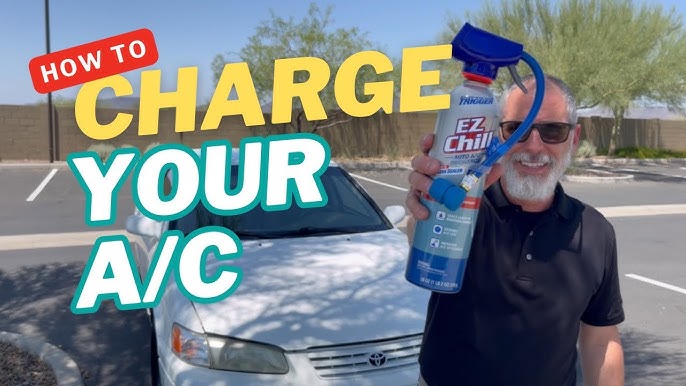
Is your car’s air conditioner not blowing cold air like it used to? You’re not alone.
When your AC starts losing its chill, it can make every drive uncomfortable, especially on hot days. The good news is, recharging your car air conditioner is easier than you might think—and it can save you money on expensive repairs.
In this guide, you’ll learn simple steps to bring your AC back to life quickly and safely. Keep reading to discover how you can enjoy cool, refreshing air on every trip again.

Credit: www.youtube.com
Signs Your Car Ac Needs Recharging
Your car air conditioner cools the cabin on hot days. Over time, it may lose refrigerant. This causes the AC to work less effectively.
Knowing the signs of low refrigerant helps you fix the AC early. This keeps your car comfortable and prevents damage.
Warm Air Blowing
The most common sign of low refrigerant is warm air from the vents. Instead of cool air, you feel only air at room temperature or warmer.
This happens because the refrigerant carries heat out of the car. When it runs low, the AC cannot cool the air properly.
Unusual Noises
Your car AC should run quietly. Strange sounds like hissing, clicking, or grinding may mean low refrigerant or other problems.
Low refrigerant causes the compressor to work harder. This can create noise and lead to damage if not fixed quickly.
Weak Airflow
If the air from your AC vents feels weak or slow, the system may need recharging. Low refrigerant affects the AC’s pressure and airflow.
Weak airflow can also mean a clogged filter or a leak. Check your AC system to find the exact cause.
Tools And Materials Required
Recharging your car air conditioner needs the right tools and materials. Using proper items helps the job go smoothly.
Here, you will find information about the refrigerant type, recharge kit parts, and safety gear needed.
Refrigerant Type
Your car uses a specific type of refrigerant for cooling. Check your owner’s manual to find the correct one.
Most modern cars use R-134a refrigerant, but some newer models might use R-1234yf. Using the wrong type can damage the system.
- R-134a: Common in many vehicles
- R-1234yf: Used in newer, eco-friendly models
- Check the label on your current refrigerant can
Recharge Kit Components
A recharge kit has all parts needed to add refrigerant. It usually includes a can of refrigerant and a hose with a gauge.
The gauge helps you measure the pressure. The hose connects to your car’s air conditioner system for easy filling.
- Refrigerant can with correct type
- Pressure gauge to monitor system pressure
- Hose with connector to attach to the car
- Instructions for safe use
Safety Gear
Wear safety gear to protect yourself while working with refrigerant. It can be harmful if it touches your skin or eyes.
Use gloves and safety glasses to avoid contact. Work in a well-ventilated area to prevent breathing in gases.
- Protective gloves to avoid skin contact
- Safety glasses to protect your eyes
- Work outdoors or in a ventilated space
- Keep a fire extinguisher nearby just in case
Locating The Ac Service Ports
Knowing where your car’s AC service ports are is important before recharging. These ports let you connect the recharge kit safely.
This guide will help you find the high-pressure and low-pressure ports. You will also learn how to use your owner’s manual.
High-pressure Port
The high-pressure port is usually smaller than the low-pressure port. It carries refrigerant from the compressor to the condenser.
Look for a metal pipe near the front of the engine bay. The port often has a red or pink cap.
Low-pressure Port
The low-pressure port is larger and carries refrigerant from the evaporator back to the compressor. It is the port used to recharge the AC system.
- Find a thick rubber or metal tube near the firewall on the passenger side.
- Check for a blue or black plastic cap on the port.
- Look for markings that say “L” or “LOW” on or near the port.
Using The Owner’s Manual
Your owner’s manual is a helpful resource for locating AC service ports. It shows exact locations and port types for your car model.
| Manual Section | Information Provided |
|---|---|
| AC System | Details on port locations and identification |
| Maintenance | Instructions on safe recharge procedures |
| Safety Warnings | Precautions when handling refrigerant |

Credit: www.youtube.com
Step-by-step Recharge Process
Car air conditioners need regular recharging to stay cool. This guide shows you how to recharge your car AC safely.
Follow these steps carefully to restore the cooling power of your car’s air conditioner.
Preparing The Vehicle
Start by parking your car in a shaded area. Turn off the engine and open the hood to access the AC system.
Check the AC system for leaks or damage before you begin. Wear gloves and safety glasses for protection.
Connecting The Recharge Kit
Locate the low-pressure port on the AC system. It usually has a blue or black cap and is smaller than the high-pressure port.
Attach the recharge kit’s hose to the low-pressure port. Make sure the connection is tight to avoid leaks.
- Remove the cap from the low-pressure port
- Connect the recharge hose securely
- Keep the refrigerant can upright
Adding Refrigerant
Turn on the car engine and set the AC to the highest cool setting. Hold the refrigerant can upright and press the valve to start adding refrigerant.
Add refrigerant slowly. Stop adding when the pressure reaches the recommended level or when the cooling improves.
- Shake the refrigerant can before use
- Do not overfill the system
- Add refrigerant in short bursts
Monitoring Pressure Levels
Use the pressure gauge on the recharge kit to watch the pressure. Keep it within the range shown on the can or vehicle manual.
If the pressure is too low, add more refrigerant carefully. If it is too high, stop and let the system rest to avoid damage.
| Pressure Level | Action |
|---|---|
| Below recommended range | Add refrigerant slowly |
| Within recommended range | Stop adding refrigerant |
| Above recommended range | Turn off system and wait |
Safety Tips During Recharge
Recharging your car air conditioner needs care to stay safe. Following safety steps protects you and your car.
Use the right tools and work carefully. This guide helps you avoid common dangers during recharge.
Avoiding Overcharging
Too much refrigerant can damage your AC system. It may cause leaks or reduce cooling power.
Use a gauge to check the pressure. Add refrigerant slowly and stop when the recommended level is reached.
- Read your car manual for correct refrigerant amount
- Never fill past the recommended pressure
- Check pressure often during recharge
Handling Refrigerants Carefully
Refrigerants can harm your skin and eyes. They can also cause breathing problems if inhaled in large amounts.
Wear gloves and safety glasses. Avoid touching or breathing in refrigerants directly.
- Use protective gloves and goggles
- Do not release refrigerant into the air
- Keep refrigerants away from flames or heat
Working In Well-ventilated Areas
Recharging in a closed space can cause gas buildup. This is dangerous and can cause health problems.
Always recharge your car AC outdoors or in a garage with open doors and windows.
- Work in open or well-ventilated spaces
- Keep doors and windows open if indoors
- Use fans to increase airflow if needed
Troubleshooting Common Issues
Car air conditioners need regular care to work well. Sometimes they stop cooling properly. This guide helps you find common problems and fix them.
We will look at leaks, compressor issues, and when it is best to get help from a professional. Understanding these problems saves time and money.
Leaks And Repairs
Leaks in the air conditioner system let the refrigerant escape. This causes the AC to blow warm air. Check hoses, seals, and connections for damage or cracks.
- Look for oily spots or wet areas under the car.
- Use a leak detector or UV dye for better spotting.
- Replace damaged hoses or seals promptly.
- Refill the refrigerant after fixing leaks.
Compressor Problems
The compressor pumps refrigerant through the AC system. If it fails, the system stops cooling. Signs include strange noises and no cold air.
| Symptom | Possible Cause | Action |
| Humming or grinding noise | Worn bearings or clutch | Inspect and replace compressor parts |
| AC blows warm air | Compressor not engaging | Check electrical connections and fuses |
| Compressor clutch does not move | Faulty clutch coil or relay | Test and replace faulty components |
When To Seek Professional Help
Some AC problems need expert tools and skills. If you see these signs, visit a mechanic or AC specialist.
- Refrigerant leaks that are hard to find
- Compressor replacement or major repairs
- Electrical system faults in the AC
- Persistent bad smells or mold inside vents
- System not cooling after refill and repair
Maintaining Your Car Ac System
Keeping your car air conditioner in good shape helps it work better. Regular care stops problems early. It also makes your rides cooler and more comfortable.
This guide covers how to check, clean, and service your car AC system to keep it running smoothly.
Regular Inspections
Check your car AC system often to spot issues. Look for leaks, strange noises, or weak airflow. These signs show the AC needs attention.
- Inspect AC hoses and connections for leaks.
- Listen for unusual sounds when AC runs.
- Check if air blows cold and strong.
- Watch for warning lights on the dashboard.
Cleaning Ac Components
Cleaning parts of your AC helps it cool better and last longer. Dust and dirt can block airflow and reduce performance.
| Component | Cleaning Method |
| Cabin Air Filter | Replace or clean every 12,000 miles |
| Evaporator Coil | Use soft brush or compressed air |
| Condenser | Rinse gently with water to remove debris |
| Air Vents | Wipe with damp cloth regularly |
Scheduling Professional Servicing
Experts can check refrigerant levels and fix hidden problems. Plan service at least once a year for best results.
- Take your car to a certified AC technician.
- Ask for refrigerant recharge if needed.
- Request a full system inspection.
- Follow recommended repairs or replacements.
Credit: www.youtube.com
Frequently Asked Questions
How Often Should I Recharge My Car Air Conditioner?
You should recharge your car air conditioner every 1 to 2 years. Frequent use causes refrigerant loss. Regular recharging ensures efficient cooling and prevents system damage.
What Tools Do I Need To Recharge My Car Ac?
You need a refrigerant recharge kit, including a pressure gauge, hose, and refrigerant can. Always check your car’s AC specifications before starting.
Can I Recharge My Car Ac Myself Safely?
Yes, you can recharge your car AC safely if you follow instructions carefully. Use proper tools, wear safety gear, and avoid overcharging the system.
How Do I Know If My Car Ac Needs Recharging?
Signs include weak cooling, strange noises, or visible leaks. Low refrigerant levels cause poor AC performance and require recharging.
Conclusion
Recharging your car’s air conditioner can be simple. Follow the steps carefully. Use proper tools and safety gear. Always check the system for leaks. Refill with the right refrigerant type. This ensures effective cooling. Regular maintenance keeps the AC running smoothly.
It saves you time and money. If unsure, consult a professional mechanic. They offer expert guidance. A well-functioning AC enhances driving comfort. Especially on hot days. Keep your car cool and enjoyable. Stay alert and proactive with your car care.
Your car, your comfort.