Are you worried about safely recovering refrigerant from your HVAC system? You’re not alone.
Many people face this challenge, but understanding the right steps can make all the difference. Imagine being able to handle refrigerant recovery like a pro, saving time and money. In this guide, you’ll discover simple, effective methods to recover refrigerant safely and efficiently.
Picture your HVAC system running smoothly, with no environmental harm. By the end of this article, you’ll be equipped with the knowledge to tackle refrigerant recovery confidently. Let’s dive in and explore how you can master this essential skill.
Importance Of Refrigerant Recovery
Recovering refrigerant is more than just a technical task—it plays a crucial role in protecting the environment, complying with laws, and saving money. Understanding why refrigerant recovery matters can help you handle HVAC systems responsibly and avoid costly mistakes.
Environmental Impact
Refrigerants contain chemicals that harm the ozone layer and contribute to global warming if released into the atmosphere. Even a small leak can cause significant environmental damage over time. By recovering refrigerants properly, you prevent these harmful gases from escaping and protect the planet for future generations.
Legal Requirements
Many countries have strict regulations about handling and disposing of refrigerants. Failing to recover refrigerants correctly can lead to heavy fines and legal trouble. Knowing and following these rules not only keeps you compliant but also builds trust with your customers and partners.
Cost Savings
Recovering refrigerant means you can reuse it instead of buying new supplies every time. This practice reduces your operating costs and minimizes waste. Have you ever calculated how much you spend on refrigerants annually? Recovering and recycling them could significantly lower those expenses.
Essential Equipment For Recovery
Recovering refrigerant safely and efficiently depends heavily on having the right equipment at your disposal. Without the essential tools, you risk damaging your system, harming the environment, or even putting yourself in danger. Let’s take a closer look at the key gear that makes refrigerant recovery not just possible, but effective.
Recovery Machines
Recovery machines are the heart of the refrigerant recovery process. These devices pull refrigerant from HVAC systems and store it for recycling or disposal. Choosing a machine that matches your refrigerant type and system capacity is crucial.
Look for features like oil-less compressors and built-in moisture indicators. These help protect the recovered refrigerant’s quality. I once used a basic machine that overheated quickly, which slowed down my work and increased risk. Investing in a reliable recovery machine saves time and prevents costly mistakes.
Recovery Cylinders
Recovery cylinders are specially designed containers to safely store recovered refrigerants. They are built to handle high pressure and prevent leaks, ensuring environmental safety. Using the correct cylinder for the specific refrigerant type is non-negotiable.
Make sure your cylinders are properly labeled, inspected, and free of damage before use. I’ve seen technicians underestimate the importance of cylinder condition, leading to dangerous leaks. Your safety and compliance with regulations depend on using the right cylinder in good condition.
Safety Gear
Handling refrigerants involves exposure to chemicals and pressures that can be hazardous. Wearing proper safety gear protects you from potential burns, frostbite, and inhalation risks. Essential items include gloves, safety goggles, and protective clothing.
Don’t overlook ventilation and respirators if you’re working in confined spaces. I once neglected a respirator during recovery and felt dizzy afterward—a clear warning sign. Prioritize your health by gearing up correctly every time you recover refrigerant.
Preparation Before Recovery
Preparing for refrigerant recovery is crucial to ensure safety and efficiency. Proper preparation protects the environment and equipment. It also helps avoid costly mistakes during recovery. Follow these key steps before starting the process.
System Inspection
Begin with a thorough inspection of the refrigeration system. Check all components for damage or wear. Look for signs of corrosion or broken parts. Confirm that all valves and connections are secure. Identify the type and amount of refrigerant inside the system. This step ensures the recovery process runs smoothly.
Leak Detection
Detecting leaks prevents refrigerant loss and environmental harm. Use a leak detector or soap solution on joints and fittings. Watch for bubbles or sounds that indicate leaks. Fix any leaks before recovery begins. A tight system keeps refrigerant contained and recovery effective.
Ventilation Setup
Set up proper ventilation in the work area. Good airflow reduces the risk of harmful gas buildup. Open windows or use exhaust fans to improve air circulation. Avoid confined spaces without ventilation. Safety depends on clean, fresh air during refrigerant recovery.

Credit: www.achrnews.com
Step-by-step Recovery Process
Recovering refrigerant safely and efficiently requires a clear process. Understanding each stage helps you avoid common mistakes and protects your equipment. Let’s walk through the recovery process so you feel confident handling it yourself.
Connecting Equipment
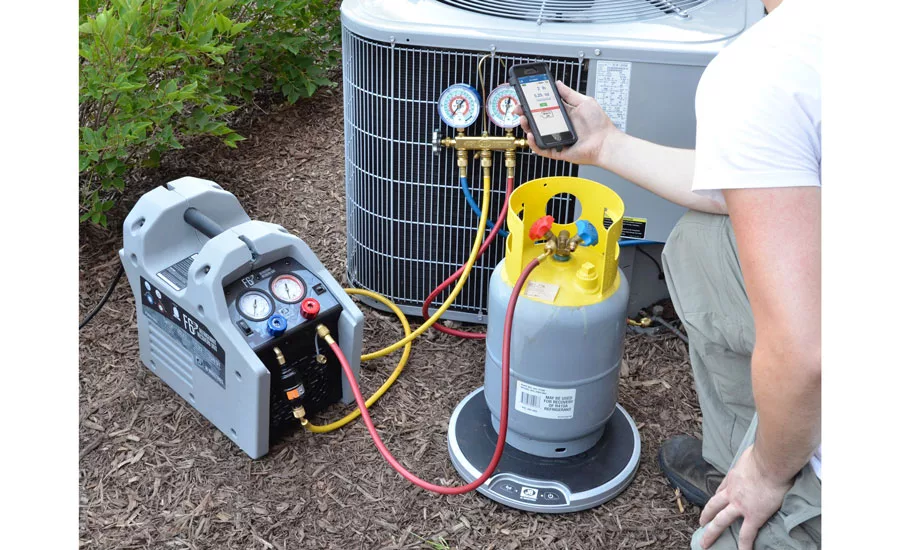
Start by gathering all necessary tools: recovery machine, recovery tank, manifold gauges, and hoses. Connect the recovery machine to the refrigerant system’s service ports using the hoses. Make sure all connections are tight to prevent leaks—loose fittings can cause refrigerant to escape, which is both costly and harmful.
Double-check that the recovery tank valve is closed before attaching it to the machine. This step is crucial because an open tank valve can cause refrigerant to flow the wrong way, damaging your equipment. Have you ever rushed this part and faced a frustrating leak? Taking your time here saves headaches later.
Extracting Refrigerant
Turn on the recovery machine to begin pulling refrigerant from the system. The machine will pump the refrigerant into the recovery tank, separating it from any oils or contaminants. Keep an eye on the tank’s fill level—overfilling it can be dangerous and reduce efficiency.
Extraction speed may vary depending on your system size and refrigerant type. If you notice the machine struggling or unusual noises, stop and check connections or filters. It’s better to pause and troubleshoot than risk damaging the machine or releasing refrigerant into the environment.
Monitoring Pressure Levels
Use manifold gauges to track pressure inside the system and recovery tank throughout the process. Maintaining proper pressure levels ensures refrigerant moves smoothly without causing stress on the equipment. Pressures that are too high or low can signal a problem needing your attention.
Regularly check the recovery tank’s pressure gauge to avoid over-pressurization. Once the pressure stabilizes near the tank’s recommended limit, it’s time to stop extraction. Have you ever ignored these readings? It’s a quick way to create safety hazards and equipment damage.
Safety Precautions During Handling
Handling refrigerants requires strict safety measures. These chemicals can harm your health and cause accidents. Following safety rules protects you and others around. Use the right gear and work in well-ventilated areas. Always be aware of the risks when recovering refrigerants.
Avoiding Exposure
Avoid direct contact with refrigerants. They can cause skin burns and frostbite. Use gloves made for chemical handling. Wear safety goggles to protect your eyes. Always work in areas with fresh air to reduce inhaling harmful gases. If you feel dizzy or sick, leave the area immediately.
Preventing Fires And Explosions
Keep all sources of ignition away from refrigerants. Do not smoke or use open flames near the work area. Use tools and equipment rated for flammable environments. Ensure proper grounding to avoid static sparks. Store refrigerants in a cool, dry place away from heat. Know the emergency plan and have fire extinguishers ready.
Proper Storage
Store refrigerants in approved containers only. Label containers clearly with the type of refrigerant inside. Keep containers upright and secure to prevent leaks. Avoid storing near strong acids or bases. Check containers regularly for signs of damage or corrosion. Follow local laws for refrigerant storage and disposal.

Credit: yellowjacket.com
Disposal And Recycling Of Refrigerants
Disposal and recycling of refrigerants play a vital role in protecting the environment. Proper handling prevents harmful gases from entering the atmosphere. It also helps recover valuable materials for reuse. Following correct procedures ensures safety and legal compliance.
Certified Recycling Centers
Certified recycling centers follow strict rules for refrigerant handling. These centers use advanced equipment to clean and recycle gases. They prevent leaks and contamination during processing. Choosing a certified center guarantees safe disposal and resource recovery.
Handling Contaminated Refrigerants
Contaminated refrigerants need special care to avoid hazards. They must be separated from pure refrigerants before recycling. Technicians use filters and testing tools to identify impurities. Proper treatment prevents damage to recycling machines and the environment.
Documentation And Compliance
Keeping clear records is essential for refrigerant disposal. Documentation includes quantity, type, and disposal method details. Compliance with local and international laws avoids fines and legal issues. Accurate paperwork supports environmental responsibility and transparency.
Common Mistakes To Avoid
Recovering refrigerant is a task that demands accuracy and care. Avoiding common mistakes can save you time, money, and potential hazards. Knowing what not to do is just as important as knowing the correct steps to follow.
Overfilling Cylinders
Overfilling refrigerant cylinders is a risk that many technicians overlook. It might seem harmless to add a little extra, but this can cause dangerous pressure build-ups. Cylinders have a maximum fill limit, and exceeding it can lead to leaks or even explosions.
Always check the cylinder’s weight and volume ratings before starting. Have you ever rushed through filling only to realize you’ve surpassed the limit? That moment of haste can cost you much more than a refill.
Ignoring Equipment Maintenance
Using poorly maintained recovery equipment affects the entire process. Valves, hoses, and gauges need regular checks to ensure they work properly. A small leak or malfunction can contaminate the refrigerant or stop recovery altogether.
Think about the last time you skipped maintenance because the equipment seemed fine. Could that tiny crack in the hose have caused loss of refrigerant or injury? Keeping your tools in top shape prevents unexpected breakdowns and improves safety.
Neglecting Personal Safety
Refrigerant recovery involves handling chemicals under pressure, so personal safety is non-negotiable. Skipping protective gear or ignoring ventilation guidelines puts you at risk of frostbite, inhalation hazards, or burns.
Have you ever felt too comfortable and skipped gloves or goggles? That split second of carelessness can lead to serious injury. Always wear appropriate safety equipment and work in well-ventilated areas to protect yourself fully.

Credit: appiontools.com
Tips For Efficient Recovery
Efficient refrigerant recovery doesn’t just save money—it protects the environment and keeps your work compliant with regulations. Small habits and smart routines can make a big difference in how smoothly your recovery process runs. Let’s look at some practical tips that you can start applying today to improve your refrigerant recovery efficiency.
Regular Equipment Checks
Checking your recovery equipment regularly prevents unexpected breakdowns. Look for leaks, worn hoses, and damaged seals before each use. Clean filters and tight connections ensure the system works at full capacity, saving you time and frustration.
Have you ever experienced a slow recovery because of a tiny leak? Catching these issues early can stop that from happening. Keeping a checklist handy can help you stay on top of maintenance.
Training And Certification
Proper training helps you understand the best recovery techniques and safety measures. Certified professionals know how to handle refrigerants carefully, minimizing losses and environmental risks. If you haven’t updated your skills recently, consider taking a refresher course.
Investing time in training pays off by reducing mistakes and speeding up the recovery process. What’s one skill you think could improve your current recovery workflow?
Keeping Records
Detailed records track the amount of refrigerant recovered, equipment performance, and service dates. This information helps you spot patterns, such as recurring equipment issues or inefficiencies. Accurate logs also protect you during audits and inspections.
Try using a simple digital form or app to log data right after each job. This habit makes it easier to review your progress and plan future maintenance.
Frequently Asked Questions
What Is Refrigerant Recovery In Hvac Systems?
Refrigerant recovery is the safe removal of refrigerants from HVAC units. It prevents gas release into the atmosphere. This process ensures compliance with environmental regulations and allows refrigerant reuse or proper disposal.
Why Is Refrigerant Recovery Important?
Recovering refrigerant protects the environment by reducing harmful emissions. It conserves resources by recycling refrigerants. It also prevents legal penalties related to improper refrigerant handling and supports sustainable HVAC maintenance.
How Do You Safely Recover Refrigerant?
Use approved recovery equipment and follow manufacturer guidelines. Wear protective gear and avoid leaks during the process. Properly store recovered refrigerant in designated cylinders for recycling or disposal.
Can I Recover Refrigerant Without Special Tools?
No, recovering refrigerant requires certified recovery machines. These tools safely capture and contain refrigerant gases. Using improper methods risks environmental damage and legal consequences.
Conclusion
Recovering refrigerant helps protect the environment and saves money. Always follow safety rules to avoid harm. Use proper tools and techniques for best results. Regular maintenance keeps your system running smoothly. Stay informed about laws and guidelines for refrigerant handling.
Taking care of refrigerants shows responsibility and care for our planet. Practice these steps to maintain your cooling system safely. Simple actions make a big difference over time. Keep learning and stay safe while handling refrigerants. Your efforts help create a cleaner, healthier world.