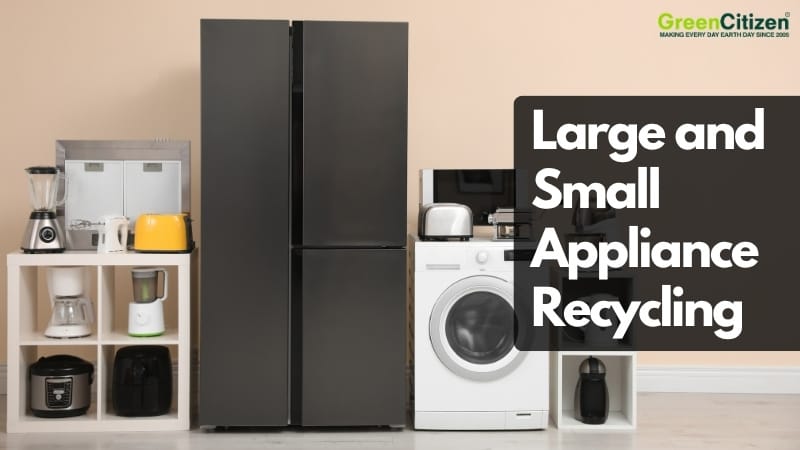
Are you wondering what to do with your old washer and dryer? Tossing them in the trash isn’t the answer.
These bulky machines contain valuable materials that can be reused, saving you money and helping the environment. But how do you recycle them the right way? You’ll discover simple steps to recycle your washer and dryer easily and responsibly. Keep reading to learn how to turn your old appliances into something useful again—and feel good about your choice.
Credit: consumerenergyalliance.org
Benefits Of Recycling Washers And Dryers
Recycling washers and dryers helps reduce waste in landfills. It also saves energy and natural resources.
By recycling these appliances, we can protect the environment and support a healthier planet.
Environmental Impact
Old washers and dryers contain metals and plastics. Throwing them away adds harmful waste to landfills.
Recycling keeps these materials out of the environment. It lowers pollution and conserves space in dumps.
Resource Conservation
Recycling recovers metals like steel and aluminum from appliances. This reduces the need to mine new materials.
It also saves water and energy used in making new parts. Recycling helps keep natural resources for future use.
- Steel can be reused to make new appliances
- Plastic parts can be melted and reshaped
- Reduces demand for raw material mining
Economic Advantages
Recycling washers and dryers creates jobs in the recycling industry. It supports local businesses that handle old appliances.
It lowers costs for manufacturers by supplying recycled materials. Consumers benefit from lower prices on new products.
- More jobs in appliance recycling centers
- Lower production costs for new appliances
- Reduced waste management expenses
Preparing Appliances For Recycling
Recycling your washer and dryer helps reduce waste and saves resources. Before recycling, you need to prepare the machines properly. This ensures safety and makes recycling easier.
Follow simple steps to disconnect, remove parts, and clean your appliances. These steps protect you and help recycling centers process the machines better.
Disconnecting Power And Water
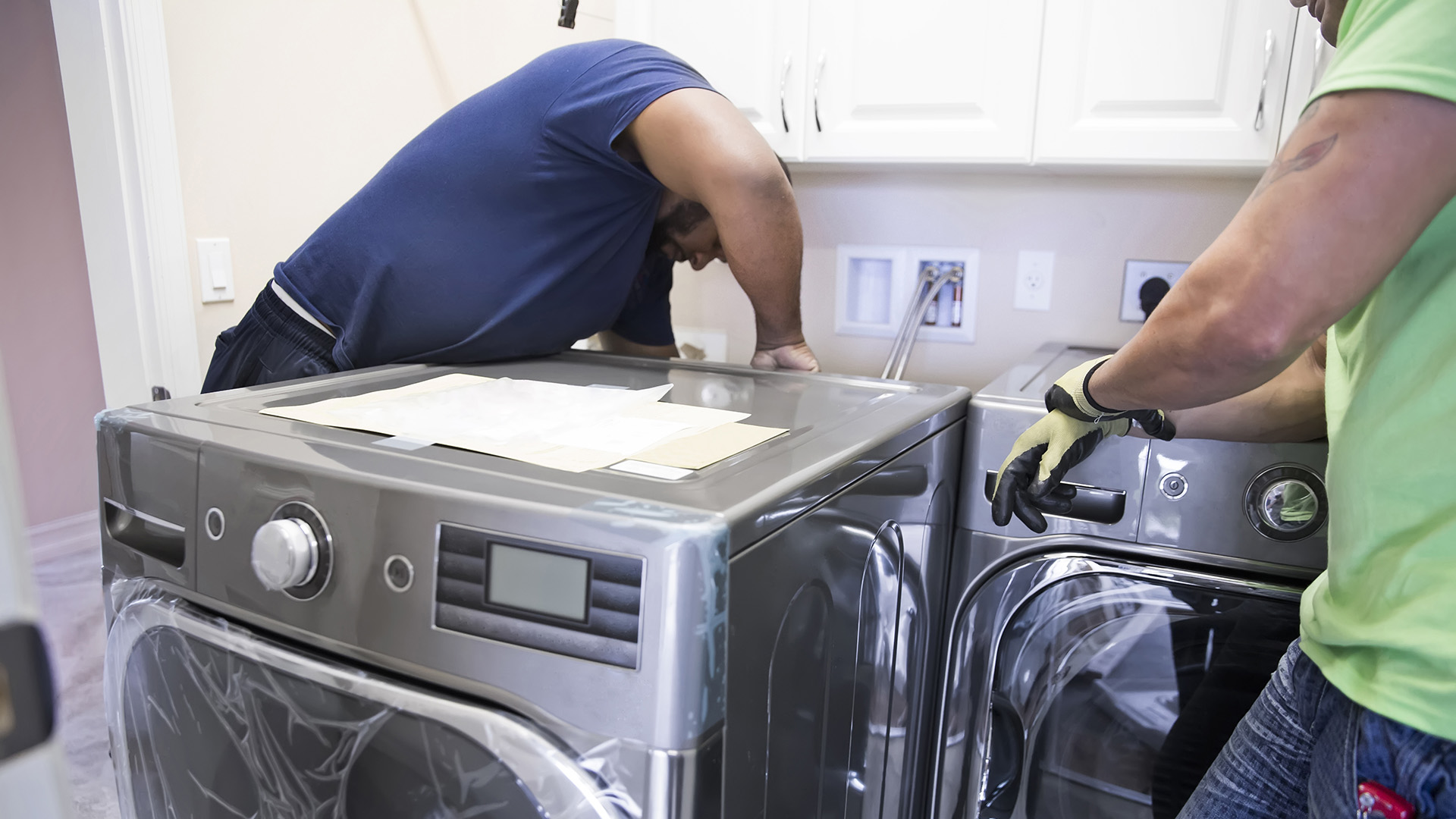
Always unplug your washer and dryer from the electrical outlet first. Then, turn off the water supply to the washer. Carefully disconnect the water hoses to avoid leaks or spills.
- Unplug the power cords from the wall outlet
- Turn off the water valves behind the washer
- Use a towel to catch any water from the hoses
- Disconnect the hot and cold water hoses
- Check for any remaining water in the machine
Removing Detachable Parts
Take off parts that can be removed easily. This includes trays, filters, and lint traps. Removing these parts helps recyclers sort materials faster and recycle better.
| Part | How to Remove | Why Remove |
|---|---|---|
| Detergent Tray | Pull out gently and clean | Prevents mold and damage |
| Lint Trap | Open and lift out carefully | Removes debris and dirt |
| Filters | Unscrew or slide out | Protects recycling equipment |
Cleaning The Machines
Clean both washer and dryer inside and out. Remove soap, dirt, and lint. This helps prevent bad smells and makes recycling safer.
- Wipe the outer surfaces with a damp cloth
- Run a short wash cycle with vinegar or baking soda
- Empty and clean the lint trap in the dryer
- Let the machines dry completely before recycling
Finding Recycling Centers
Recycling washers and dryers helps reduce waste and saves resources. You can find places that accept these appliances near you.
Look for local centers, manufacturer programs, or community events to recycle old machines safely.
Local Recycling Facilities
Many cities have recycling centers that take large appliances. These places break down machines to reuse parts and materials.
- Search your city’s waste management website
- Call local recycling centers to ask if they accept washers and dryers
- Check if there are fees or special drop-off days
Manufacturer Take-back Programs
Some manufacturers offer take-back programs. They accept old washers and dryers when you buy a new one.
| Manufacturer | Program Details | Contact Info |
| Brand A | Free pickup with new purchase | brandA.com/recycling |
| Brand B | Drop-off at authorized dealers | brandB.com/support |
| Brand C | Mail-in recycling option | brandC.com/recycle |
Community Collection Events
Communities often hold special collection days. These events gather bulky items like washers and dryers for recycling.
Check local newspapers or city websites for event dates. Bring your appliance to the collection site on the set day.
- Find event dates online or in flyers
- Prepare your washer or dryer for drop-off
- Follow event rules for safe disposal
Credit: greencitizen.com
Donation And Resale Options
Recycling your old washer and dryer can help others and reduce waste. Donating or reselling these appliances gives them a second life.
Explore ways to pass on your washer and dryer through charity, online sales, or repair projects.
Charity Organizations
Many charities accept washers and dryers in good condition. They provide these appliances to families in need or sell them to raise funds.
- Contact local shelters or community centers.
- Check if the organization offers free pickup services.
- Confirm the appliance meets safety standards.
- Ask about tax deduction receipts for donations.
Online Marketplaces
You can sell your washer and dryer online to reach buyers nearby. This helps recover some money and keeps the appliances in use.
| Platform | Key Feature | Tips for Selling |
| Facebook Marketplace | Local buyers | Use clear photos, set fair price |
| Craigslist | No fees | Meet in safe public places |
| OfferUp | Mobile app | Respond quickly to inquiries |
Repair And Repurpose
Fixing a washer or dryer can extend its life. Some parts can be reused for other projects or appliances.
- Check online tutorials for simple repairs.
- Use parts like motors and belts for crafts or machines.
- Donate broken appliances to repair workshops.
- Recycle metal and plastic parts properly.
Transportation And Drop-off Tips
Recycling your washer and dryer helps the environment. It also frees space in your home.
Knowing how to transport and drop off these appliances safely is important. This guide gives you useful tips.
Safe Handling Practices
Washers and dryers are heavy and bulky. Use care to avoid injury or damage.
Always lift with your legs, not your back. Keep a firm grip and move slowly.
- Wear gloves to protect your hands
- Clear a path before moving appliances
- Use a dolly or hand truck for easier transport
- Get help from another person if needed
- Secure appliances in the vehicle to prevent shifting
Scheduling Pickups
Many recycling centers offer pickup services. Scheduling a pickup can save time and effort.
Contact your local recycling program or waste management company to arrange a pickup. Ask about fees and requirements.
- Check if your appliances qualify for pickup
- Schedule pickup on a day that works for you
- Confirm pickup time and location
- Prepare appliances by disconnecting cords and hoses
- Place appliances in an accessible spot for easy loading
Proper Documentation
Some recycling centers require documents before accepting washers and dryers. Proper paperwork ensures smooth drop-off.
Keep receipts or confirmation emails from your recycling service. This proves you disposed of appliances responsibly.
- Check if a recycling certificate is needed
- Bring proof of appliance ownership if required
- Keep records of pickup or drop-off dates
- Ask for a receipt after recycling is complete
Avoiding Common Recycling Mistakes
Recycling your washer and dryer is important for the environment. Many people make mistakes that can lead to harm. Learn how to recycle safely to protect the planet.
Follow the right steps to ensure your old appliances are recycled correctly. This guide will help you avoid common pitfalls.
Removing Hazardous Materials
Washers and dryers may contain harmful substances. It’s important to handle these with care to prevent pollution.
- Remove all fluids from the washer and dryer.
- Check for any parts with mercury or other toxins.
- Properly dispose of batteries and capacitors.
Checking Local Regulations
Every area has different recycling laws. Knowing these regulations helps you recycle responsibly.
| Location | Contact | Website |
| City A | (123) 456-7890 | citya-recycling.com |
| City B | (987) 654-3210 | cityb-recycling.com |
Avoiding Illegal Dumping
Dumping appliances illegally can harm the environment. Always choose the right recycling facilities.
Ensure your appliances are dropped off at certified centers. This helps in proper disposal and recycling.

Credit: www.tejaonthehorizon.com
Frequently Asked Questions
How To Prepare Washers And Dryers For Recycling?
Unplug the appliances and disconnect water hoses. Remove detergent trays and any removable parts. Clean the machines to avoid odors. This makes recycling easier and safer.
Where Can I Recycle My Old Washer And Dryer?
Check local recycling centers or scrap yards. Many appliance stores offer take-back programs. Some municipalities have special collection days for large appliances.
Can Washers And Dryers Be Recycled For Parts?
Yes, many components like metal, plastic, and motors can be reused. Recycling centers often separate parts for resale or reuse. This reduces waste and supports sustainability.
Is It Safe To Recycle Appliances With Refrigerants?
Washers and dryers typically do not contain refrigerants. However, if your dryer has a cooling system, ensure professionals remove harmful fluids before recycling.
Conclusion
Recycling your washer and dryer helps the planet and saves space. Many places accept old appliances for recycling. Removing parts like metal and plastic keeps waste low. Donating working machines supports those in need. Taking these steps reduces pollution and conserves resources.
Small actions make a big difference for the environment. Start recycling today and contribute to a cleaner future. It’s simple, helpful, and good for everyone.