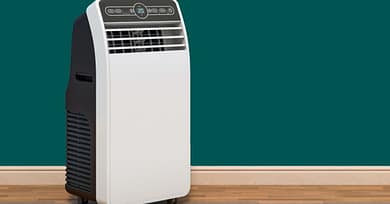
Have an old window air conditioner you no longer need? Before you toss it out, you might be missing a great chance to help the planet—and even save some money.
Recycling your window air conditioner isn’t as tricky as it sounds. In fact, with the right steps, you can make sure it’s done safely and responsibly. Keep reading to discover simple, clear ways to recycle your unit and turn what feels like waste into something valuable for your community and the environment.
Credit: nixxitjunk.com
Why Recycle Window Air Conditioners
Window air conditioners contain materials that can harm the environment if not recycled. Recycling helps keep these harmful parts out of landfills. It also recovers useful materials that can be reused.
Knowing why recycling is important can help you make better choices. It protects nature and keeps your home safe.
Environmental Impact
Window air conditioners have chemicals like refrigerants that can damage the air. If these leak, they cause pollution. Also, metals and plastics in the unit add to waste if thrown away carelessly.
- Refrigerants harm the ozone layer
- Metals can be reused to save resources
- Plastics take a long time to break down
- Improper disposal leads to soil and water pollution
Health And Safety Concerns
Old air conditioners can leak harmful gases. These gases can cause breathing problems and other health issues. Sharp parts and heavy metals inside can also be dangerous during disposal.
| Risk | Cause | Effect |
| Gas Leak | Refrigerants | Respiratory problems |
| Sharp Edges | Metal parts | Injuries |
| Heavy Metals | Components | Poisoning |
Benefits Of Recycling
Recycling window air conditioners saves energy and resources. It reduces pollution and lowers the need to mine new metals. Recycling also creates jobs in the recycling industry.
- Conserves natural resources
- Reduces greenhouse gas emissions
- Prevents pollution of land and water
- Supports recycling businesses and jobs

Credit: www.acdirect.com
Preparation Before Recycling
Recycling window air conditioners helps protect the environment. Proper preparation makes the process safer and easier.
Follow these steps to prepare your unit for recycling. Each step reduces risks and ensures useful parts are handled correctly.
Turn Off And Unplug Unit
Switch off the air conditioner before starting any work. Unplug it from the power outlet to avoid electric shock.
Remove And Clean Filters
Take out the filters carefully. Clean them to remove dust and dirt for better recycling results.
- Locate the filter panel on the front or side.
- Slide or unclip the filters gently.
- Wash filters with warm water and mild soap.
- Let filters dry completely before disposal or reuse.
Drain Refrigerant Properly
Refrigerant can harm the environment if released. Drain it safely using correct methods or professionals.
| Refrigerant Type | Handling Advice |
| R-22 | Use certified technician for removal |
| R-410A | Follow EPA guidelines for disposal |
| Other types | Consult local recycling center |
Recycling Options
Window air conditioners contain materials that can be harmful to the environment. Recycling them properly helps reduce waste and recover valuable parts.
There are several ways to recycle your old window air conditioner safely. Choose the best option based on your location and convenience.
Local Recycling Centers
Many communities have local recycling centers that accept window air conditioners. They ensure the units are dismantled safely and harmful materials are handled correctly.
- Find your nearest recycling center online or by phone
- Check if they accept air conditioners or appliances
- Drop off your unit during accepted hours
- Ask about any fees or requirements before visiting
Manufacturer Take-back Programs
Some manufacturers offer take-back programs for old appliances. These programs help recycle air conditioners responsibly and may provide instructions for returning the unit.
| Manufacturer | Program Details | How to Participate |
| Brand A | Free take-back with proof of purchase | Contact customer service for instructions |
| Brand B | Mail-in recycling program | Request a prepaid shipping label online |
| Brand C | Drop-off at authorized dealers | Locate dealer on website |
Professional Disposal Services
Professional disposal services handle old air conditioners safely. They often offer pickup and certified recycling to meet environmental laws.
- Schedule a pickup online or by phone
- Ensure the service is certified for appliance disposal
- Ask if they recycle or resell parts
- Keep records of disposal for your reference

Credit: thechillbrothers.com
Steps To Recycle At Home
Recycling your window air conditioner helps protect the environment. It reduces waste and recovers useful materials.
This guide shows simple steps to recycle your air conditioner safely at home.
Disassemble Components
Start by unplugging the unit and moving it to a clean workspace. Remove the outer casing carefully to access inside parts.
Take out screws and plastic clips to separate the front and back panels. Remove filters, fan blades, and electrical parts.
Separate Materials
Sort parts by material type. This makes recycling easier and more effective.
- Metal pieces like aluminum and steel
- Plastic components such as casing and fan blades
- Glass parts from display or control panels
- Electronic elements including wires and circuit boards
Safe Handling Tips
Wear gloves and safety glasses to protect yourself. Handle sharp metal parts with care to avoid cuts.
Do not release refrigerants yourself. Call a professional to remove harmful chemicals safely.
- Work in a well-ventilated area
- Keep tools organized and away from children
- Dispose of electronic waste at local recycling centers
Repurposing Old Air Conditioners
Old window air conditioners can be reused in many ways instead of throwing them away. Repurposing helps reduce waste and saves money.
There are simple projects and useful parts inside that you can use for other purposes. Learning to reuse can be fun and practical.
Diy Projects
You can turn old air conditioners into useful items with some easy DIY ideas. These projects give new life to parts that still work.
Some projects include making small fans, planters, or storage boxes. These are simple and need few tools.
- Use the fan blades to make a small desk fan
- Convert the outer shell into a planter box for herbs
- Make a storage container from the empty casing
- Create a birdhouse using parts of the frame
Parts Reuse Ideas
Many parts inside window air conditioners can be reused for other projects or repairs. These parts often stay in good condition.
Here are some common parts you can take out and use again:
- Compressor for small cooling projects
- Fan motor for DIY fans or ventilation
- Metal casing for craft or repair work
- Cooling coils for science experiments
- Electrical wires and switches for electronics
Legal Regulations
Recycling window air conditioners requires following specific legal rules. These rules protect the environment and public health.
Knowing the laws helps avoid fines and ensures proper disposal of harmful materials.
Disposal Laws
Many places have laws about how to throw away window air conditioners. These laws stop harmful parts from polluting the earth.
It is often illegal to toss air conditioners in regular trash. You must take them to special recycling centers.
- Recycle at approved facilities only
- Do not dump in landfills without permission
- Follow local and state disposal rules
- Check for special collection events
Refrigerant Handling Rules
Window air conditioners contain refrigerants that can harm the ozone layer. Laws require careful handling of these chemicals.
Only certified technicians can remove refrigerants. This prevents leaks and protects the environment.
- Use certified professionals for refrigerant removal
- Follow EPA or local environmental agency rules
- Do not release refrigerants into the air
- Properly store and dispose of refrigerants
Tips To Choose Eco-friendly Ac Units
Choosing an eco-friendly air conditioner helps reduce energy use. It also lowers your carbon footprint. This guide gives simple tips to pick better AC units.
Look for features that save energy and support sustainability. These details can help you find a unit that is kind to the planet.
Energy Efficiency Ratings
Energy efficiency ratings show how much power an AC unit uses. Higher ratings mean less energy and lower bills. Look for the ENERGY STAR label on the unit.
- Check the SEER (Seasonal Energy Efficiency Ratio) number.
- Choose units with a SEER rating of 14 or above.
- Look for EER (Energy Efficiency Ratio) for cooling performance.
- Pick models with inverter technology for less power waste.
Sustainable Features
Sustainable AC units use eco-friendly materials and refrigerants. These reduce harm to the environment. Look for models with these features.
| Feature | Benefit |
| Natural refrigerants (like R-290) | Lower global warming impact |
| Recyclable parts | Reduce landfill waste |
| Smart thermostats | Save energy by better temperature control |
| Low noise operation | Less disturbance to wildlife and humans |
Frequently Asked Questions
How Do I Prepare A Window Ac For Recycling?
First, unplug and remove the AC unit carefully. Drain any remaining refrigerant by a certified technician. Remove any reusable parts like filters. Clean the unit to avoid contamination during recycling.
Where Can I Recycle My Window Air Conditioner?
Check with local recycling centers or waste management facilities. Many offer special programs for electronic appliances. Some manufacturers or retailers also accept old AC units for recycling.
What Materials Are Recovered From Recycled Window Acs?
Recycling recovers metals like copper, aluminum, and steel. Plastic components and electronic parts are also reused. Proper recycling prevents harmful refrigerants from polluting the environment.
Is It Safe To Recycle Window Air Conditioners Myself?
No, handling refrigerants requires professional skills and equipment. Certified technicians must safely remove harmful chemicals. Improper disposal can cause environmental damage and legal penalties.
Conclusion
Recycling window air conditioners helps protect the environment. It reduces waste and saves valuable materials. Many parts can be reused or safely disposed of. Take your old unit to a certified recycler or a local recycling center. Always remove harmful chemicals like refrigerants first.
Following proper steps keeps your home and planet safe. Small actions make a big difference over time. Start recycling today and contribute to a cleaner world.