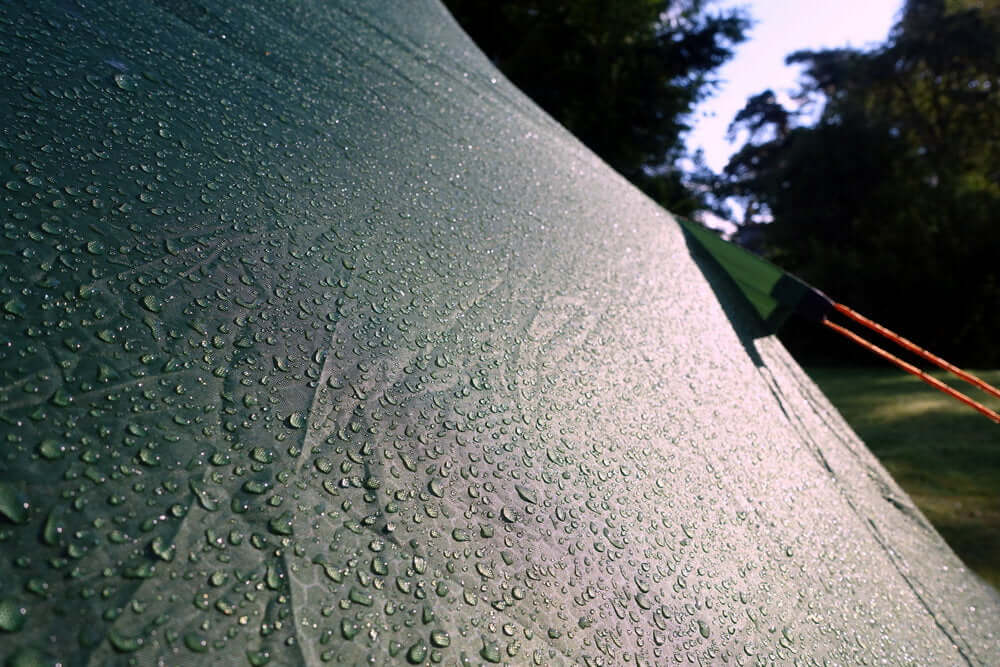
Have you ever woken up to a wet, damp tent that makes your camping trip uncomfortable? Condensation inside your tent can turn a cozy night under the stars into a chilly, soggy mess.
But what if you could keep your tent dry and comfortable all night long? You’ll discover simple, effective ways to reduce condensation in your tent. By learning these easy tips, you’ll enjoy a warmer, drier camping experience every time. Keep reading to find out how to take control of moisture and make your outdoor adventures much more pleasant.
Causes Of Tent Condensation
Condensation happens when water vapor turns into liquid inside your tent. This can make your gear and clothes wet. Understanding why condensation forms helps you reduce it.
Several factors cause condensation in tents. These include your body heat, weather conditions, and the tent’s materials and design.
Body Heat And Breath
Your body and breath release moisture as you sleep. This moisture fills the air inside the tent. When warm air meets the cooler tent walls, it turns into water droplets.
Even simple activities like breathing or sweating add to the damp air. The more people inside, the more moisture builds up.
Weather Conditions
Cold nights and humid weather increase condensation risk. When outside air is cold, the tent walls cool down. Warm, moist air inside hits the cold surface and condenses.
Rain or damp ground also adds moisture to the air inside. Wind can either help dry the tent or trap humid air, depending on direction and speed.
Tent Materials And Design
Some tents use fabrics that do not breathe well. This traps moisture inside and causes condensation. Poor ventilation or no vents make the problem worse.
Tents with good mesh panels and vents let moist air escape. The design and materials affect how much moisture stays inside the tent.

Credit: www.reddit.com
Choosing The Right Tent
Condensation in tents can make camping uncomfortable. Picking the right tent helps reduce moisture inside. This guide covers key features to look for.
Focus on ventilation, material breathability, and tent size. These factors control airflow and space, lowering condensation risks.
Ventilation Features
Tents with good ventilation allow air to flow freely. This movement helps remove moisture from breathing and wet gear.
- Look for tents with mesh windows or vents
- Check if vents can be opened and closed easily
- Choose tents with multiple ventilation points
- Avoid tents with sealed or limited airflow
Material Breathability
The fabric of the tent affects how moisture escapes. Breathable materials help reduce inside dampness by letting water vapor out.
| Material | Breathability | Condensation Control |
| Nylon with waterproof coating | Low | Moderate |
| Polyester with breathable membrane | High | Good |
| Cotton canvas | Very High | Best |
Tent Size And Space
A larger tent allows more air circulation and space to keep wet items away from sleeping areas. Avoid tents that are too small for your group.
- Better airflow reduces dampness
- More room to dry wet clothes and gear
- Less chance of moisture building up near sleeping areas
Effective Ventilation Techniques
Condensation in tents can be uncomfortable. It can also lead to damp gear. Proper ventilation is key to reducing condensation.
Here are some effective ways to ventilate your tent. These techniques will help keep you dry.
Opening Vents And Doors
Most tents have built-in vents. Opening these vents helps air flow through the tent. If it is not raining, open the tent doors as well.
- Check your tent for roof vents.
- Open doors when the weather allows.
- Use guy lines to prop open flaps.
Using Mesh Panels
Mesh panels allow air to circulate. They also keep bugs out. Use them whenever possible for better airflow.
| Mesh Panel | Benefit |
| Roof Mesh | Allows hot air to escape |
| Side Mesh | Lets cool air in |
| Door Mesh | Keeps insects out |
Positioning Your Tent
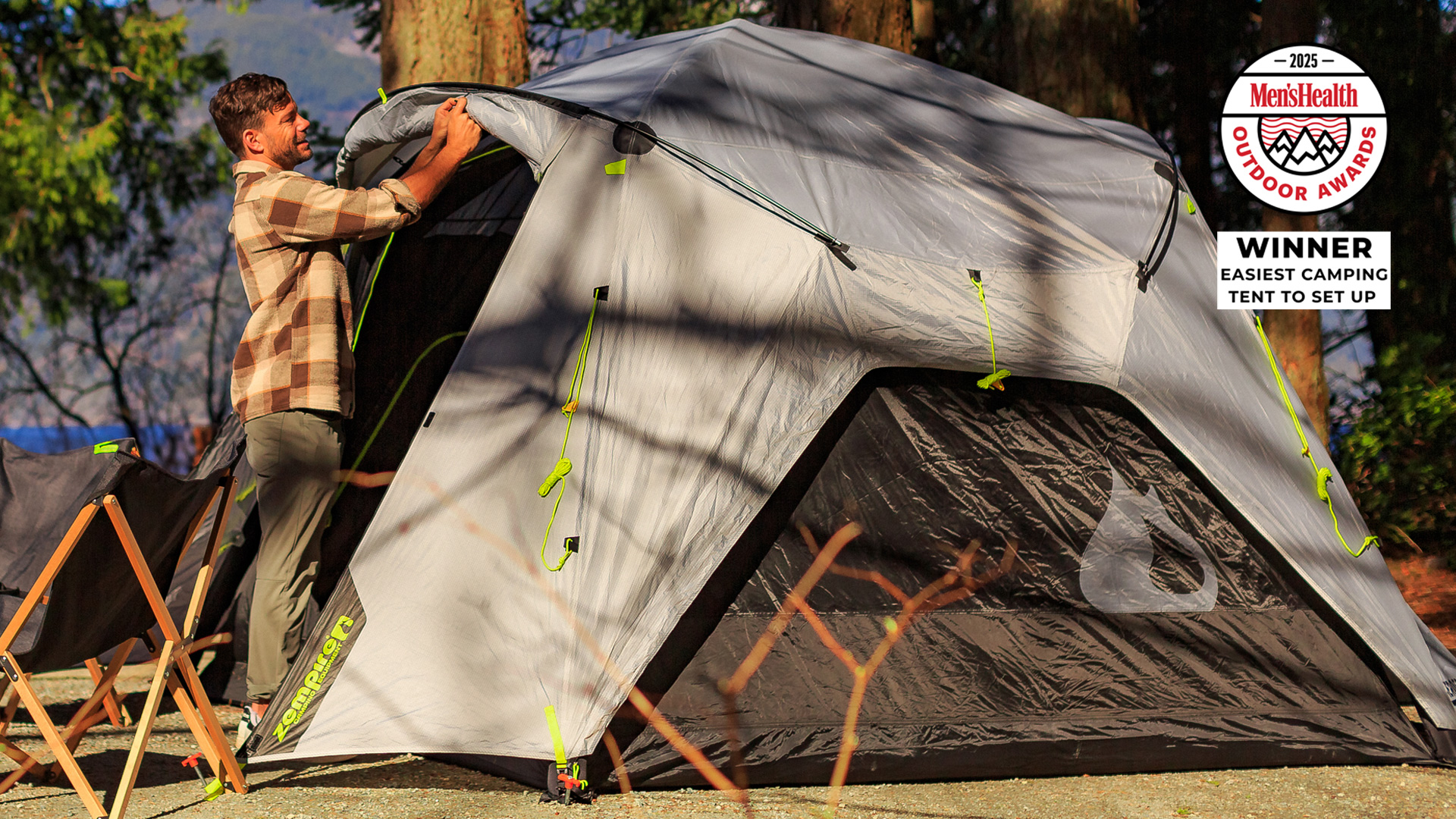
The position of your tent affects airflow. Set up your tent in a breezy spot. Avoid setting up in low areas where moisture collects.
Credit: zempire.ca
Site Selection Tips
Choosing the right spot for your tent helps reduce condensation inside. Good site selection improves airflow and keeps moisture away.
Follow these tips to find a dry and comfortable place to camp.
Avoiding Low-lying Areas
Low spots collect cold air and moisture. These areas increase tent condensation and make it damp inside.
- Pick a site on higher ground to avoid cold air settling.
- Look for gentle slopes that drain water away from your tent.
- Stay clear of valleys and depressions where moisture builds up.
Using Natural Wind Flow
Good airflow helps dry moisture and lowers condensation inside the tent. Find places where wind flows naturally.
- Set up your tent where wind moves freely, like open fields or hilltops.
- Avoid spots blocked by thick bushes or large rocks.
- Face the tent’s vents toward the wind for better ventilation.
Ground Surface Considerations
The type of ground under your tent affects moisture and comfort. Some surfaces hold water while others drain it well.
| Ground Type | Effect on Condensation | Tip |
| Grass | Can hold moisture, may increase condensation | Use a footprint or tarp under the tent |
| Gravel or Sand | Drains water well, reduces dampness | Good choice for dry tent floors |
| Rocky | Drains well but can be uncomfortable | Bring thick sleeping pads for comfort |
| Soil | Varies; wet soil holds moisture | Check soil moisture before pitching |
Managing Moisture Inside The Tent
Condensation inside a tent can make camping uncomfortable. Moisture builds up from wet gear, breathing, and cooking. Managing this moisture helps keep the tent dry and cozy.
Using simple habits and materials, campers can reduce dampness. Proper ventilation and smart packing also play a big role in moisture control.
Limiting Wet Gear Inside
Wet clothing and shoes bring water into the tent. This moisture increases condensation on tent walls. Keep wet gear outside or in a separate vestibule if possible.
- Store wet clothes in waterproof bags
- Use a gear tarp or vestibule for boots
- Hang damp items outside to dry
- Avoid sleeping in wet clothes
Using Absorbent Materials
Absorbent materials help soak up moisture inside the tent. They reduce dampness and make the space feel warmer. Use towels, microfiber cloths, or camping mats for this purpose.
| Material | Use |
| Microfiber Cloth | Wipe down tent walls and gear |
| Cotton Towel | Absorb water from wet boots and clothes |
| Camping Mat | Keep feet dry and absorb ground moisture |
| Silica Gel Packs | Place inside bags to reduce humidity |
Cooking And Moisture Control
Cooking inside a tent creates steam. This steam adds to the moisture and causes condensation. Cook outside the tent or use vents to let steam escape.
- Cook in a separate area if possible
- Keep tent vents open during and after cooking
- Use a camp stove with a windshield outside
- Store food and water away from sleeping areas
Additional Gear And Accessories
Condensation inside a tent can make camping uncomfortable. Using the right gear helps reduce moisture. Some accessories protect your tent and improve air flow.
This section covers useful items that help keep your tent dry and cozy. They work together to lower dampness and keep you warm.
Tent Footprints And Ground Tarps
Tent footprints and ground tarps create a barrier between your tent and the wet ground. They stop moisture from seeping up through the floor. This reduces condensation inside.
These items also protect your tent floor from damage. They help keep the bottom dry and clean, which helps the tent breathe better.
- Choose a footprint or tarp slightly smaller than your tent floor
- Use waterproof material to block ground moisture
- Ensure good air flow between tarp and tent floor
- Keep tarps clean and dry before use
Portable Dehumidifiers
Portable dehumidifiers remove moisture from the air inside your tent. They lower humidity, which helps reduce condensation on walls and ceiling.
Small, battery-powered dehumidifiers are easy to carry. They work well in enclosed tents and add comfort during damp weather.
- Use rechargeable or battery-operated models
- Place near tent corners for best air circulation
- Empty water tanks regularly to keep working
- Combine with ventilation for best results
Moisture-resistant Sleeping Bags
Sleeping bags made with moisture-resistant materials help keep you dry and warm. They reduce the buildup of sweat and dampness inside your tent.
These bags prevent moisture from spreading into your tent fabric. This helps lower the overall humidity and stops condensation from forming.
- Choose sleeping bags with water-repellent outer layers
- Look for insulation that resists moisture buildup
- Keep sleeping bags dry before packing
- Use liners to add extra moisture protection
Maintenance And Care
Condensation inside a tent can cause discomfort and damage. Proper maintenance and care help reduce moisture buildup. Taking good care of your tent keeps it dry and lasts longer.
Follow simple routines to keep your tent clean and dry. Fix problems quickly to avoid mold and damage. These steps help reduce condensation and improve your camping experience.
Drying Your Tent Properly
Always dry your tent fully before storing it. Damp tents trap moisture and cause condensation. Set up your tent in a shaded, ventilated area to dry faster.
Open all doors and windows to increase airflow. Avoid packing your tent wet to stop mold growth. Use a clean towel to wipe wet spots for faster drying.
Cleaning To Prevent Mold
Keep your tent clean to stop mold and mildew. Dirt and sweat hold moisture and cause damage. Use mild soap and water for gentle cleaning.
Rinse well and let your tent dry in the sun. Avoid harsh chemicals that can harm the fabric. Clean your tent after every trip to prevent mold buildup.
- Use soft sponge or cloth for cleaning
- Focus on corners and seams where mold grows
- Do not machine wash your tent
- Store clean tents in a dry place
Repairing Damage Promptly
Fix tears and holes as soon as you find them. Small damage lets moisture inside and increases condensation. Use repair kits made for tents to patch holes.
Check zippers and seams regularly. Replace broken parts quickly to keep your tent weatherproof. Proper repairs keep your tent dry and comfortable.
- Patch holes with waterproof tape or patches
- Use seam sealer on any weak or cracked seams
- Lubricate zippers to prevent jams
- Replace broken poles or stakes immediately

Credit: www.reddit.com
Frequently Asked Questions
How Can I Prevent Tent Condensation Naturally?
To prevent condensation naturally, increase ventilation by opening vents and doors. Avoid cooking or drying wet clothes inside. Use a breathable tent fabric that allows moisture to escape. Pitch your tent in a breezy spot to enhance airflow and reduce moisture buildup effectively.
Why Does Condensation Form Inside Tents?
Condensation forms when warm, moist air inside the tent meets the cooler tent fabric. The moisture then turns into water droplets. Human breath, sweat, and wet gear increase humidity. Proper ventilation and moisture control help minimize this common camping issue.
What Tent Materials Reduce Condensation Best?
Tent fabrics like polyester and nylon with waterproof coatings reduce condensation. Breathable fabrics with mesh panels improve airflow and moisture escape. Double-wall tents, with separate rainfly and inner layers, help manage condensation better than single-wall tents.
Does Tent Size Affect Condensation Levels?
Yes, larger tents often have more air volume, reducing humidity concentration. However, more occupants increase moisture inside. Choosing an appropriately sized tent and ensuring good ventilation balance helps control condensation effectively.
Conclusion
Reducing condensation in your tent keeps camping more comfortable. Use good ventilation to let moisture escape. Avoid cooking or drying clothes inside the tent. Keep your tent clean and dry before use. Choose a campsite with good airflow and avoid low spots.
Simple steps make a big difference on wet nights. Stay dry and enjoy your outdoor adventures more. Small habits help prevent soggy gear and cold mornings. Try these tips to keep your tent fresh and cozy.