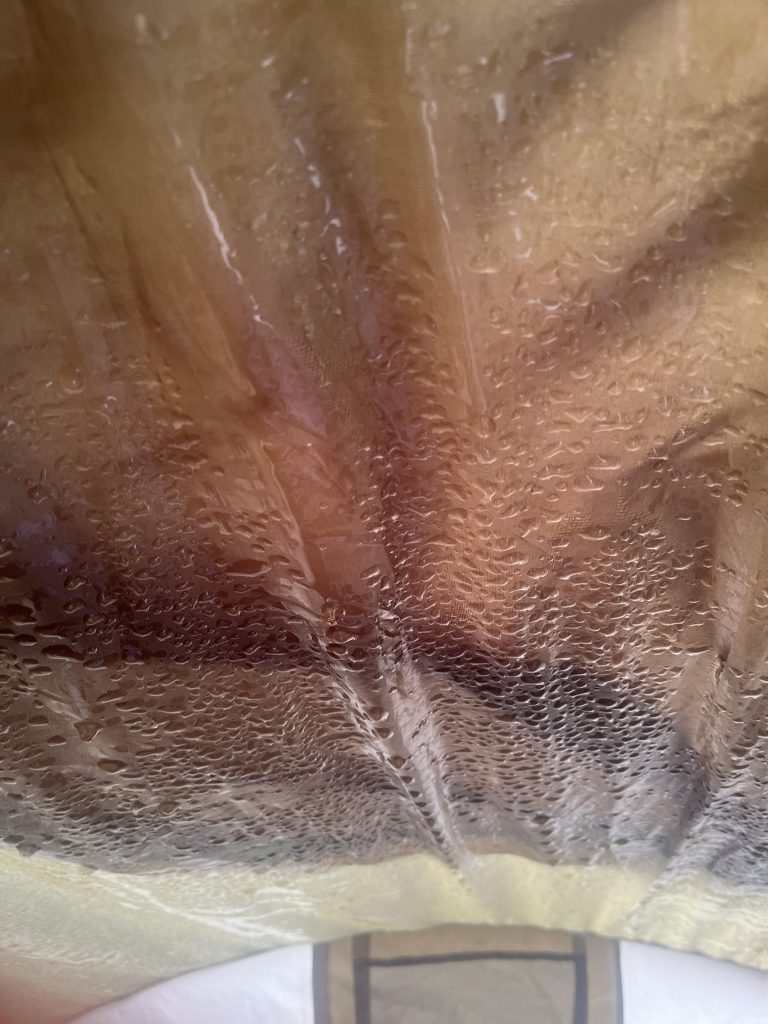
Nothing ruins a camping trip faster than waking up to a tent covered in dampness. If you’ve ever struggled with soggy sleeping bags or wet gear, you know how frustrating condensation can be.
But what if you could keep your tent dry and comfortable all night long? You’ll discover simple, practical ways to reduce condensation in your tent. These easy tips will help you stay cozy, protect your belongings, and enjoy your outdoor adventure without the hassle of moisture.
Keep reading to learn how to make your tent a dry haven no matter where you camp.
Causes Of Tent Condensation
Condensation inside a tent happens when moisture turns into water droplets. It can make your tent wet and uncomfortable.
Understanding why condensation forms helps you reduce it. Knowing the causes lets you keep your tent drier.
Moisture Sources Inside The Tent
People inside the tent produce moisture by breathing and sweating. Wet clothes and gear also add moisture to the air.
- Breathing releases water vapor
- Sweat adds moisture to the air
- Wet clothes or boots increase humidity
- Cooking inside the tent adds steam
Temperature Differences
Warm air inside the tent holds more moisture than cold air outside. When warm air touches cold tent walls, water forms.
This happens because warm air cools down on contact with cold surfaces. The moisture then turns into water droplets.
Poor Ventilation
Tents without enough airflow trap moist air inside. Without fresh air, moisture builds up and causes condensation.
- Closed vents stop air from moving
- No airflow means more moisture stays inside
- Proper ventilation helps dry the air

Credit: gofsr.com
Choosing The Right Tent
Condensation inside a tent can make camping uncomfortable. Choosing the right tent helps reduce this moisture buildup. A good tent lets air flow while keeping rain out.
Focus on tents that have features to improve ventilation and materials that manage moisture well. These tents keep the inside dry and fresh.
Ventilation Features
Tents with good ventilation allow air to move freely. This air exchange reduces moisture and stops condensation from forming inside.
Look for tents with mesh panels, vents, and windows that open easily. These parts help warm, moist air escape.
- Mesh roof panels for airflow
- Adjustable vents near the top and bottom
- Doors with mesh screens
- Windows with covers to control air
Material And Design Considerations
The tent’s fabric and shape affect how it handles moisture. Lightweight, breathable fabrics help reduce condensation.
Tents with a double-wall design separate the inner sleeping area from the rainfly. This space helps moisture escape and keeps you dry.
- Breathable nylon or polyester fabrics
- Double-wall tents with rainfly
- Tents with a steep roof to shed rain
- Sealed seams to stop leaks but allow breathability
Setting Up For Less Moisture
Condensation inside a tent can make your camping experience uncomfortable. Setting up your tent properly helps reduce moisture build-up. This guide focuses on choosing the right location and pitching techniques.
By following simple steps, you can keep your tent dry and enjoy a cozy night outdoors.
Ideal Tent Location
Pick a spot that avoids damp areas like low ground or near water. Moisture collects where air does not flow well. Look for a place with good natural drainage and some wind movement.
- Set up your tent on a flat, elevated surface
- Avoid valleys and depressions where cold air settles
- Keep away from rivers, ponds, or wet grass
- Choose a site with natural wind flow to dry moisture
- Clear rocks and sticks to prevent damage and water pooling
Pitching Techniques To Improve Airflow
Proper tent pitching helps air move inside and lowers condensation. Keep vents open and avoid sealing the tent too tightly. Make sure the rainfly does not touch the tent walls.
| Technique | Description |
|---|---|
| Use Tent Vents | Open vents to allow humid air to escape |
| Raise Rainfly | Keep rainfly slightly raised to increase airflow |
| Secure Guylines | Tighten guylines to create space between rainfly and tent |
| Set Doors Opposite | Open doors on opposite sides for cross ventilation |
| Avoid Overcrowding | Limit the number of people to reduce moisture inside |

Credit: hot-tent.com
Ventilation Strategies
Condensation inside a tent can make camping uncomfortable and wet. Good ventilation helps reduce moisture build-up. This section explains simple ways to improve airflow in your tent.
Using vents and windows properly lets fresh air enter and moist air escape. Creating cross-breezes moves air through your tent. These methods keep the inside dry and fresh.
Using Tent Vents And Windows
Most tents have vents and windows designed to improve air flow. Keep vents open during camping to allow moist air to leave. Open windows help fresh air come in.
- Open vents near the tent floor to let fresh air enter.
- Keep roof vents open to let warm moist air escape.
- Unzip windows partially to increase air flow without losing warmth.
- Use mesh panels to keep bugs out while letting air pass.
Creating Cross-breezes
Cross-breezes help move air through the tent quickly. They reduce condensation by replacing moist air with dry air. You can create cross-breezes by opening vents or windows on opposite sides.
| Action | Purpose |
| Open front door mesh and rear window | Allow air to flow from front to back |
| Open vents on opposite sides | Create air movement inside tent |
| Position tent to catch prevailing wind | Increase natural airflow |
| Use rainfly vents | Let moist air escape while keeping rain out |
Managing Moisture Inside The Tent
Condensation can make your tent wet and uncomfortable. Managing moisture helps keep the inside dry. This improves your camping experience.
Moisture comes from wet gear, breathing, and outside humidity. Controlling these sources reduces condensation effectively.
Minimizing Wet Gear And Clothing
Wet gear and clothes bring extra moisture into the tent. Keep wet items outside or in a separate dry bag.
If you must bring wet gear inside, place it near the tent entrance. This limits moisture spread inside the tent.
- Hang wet clothes on a line outside the tent
- Use waterproof bags to store wet items
- Keep wet shoes outside or in a separate bag
Using Moisture Absorbers
Moisture absorbers help reduce dampness inside the tent. They pull water from the air and keep the space dry.
Common moisture absorbers include silica gel packs and small desiccant bags. Place them near sleeping areas or gear storage.
- Use silica gel packs in your tent pockets
- Replace or dry absorbers regularly
- Combine absorbers with good ventilation for best results
External Measures To Reduce Condensation
Condensation inside a tent can make your gear wet and uncomfortable. Reducing condensation helps keep you dry and warm. External measures are easy ways to stop water from building up.
These measures focus on what you do outside the tent. They help control moisture and improve air flow around your shelter.
Ground Insulation
Cold ground cools the tent floor and causes moisture to form inside. Adding ground insulation stops this heat loss. It keeps the tent warmer and reduces wetness.
Use a thick sleeping pad or foam mat under your sleeping bag. A groundsheet or footprint under the tent also helps block dampness from below.
- Place a waterproof footprint under the tent
- Use foam pads or insulated sleeping mats
- Avoid setting up on wet or frozen ground
Weather Protection Tips
Strong winds and rain increase condensation inside the tent. Protecting your tent from weather lowers moisture buildup. Choose a sheltered spot away from heavy wind.
Use a rainfly or tarp to shield the tent from rain. Set up the tent with vents open to let air flow. This stops warm air from turning into water drops inside.
- Pick a spot with natural windbreaks, like trees or rocks
- Pitch the tent tight to prevent rain from entering
- Open vents or doors slightly for fresh air
- Use a rainfly or tarp over the tent
Practical Dry Camping Tips
Condensation in a tent can make your camping trip less comfortable. It happens when moisture builds up inside the tent. Using dry camping tips helps reduce this moisture.
Keeping your tent dry needs simple habits. These tips help you enjoy a warmer and drier tent at night.
Cooking Outside The Tent
Cooking inside your tent creates extra moisture. Steam from cooking adds to condensation. Always cook outside to keep your tent dry.
Set up a small cooking area away from your tent entrance. Use a camp stove or fire pit in a safe spot. This keeps moisture and smells outside.
- Choose a flat, dry spot for cooking
- Keep cooking gear outside the tent
- Use a windscreen to control fire and smoke
- Clean spills promptly to avoid attracting bugs
Washing And Drying Practices
Wet clothes and gear add moisture inside your tent. Avoid drying wet items inside the tent. Instead, hang them outside in the sun or breeze.
Wash clothes and dishes away from the tent. Use a small basin and pour wastewater far from your camping area. This keeps the tent area dry and clean.
- Dry clothes on a line or tree branch outside
- Use a microfiber towel to dry off gear quickly
- Store wet items in a waterproof bag outside the tent
- Wash dishes at least 20 feet from your tent

Credit: gofsr.com
Maintenance And Care
Condensation inside a tent can make camping uncomfortable. Proper maintenance helps reduce moisture buildup. Taking care of your tent keeps it dry and lasts longer.
Cleaning and storing your tent the right way stops mold and damp smells. These simple steps improve your camping experience.
Regular Tent Cleaning
Clean your tent after every trip. Dirt and sweat cause dampness and mold. Use mild soap and water for cleaning. Avoid harsh chemicals that can damage the fabric.
Make sure the tent is fully dry before packing it away. Wipe off any wet spots and let it air dry in shade. This stops moisture from staying inside the tent.
- Remove dirt with a soft brush or cloth
- Use mild soap and warm water
- Rinse thoroughly to remove soap
- Dry tent completely before storage
- Check for damage and repair tears
Proper Storage To Prevent Mold
Store your tent in a cool, dry place. Avoid tight bags that trap moisture. Use a large, breathable storage sack or hang it loosely. This helps air circulate and keeps the tent dry.
Check your tent regularly for any signs of mold. Clean and dry it again if you find any. Proper storage stops mold growth and keeps your tent fresh for the next trip.
- Store tent in a dry, shaded area
- Use a large storage sack or hang the tent
- Do not store tent while wet or damp
- Inspect tent for mold before storage
- Clean and dry again if mold appears
Frequently Asked Questions
How Can I Prevent Tent Condensation Naturally?
To prevent condensation naturally, increase ventilation by opening vents and doors. Avoid cooking or drying wet clothes inside. Pitch your tent in a breezy spot, and keep the rainfly slightly raised to allow air circulation.
Why Does Condensation Form Inside Tents?
Condensation forms when warm, moist air meets the cold tent surface. Body heat and breathing add moisture inside. Without proper ventilation, this moisture collects as water droplets, causing dampness inside the tent.
What Tent Materials Reduce Condensation Best?
Tents with breathable fabrics like polyester or nylon with mesh panels reduce condensation. These materials allow moisture to escape while protecting you from rain. Avoid fully waterproof tents without ventilation, as they trap moisture inside.
Does Tent Size Affect Condensation Levels?
Yes, smaller tents trap more moisture due to limited air space. Larger tents have better air circulation, reducing condensation. Choose a tent size that offers enough room to allow airflow and minimize dampness.
Conclusion
Reducing condensation in a tent enhances camping comfort. Choose a well-ventilated site. Use a rainfly for better air flow. Avoid cooking inside the tent. Keep wet gear outside. Ensure good ventilation by opening vents. Stay dry with moisture-wicking clothing. These steps keep your tent dry and cozy.
A dry tent ensures a better night’s sleep. Happy camping!