
Are you struggling with high humidity in your grow tent? Too much moisture can harm your plants, causing mold, mildew, and slow growth.
But don’t worry—you can take simple steps to control the humidity and create the perfect environment for your plants to thrive. You’ll discover easy and effective ways to reduce humidity in your grow tent. Keep reading, and you’ll learn how to protect your plants and boost your harvest.
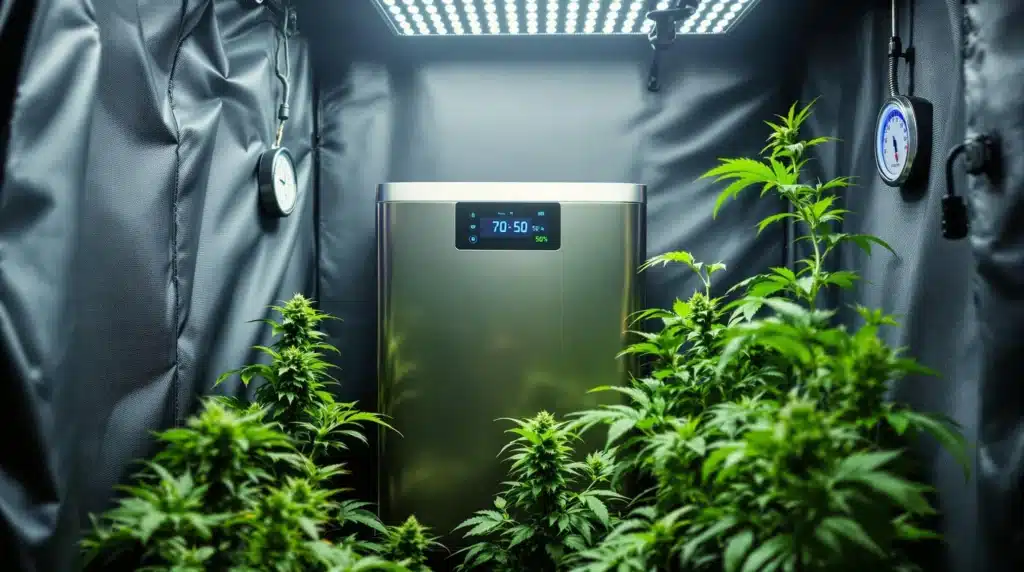
Credit: blimburnseeds.com
Causes Of High Humidity In Grow Tents
High humidity in grow tents can harm plant growth and health. It causes mold, pests, and slow plant development.
Understanding what causes high humidity helps you control it better. Several factors inside and outside the tent add moisture to the air.
Watering Practices
Overwatering plants adds too much moisture to the air. Water left standing on the soil or tray evaporates and raises humidity.
Watering in the wrong time or amount can worsen humidity problems. Avoid watering late in the day to reduce moisture buildup.
- Water plants only when soil is dry
- Use proper drainage to avoid water pooling
- Water early in the day for faster drying
Plant Transpiration
Plants release water vapor through leaves. This natural process is called transpiration and adds humidity inside the tent.
More plants or larger leaves increase the amount of water vapor. Young plants release less moisture than mature plants.
- Dense plant growth raises humidity levels
- Leaf size affects the rate of transpiration
- Warmer temperatures increase transpiration speed
Ventilation Issues
Poor airflow traps moist air inside the tent. Without fresh air exchange, humidity builds up quickly.
Blocked vents or weak fans reduce air movement. Good ventilation removes excess moisture and keeps air dry.
- Check that intake and exhaust vents are open
- Use fans to improve air circulation
- Replace filters if they block airflow
Environmental Factors
External humidity affects the grow tent’s inside air. High outdoor moisture makes it hard to keep inside dry.
Temperature changes can cause condensation inside the tent. Cold surfaces attract water droplets, raising humidity.
- High outdoor humidity raises inside moisture
- Temperature swings cause water to condense
- Seal gaps to stop humid air from entering
Effects Of Excess Humidity On Plants
Too much humidity in a grow tent can harm your plants. It leads to several issues that affect their health and productivity.
Controlling humidity helps maintain a healthy environment for your plants. Let’s explore the problems caused by excess humidity.
Mold And Mildew Growth
High humidity creates the perfect environment for mold and mildew. These fungi spread quickly, damaging plant leaves and stems.
Mold and mildew block light and air, weakening plants. This makes it hard for plants to grow strong and healthy.
- Leaves turn yellow or brown
- Plants become weak and stunted
- Growth slows down significantly
Pest Infestation
Excess humidity attracts pests like spider mites and aphids. These pests thrive in moist environments, feeding on plant sap.
Pests cause leaves to wilt and fall off. They also spread diseases that can kill plants if left untreated.
- Leaves have holes or spots
- Plants show signs of stress
- Pest populations increase rapidly
Nutrient Deficiencies
High humidity affects how plants take in nutrients. Moisture in the air can dilute essential nutrients, leading to deficiencies.
Deficient plants have weak roots and poor growth. They struggle to produce flowers and fruits.
- Leaves become discolored
- Stems are weak and thin
- Growth is uneven or stunted
Reduced Yield And Quality
Excess humidity lowers the yield and quality of your plants. It affects how much fruit or flowers they produce.
Plants may produce fewer, smaller, or lower-quality fruits. This results in a disappointing harvest.
- Fruits are small or malformed
- Flowers are less vibrant
- Overall harvest is reduced
Monitoring Humidity Levels
Keeping the right humidity in your grow tent helps plants grow well. You must check humidity often to avoid problems.
This guide shows how to watch humidity by choosing tools, knowing good ranges, and tracking data.
Choosing The Right Hygrometer
A hygrometer measures humidity in your grow tent. Pick one that is easy to read and gives correct numbers.
- Look for digital hygrometers with clear displays
- Check if the device is accurate and reliable
- Choose a model with memory to save past readings
- Consider size and placement inside your tent
Ideal Humidity Ranges For Growth Stages
Different plant growth stages need different humidity levels. Keep the right range for each stage.
| Growth Stage | Humidity Range (%) |
| Seedling | 65 – 70 |
| Vegetative | 40 – 70 |
| Flowering | 40 – 50 |
| Harvest | 30 – 40 |
Regular Data Tracking
Track humidity data daily to spot changes early. This helps keep the tent environment stable.
- Record humidity readings at the same time each day
- Note any changes in plant health or growth
- Adjust ventilation or humidifiers based on data
- Use a chart or app to keep all information in one place

Credit: spiderfarmer.com.au
Ventilation Solutions
Humidity control is vital in a grow tent to keep plants healthy. Good ventilation helps reduce excess moisture in the air.
Proper airflow prevents mold and mildew. It also ensures fresh air reaches your plants.
Installing Exhaust Fans
Exhaust fans pull humid air out of the grow tent. They help lower the overall humidity level inside.
Place the exhaust fan near the top of the tent. Warm, moist air rises, so this is the best spot to remove it.
- Choose a fan size that fits your tent volume
- Use a fan with adjustable speed for better control
- Ensure the fan vents air outside the grow area
Using Intake Vents
Intake vents bring fresh air into the grow tent. They balance the air pushed out by exhaust fans.
Use passive vents or active intake fans to allow cool, dry air inside. This reduces humidity and refreshes the environment.
- Keep intake vents low to let cooler air enter
- Do not block intake vents with equipment or plants
- Adjust intake size to match exhaust airflow
Air Circulation With Oscillating Fans
Oscillating fans move air inside the grow tent. This stops hot, moist spots from forming around plants.
Good air circulation helps dry leaves and soil surfaces. It also improves plant growth by strengthening stems.
- Place oscillating fans at plant level for even airflow
- Use fans with adjustable speeds for gentle air movement
- Do not point fans directly at plants to avoid stress
Dehumidification Techniques
Controlling humidity is important in a grow tent to keep plants healthy. High humidity can cause mold and slow growth.
Using the right dehumidification techniques helps keep the air dry and plants safe. Here are some useful options.
Portable Dehumidifiers
Portable dehumidifiers remove moisture from the air automatically. They work well in small spaces like grow tents.
These devices collect water in a tank or drain it outside. They keep humidity levels steady without much effort.
- Choose a size that fits your tent volume
- Empty the water tank regularly
- Place the dehumidifier where air flows well
Desiccant Packs And Absorbers
Desiccant packs absorb moisture using materials like silica gel. They are simple and need no power.
These packs are good for small tents or as a backup to other systems. Replace them when they are full of moisture.
- Place packs near air vents or humid spots
- Check packs often for saturation
- Use multiple packs in larger tents
Diy Dehumidifier Options
You can make simple dehumidifiers at home. One way is to use rock salt, which absorbs moisture from the air.
Put rock salt in a container with holes and place it inside the grow tent. Change the salt when it becomes wet.
- Use a plastic container with holes on the lid
- Add rock salt or calcium chloride inside
- Place a tray underneath to catch water
- Replace the salt regularly for best results

Credit: www.reddit.com
Watering Tips To Control Humidity
Controlling humidity in a grow tent is important for healthy plants. Watering habits greatly affect the humidity level inside the tent. Use proper watering techniques to keep moisture balanced.
This guide covers tips on timing, watering methods, and avoiding overwatering to help reduce humidity in your grow tent.
Timing And Frequency
Water your plants early in the day to allow moisture to evaporate. Avoid watering late in the evening to reduce humidity build-up overnight. Adjust watering frequency based on plant needs and soil dryness.
- Check soil moisture before watering.
- Water only when the top inch of soil feels dry.
- Increase watering intervals in cooler weather.
- Reduce watering during high humidity periods.
Using Bottom Watering
Bottom watering helps reduce humidity by limiting surface moisture. Place pots in a tray with water and let roots absorb moisture from below. This method prevents excess water on leaves and soil surface.
| Benefit | Description |
|---|---|
| Reduced Evaporation | Water is absorbed by roots, not lost to air. |
| Lower Humidity | Less surface moisture means less humidity inside the tent. |
| Healthier Roots | Roots get water without over-saturation on soil surface. |
Avoiding Overwatering
Overwatering increases humidity and harms plants. Water only as much as plants need. Check drainage and avoid leaving standing water in trays or pots.
- Use pots with drainage holes.
- Empty excess water from trays after watering.
- Let soil dry out between waterings.
- Watch for yellowing leaves as a sign of overwatering.
Temperature Management
Managing temperature inside a grow tent is key to controlling humidity. Warm air holds more moisture, so adjusting temperature helps keep humidity balanced. Proper temperature control also supports healthy plant growth.
In this guide, we look at ways to maintain ideal temperatures and use heaters or coolers to reduce humidity effectively.
Maintaining Optimal Temperatures
Keep your grow tent temperature stable to avoid humidity spikes. Most plants grow well between 70°F and 85°F (21°C–29°C). Avoid letting temperature drop too low or rise too high.
- Use a reliable thermometer to monitor temperatures.
- Ventilate the tent to remove hot air.
- Adjust lights to prevent overheating.
- Close the tent during cold weather to keep warmth in.
Impact On Humidity Levels
Temperature changes affect humidity inside the tent. Warm air increases evaporation, raising humidity. Cooler air holds less moisture, lowering humidity levels.
| Temperature Range (°F) | Humidity Effect |
| Below 65°F (18°C) | Humidity may rise due to condensation |
| 65°F–75°F (18°C–24°C) | Humidity stays moderate and stable |
| Above 75°F (24°C) | Humidity tends to increase with evaporation |
Using Heaters And Coolers
Heaters and coolers help control temperature and lower humidity. Use them wisely to keep conditions ideal for your plants.
- Place heaters away from plants to avoid burning.
- Use fans with coolers to improve air circulation.
- Turn off heaters during the day if temperatures rise.
- Set thermostats to keep temperature steady.
Choosing Grow Tent Materials And Setup
Controlling humidity in a grow tent starts with choosing the right materials. Your setup affects airflow and moisture levels.
Good material choices help keep plants healthy and reduce mold risk. Focus on fabrics, size, and sealing.
Breathable Fabrics
Select fabrics that allow air to flow but block light. Breathable materials reduce moisture buildup inside the tent.
- Choose canvas or oxford cloth with a breathable weave
- Avoid plastic covers that trap humidity
- Use fabric with a reflective inner layer to keep light in
- Ensure fabric is tear-resistant for durability
Proper Tent Size
Pick a tent size that fits your plants and equipment well. Too small tents trap humidity and heat.
| Grow Tent Size | Benefits | Drawbacks |
| Small (2×2 feet) | Easy to manage, saves space | Less airflow, higher humidity |
| Medium (4×4 feet) | Better airflow, room for plants | Needs more ventilation |
| Large (8×8 feet or bigger) | Good air circulation, less humidity | More setup time and cost |
Sealing And Insulation
Seal all openings tightly to stop outside moisture from entering. Insulate walls to control temperature swings.
Follow these tips for sealing and insulation:
- Use weather stripping around zippers and seams
- Seal gaps with duct tape or silicone sealant
- Line tent poles with foam to block air leaks
- Insulate with reflective bubble wrap or foam panels
- Check seals regularly for wear and replace if needed
Frequently Asked Questions
How Can I Lower Humidity In My Grow Tent Naturally?
Use ventilation fans and open vents to improve airflow. Add moisture-absorbing materials like silica gel or activated charcoal. Avoid overwatering plants, and keep the tent clean to prevent mold growth.
What Is The Best Device To Reduce Humidity In Grow Tents?
A dehumidifier is the most effective device for reducing humidity. Choose one suitable for your tent size. It removes excess moisture from the air quickly and maintains optimal humidity levels.
How Often Should I Monitor Humidity In A Grow Tent?
Check humidity levels at least twice daily. Use a reliable hygrometer for accurate readings. Consistent monitoring helps adjust ventilation or watering to maintain ideal conditions.
Can Temperature Affect Humidity In Grow Tents?
Yes, temperature impacts humidity. Warmer air holds more moisture, raising humidity. Use heaters or air conditioners to regulate temperature and control humidity levels effectively.
Conclusion
Controlling humidity helps plants grow strong and healthy. Use fans and vents to keep air moving well. A good dehumidifier can remove extra moisture fast. Watch your plants daily to spot any problems early. Keep soil and water levels balanced to avoid dampness.
Small steps make a big difference in your grow tent. Stay consistent and patient for the best results. Your plants will thank you with better growth and yield.