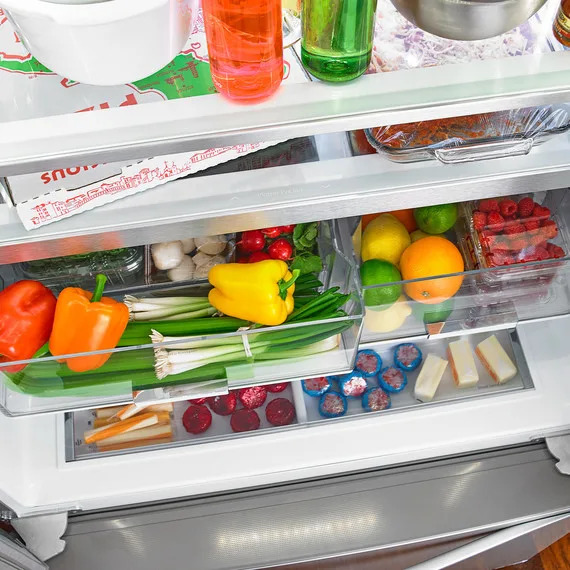
Does your refrigerator often feel like a rainforest, with moisture collecting on shelves and food packaging? Excess moisture isn’t just an inconvenience; it can lead to mold, spoilage, and unpleasant odors.
You’re not alone in facing this issue, and thankfully, there are simple steps you can take to tackle it. Imagine opening your fridge to find everything perfectly fresh, without a drop of unwanted moisture. Sounds like a dream, right? You’ll discover practical and easy-to-follow tips to keep your refrigerator dry and your food fresher for longer.
Ready to transform your fridge experience? Let’s dive in and explore how you can achieve a moisture-free environment in your refrigerator.
Credit: homewarranty.firstam.com
Causes Of Moisture Build-up
Moisture build-up in your refrigerator can be more than just a nuisance—it can spoil food and waste energy. Understanding the main causes helps you tackle the problem effectively. Let’s look at the common reasons moisture accumulates inside your fridge.
Temperature Fluctuations
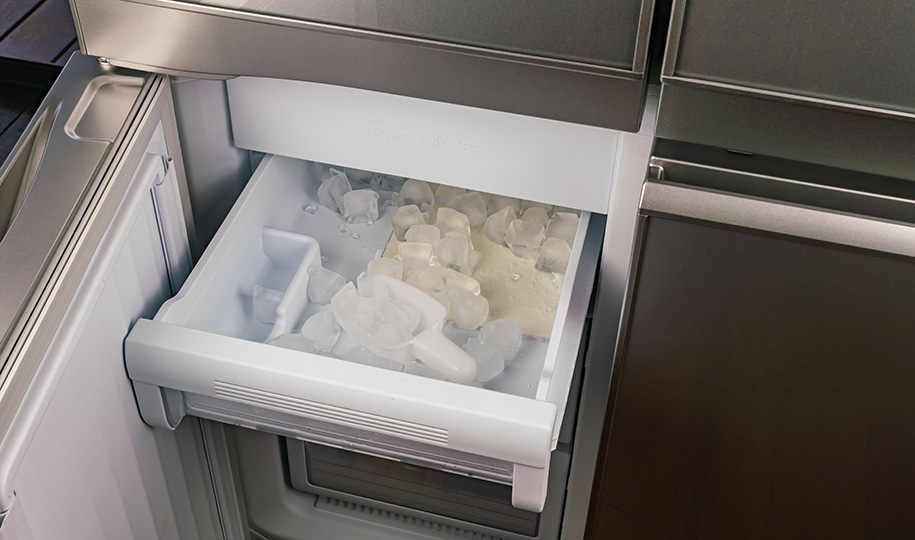
When the temperature inside your fridge changes frequently, it causes condensation. Warmer air holds more moisture, and as the temperature drops, this moisture turns into water droplets. Have you noticed your fridge working harder after you adjust the thermostat? That’s a sign of temperature swings leading to moisture build-up.
Frequent Door Opening
Every time you open the fridge door, warm and humid air rushes in. This air cools down inside, causing moisture to form on surfaces. Think about how often you grab a snack or check leftovers—each time, you invite moisture in.
Poor Door Seals
If the door seals are worn out or damaged, cold air escapes and warm air enters. This causes the fridge to work overtime and moisture to accumulate. Have you ever felt warm air leaking from the edges of your fridge door? That’s a sign the seals need attention.
Overloading The Fridge
Stuffing your fridge too full restricts air circulation. Poor airflow leads to uneven cooling and moisture pockets. When was the last time you cleaned out expired items? Clearing space can improve air movement and reduce dampness.
Credit: homewarranty.firstam.com
Simple Moisture Control Tips
Controlling moisture in your refrigerator can make a noticeable difference in food freshness and appliance efficiency. Simple changes in how you use and maintain your fridge can prevent excess moisture buildup. Let’s look at easy tips that you can start applying today to keep your refrigerator dry and your food lasting longer.
Keep The Door Closed
Every time you open the fridge door, warm air enters and increases moisture inside. Try to minimize how often and how long you keep the door open.
Think about organizing your fridge so you can find items quickly. Have you noticed how quickly moisture builds up when the door stays open for too long? Closing it promptly helps maintain a stable, dry environment.
Check And Replace Seals
Damaged or worn-out door seals let in warm air, causing condensation. Take a close look at the rubber seals around your fridge door regularly.
If you find cracks or gaps, replace the seals immediately. A tight seal keeps moisture out and cold air in, saving energy and reducing dampness inside.
Organize Food Properly
Storing hot or uncovered food increases moisture inside the fridge. Always let leftovers cool before placing them in the fridge and cover containers tightly.
Keep raw and cooked foods separate and avoid overcrowding shelves. Proper organization not only reduces moisture but also improves air circulation, helping your fridge work better.
Use Absorbent Materials
Placing absorbent materials like baking soda or silica gel packs inside the fridge can help soak up excess moisture. These are inexpensive and easy to replace regularly.
You might also try placing a clean sponge or a small cloth in a container to catch drips and condensation. Have you ever noticed how much moisture these simple items can trap?
Best Practices For Food Storage
Managing moisture inside your refrigerator starts with how you store your food. Moisture often builds up when food is exposed to air or stored improperly. You can prevent this by adopting simple yet effective food storage habits that keep your fridge dry and fresh.
Use Airtight Containers
Airtight containers are your best friends in reducing moisture. They keep air out, which stops condensation from forming on your food and inside the fridge. Think about leftovers or opened packages—storing them in sealed containers can cut down on humidity and prevent mold.
Try using containers made of glass or BPA-free plastic with tight-fitting lids. You might notice your fridge smells fresher and your food lasts longer. Have you ever opened your fridge to find soggy bread or wilted veggies? Airtight containers can help you avoid that disappointment.
Wrap Fruits And Vegetables
Fruits and vegetables release moisture naturally, which can raise humidity levels in your fridge. Wrapping them in paper towels or breathable produce bags helps absorb excess moisture. This simple step can stop your fresh produce from becoming slimy or moldy.
For leafy greens, a damp paper towel inside a plastic bag can keep them crisp without extra wetness. Do you check your veggies regularly for excess moisture? Paying attention to this small detail can save you money and reduce waste.
Separate Hot And Cold Items
Placing hot food directly into the fridge increases moisture levels as the heat turns into steam. This can cause condensation on shelves and walls. Let hot dishes cool to room temperature before refrigerating to avoid this problem.
Also, keep cold and warm items apart inside the fridge. This prevents temperature fluctuations that lead to moisture buildup. Next time you put leftovers away, ask yourself if they’re cool enough—this small pause can make a big difference in fridge humidity.

Credit: www.weekand.com
Temperature Settings For Freshness
Setting the right temperature in your refrigerator keeps food fresh and controls moisture. Too cold causes frost and ice buildup. Too warm makes food spoil faster and moisture collects. Balancing temperature reduces water droplets and keeps freshness longer. Understanding ideal temperature and adjusting for changes helps maintain the best fridge environment.
Ideal Fridge Temperature
The best fridge temperature is between 37°F and 40°F (3°C to 4°C). This range slows bacterial growth and stops moisture buildup. Keep the freezer at 0°F (-18°C) to keep frozen food safe. Use a fridge thermometer to check the exact temperature. Avoid setting it lower than 35°F (2°C) to prevent freezing fresh produce.
Adjusting For Seasonal Changes
Seasonal weather affects fridge temperature and moisture levels. In summer, higher room temperatures make the fridge work harder. Lower the fridge temperature slightly to keep food fresh. In winter, warm indoor air can cause condensation inside the fridge. Raise the temperature a bit to avoid excess moisture. Regularly check the temperature and adjust as needed for each season.
Regular Maintenance Tips
Keeping moisture under control in your refrigerator is easier when you stick to a regular maintenance routine. Small actions can prevent buildup that leads to frost, bad smells, and spoiled food. Let’s look at some practical steps you can take to keep your fridge dry and efficient.
Clean The Drip Pan
The drip pan collects water that melts off the coils, but it often gets overlooked. If it fills with stagnant water or dirt, moisture levels inside your fridge can rise. Make it a habit to pull out the drip pan every few months, empty it, and wipe it clean with warm, soapy water.
Have you ever noticed a weird smell coming from your fridge? Dirty drip pans are often the culprit. Keeping it clean not only controls moisture but also improves overall freshness.
Defrost When Needed
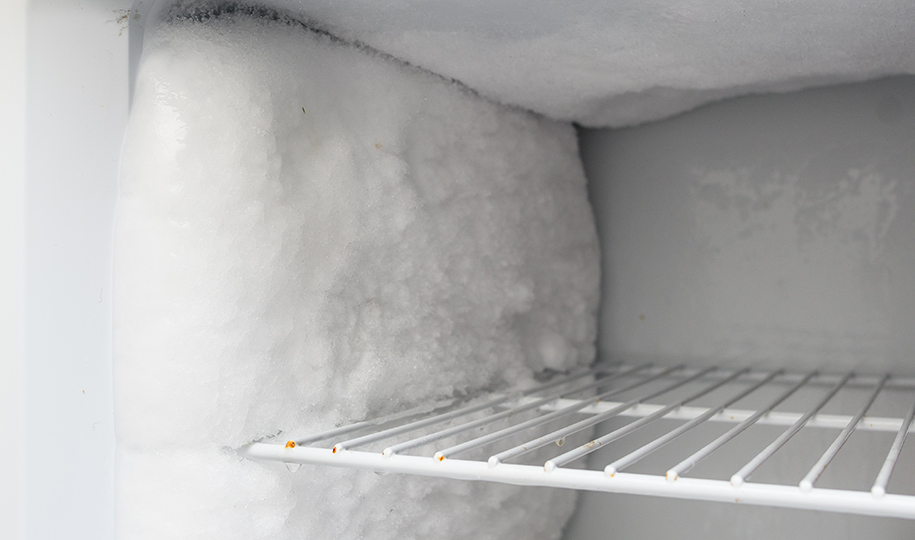
Frost buildup can trap moisture inside your fridge and cause it to work harder. If you see thick ice layers forming, it’s time to defrost. Turn off your fridge, remove all items, and let the ice melt naturally or use a bowl of hot water to speed it up.
Don’t let frost pile up—once you start, you’ll notice your fridge runs smoother and humidity drops quickly. How often do you check for frost buildup in your fridge?
Check The Drain Hole
Most refrigerators have a drain hole to carry excess water away from the interior. If this hole gets clogged with food debris or ice, water pools inside, increasing moisture. Use a pipe cleaner or a small brush to clear the drain hole regularly.
Clearing this simple pathway can stop water from collecting where it shouldn’t. When was the last time you inspected your fridge’s drain hole? You might be surprised by what you find!
Additional Moisture Absorbers
Excess moisture in your refrigerator can cause food to spoil faster and create an unpleasant environment. Using additional moisture absorbers is a practical way to keep humidity levels in check. These simple items can make a noticeable difference and help maintain freshness.
Use Baking Soda
Baking soda is a classic moisture absorber you probably already have at home. Place an open box or a small bowl filled with baking soda inside your fridge to help absorb excess moisture and odors. Changing it every one to two months keeps it effective and your fridge smelling fresh.
Silica Gel Packs
Those small silica gel packs that come with new shoes or bags aren’t just trash—they can work wonders in your fridge. Keep several packs in a breathable container or pouch and place them on a shelf to absorb moisture. Just remember to replace or recharge them regularly to keep their drying power strong.
Activated Charcoal
Activated charcoal is another powerful moisture and odor absorber. Put it in a mesh bag or container with holes and set it inside your fridge. Its porous nature traps moisture and unwanted smells, making it a natural and effective way to improve your fridge’s environment.
Frequently Asked Questions
How Can I Prevent Moisture Buildup In My Refrigerator?
To prevent moisture buildup, keep the fridge door closed tightly. Avoid placing hot or uncovered food inside. Regularly clean the fridge and check the door seals for leaks.
What Causes Excess Moisture Inside A Refrigerator?
Excess moisture is caused by warm air entering when the door opens frequently. Poor door seals and storing uncovered liquids also contribute to moisture buildup.
How Often Should I Clean My Refrigerator To Reduce Moisture?
Clean your refrigerator every 3 to 4 months. Wipe down shelves and door seals with a mild detergent. Regular cleaning helps remove moisture and prevents mold growth.
Does Using Moisture Absorbers Help In Refrigerators?
Yes, moisture absorbers like silica gel or baking soda reduce humidity. Place them inside to absorb excess moisture, keeping the fridge dry and odor-free.
Conclusion
Reducing moisture in your refrigerator keeps food fresh longer. Clean the fridge regularly and avoid overfilling it. Use airtight containers to stop moisture from building up. Check door seals often to keep cold air inside. Keep temperature settings steady and avoid leaving the door open.
These simple steps help prevent mold and bad smells. A dry fridge means healthier food and less waste. Try these tips today for a fresher fridge every day.