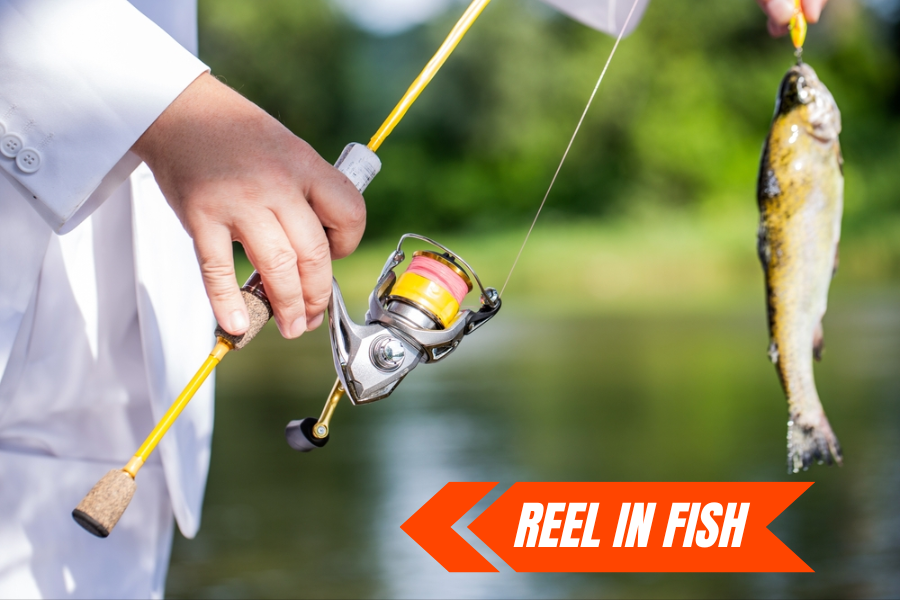
If you’ve ever struggled with tangled fishing line or felt unsure about reeling in your catch, you’re not alone. Knowing how to properly reel a fishing line can make all the difference between a frustrating experience and a successful, relaxing day by the water.
You’ll discover simple, clear steps to master reeling your fishing line like a pro. Whether you’re a beginner or just need a quick refresher, you’ll gain the confidence to handle your fishing gear smoothly and enjoy every moment. Keep reading, and soon you’ll be reeling in your line with ease and skill.
Choosing The Right Reel
Choosing the right fishing reel helps you catch fish easier. The reel holds the fishing line and controls how you cast and retrieve.
Different reels suit different fishing styles. Knowing types of reels and matching them to your rod and line is important.
Types Of Fishing Reels
There are three main types of fishing reels. Each type works best in certain situations and fishing styles.
- Spinning Reels:Easy to use and good for beginners. They work well with light lines and lures.
- Baitcasting Reels:Offer more control and power. Used for heavier lines and bigger fish.
- Spincast Reels:Simple design with closed face. Great for kids and casual fishing.
Matching Reel To Rod And Line
Matching your reel with the right rod and line improves fishing success. They must work together to perform well.
| Reel Type | Rod Type | Line Type |
| Spinning | Light or Medium Action | Monofilament or Fluorocarbon |
| Baitcasting | Medium or Heavy Action | Braided or Heavy Monofilament |
| Spincast | Light Action | Light Monofilament |

Credit: www.youtube.com
Setting Up Your Reel
Setting up your fishing reel correctly helps you fish with ease. It ensures the line flows smoothly and prevents tangles. This guide covers the basics of spooling the line and adjusting drag settings.
Follow these steps to prepare your reel for a successful fishing trip. Each part plays an important role in how your reel performs on the water.
Spooling The Line Correctly
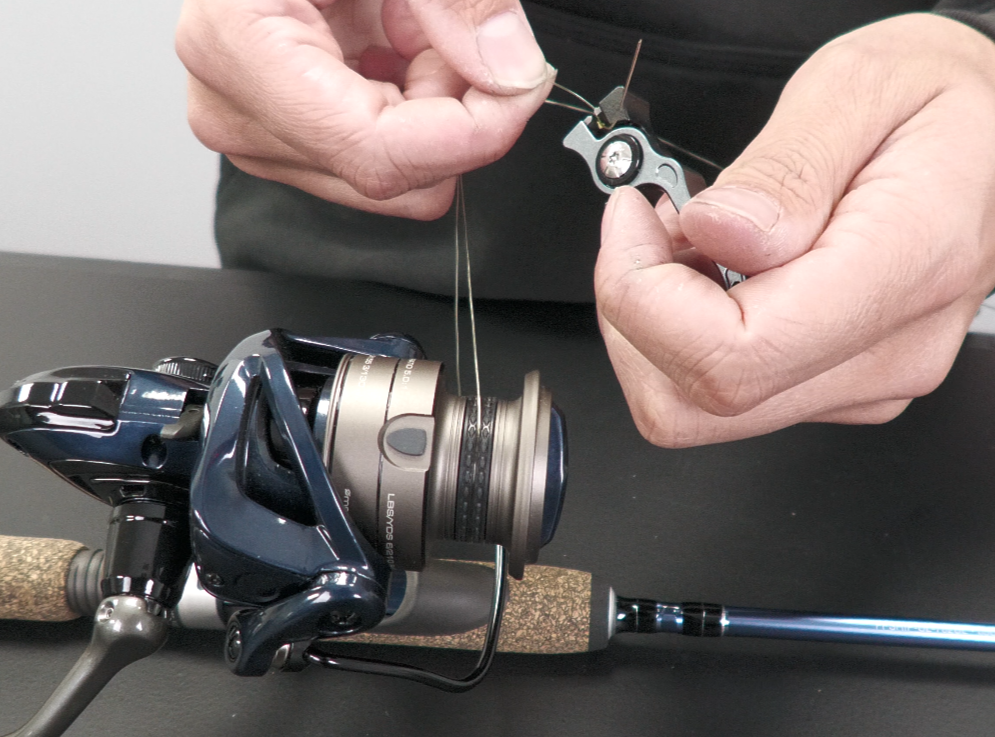
Spooling your reel means putting the fishing line onto the spool properly. A well-spooled reel helps avoid line twists and tangles. Use the right type of line for your reel.
- Attach the line to the spool with a secure knot.
- Keep tension on the line while winding it onto the spool.
- Wind the line evenly across the spool’s width.
- Fill the spool to about 1/8 inch below the rim.
- Check for twists and remove any slack line.
Adjusting Drag Settings
The drag system controls how much resistance a fish feels when pulling the line. Setting drag correctly helps prevent the line from breaking. Adjust drag based on the fish size and line strength.
| Drag Setting | Purpose |
| Light | For small fish or light lines |
| Medium | For average fish and general use |
| Heavy | For large fish or heavy lines |
Basic Casting Techniques
Casting is an essential skill for fishing. It helps you place the bait where the fish are.
Good casting needs practice and the right technique. Learning the basics will improve your fishing.
Grip And Stance Tips
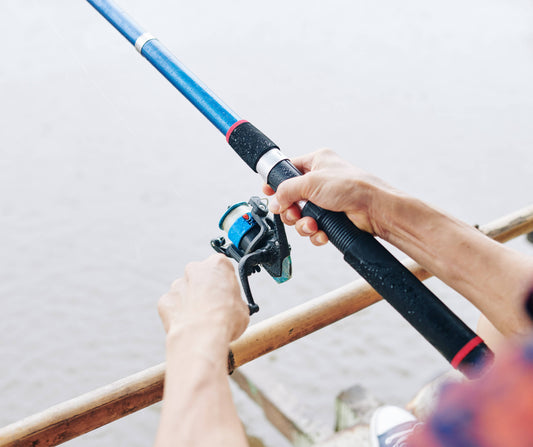
Hold the rod firmly but not too tight. A relaxed grip lets you control the rod better.
Stand with your feet shoulder-width apart. Keep your body balanced for smooth casting.
- Place your dominant hand on the rod handle
- Use your other hand to support the rod lightly
- Face your target with your shoulders aligned
- Bend your knees slightly for stability
Smooth Casting Motion
Start the cast by moving the rod backward smoothly. Then bring it forward in a straight line.
Release the line at the right moment. This helps the bait fly far and land softly.
- Keep your wrist firm during the cast
- Use your forearm to guide the rod
- Follow through with the rod after the release
- Practice slow and steady movements
Credit: windrider.com
Advanced Casting Methods
Advanced casting methods improve fishing accuracy and distance. They help anglers reach tricky spots.
Learning these methods takes practice but can increase your catch rate. Two popular techniques are flip casting and pitch casting.
Flip Casting
Flip casting is used to place the bait quietly near cover. It works well in heavy brush or close to docks.
- Hold the rod tip low and close to your body.
- Use your wrist to swing the lure softly into the target area.
- Release the line just before the lure reaches the water.
- Keep the line tight to feel any fish bites.
- Reel in slowly to keep the bait moving naturally.
Pitch Casting
Pitch casting helps you cast a lure farther than flip casting. It is good for reaching open water or deeper spots.
| Pitch Casting Steps | Description |
| 1. Grip rod firmly | Hold rod with a strong, steady grip. |
| 2. Open bail | Flip the bail to free the line. |
| 3. Swing lure | Bring the lure back behind you smoothly. |
| 4. Cast forward | Use your arm and wrist to cast forward with power. |
| 5. Close bail | Snap the bail shut to stop the line from unwinding. |
| 6. Reel in | Keep tension and reel steadily to control the lure. |
Common Mistakes To Avoid
Reeling in a fishing line may seem simple, but many anglers make avoidable errors. These mistakes can cause line damage, tangles, or lost fish.
Knowing what to avoid helps keep your line smooth and your fishing experience better. Below are common issues and ways to prevent them.
Line Twist Prevention
Line twists cause knots and tangles that weaken your fishing line. Most twists happen during casting or improper spooling.
- Use a swivel to reduce line twisting from lure spinning.
- Make sure the spool line flows off in the same direction as the reel.
- Avoid reeling against the drag to prevent line bunching.
- Check for twists by letting the lure hang and watching if the line spins.
- Replace old line that has memory and twists easily.
Overcoming Backlash Issues
Backlash happens when the spool spins faster than the line leaves it. This creates a tangled mess often called a bird’s nest.
| Cause | How to Fix |
| Spool tension too loose | Adjust the spool tension knob tighter |
| Reeling too fast | Reel at a steady pace after casting |
| Heavy lure on light line | Use correct line strength for lure weight |
| Incorrect thumb pressure | Lightly press spool with thumb during cast |
| Old or damaged line | Replace line regularly to avoid tangles |
Maintaining Your Reel
Keeping your fishing reel in good shape helps it last longer. Proper care makes fishing easier and more fun.
Regular cleaning and maintenance prevent damage and ensure smooth operation every time you fish.
Cleaning After Use
After fishing, rinse the reel with fresh water to remove salt and dirt. Use a soft cloth to wipe it dry.
- Do not use high-pressure water; it can damage the reel.
- Remove the spool and clean under it carefully.
- Check for any sand or debris in the reel’s crevices.
- Use a small brush to clean hard-to-reach areas.
- Apply a light coat of reel oil to moving parts once dry.
Regular Maintenance Tips
| Task | Frequency | Notes |
| Lubricate gears and bearings | Every 3 months | Use reel-specific oil and grease |
| Check drag system | Monthly | Ensure smooth drag pressure |
| Tighten screws and handles | Monthly | Prevent loose parts during use |
| Deep clean reel body | Every 6 months | Disassemble if comfortable or get professional help |
| Replace damaged parts | As needed | Use manufacturer parts for best fit |
Credit: www.fishusa.com
Frequently Asked Questions
How Do I Properly Reel In A Fishing Line?
To properly reel in a fishing line, keep the rod tip up and reel steadily. Avoid jerky movements to prevent line tangles and maintain tension to feel the fish’s bite clearly.
What Is The Best Technique To Avoid Line Tangles?
Use smooth, consistent reeling with moderate speed to avoid tangles. Keep the line tight and avoid slack, which causes knots and tangles during retrieval.
How Do I Maintain Tension While Reeling A Fish?
Keep the rod tip angled upward and reel steadily. Maintain consistent pressure on the line to prevent the fish from escaping or causing slack.
When Should I Use Fast Versus Slow Reeling?
Use fast reeling to quickly retrieve bait or lure. Slow reeling works best when fish are biting cautiously or when using live bait to mimic natural movement.
Conclusion
Mastering the art of reeling a fishing line is rewarding. It enhances your fishing experience. Practice these steps regularly. You’ll notice improvements in your technique. Stay patient and observant. This helps you adapt to different fishing situations. Remember to maintain your gear.
Well-maintained gear ensures smooth fishing adventures. Share your newfound skills with friends. They might find them useful too. Enjoy the calmness of fishing. Relish the thrill of catching fish. Each fishing trip brings new learning. Keep refining your skills. Happy fishing!