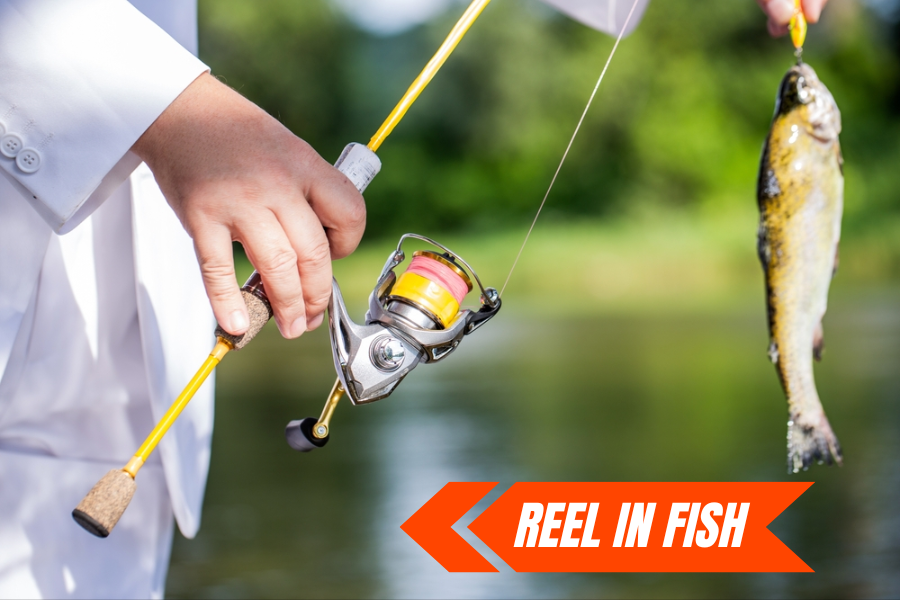
Have you ever felt the thrill of a tug on your fishing line but fumbled when it came to reeling in your catch? Knowing how to reel a fishing rod properly can make all the difference between landing a big fish or losing it at the last moment.
Whether you’re new to fishing or want to sharpen your skills, this guide will give you clear, simple steps to master reeling like a pro. Stick with me, and you’ll soon feel confident and ready to enjoy every moment by the water.
Ready to reel in your next big catch? Let’s dive in!
Choosing The Right Reel
Choosing the right fishing reel can improve your fishing experience. The reel helps you cast and retrieve the line smoothly.
Understanding the types of reels and how they match your rod and line is important. This guide will help you pick the best reel.
Types Of Fishing Reels
There are different types of fishing reels. Each type works best in certain fishing situations and rod types.
- Spinning Reels:Easy to use and good for beginners. They work well for light to medium fishing.
- Baitcasting Reels:Offer more control and power. Best for heavier lures and stronger fish.
- Spincast Reels:Simple design and easy to cast. Ideal for kids and beginners.
- Fly Reels:Used for fly fishing. They hold fly line and provide smooth drag.
Matching Reel To Rod
It is important to match your reel with your fishing rod. The reel size should fit the rod’s length and power.
| Rod Type | Recommended Reel |
| Light Rod (6-7 feet) | Small Spinning Reel |
| Medium Rod (7-8 feet) | Medium Spinning or Baitcasting Reel |
| Heavy Rod (8+ feet) | Large Baitcasting Reel |
| Fly Rod | Fly Reel |
Selecting Line Capacity
Line capacity means how much fishing line a reel can hold. It depends on the type of fishing and fish size.
- Check the reel’s line rating on its label.
- Choose more line for big fish or long casting.
- Use lighter line for small fish and light tackle.
- Match line type with your reel and rod.

Credit: www.aftco.com
Preparing Your Reel
Getting your fishing reel ready helps you fish with less trouble. Proper preparation keeps your reel working well and lasts longer.
This guide covers spooling the line, adjusting drag settings, and checking reel maintenance. Each step is easy to follow and important.
Spooling The Line
Spooling means putting fishing line on your reel. Use the right line type and keep it tight to avoid tangles.
- Attach the line to the reel spool with a secure knot.
- Keep the line tight while winding it on the reel.
- Fill the spool evenly but do not overfill it.
- Check the line for any twists or damage during spooling.
Adjusting Drag Settings
The drag controls how much resistance a fish feels when it pulls the line. Set it right to avoid breaking the line.
| Drag Setting | When to Use |
| Light | Small fish or light line |
| Medium | Most fishing situations |
| Heavy | Big fish or heavy line |
Checking Reel Maintenance
Regular care keeps your reel smooth. Look for dirt, rust, or broken parts before fishing.
- Clean the reel body with a soft cloth
- Lubricate moving parts with reel oil
- Tighten loose screws or bolts
- Replace damaged or worn parts
- Store the reel in a dry place
Casting Techniques
Reeling a fishing rod well starts with good casting techniques. Casting helps place your bait where fish are likely to bite.
Learning how to cast properly makes fishing more fun and effective. Let’s look at key ways to improve your casting skills.
Basic Casting Steps
Follow these simple steps to cast your fishing rod correctly and safely.
- Hold the rod firmly with your dominant hand.
- Open the reel’s bail to release the line.
- Pull the rod backward smoothly to load the rod’s power.
- Bring the rod forward quickly, aiming at your target.
- Release your finger from the line to let the bait fly out.
- Close the bail to stop more line from unspooling.
- Start reeling in slowly to control the bait’s movement.
Improving Accuracy
Good accuracy helps you place bait near fish hiding spots. Try these tips to improve your aim.
- Focus on a clear target before casting.
- Keep your wrist steady to guide the rod.
- Practice casting in calm areas to build muscle memory.
- Adjust your casting angle depending on wind and distance.
- Use a lighter lure for better control.
Handling Different Conditions
Each fishing spot and weather condition needs a different casting approach. Use the table below to pick the best way.
| Condition | Casting Tip | Reason |
|---|---|---|
| Windy | Use heavier lures | Weight helps line stay on course |
| Heavy Cover | Cast over or beside obstacles | Prevents line from snagging |
| Shallow Water | Use shorter casts | Improves control and avoids snags |
| Long Distance | Use a full back cast | Builds more power for distance |

Credit: mysterytacklebox.com
Reeling Strategies
Reeling a fishing rod well helps catch more fish. Using good strategies keeps the line steady and bait moving naturally.
Try different reeling ways to find what works best. This guide covers hand position, line control, and speed changes.
Proper Hand Position
Hold the rod firmly but not too tight. Use your dominant hand on the reel handle and the other hand on the rod.
Keep your wrist relaxed to allow smooth turns. This helps avoid fatigue and keeps the line steady.
Controlling Line Tension
Tension on the line stops it from tangling or slack. Use your fingers to feel the line and adjust the reel drag if needed.
Keep the line tight enough to sense bites but loose enough to avoid breaking. Practice helps find the right balance.
- Light tension for small, gentle bites
- Medium tension for normal fishing
- Higher tension for big or strong fish
Speed Variations
Vary your reeling speed to mimic natural bait movement. Slow reeling can attract fish in calm water.
Faster reeling works well in clear water or when fish are active. Change speed during a cast to keep fish interested.
- Slow speed for careful, subtle bait moves
- Moderate speed for steady, natural action
- Fast speed to trigger quick strikes
Troubleshooting Common Issues
Reeling a fishing rod can sometimes cause problems. These issues can stop you from enjoying your fishing time.
Knowing how to fix these common problems helps you fish better and keeps your gear in good shape.
Fixing Line Tangles
Line tangles happen when the fishing line twists or knots on the reel. This can stop you from casting smoothly.
To fix tangles, first stop reeling and let the line loosen. Gently pull out the knots and twist the line back.
- Check if the line is old or damaged and replace it if needed.
- Make sure the line is properly spooled on the reel.
- Keep the line tight while casting and reeling to avoid twists.
Dealing With Backlash
Backlash happens when the spool spins too fast and the line loops or tangles. It looks like a big mess on the reel.
To stop backlash, adjust the reel’s brake system or spool tension. Cast with smooth, controlled movements.
- Use your thumb to lightly control the spool during casting.
- Practice casting in open areas to improve your control.
- Choose the right fishing line weight for your reel.
Maintaining Smooth Operation
Keeping your reel smooth helps you fish longer without problems. Dirt and rust can make it hard to turn the handle.
Clean your reel after each use. Use light oil to lubricate moving parts and prevent wear.
- Disassemble the reel carefully to clean all parts.
- Remove old grease and dirt before applying new oil.
- Store your rod and reel in a dry place to avoid rust.

Credit: anglersresource.net
Advanced Tips For Better Casting
Reeling a fishing rod well can improve your casting distance and accuracy. Using some advanced tips helps you get better control.
These tips focus on using your wrist, timing your cast, and making the most of the rod’s flex. They can make a big difference in your fishing experience.
Using Wrist Movement
Wrist movement helps add speed and precision to your cast. Use a quick snap of your wrist at the right time to improve line distance.
Keep your wrist loose, not stiff. This allows for smooth, controlled motion, which helps the bait fly farther and land softly.
- Start with your wrist relaxed
- Snap your wrist forward during the cast
- Practice to find the right wrist speed
Timing Your Cast
Good timing is key to a smooth and powerful cast. Release the line at the moment the rod reaches its highest point.
Too early or too late release lowers casting distance and accuracy. Watch the rod tip and practice releasing the line at the right time.
- Pull the rod back smoothly
- Start casting forward with steady speed
- Release the line when the rod tip points forward and up
Incorporating Rod Flex
Rod flex stores energy during the cast and releases it to send your bait far. Use the bend in the rod to boost your casting power.
Don’t fight the rod’s natural bend. Let it flex and unflex smoothly to add speed and control to your cast.
- Load the rod by pulling it back
- Use a smooth forward motion to let the rod bend
- Release the line as the rod straightens
Frequently Asked Questions
How Do I Start Reeling A Fishing Rod?
To start reeling, hold the rod with a firm grip. Turn the reel handle smoothly and steadily. Ensure the line remains taut while reeling in. This helps prevent slack and maintains control over the fish. Always adjust the drag to match the fish’s resistance for a successful catch.
What Is The Correct Reeling Speed?
The correct reeling speed depends on the fish species and conditions. Generally, a slow and steady speed works best. For faster fish or in warm water, increase the speed slightly. Always observe the fish’s behavior and adjust your speed accordingly to entice a successful catch.
How Do I Prevent Line Tangles While Reeling?
To prevent line tangles, keep the line taut as you reel. Avoid reeling too fast, which can cause twists. Make sure the line is evenly distributed on the spool. Regularly check for knots or loops and correct them promptly to maintain smooth reeling.
Why Is Drag Adjustment Important When Reeling?
Drag adjustment is crucial for managing tension and preventing line breakage. It allows the fish to pull without snapping the line. Set the drag according to the fish’s size and strength. Proper drag adjustment ensures a balanced fight and increases your chances of landing the fish.
Conclusion
Reeling a fishing rod takes practice and patience. Keep your movements smooth and steady for best results. Always watch the line to avoid tangles or breaks. Adjust your speed depending on the fish’s behavior and water conditions. Remember, every fishing trip teaches you something new.
Enjoy the process as much as the catch itself. With time, reeling will feel natural and easy. Stay calm and focused, and you will improve. Fishing is about fun and learning, not just the catch. Keep trying, and your skills will grow day by day.