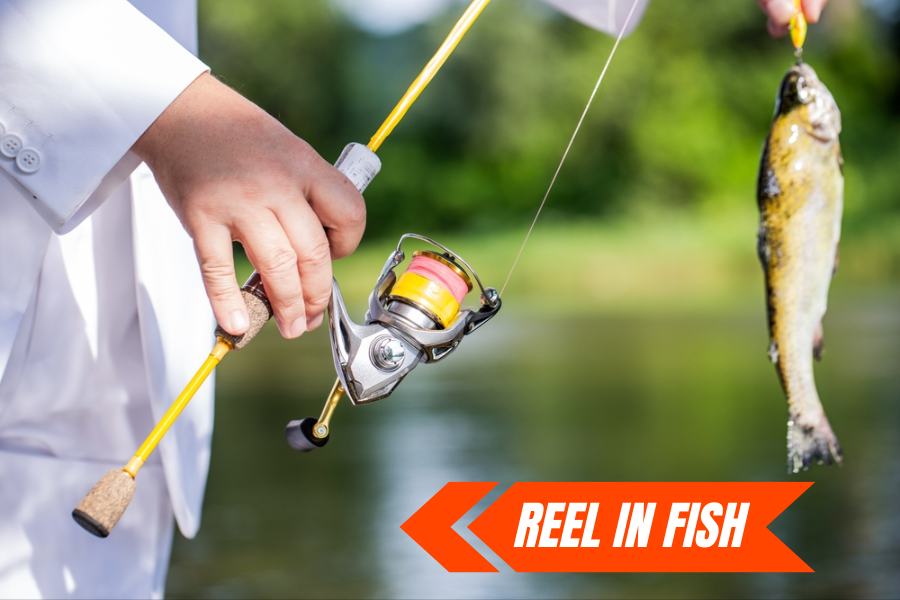
Have you ever felt the excitement of a fish tugging at your line, only to lose it because you didn’t reel in your fishing rod the right way? Mastering how to reel in a fishing rod can make all the difference between a thrilling catch and a missed opportunity.
Whether you’re new to fishing or looking to sharpen your skills, this guide will walk you through simple, effective techniques that put you in control. Keep reading to discover how you can reel like a pro and turn every cast into a potential success.
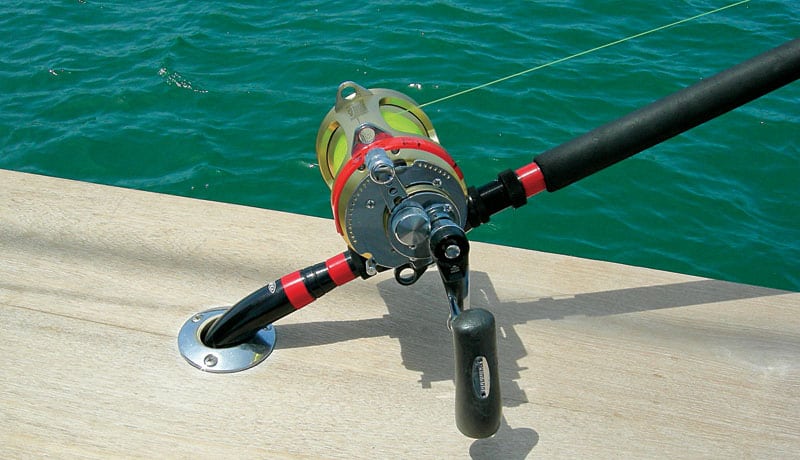
Credit: www.marlinmag.com
Choosing The Right Reel
Choosing the right fishing reel helps you catch fish easier. The reel you pick should fit your fishing needs and skill level.
A good reel works well with your rod and fishing style. It makes casting and reeling smooth and fun.
Spinning Vs Baitcasting Reels
Spinning reels are easy to use and good for beginners. They work well with light lines and small lures.
Baitcasting reels give more control for casting longer distances. They are better for experienced anglers and heavy lines.
- Spinning reels: simple, light, good for small fish
- Baitcasting reels: precise, strong, good for big fish
- Pick spinning reels if you want easy handling
- Choose baitcasting reels for power and accuracy
Consider Your Fishing Style
Your fishing style affects the reel you need. Think about where and how you fish.
If you fish in rivers or ponds, a spinning reel is good. For deep water or heavy fish, baitcasting reels work better.
- Casual fishing: spinning reels offer ease and comfort
- Sport fishing: baitcasting reels provide power and control
- Fishing with light lures: spinning reels cast better
- Fishing with heavy lures: baitcasting reels handle weight
Matching Reel Size To Rod
Pick a reel size that fits your rod. A small reel on a big rod feels unbalanced.
Matching sizes helps you cast well and reduces fatigue. Check your rod’s recommended reel size.
| Rod Length | Recommended Reel Size |
|---|---|
| 6 to 7 feet | 1000 to 3000 (spinning) |
| 7 to 8 feet | 3000 to 4000 (spinning) |
| 6 to 7 feet | Low profile 100 (baitcasting) |
| 7 to 8 feet | Low profile 200 (baitcasting) |
Setting Up Your Fishing Rod
Setting up your fishing rod correctly is key for a good fishing experience. This guide covers basic steps to prepare your rod before fishing.
Focus on attaching the reel, threading the line, and adjusting the drag. These steps help you fish smoothly and safely.
Attaching The Reel Securely
Place the reel in the reel seat of the rod. Tighten the reel seat rings firmly to hold the reel in place. Check that the reel does not move or wiggle.
- Align the reel foot with the reel seat
- Slide the reel foot into the seat
- Turn the locking rings to secure the reel
- Test the reel for stability
Threading The Line Correctly
Start by pulling the line from the reel spool. Pass the line through each guide on the rod, starting from the bottom near the reel to the tip of the rod.
| Step | Action |
| 1 | Pull line from reel spool |
| 2 | Insert line through the closest guide |
| 3 | Continue threading through each guide |
| 4 | Tie the line to the hook or lure |
Adjusting Drag Settings
The drag controls how much resistance a fish feels when pulling the line. Adjust the drag by turning the drag knob on the reel. Set it tight enough to tire the fish but loose enough to avoid breaking the line.
Drag Adjustment Tips:
- Start with medium tension
- Test drag by pulling line with your hand
- Turn knob clockwise to increase drag
- Turn knob counterclockwise to decrease drag
Basic Reeling Techniques
Reeling in a fishing rod is an important skill to catch fish effectively. It helps control the line and bait movement.
Learning basic reeling techniques makes fishing easier and more enjoyable. Focus on smooth and steady actions.
Grip And Hand Position
Hold the fishing rod firmly but not too tight. Use your dominant hand on the handle and the other hand near the reel.
Keep your wrist relaxed to avoid fatigue. Your fingers should wrap around the handle comfortably for better control.
- Place thumb on top of the rod handle
- Wrap fingers around the handle
- Use the other hand to turn the reel handle
Smooth And Steady Retrieval
Turn the reel handle smoothly to pull the line in. Avoid jerky or fast movements to prevent line tangles.
Keep a steady speed while reeling. This helps keep the bait or lure moving naturally in the water.
- Use slow and even turns on the reel
- Keep your wrist relaxed
- Watch the line for any snags or tension
Timing Your Reels
Reel in when you feel a fish bite or when the bait moves. Timing helps set the hook properly.
Pause briefly during reeling to check for bites. Adjust your speed based on the fish’s activity.
- Start reeling when the line tightens
- Pause to sense any fish movement
- Adjust reel speed to keep fish interested
Advanced Reeling Tips
Reeling in a fishing rod takes skill and practice. Advanced tips help you catch fish more easily. These tips focus on better control and using your reel wisely.
Learn how to use the pumping and reeling method, handle different fish, and match reels to lures. This will improve your fishing success.
Pumping And Reeling Method
The pumping and reeling method helps control fish tension. Pump by lifting the rod tip to pull the fish closer. Then reel in the slack line while lowering the rod tip.
- Lift the rod tip slowly to raise the fish
- Reel in the slack line while lowering the rod
- Repeat these steps to tire out the fish
- Keep steady pressure without breaking the line
Handling Different Fish Types
Different fish require different reeling styles. Small fish need quick reeling and gentle pressure. Big fish need slow reeling and strong pressure.
| Fish Type | Reeling Speed | Pressure Level |
|---|---|---|
| Small Fish | Fast | Light |
| Medium Fish | Moderate | Medium |
| Large Fish | Slow | Strong |
Using Reels For Different Lures
Choose the right reel for your lure type. Spinning reels work well with light lures. Baitcasting reels handle heavier lures better.
Here are tips for reel use with lures:
- Spinning reels: Use for small, light lures and finesse fishing.
- Baitcasting reels: Best for heavy lures and strong casting control.
- Spincast reels: Easy for beginners, good for medium lures.
- Adjust reel drag to match lure weight and fish size.
Common Mistakes To Avoid
Reeling in a fishing rod seems simple but many anglers make avoidable errors. These mistakes reduce catch chances and can damage gear.
Focus on common faults to improve your fishing experience. Avoiding these errors keeps your rod and reel in good shape.
Over-reeling And Line Twist
Over-reeling causes line twist, tangles, and weak knots. This happens when you turn the reel too fast or too long.
- Reel smoothly and at a steady speed.
- Stop reeling if the line feels tight or starts twisting.
- Check your line often for twists and fix them immediately.
- Use a swivel to reduce line twist on spinning reels.
Ignoring Drag Adjustments
Ignoring drag settings can snap your line or let fish escape. Drag controls how much resistance the fish feels.
| Drag Setting | Effect |
| Too Tight | Line breaks easily under pressure. |
| Too Loose | Fish pulls out line too fast and escapes. |
| Correct | Line gives just enough to tire fish without breaking. |
Adjust drag before casting and test it by pulling the line with your hand. Fine-tune as needed.
Poor Rod And Reel Maintenance
Skipping maintenance leads to rust, poor performance, and gear failure. Clean your rod and reel regularly.
- Rinse gear with fresh water after saltwater fishing.
- Lubricate reel parts every few uses.
- Check for loose screws or damaged guides.
- Store rods in a dry, safe place away from sunlight.

Credit: www.aftco.com
Maintaining Your Reel
Taking care of your fishing reel helps it last longer. Proper maintenance keeps it working smoothly every time you fish.
Simple steps like cleaning, lubricating, and storing your reel can prevent damage. These habits save you money and improve your fishing experience.
Cleaning After Each Use
Clean your reel after every fishing trip. Salt, dirt, and sand can harm the reel parts and cause rust.
Use fresh water and a soft cloth to wipe the reel. Avoid using strong detergents or high-pressure water.
- Rinse the reel gently with fresh water
- Wipe all surfaces with a soft cloth
- Dry the reel completely before storing
Lubricating Moving Parts
Lubricate your reel regularly to keep it running smoothly. Moving parts need oil or grease to reduce friction and wear.
Use the right type of lubricant made for fishing reels. Apply it sparingly on the handle, gears, and bearings.
- Use reel oil for small parts and bearings
- Apply reel grease for gears and heavy parts
- Do not over-lubricate to avoid attracting dirt
Storing Properly Between Trips
Store your reel in a dry and cool place. Proper storage stops rust and damage when you are not fishing.
Keep the reel loose on the rod or remove it. Cover it with a cloth or reel cover to protect from dust.
- Store reels in a dry environment
- Keep reels away from direct sunlight
- Use reel covers or cloth to protect reels
- Loosen the drag to reduce pressure on parts

Credit: anglersresource.net
Frequently Asked Questions
How Do I Properly Reel In A Fishing Rod?
To reel in a fishing rod, turn the handle smoothly and steadily. Keep the line taut and avoid jerky motions. This prevents line tangles and ensures better control while retrieving your catch.
When Should I Use A Slow Or Fast Reeling Speed?
Use slow reeling for delicate lures and cautious fish. Fast reeling works well for active fish or when retrieving larger lures quickly. Match speed to fishing conditions for optimal results.
How Can I Avoid Tangles While Reeling In?
Maintain steady tension on the line and reel consistently. Avoid sudden stops or jerks, which cause tangles. Use quality line and check for twists regularly to prevent snarls.
What Is The Best Hand Position For Reeling?
Hold the rod firmly with your dominant hand. Use your other hand to turn the reel handle smoothly. Keep a relaxed grip to reduce fatigue during long fishing sessions.
Conclusion
Reeling in a fishing rod takes practice and patience. Start slow and keep your hands steady. Feel the fish pull and guide the line carefully. Always watch the rod tip for any movement. With time, your skills will improve naturally.
Enjoy the peaceful moments by the water. Fishing is about fun and learning. Keep trying, and soon reeling will feel easy. Remember, every catch is a small success. Stay calm, focused, and enjoy each fishing trip.