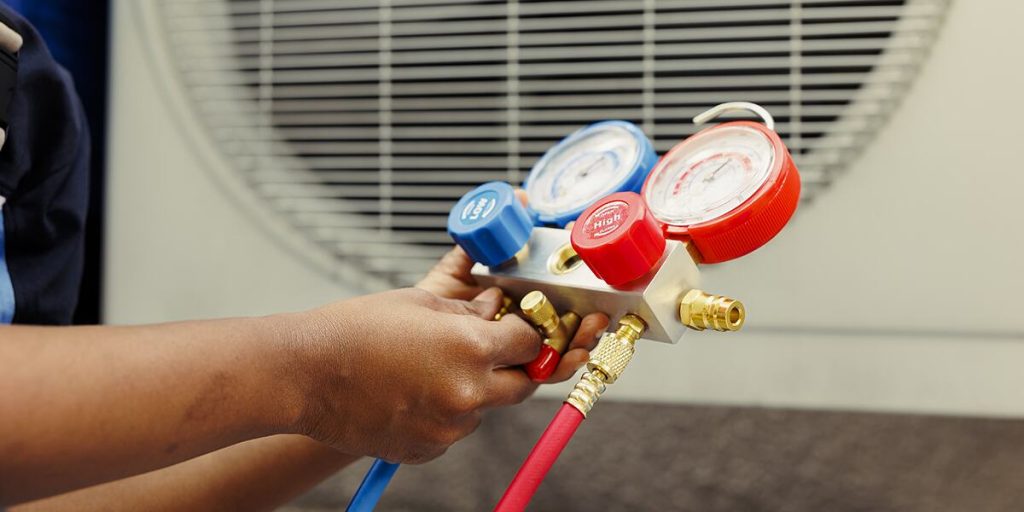
Is your air conditioner not cooling like it used to? You might be low on refrigerant, and refilling it could bring back that refreshing chill you need.
But how do you refill refrigerant safely and effectively without calling a pro? In this guide, you’ll learn simple steps to recharge your AC, save money, and keep your home comfortable. Keep reading to discover how you can take control of your cooling system and beat the heat with ease.
Credit: nicksac.com
Signs Refrigerant Needs Refill
Refrigerant is essential for an air conditioner to cool properly. When the refrigerant runs low, the AC may not work well.
Here are common signs that show you might need to refill the refrigerant in your air conditioner.
Common Cooling Issues
Your air conditioner may blow warm air or take longer to cool the room. This often means the refrigerant level is low.
- Reduced cooling power
- Longer running times
- Higher energy bills
- Warm air from vents
Ice Formation On Coils
Ice can form on the AC coils if the refrigerant is low. This blocks airflow and stops the unit from cooling.
| Cause | Effect |
| Low refrigerant | Ice builds on coils |
| Blocked airflow | Reduced cooling |
| Frozen coils | Damage to unit |
Hissing Sounds And Leaks
If you hear hissing or bubbling sounds near your AC, it could mean a refrigerant leak. This needs quick attention.
- Unusual hissing or bubbling noises
- Oil stains or wet spots near AC lines
- AC loses cooling power fast
Types Of Refrigerants
Refrigerants are vital for air conditioners to cool effectively. Different types exist, each with unique features and uses.
Choosing the right refrigerant helps your AC run well and keeps the environment safe. Learn about popular options and their compatibility.
Popular Refrigerant Options
Several refrigerants are common for air conditioners. Each one works best in certain systems and climates.
- R-22 (Freon):Used in older AC units, but now being phased out due to environmental rules.
- R-410A (Puron):A common replacement for R-22, with better cooling and no chlorine.
- R-32:More energy efficient and has a lower environmental impact than R-410A.
- R-134a:Found in some small AC units and cars, but less common in home systems.
Environmental Considerations
Refrigerants affect the environment differently. Some harm the ozone layer and increase global warming.
| Refrigerant | Ozone Depletion Potential (ODP) | Global Warming Potential (GWP) |
|---|---|---|
| R-22 | 0.05 | 1810 |
| R-410A | 0 | 2088 |
| R-32 | 0 | 675 |
| R-134a | 0 | 1430 |
Compatibility With Ac Units
Not all refrigerants work with every air conditioner. Using the wrong type can cause damage or poor cooling.
- Check your AC’s manual for the recommended refrigerant type.
- Older units usually use R-22, while newer models use R-410A or R-32.
- Mixing refrigerants or using an incompatible type may void warranties.
- Always use certified professionals for refilling refrigerants.
Tools And Safety Gear
Refilling refrigerant in an air conditioner requires the right tools and safety gear. Using proper equipment helps you do the job correctly and safely.
This guide covers essential tools you need and the protective gear to wear before starting the refill process.
Essential Equipment List
Having all the tools ready makes refilling easier. Here is a list of essential equipment for the task.
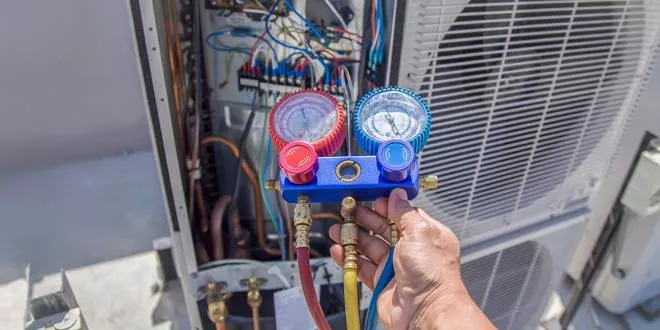
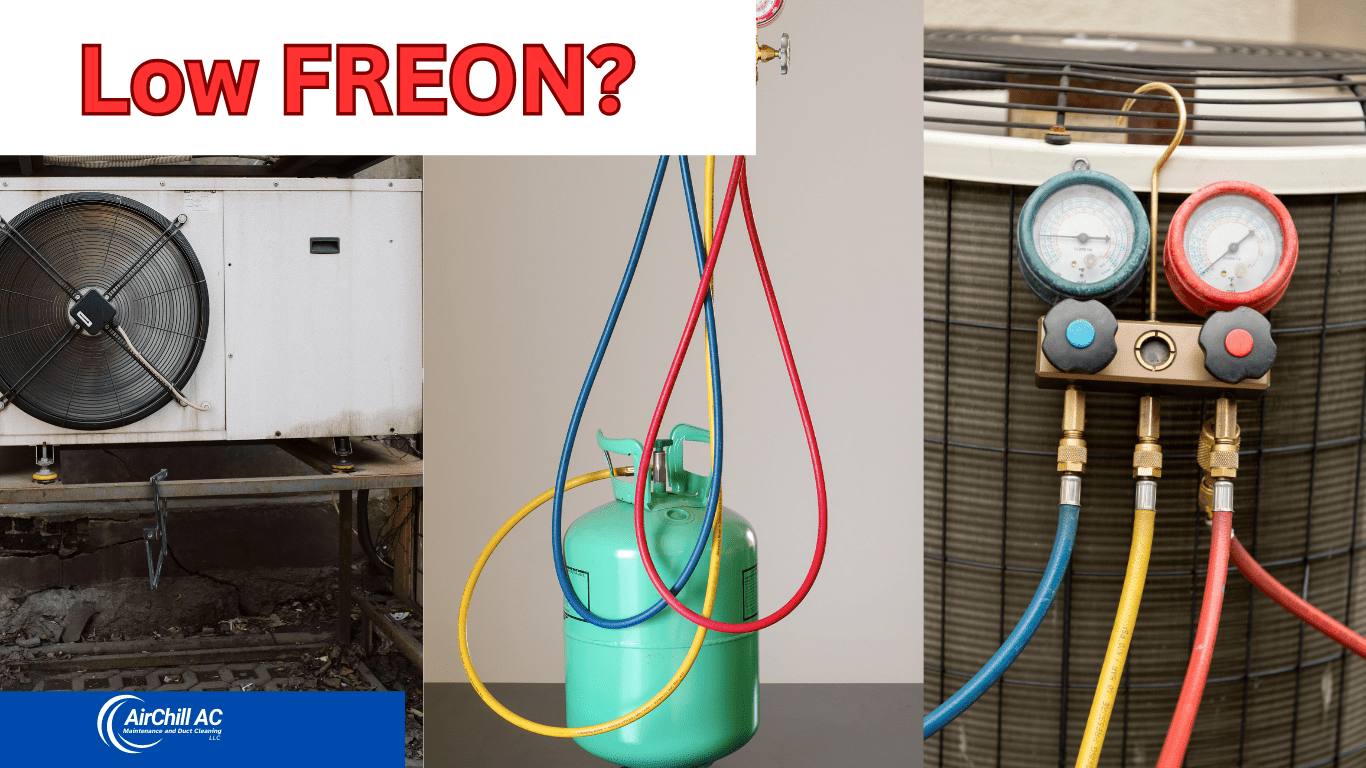
- Refrigerant gauge manifold set
- Refrigerant cylinder
- Leak detector
- Vacuum pump
- Hoses and connectors
- Thermometer
- Gloves
- Safety goggles
Protective Gear To Wear
Wear safety gear to protect yourself from harmful chemicals and possible injuries.
| Protective Item | Purpose |
| Safety goggles | Protects eyes from refrigerant splashes |
| Gloves | Prevents skin contact with chemicals |
| Long-sleeve shirt and pants | Protects skin from exposure |
| Closed-toe shoes | Protects feet from falling tools or spills |
| Face mask | Prevents inhalation of fumes |
Credit: airchillac.com
Step-by-step Refill Process
Refilling refrigerant in an air conditioner helps it cool better. This guide shows you how to do it safely and correctly. Follow each step carefully to protect your AC and yourself.
Keep tools ready and wear safety gear. Use the right refrigerant for your AC model. Never skip safety checks during the process.
Locating The Service Valve
Find the service valve outside near the AC compressor unit. It usually has a small cap and a valve stem. This valve controls refrigerant flow into your system.
- Turn off the air conditioner power.
- Look for two service valves: low and high pressure.
- Identify the low-pressure valve; it is larger and used for refilling.
- Remove the valve cap carefully.
Checking Refrigerant Levels
Check refrigerant levels using a pressure gauge. This shows if your AC needs more refrigerant or not. Correct pressure keeps your AC running efficiently.
| Pressure Gauge Reading | Condition |
| Normal Range | No refill needed |
| Below Normal | Refill required |
| Above Normal | System may be overcharged |
Connecting The Recharge Hose
Attach the recharge hose to the low-pressure valve. This hose connects your refrigerant can to the AC system. Make sure connections are tight to avoid leaks.
- Remove the valve cap from the low-pressure service valve.
- Connect the recharge hose securely to the valve.
- Attach the other end to the refrigerant can.
- Check all connections for tightness before starting.
Adding Refrigerant Safely
Add refrigerant slowly to avoid overcharging. Monitor the pressure gauge while filling. Stop adding refrigerant once the desired pressure is reached.
| Safety Tips | Details |
|---|---|
| Wear Gloves and Goggles | Protect your skin and eyes from refrigerant burns. |
| Work in a Ventilated Area | Prevent inhaling harmful fumes. |
| Do Not Overfill | Overcharging can damage the AC unit. |
| Use Correct Refrigerant | Check your AC model for compatible types. |
Common Mistakes To Avoid
Refilling refrigerant in an air conditioner needs care. Avoid mistakes to keep the system safe and working well.
Some errors can cause damage or reduce cooling. Learn what to watch out for before you start.
Overcharging The System
Adding too much refrigerant is a common mistake. Overcharging can harm the compressor and reduce efficiency.
Too much refrigerant creates high pressure inside the system. This can cause leaks or even break parts.
- Only add refrigerant to the recommended level
- Check the manufacturer’s guide for proper amounts
- Use a gauge to monitor pressure while refilling
Ignoring Leaks
Leaks let refrigerant escape and waste money. Ignoring them leads to poor cooling and system damage.
Before refilling, always inspect the system for leaks. Fix leaks first to avoid losing refrigerant again.
- Look for oil stains or moisture near connections
- Use a leak detector if available
- Seal or replace faulty parts before refilling
Skipping Pressure Checks
Pressure checks help ensure the refrigerant level is right. Skipping this step can cause problems.
Use a pressure gauge to read the system pressure. Compare it to the ideal range for your AC model.
- Check pressure before adding refrigerant
- Monitor pressure during refilling
- Stop when pressure reaches the recommended level
When To Call A Professional
Refilling refrigerant in an air conditioner is not always a simple task. Sometimes, the job requires expert skills and tools.
Knowing when to call a professional helps avoid damage and keeps your AC running safely and efficiently.
Complex Repairs
If your air conditioner has leaks or broken parts, refilling refrigerant alone will not fix it. Complex repairs need a trained technician.
- Leaks in the refrigerant line
- Faulty compressor or condenser
- Electrical system problems
- Damaged valves or fittings
Handling Hazardous Refrigerants
Refrigerants can be harmful to health and the environment. Professionals have the right equipment and knowledge to handle them safely.
| Risk | Explanation |
| Health Hazards | Exposure can cause dizziness or breathing problems |
| Environmental Damage | Leaks contribute to ozone layer depletion |
| Legal Restrictions | Only certified technicians can work with certain refrigerants |
Warranty And Legal Issues
Opening your air conditioner for refrigerant refill can void the warranty. Some laws require licensed professionals for this work.
Important points about warranty and legal rules:
- Check your AC warranty terms before refilling refrigerant.
- Using an uncertified person may void your warranty.
- Local laws may require professional certification to handle refrigerants.
- Improper work could lead to fines or penalties.
Maintaining Optimal Ac Performance
Refilling refrigerant is important to keep your air conditioner working well. It helps cool your home efficiently.
Regular care and checks improve AC performance and save energy. This guide explains key steps to maintain your AC.
Regular Inspections
Check your AC system often to find leaks or damage. Low refrigerant can cause poor cooling and higher bills.
Look for signs like ice on coils or weak airflow. Fix problems early to avoid costly repairs.
Cleaning And Filter Replacement
Clean your AC unit and replace filters regularly. Dirt blocks airflow and reduces cooling power.
- Clean dust from coils and vents
- Replace filters every 1-3 months
- Keep outdoor unit free of leaves and debris
Energy Efficiency Tips
Use your air conditioner wisely to save energy. Proper refrigerant levels help the unit work without extra effort.
- Set thermostat to a comfortable but not too low temperature
- Close windows and doors while AC runs
- Use fans to help air circulate
- Schedule regular professional AC tune-ups
Credit: m.youtube.com
Frequently Asked Questions
How Do I Know If My Ac Needs Refrigerant Refill?
If your AC blows warm air or cools inefficiently, it may need a refrigerant refill. Check for ice buildup or hissing sounds, which indicate leaks. A professional inspection can confirm refrigerant levels and detect leaks.
Can I Refill Ac Refrigerant Myself Safely?
Refilling refrigerant requires specialized tools and knowledge. Handling refrigerants improperly can be hazardous and illegal. It’s best to hire a certified technician to ensure safety and compliance with environmental laws.
What Type Of Refrigerant Does My Ac Use?
Your AC’s manual or label specifies the refrigerant type. Common types include R-22 or R-410A. Using the correct refrigerant ensures optimal performance and prevents damage to the system.
How Much Refrigerant Does An Air Conditioner Need?
The required refrigerant amount depends on your AC’s model and size. The manufacturer provides exact specifications. Overfilling or underfilling can reduce efficiency and cause damage.
Conclusion
Refilling refrigerant in your air conditioner keeps it running cool. Follow safety steps carefully to avoid damage or injury. Check for leaks before adding refrigerant to save energy. Use the right type and amount for best results. Regular maintenance helps your AC last longer and work well.
Doing this task yourself can save money and time. Remember, if unsure, ask a professional for help. Stay cool and comfortable all summer long.