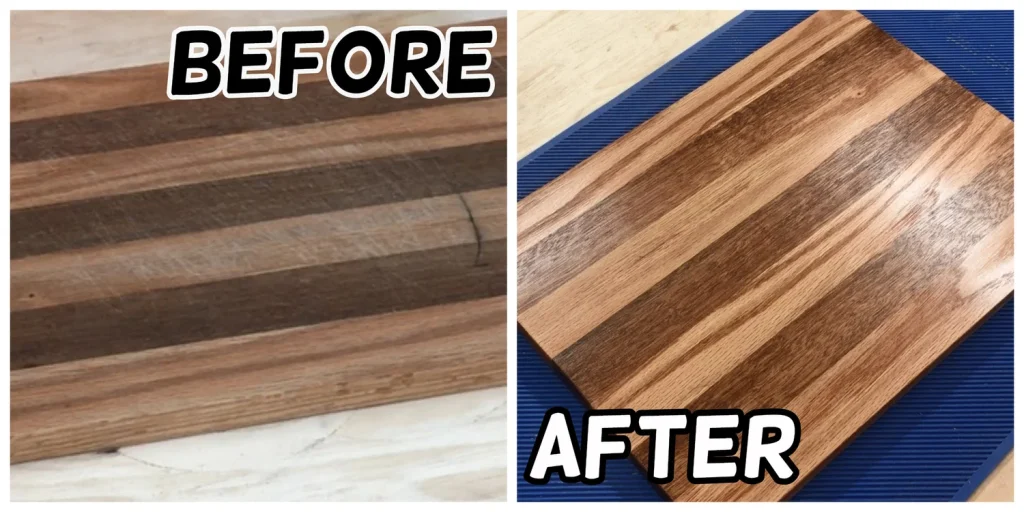
Is your cutting board looking worn out, scratched, or stained? You don’t have to toss it away or buy a new one.
Refinishing your cutting board can bring it back to life, making it look fresh and clean again. Imagine slicing your veggies on a smooth, renewed surface that’s safe and easy to use. In this guide, you’ll discover simple steps to refinish your cutting board at home.
By the end, your board will feel like new, and you’ll save money while keeping your kitchen eco-friendly. Ready to give your cutting board a fresh start? Let’s dive in.
Credit: www.slightlycrookedworkshop.com
Materials And Tools Needed
Refinishing a cutting board makes it look new and safe to use. You need some tools and materials to do the job well.
These items help remove old finishes and protect the wood after refinishing.
Sandpaper
Sandpaper smooths the surface and removes old stains or scratches. Use different grit levels for best results.
- Start with coarse grit (80-120) to remove old finish
- Use medium grit (150-180) to smooth out rough spots
- Finish with fine grit (220-320) for a smooth surface
Mineral Oil Or Cutting Board Oil
Apply mineral oil to protect the wood and keep it from drying out. It also gives a nice finish.
Food-safe oils are best to keep the board safe for kitchen use.
Clean Cloths Or Rags
Use clean cloths to wipe dust and apply oil evenly. Soft cotton cloths work well for this.
Have a few cloths ready for different steps to avoid mixing dust with oil.
Soap And Water
Wash the cutting board with mild soap and warm water before sanding. This removes dirt and food residue.
Dry the board completely before you start sanding to avoid damage.
Scraper Or Putty Knife
A scraper helps remove tough stains or glue spots on the board. Use it gently to avoid deep scratches.
This tool can clean the surface before sanding for better results.
Optional: Wood Conditioner Or Beeswax
Wood conditioner or beeswax can be used after oiling. They add extra protection and shine to the board.
These are not required but can improve the cutting board’s lifespan.
Preparing The Work Area
Refinishing a cutting board needs a clean and organized space. Setting up your work area well helps you work safely and finish quickly.
This guide covers how to pick the best spot and gather what you need before you start.
Choosing A Suitable Space
Pick a flat, stable surface with good light. Outdoor areas or well-ventilated rooms work best. Avoid places with dust or moisture.
- Use a sturdy table or workbench
- Ensure enough space to move around
- Good lighting to see all parts clearly
- Keep pets and children away
- Ventilation to reduce dust and fumes
Gathering Necessary Supplies
Collect all tools and materials before starting. This keeps your work steady and avoids delays.
| Item | Purpose |
| Sandpaper (various grits) | To smooth the board surface |
| Mineral oil | To condition and protect the wood |
| Clean cloths | For wiping and applying oil |
| Gloves | To protect your hands |
| Drop cloth or newspapers | To protect the work surface |
Cleaning The Cutting Board
Cleaning your cutting board well is the first step to refinish it. Dirt and stains can hide in the wood. You must remove them before sanding or oiling.
Good cleaning keeps the board safe for food use. It also helps the finish last longer. Let’s look at how to clean it properly.
Removing Residual Food And Stains
Start by scraping off leftover food with a plastic scraper. Avoid metal tools that can scratch the wood. Rinse the board with warm water to clear loose bits.
To remove stains, sprinkle coarse salt or baking soda on the surface. Rub it gently with a lemon half. This lifts stains and deodorizes the board.
- Use a plastic scraper for stuck food
- Rinse with warm water
- Sprinkle salt or baking soda on stains
- Rub with half a lemon to clean and freshen
Sanitizing The Surface
After cleaning, sanitize the board to kill germs. Use a solution of one part white vinegar to four parts water. Wipe the board with a cloth soaked in this mix.
Let the board air dry. Vinegar is safe and natural. It stops bacteria without harsh chemicals. Avoid soaking the board in water to protect the wood.
- Mix one part vinegar with four parts water
- Wipe the board with the vinegar solution
- Let it air dry fully before use
- Do not soak the board in water

Credit: www.youtube.com
Sanding The Surface
Sanding the surface is a key step to refinish a cutting board. It removes old stains and smooths out scratches. This prepares the board for a fresh finish.
Proper sanding improves the look and feel of the wood. It also helps protect the board from damage.
Selecting The Right Sandpaper
Choose sandpaper with the right grit for your cutting board. Start with coarse grit to remove deep marks. Then use finer grit to smooth the surface.
Using the wrong grit can damage the wood or leave it rough. Pick sandpaper made for wood to get best results.
- Coarse grit (60-80) removes old finish and deep scratches
- Medium grit (120-150) smooths rough patches
- Fine grit (220-320) creates a smooth, ready-to-finish surface
Sanding Techniques For A Smooth Finish
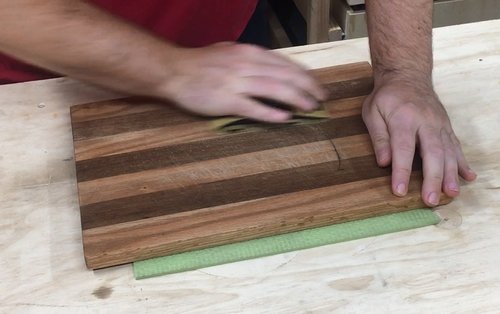
Sanding should be done in the direction of the wood grain. This avoids scratches across the surface. Use even pressure for a uniform finish.
Use a sanding block or electric sander for better control. Wipe the board clean between sanding stages to check progress.
- Sand along the grain, not against it
- Apply light, even pressure
- Change sandpaper as the grit gets finer
- Clean dust off the board often
- Repeat until the surface feels smooth to touch
Applying A Fresh Finish
Refinishing a cutting board gives it a new life and keeps it safe to use. Applying a fresh finish protects the wood and prevents it from drying out.
Choosing the right oil or finish and using proper application methods are key steps in this process.
Choosing The Right Oil Or Finish
Select an oil or finish that is food safe and easy to apply. Some oils soak into the wood, while finishes create a protective layer on top.
- Mineral oil is popular because it is odorless and safe for food contact.
- Beeswax mixed with mineral oil adds extra protection and shine.
- Tung oil penetrates deeply and hardens, but it takes longer to dry.
- Coconut oil is natural, but it may go rancid over time.
Proper Application Methods
Applying the finish correctly helps the cutting board last longer and look better. Clean and dry the board before starting.
| Step | Action |
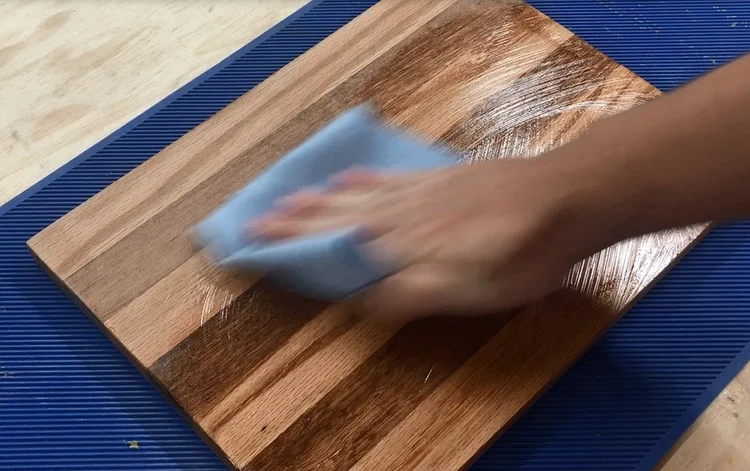
| 1 | Use a clean cloth to spread oil evenly on the surface. |
| 2 | Rub the oil into the wood in circular motions. |
| 3 | Let the oil soak for at least 20 minutes. |
| 4 | Wipe off any excess oil with a dry cloth. |
| 5 | Repeat the process if the wood looks dry. |
| 6 | Allow the board to dry fully before use. |
Credit: www.slightlycrookedworkshop.com
Curing And Maintaining
Refinishing a cutting board is not complete without proper curing and maintenance. These steps help protect the wood and keep it safe for food use.
Curing allows the finish to harden fully. Maintaining the board regularly keeps it looking fresh and extends its life.
Allowing The Finish To Set
After applying oil or finish, let the board rest in a dry place. This helps the finish soak into the wood and harden properly.
Keep the board away from water and heat during this time. Usually, curing takes 24 to 48 hours depending on the finish type.
- Place the board on a clean surface
- Keep it in a room with good airflow
- Do not use or wash the board during curing
- Check the finish feels dry and not sticky before use
Routine Maintenance Tips
Regular care keeps your cutting board in good shape. Clean and oil it often to prevent cracks and stains.
Use food-safe mineral oil or beeswax to treat the board. This keeps the wood hydrated and protected.
- Wash with warm, soapy water after each use
- Dry the board completely before storing
- Apply oil once a month or when the wood looks dry
- Avoid soaking or putting the board in a dishwasher
- Sand lightly if the surface becomes rough before oiling
Troubleshooting Common Issues
Refinishing a cutting board can bring it back to life. Sometimes, problems like cracks, warps, or stains appear. These issues need special care to fix.
Knowing how to handle these common problems helps you keep your board safe and useful for longer.
Dealing With Cracks And Warps
Cracks happen when the wood dries out or gets wet too fast. Warps form if the board stays wet on one side or is stored improperly.
Fix cracks by sanding gently to smooth edges. For deeper cracks, use food-safe wood glue to fill gaps.
- Sand the board with fine-grit sandpaper.
- Apply food-safe wood glue into cracks.
- Clamp the board until glue dries fully.
- Store the board flat and dry.
- Oil the board regularly to keep wood hydrated.
Handling Stubborn Stains
Stains may come from juices, oils, or food colors. Light stains often disappear with simple cleaning and sanding.
For tough stains, use natural cleaners like lemon and salt. This helps lift stains without harsh chemicals.
- Sprinkle coarse salt over the stain.
- Rub with half a lemon to scrub gently.
- Let it sit for 5 minutes.
- Rinse with warm water and dry fully.
- Sand lightly if stain remains.
- Oil the board after cleaning.
Frequently Asked Questions
How Often Should I Refinish My Cutting Board?
Refinish your cutting board every 3-6 months depending on use. Regular refinishing keeps the surface smooth and bacteria-free. Heavy use or deep cuts may require more frequent care to maintain hygiene and appearance.
What Materials Are Best For Refinishing Cutting Boards?
Use fine-grit sandpaper and food-safe mineral oil for refinishing. Sandpaper smooths out cuts and stains, while mineral oil nourishes the wood. Avoid harsh chemicals or finishes that can harm food safety.
Can I Refinish A Plastic Cutting Board?
Plastic cutting boards can be cleaned but not sanded or refinished like wood. Replace plastic boards when deeply scratched or stained, as refinishing methods don’t restore plastic surfaces effectively.
Is Mineral Oil Safe For Cutting Boards?
Yes, food-grade mineral oil is safe and commonly used for cutting boards. It protects wood from drying and cracking while preventing bacteria buildup. Avoid non-food-grade oils, which may be toxic.
Conclusion
Refinishing a cutting board keeps it safe and looking fresh. Sanding removes old stains and smooths the surface. Applying oil protects the wood and stops cracks. Regular care helps your board last many years. This simple process saves money and reduces waste.
Give your cutting board new life with these easy steps. Try it yourself and enjoy a clean, smooth board every day.