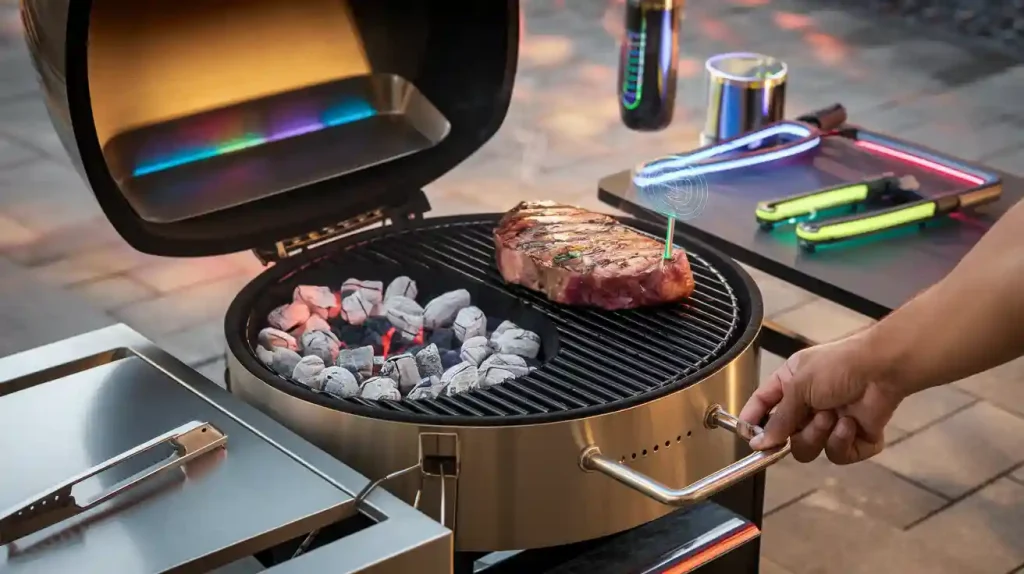
If you love grilling but struggle to keep the heat just right, you’re not alone. Knowing how to regulate temperature on a charcoal grill can make all the difference between juicy, flavorful food and a burnt or undercooked mess.
Imagine having full control over the flames, so every meal turns out perfectly cooked. You’ll discover simple, proven tricks to master your charcoal grill’s temperature. By the end, you’ll feel confident and ready to impress everyone with your grilling skills.
Keep reading to unlock the secrets to grilling success!
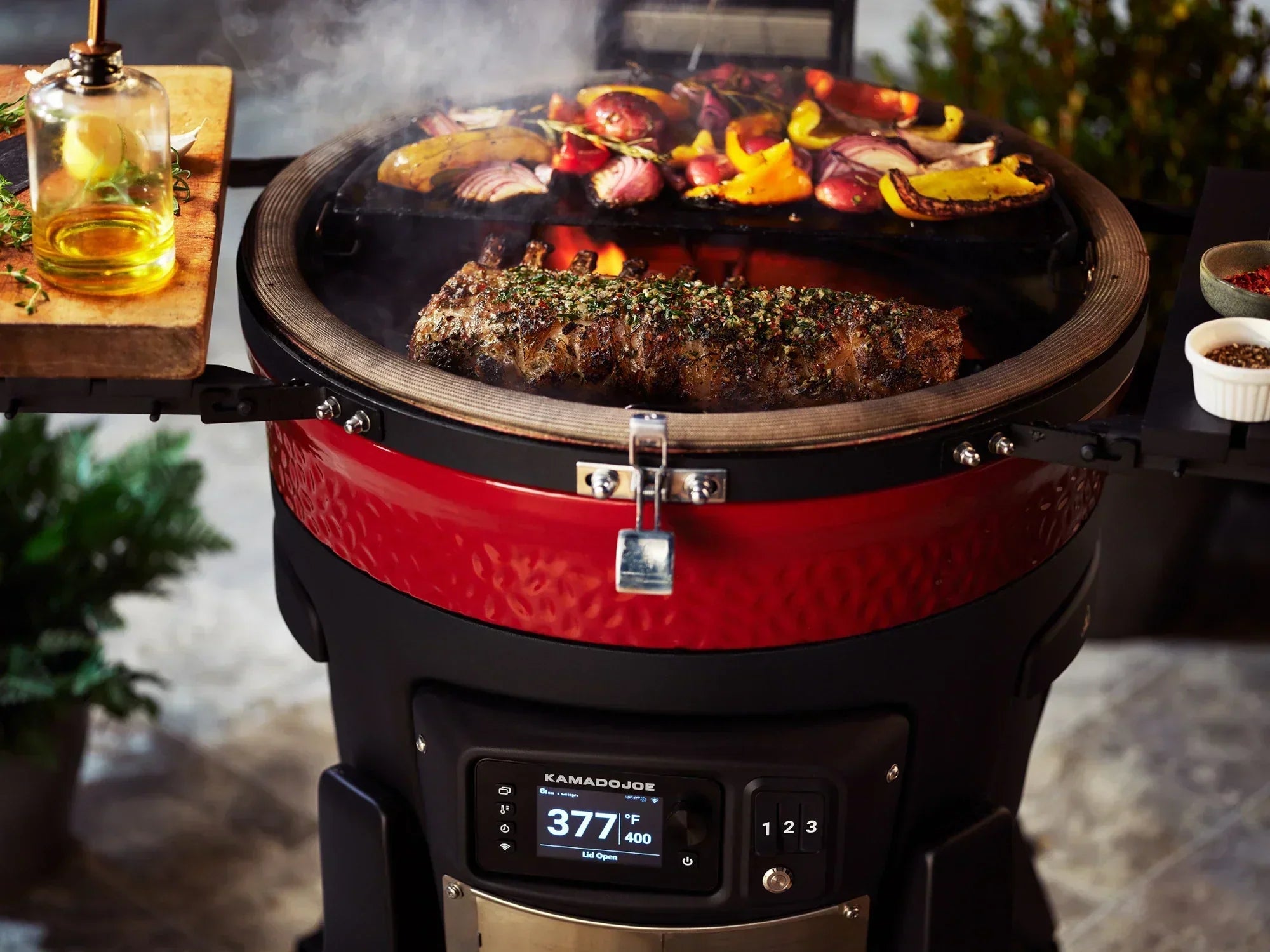
Credit: www.kamadojoe.com
Choosing The Right Charcoal
Using the right charcoal helps control your grill’s temperature. It also makes cooking easier and tastier.
Different charcoals burn in different ways. Knowing these differences helps you pick the best one.
Types Of Charcoal
There are mainly two types of charcoal: lump charcoal and briquettes. Each type works differently on your grill.
Lump charcoal is made by burning wood in low oxygen. Briquettes are made from compressed charcoal dust and other materials.
- Lump Charcoal:Burns hotter and faster
- Briquettes:Burns evenly and longer
- Other types:Some charcoal comes with added flavors or made from coconut shells
Impact On Temperature
Lump charcoal heats up quickly and reaches high temperatures fast. It is good for searing meats.
Briquettes burn steadily and hold temperature for longer. They are best for slow cooking and smoking.
- Lump charcoal: High heat, quick burn
- Briquettes: Steady heat, long burn
- Choose based on cooking style and temperature needs
Quality And Burn Time
Good quality charcoal burns cleaner and lasts longer. Low-quality charcoal may burn out fast and create more ash.
Check for large, hard pieces with little dust for better quality. This gives you better control over your grill’s heat.
- High-quality charcoal: Long burn, less ash
- Low-quality charcoal: Short burn, more ash
- Store charcoal in a dry place to keep quality
Setting Up Your Grill
Setting up your charcoal grill correctly helps control the temperature. This makes cooking easier and tastier.
Good preparation means arranging charcoal, cleaning the grill grate, and starting the coals right.
Arranging Charcoal For Heat Zones
Arrange charcoal to create two heat zones: direct and indirect heat. Direct heat is hot and good for searing.
Indirect heat is cooler and perfect for slow cooking or warming food.
- Place more charcoal on one side for high heat.
- Leave the other side with fewer or no coals for low heat.
- Use this setup to move food between hot and cooler zones.
Preparing The Grill Grate
Clean the grill grate before cooking. This removes old food and helps stop sticking.
Heat the grate for a few minutes to burn off residue. Then, use a grill brush to clean it well.
- Heat grate before cleaning
- Use a stiff wire brush
- Oil the grate lightly to stop food from sticking
Using A Charcoal Chimney Starter
A charcoal chimney starter lights charcoal evenly without lighter fluid. It is safe and quick.
Fill the chimney with charcoal. Place newspaper or a fire starter under it. Light the paper to start the coals.
- Fill chimney with charcoal
- Place newspaper below chimney
- Light newspaper to ignite coals
- Wait 10-15 minutes for coals to turn gray
- Pour hot coals into grill
Controlling Airflow
Controlling airflow is key to managing temperature on a charcoal grill. Air helps the fire burn hotter or cooler.
Knowing how to adjust vents lets you cook food evenly and avoid flare-ups.
Adjusting Bottom Vents
Bottom vents bring air into the grill. Open vents let in more oxygen, making the fire burn hotter.
Closing bottom vents reduces air, cooling the fire and lowering the temperature.
- Open vents increase heat quickly
- Partially open vents keep medium heat
- Closed vents reduce heat and slow the fire
Managing Top Dampers
Top dampers let smoke and air escape from the grill. Opening them improves airflow and keeps fire strong.
Closing top dampers limits airflow and lowers temperature. It also traps smoke for flavor.
- Open top dampers help maintain high heat
- Partially closed dampers control smoke and temperature
- Closed dampers can cause fire to die out if bottom vents are open
Effects On Temperature
More airflow means hotter, faster-burning charcoal. Less airflow cools down the grill.
Balance bottom vents and top dampers to keep steady heat for cooking.
| Vent Setting | Effect on Temperature |
|---|---|
| Bottom open, top open | High heat, fast burn |
| Bottom partially open, top partially closed | Medium heat, slow burn |
| Bottom closed, top closed | Low heat, fire dies out |

Credit: www.siuhaau.com
Lighting Techniques
Controlling temperature on a charcoal grill starts with the right lighting method. How you light the charcoal affects heat levels and cooking results.
Learn about direct lighting, indirect lighting, and using fire starters safely. Each method suits different grilling styles and foods.
Direct Lighting
Direct lighting means placing charcoal under the food. It creates high heat for fast cooking. This method is good for burgers and steaks.
Light the charcoal evenly and let it burn until covered with gray ash. Then spread the coals in a single layer to keep heat consistent.
Indirect Lighting
Indirect lighting places charcoal to one side of the grill. Food cooks on the other side with lower heat. This suits slow cooking or large cuts.
- Arrange charcoal on one side only.
- Place a drip pan under the food to catch fat.
- Keep the grill lid closed to maintain heat.
- Use vents to control airflow and temperature.
Using Fire Starters Safely
Fire starters help light charcoal faster and safer than lighter fluid. Use natural starters like wood chips or paraffin cubes.
| Fire Starter Type | Use Tips |
|---|---|
| Wood Chips | Place under charcoal; light carefully; avoid chemicals. |
| Paraffin Cubes | Light directly; wait until fully burning before adding charcoal. |
| Electric Starter | Insert into coals; unplug after coals glow red. |
Temperature Monitoring
Controlling heat is key to cooking on a charcoal grill. Monitoring temperature helps you cook food evenly and safely. It also prevents burning or undercooking.
Using tools and observing signs lets you keep the grill at the right heat. This guide covers how to watch and control temperature on your grill.
Using Grill Thermometers
Grill thermometers measure the heat inside your grill. Place them near the cooking area for accurate readings. Some grills have built-in thermometers, but a separate one is often better.
- Check the thermometer before cooking to know the starting temperature.
- Keep the lid closed to maintain steady heat and get correct readings.
- Use digital thermometers for quick and clear results.
- Adjust charcoal or vents based on the thermometer reading.
Checking Heat Zones
Heat zones are areas with different temperatures on the grill. Use these zones to cook various foods at their best heat. Arrange charcoal to create hot and cooler spots.
| Heat Zone | Use | Charcoal Setup |
|---|---|---|
| Direct Heat | Grilling steaks and burgers | Charcoal piled directly under food |
| Indirect Heat | Slow cooking and smoking | Charcoal on one side, food on the other |
| Medium Heat | Cooking chicken or vegetables | Charcoal spread evenly in a thin layer |
Signs Of Temperature Fluctuations
Temperature changes can affect cooking results. Watch for these signs to keep heat steady.
- Charcoal ash build-up lowering the heat
- Flames rising too high or dying out
- Food cooking too fast or too slow
- Uneven cooking on different parts of the grill
Adjust vents and add or spread charcoal to fix heat issues quickly. Keeping an eye on these signs helps maintain steady cooking temperature.
Maintaining Consistent Heat
Keeping the right temperature on a charcoal grill is key for good cooking. Consistent heat cooks food evenly and keeps it juicy.
Learning how to control your grill’s heat will help you avoid burning or undercooking your food.
Adding Charcoal Mid-cook
Add charcoal during cooking to keep the fire hot. This stops the grill from getting too cool.
Put new charcoal on one side of the grill. This keeps some heat steady while fresh coals burn.
- Use a chimney starter for quick lighting
- Add small amounts to avoid big heat spikes
- Place new charcoal on a cooler side
Adjusting Vents During Cooking
Vents control airflow and heat inside the grill. Open vents let in oxygen and make the fire hotter.
Close vents slightly to reduce heat. Adjust them slowly to keep the temperature steady.
- Open both vents for more heat
- Close vents to lower temperature
- Check vents often to keep heat stable
Avoiding Common Mistakes
Many beginners make errors that cause uneven heat. Avoid these to keep your grill steady.
Do not open the lid too often. This lets heat escape and cools the grill.
- Do not add too much charcoal at once
- Avoid blocking vents fully
- Do not use lighter fluid after lighting
- Do not move food around too much
Advanced Temperature Control Tips
Controlling temperature on a charcoal grill takes practice and smart techniques. You can cook food evenly and avoid burning by managing heat well.
This guide covers three advanced tips to help you regulate temperature better. Learn how to use water pans, handle wind and weather, and modify your grill.
Using Water Pans
Water pans add moisture and stabilize temperature inside the grill. They absorb heat and prevent sudden spikes. This is useful for slow cooking or smoking.
- Place a shallow pan filled with water above the coals.
- Refill the pan as needed to maintain moisture and heat balance.
- The water pan creates indirect heat, reducing flare-ups.
Wind And Weather Considerations
Wind and weather can affect your charcoal grill’s temperature. Wind can cool the grill or cause uneven heat. Rain and humidity also change cooking times.
| Weather Condition | Effect on Grill | Tip |
| Strong Wind | Lower temperature, uneven heat | Use windbreaks or move grill to sheltered spot |
| Rain | Water cools coals, slows cooking | Cover grill with lid and use waterproof cover |
| High Humidity | Longer cooking time | Adjust charcoal amount to increase heat |
Charcoal Grill Modifications
Modifying your grill can improve temperature control. Small changes help you adjust airflow and heat better.
- Add adjustable vents to control oxygen flow.
- Install a thermometer to monitor internal temperature.
- Use a charcoal basket for better coal arrangement.
- Seal any gaps to keep heat from escaping.
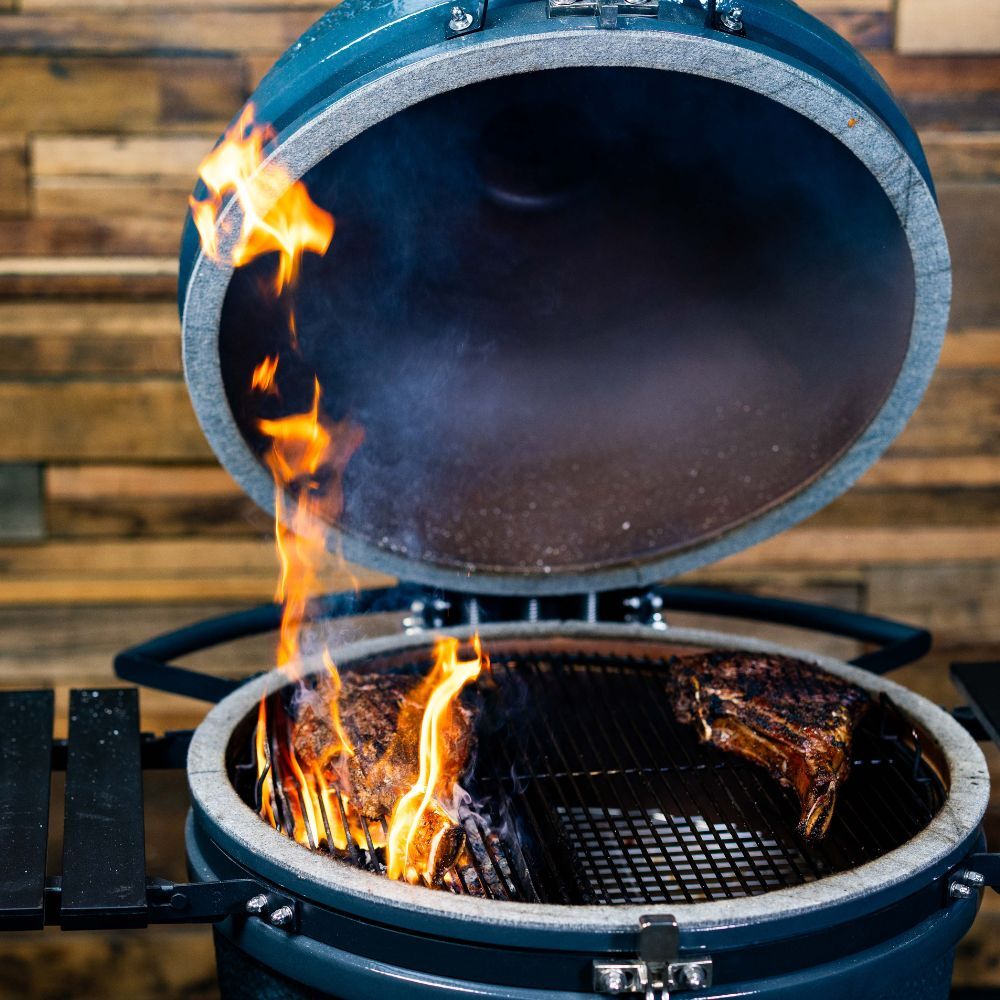
Credit: www.bbqspitrotisseries.com.au
Frequently Asked Questions
How Do I Control The Airflow On A Charcoal Grill?
To control airflow, adjust the grill’s vents. Open vents increase airflow and raise temperature. Close them to reduce airflow and lower temperature. Regularly monitor the temperature and make small adjustments as needed. Proper airflow is crucial for maintaining consistent heat levels while grilling.
What Is The Ideal Temperature For Grilling?
The ideal grilling temperature typically ranges from 350°F to 450°F. For searing or high-heat cooking, aim for 450°F to 550°F. Use a grill thermometer to check the temperature. Adjust charcoal and vents to maintain your desired heat level throughout the cooking process.
How Do I Arrange Charcoal For Even Heat?
Arrange charcoal in a two-zone setup. Pile more on one side for direct heat, and fewer on the other for indirect cooking. This setup allows you to sear meat quickly and cook it slowly as needed. Adjust charcoal placement to ensure even cooking throughout the grilling session.
How Long Should I Let The Charcoal Burn?
Allow the charcoal to burn until it’s covered with white-gray ash. This typically takes about 15 to 20 minutes. This ensures the charcoal is fully lit and at an optimal temperature for cooking. Wait for the right moment to start grilling for the best results.
Conclusion
Controlling heat on a charcoal grill takes practice and patience. Adjust the air vents to change the temperature. Add or remove charcoal to keep the fire steady. Keep the grill lid closed to hold heat inside. Check the temperature often with a grill thermometer.
These simple steps help you cook food perfectly every time. Enjoy the process and tasty results from your grill. Keep trying and you will get better quickly. Grilling becomes fun when you control the heat right.